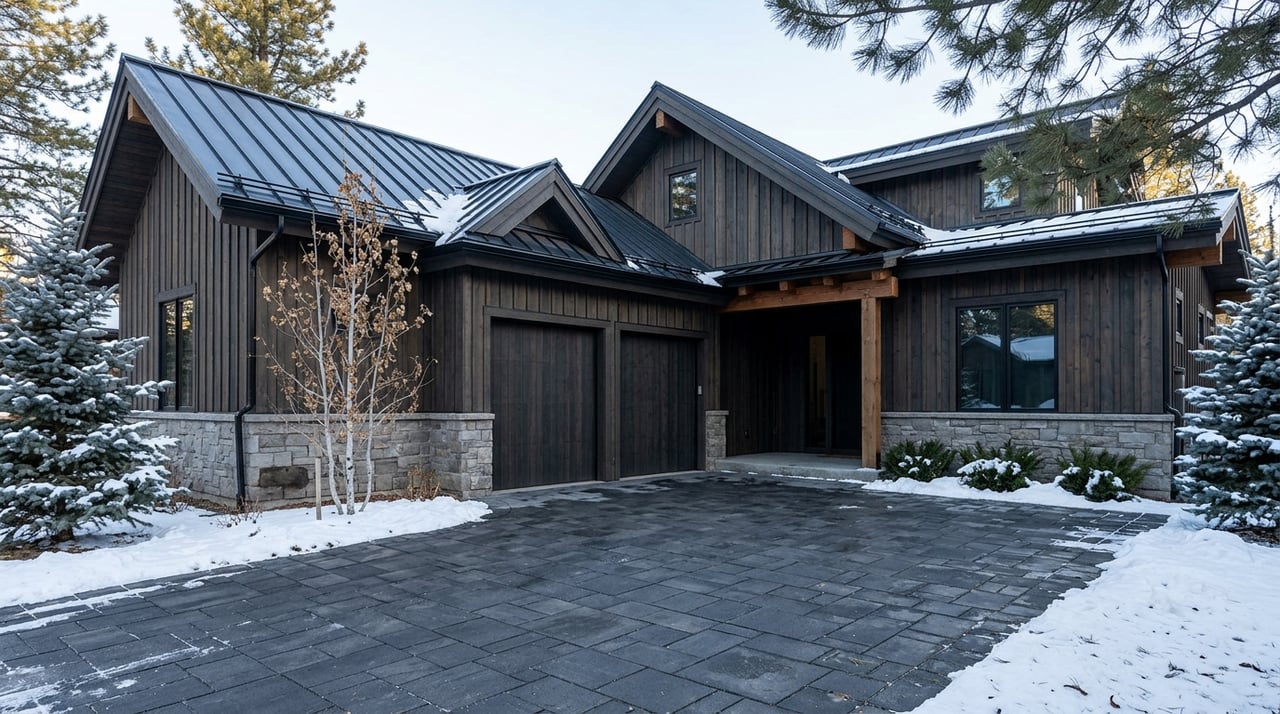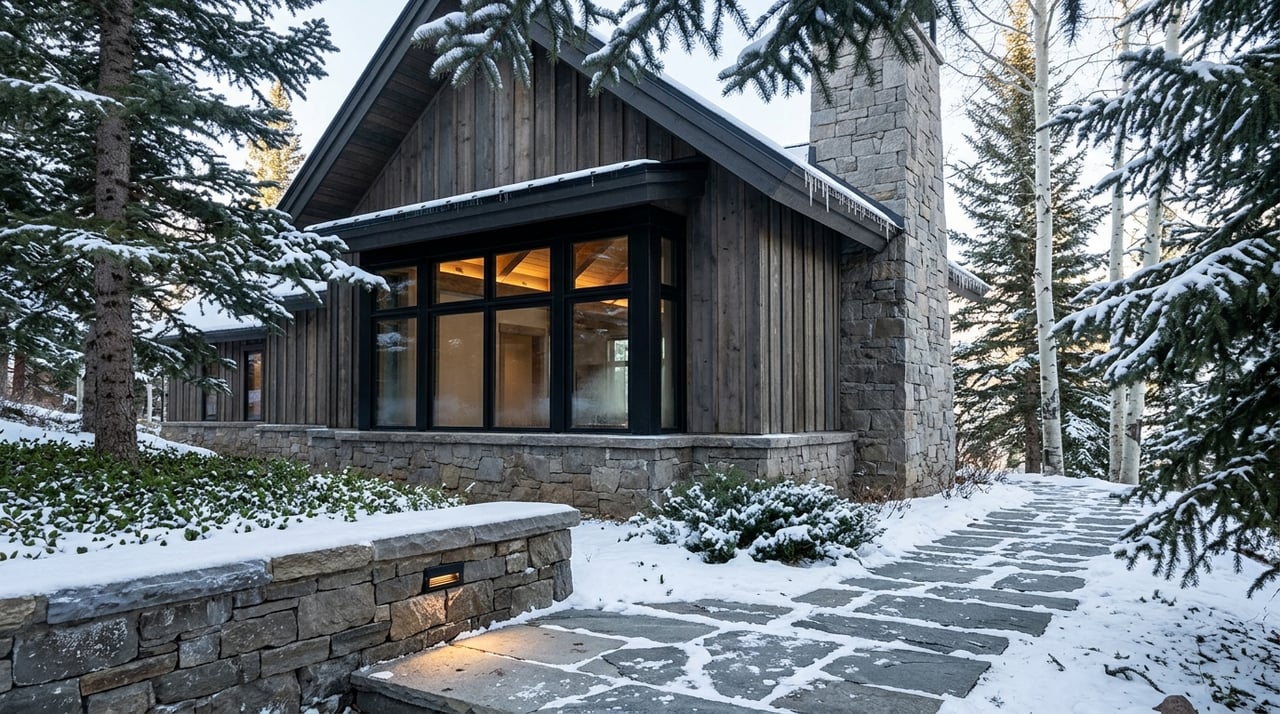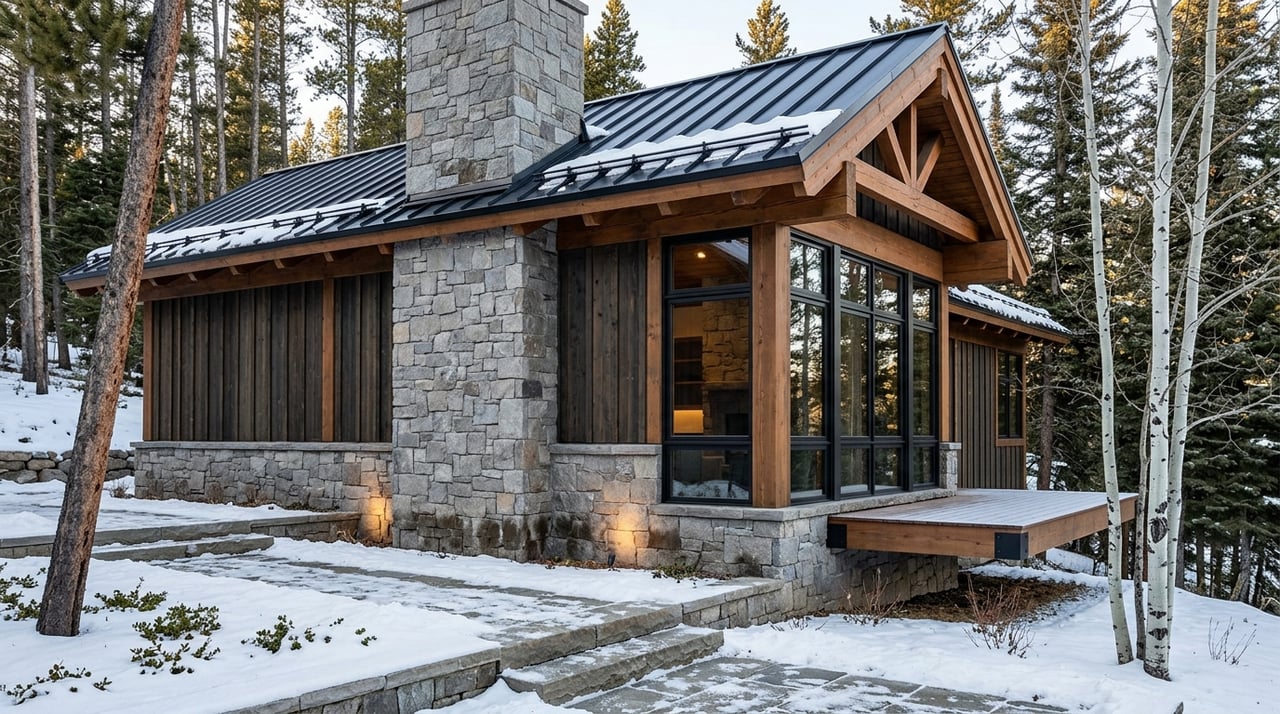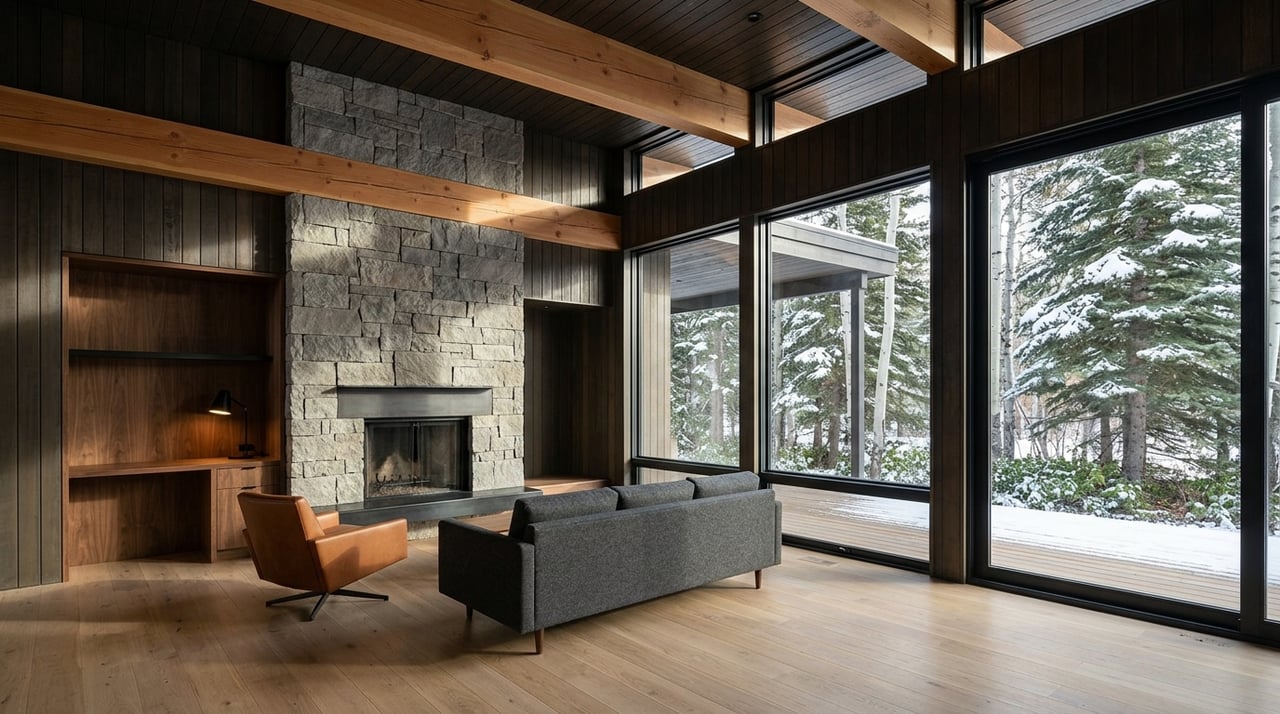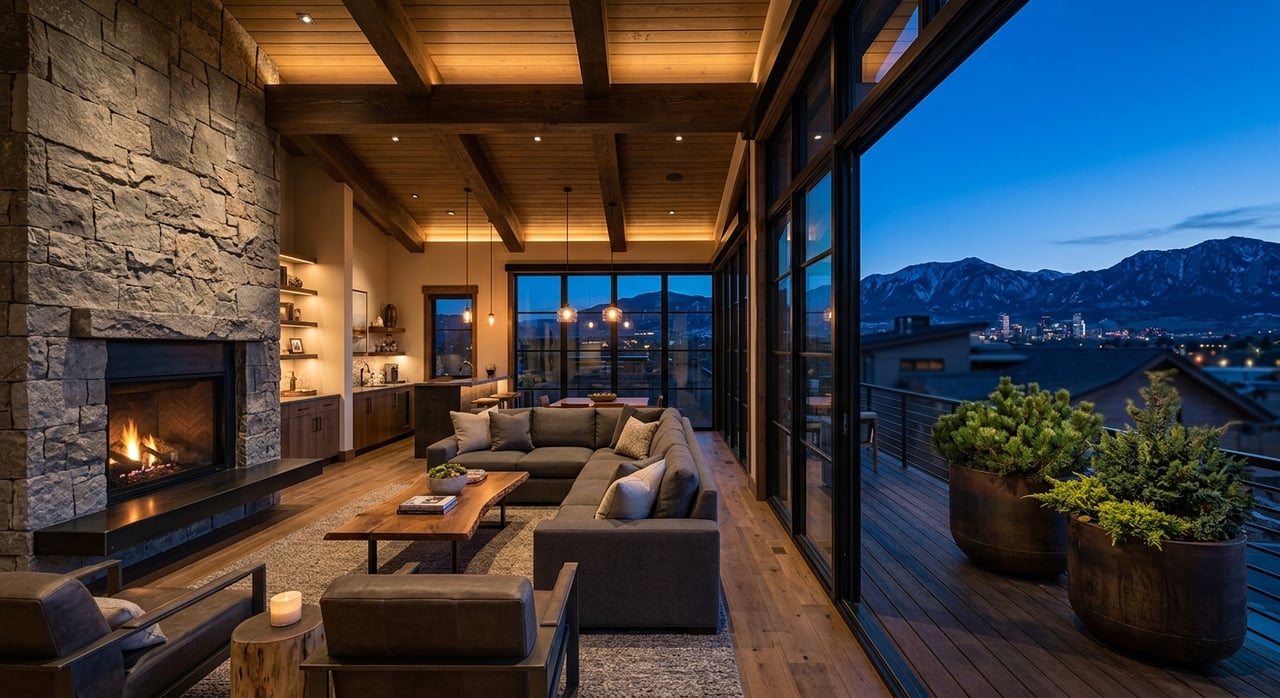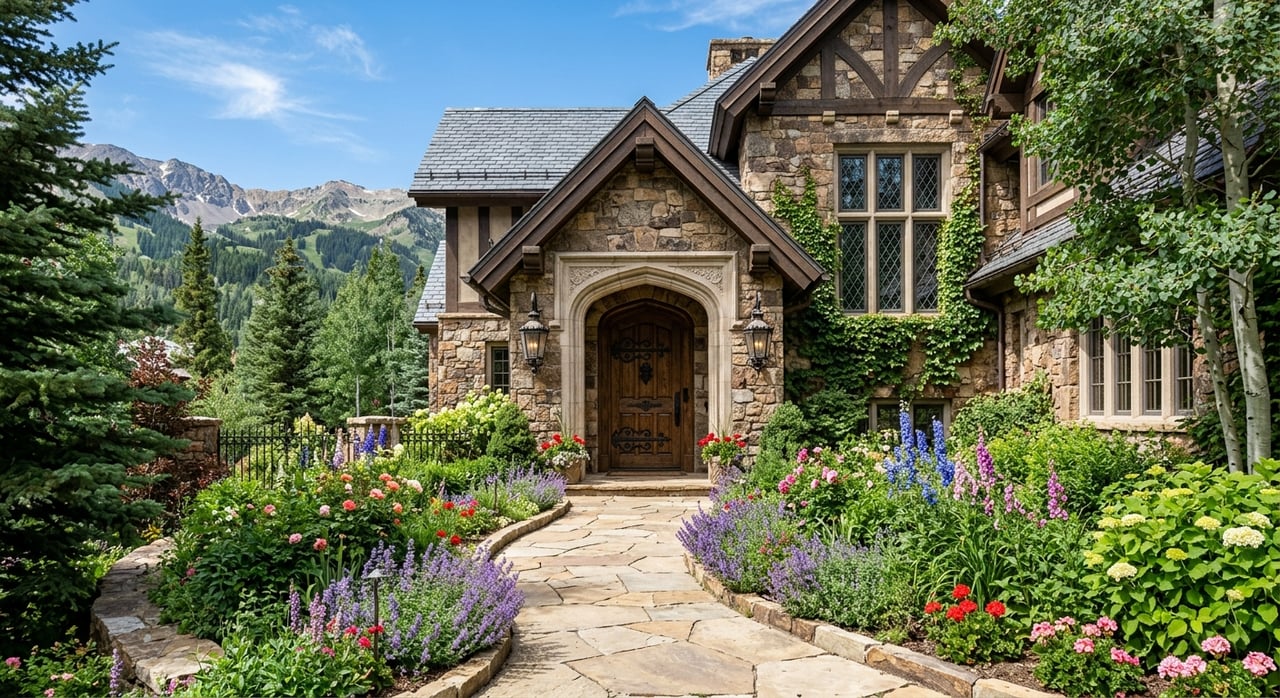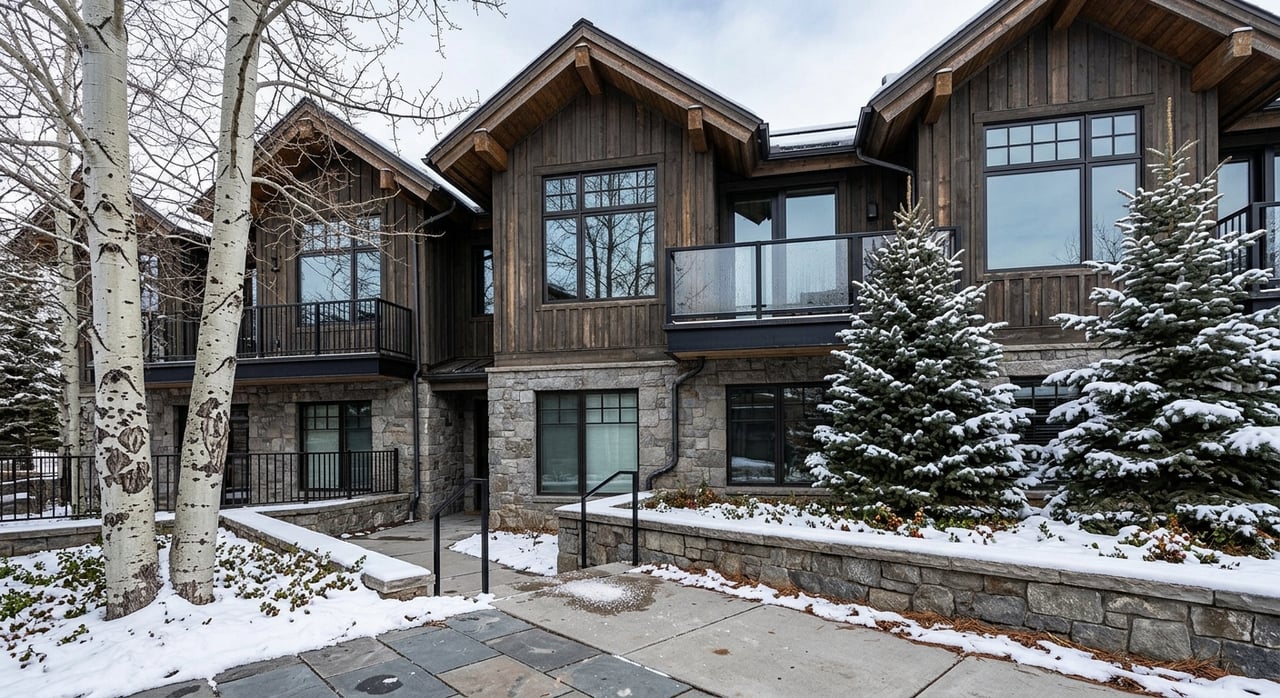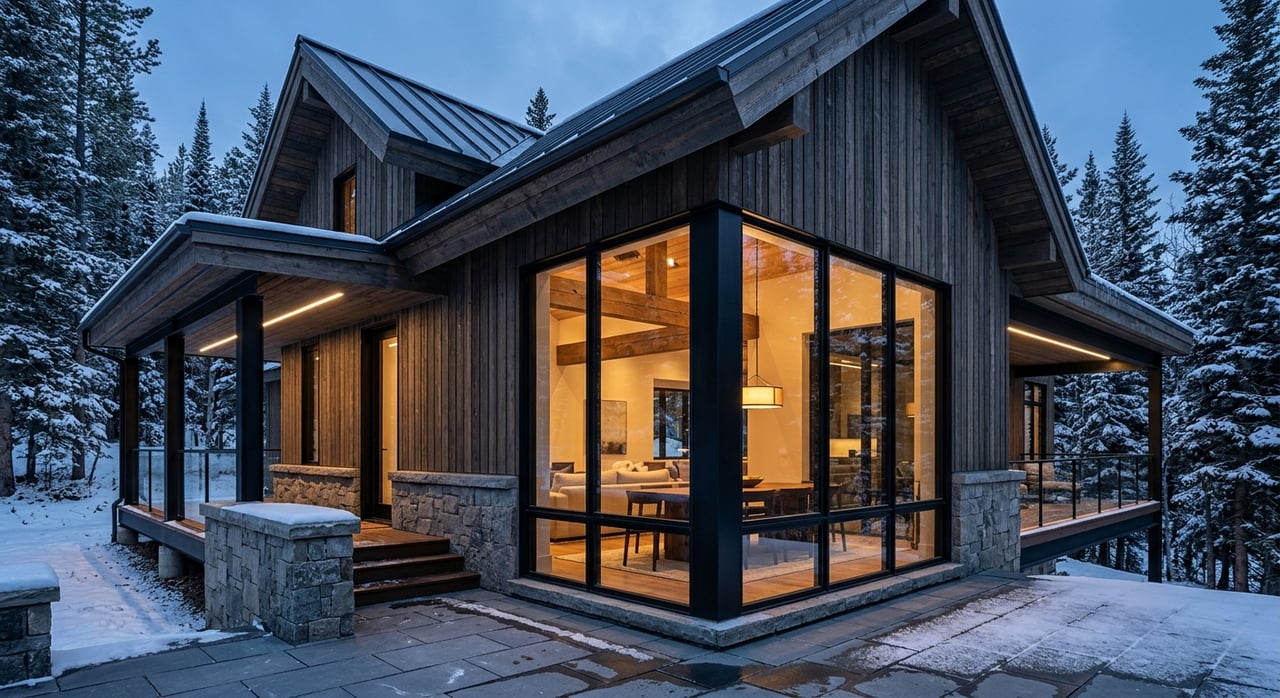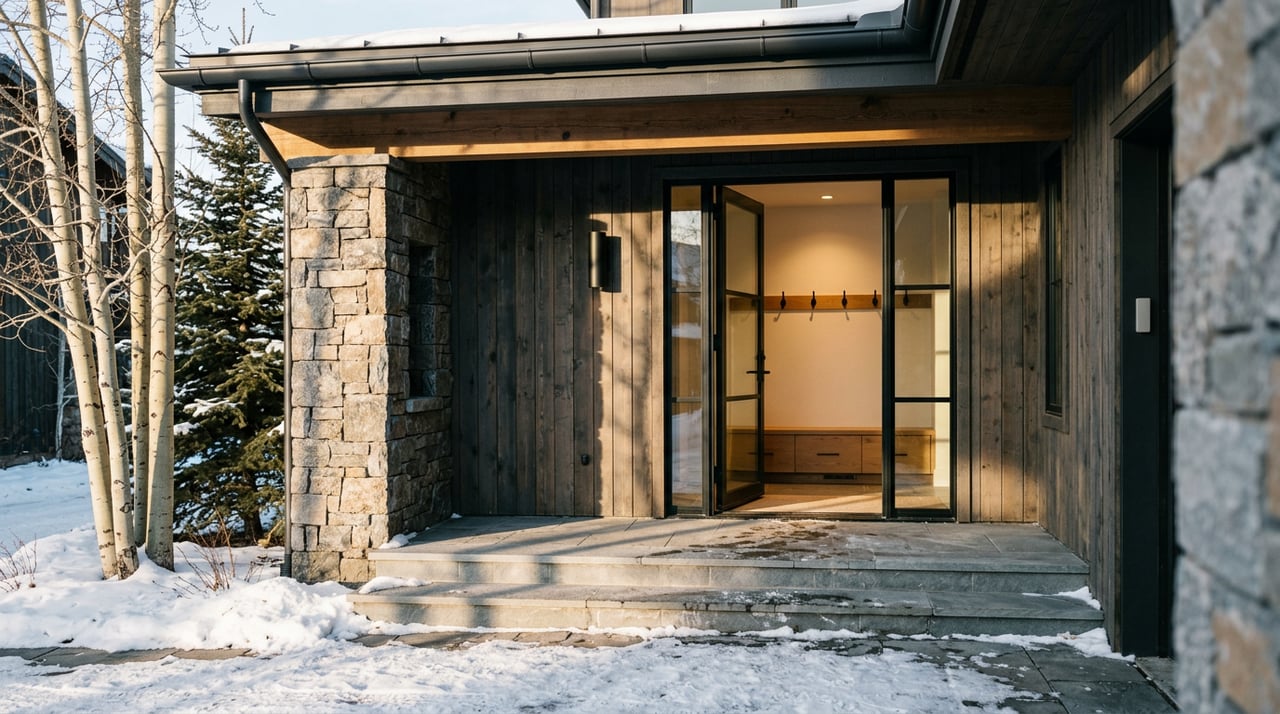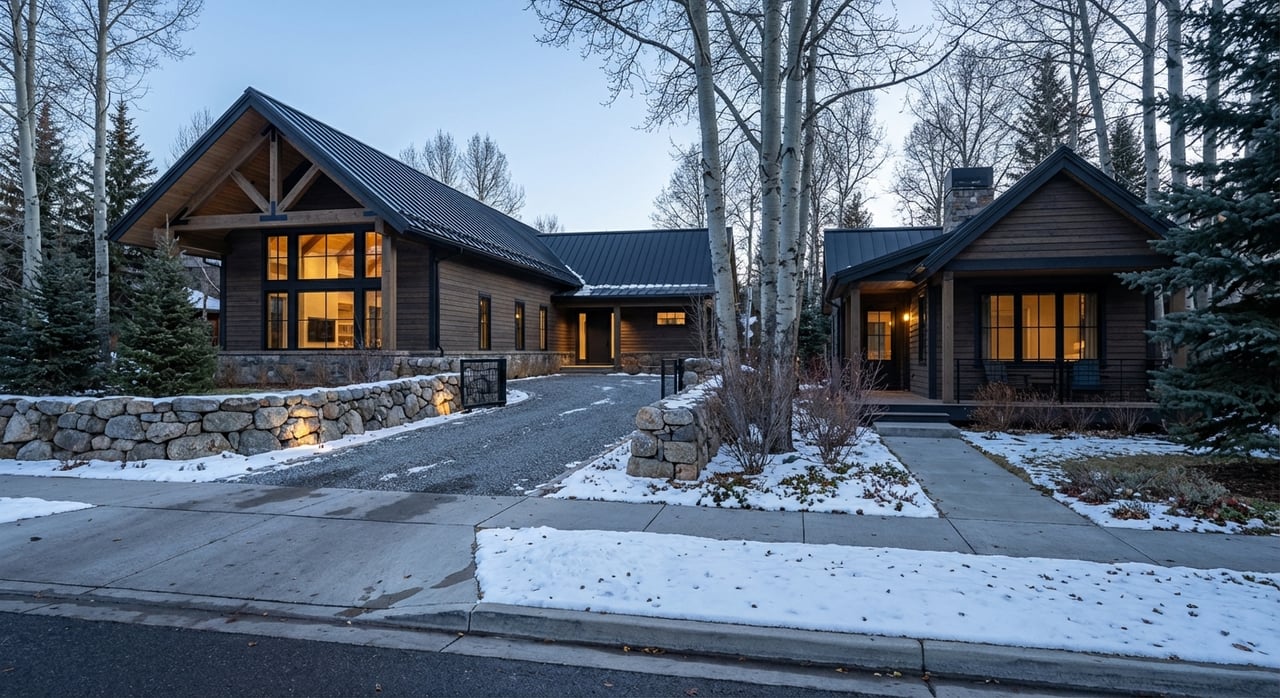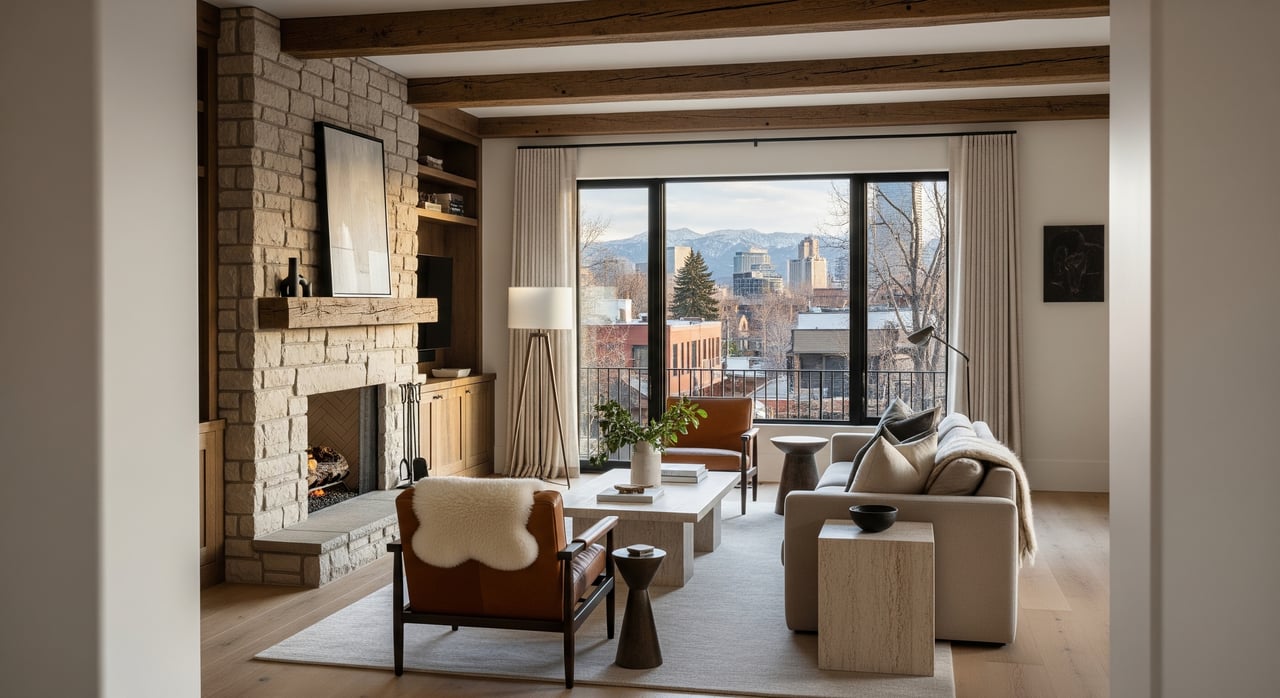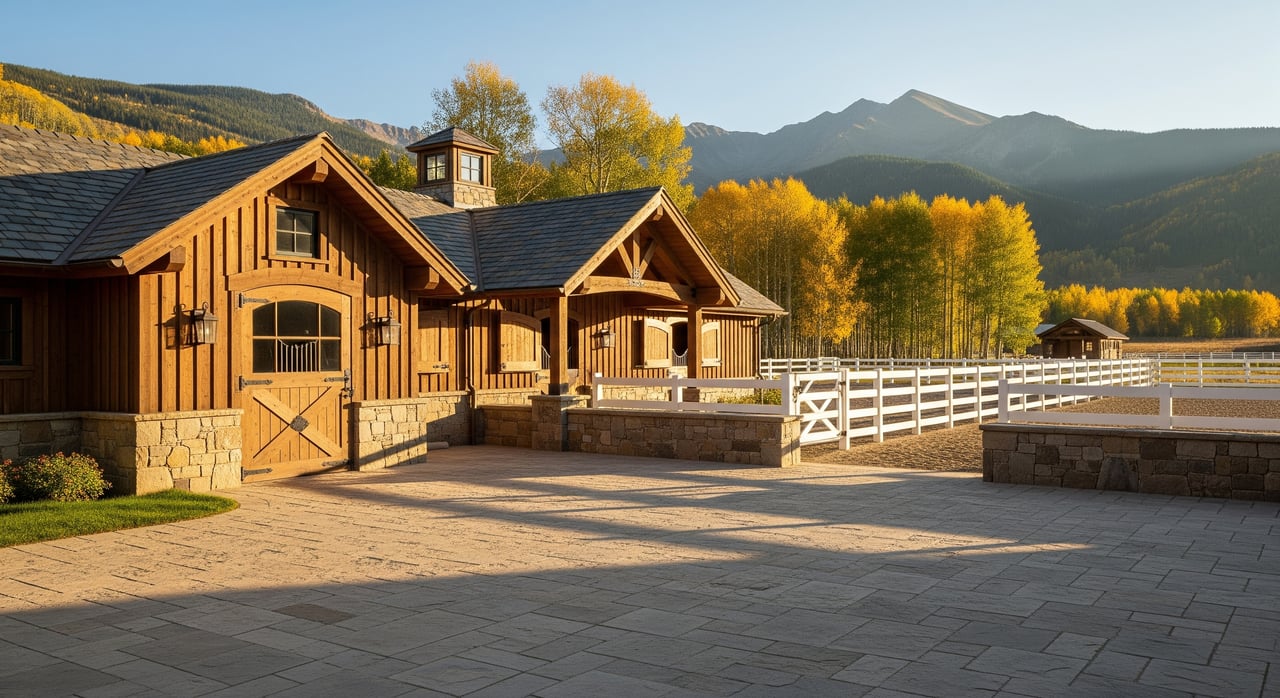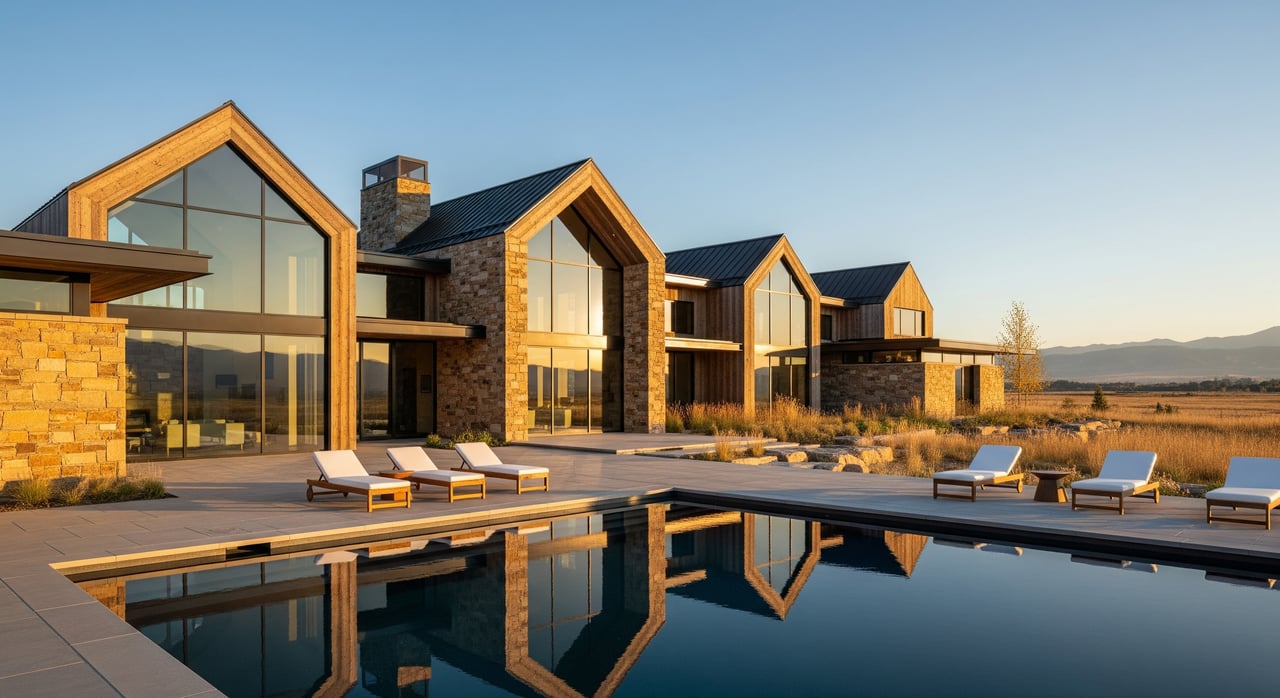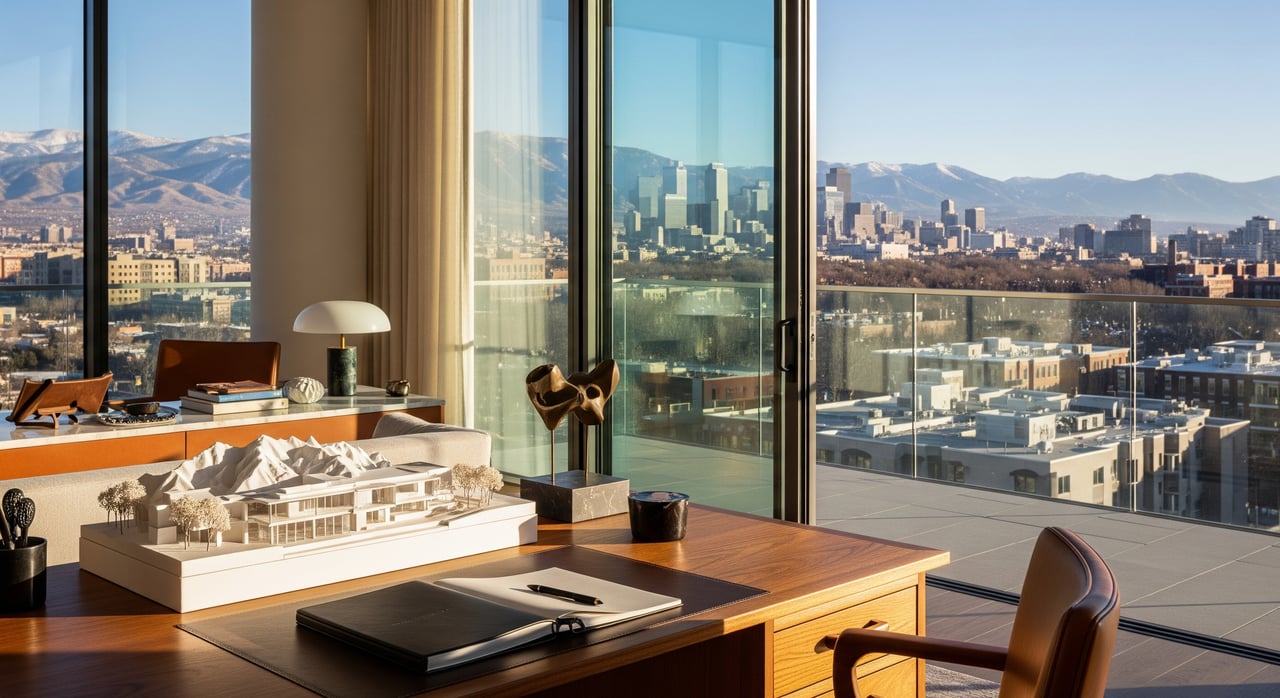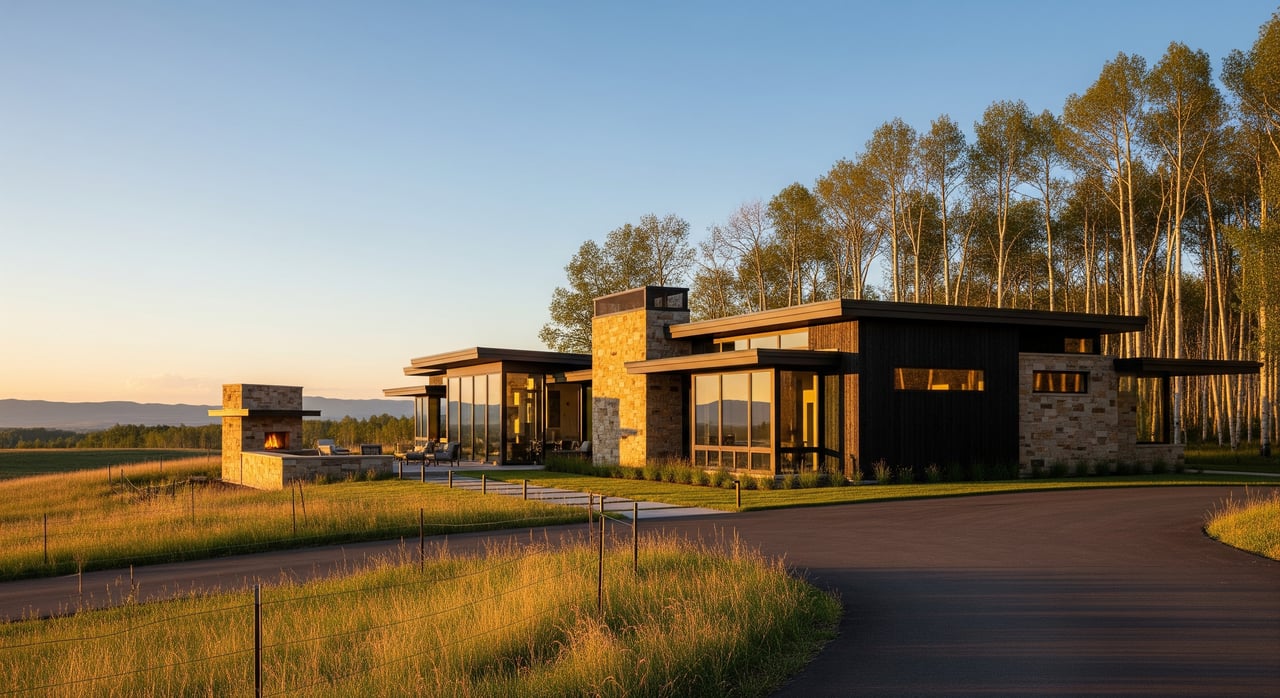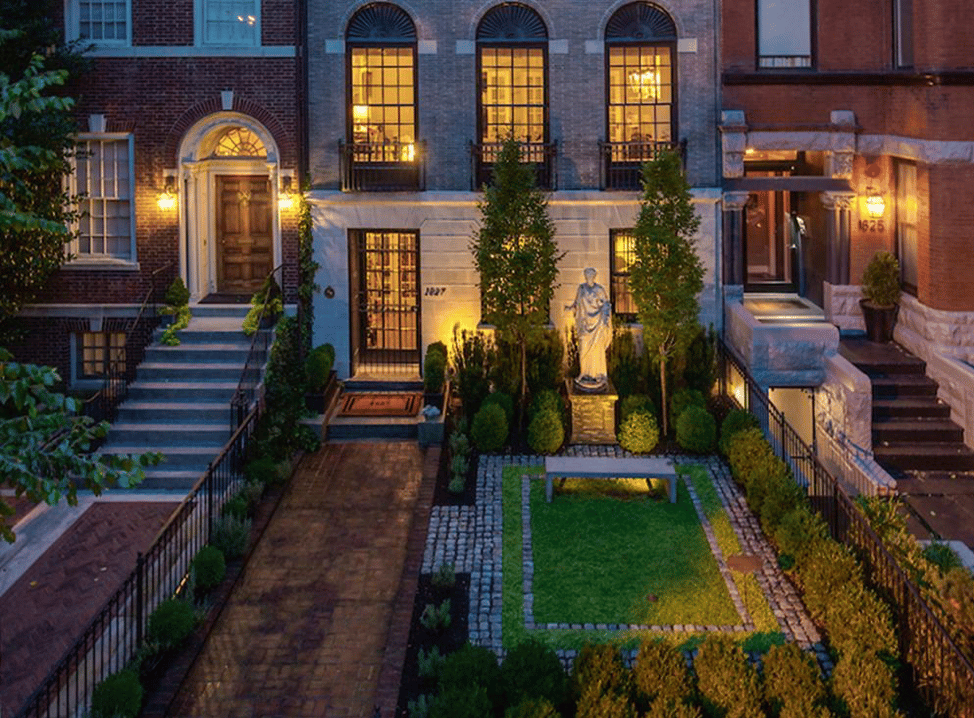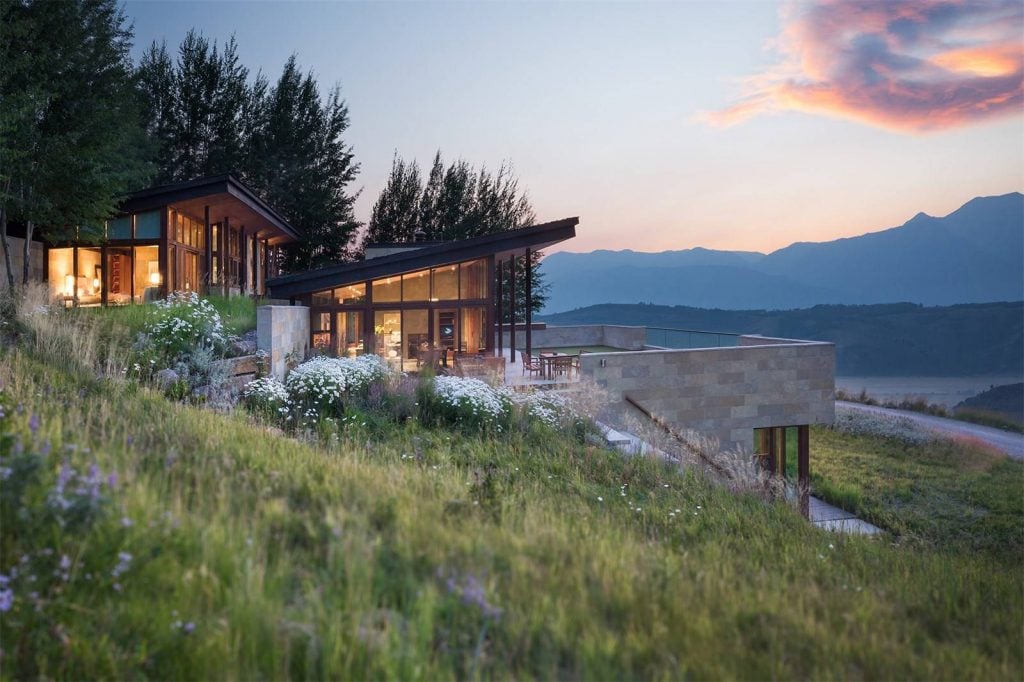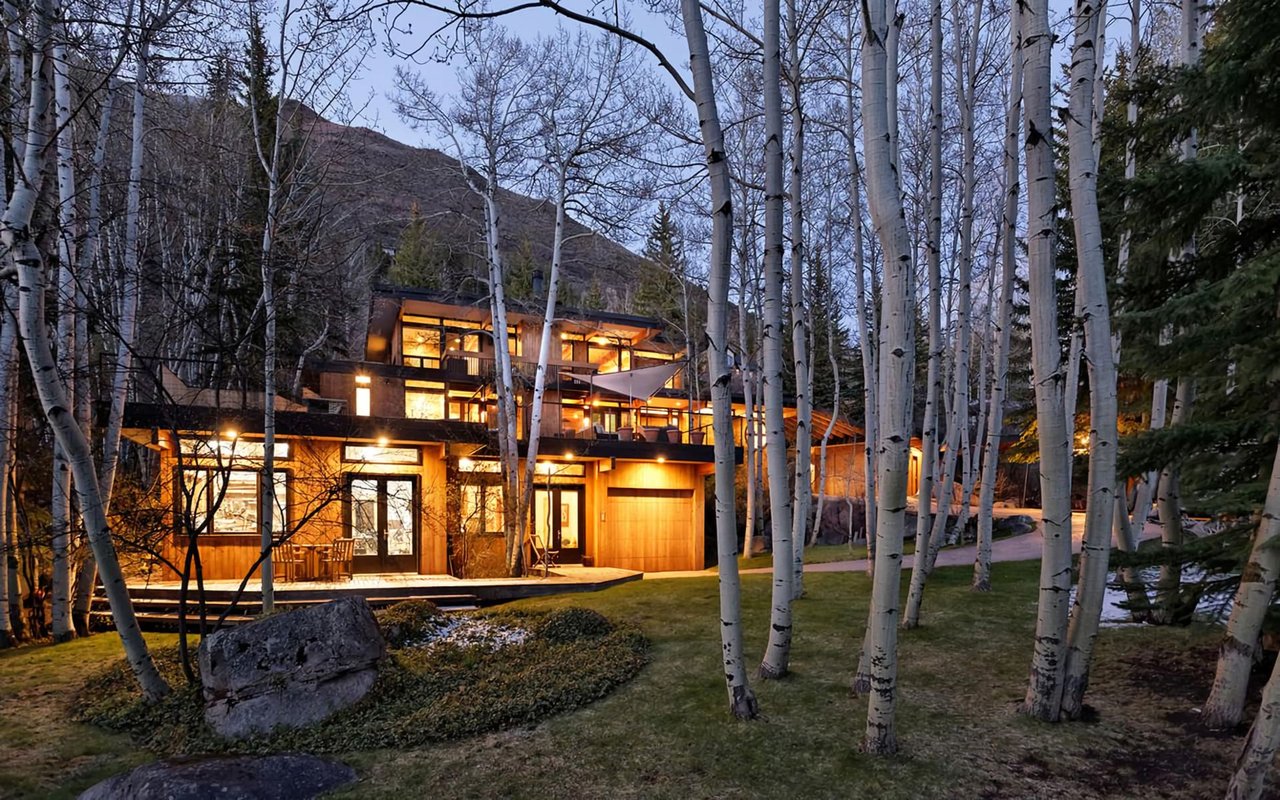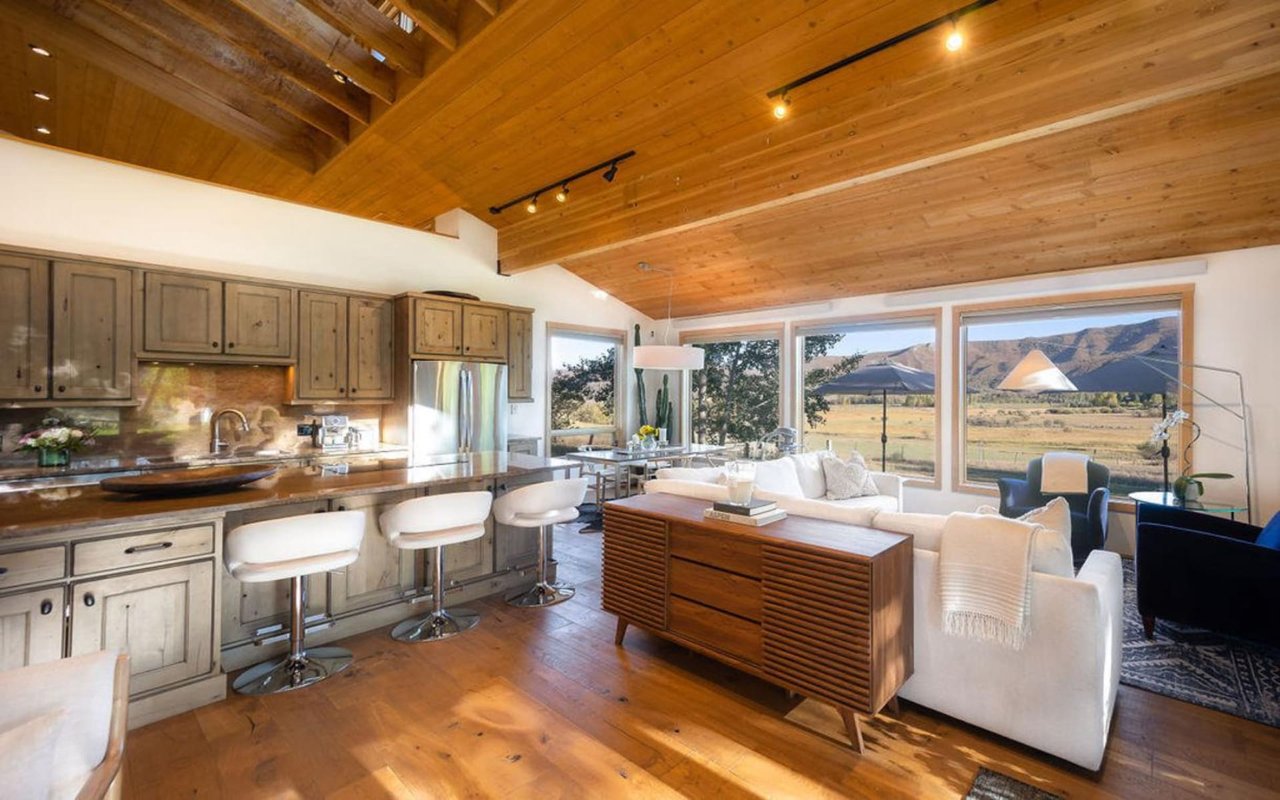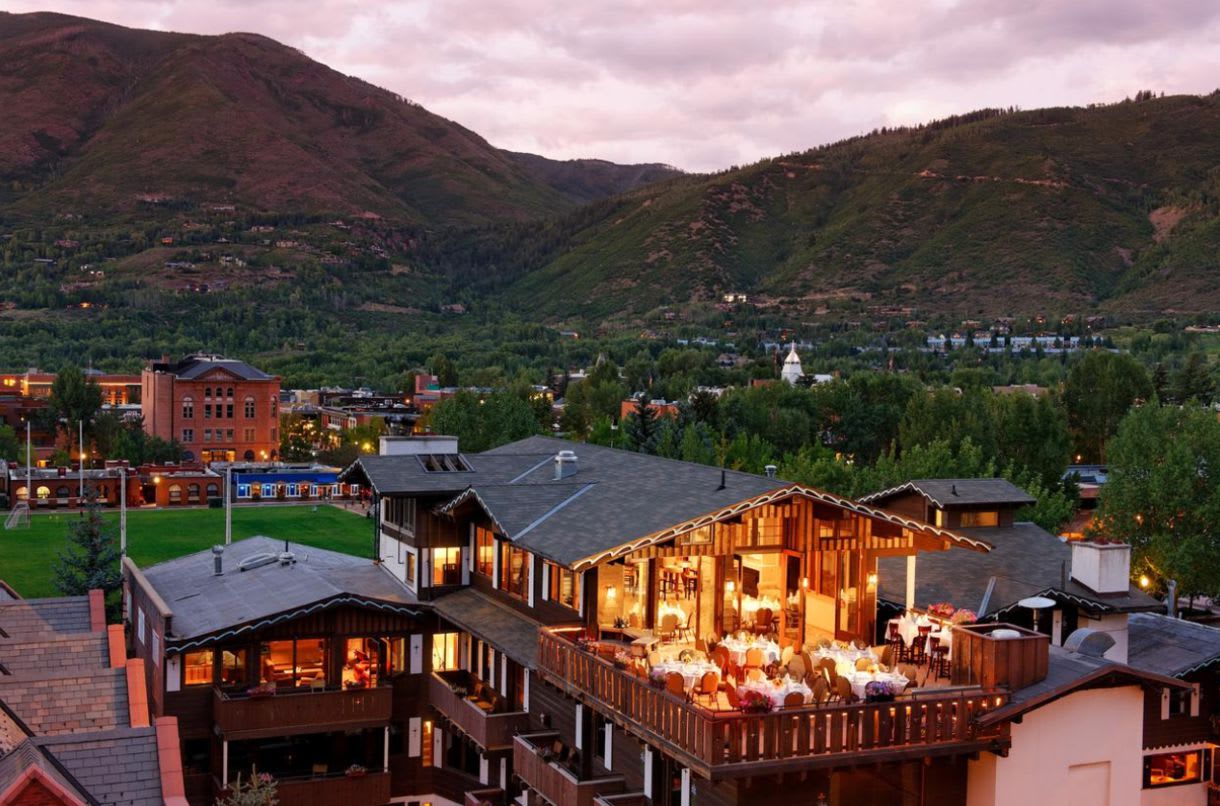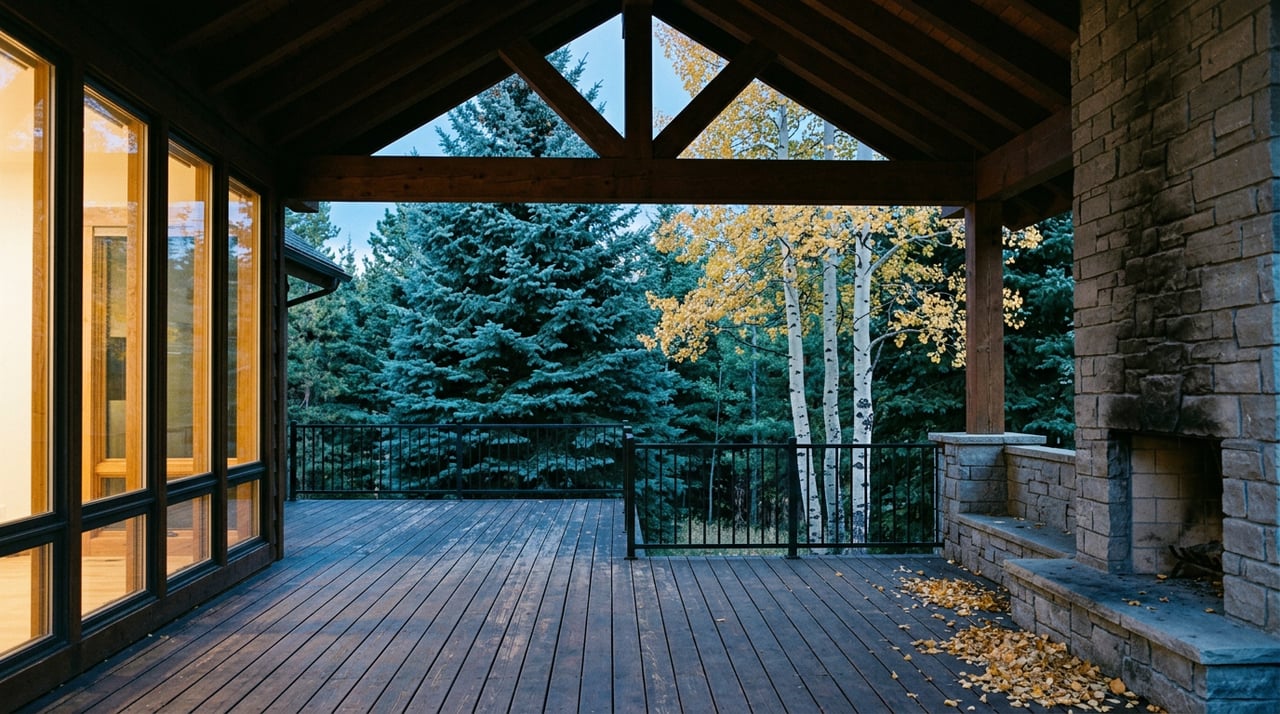
A buyer walks through a 15,000 square foot home on Red Mountain, admires the great room, the wine cellar, the primary suite wing that runs the length of the western elevation, and asks the obvious question: if I want to add a gym, or a guest wing, or simply rebuild after a fire, can I get back to this size? The honest answer, more often than not, is no. Not without buying something first that has nothing to do with land, location, or lumber.
That something is a development right, and on Red Mountain it functions less like a real estate feature and more like a second currency, one that has traded for as little as a few hundred thousand dollars and as much as two and a half million, depending entirely on when you needed it.
The Number That Doesn't Show Up in the Listing
Pitkin County's land use code sets a baseline house size limit of 5,750 square feet for a single-family lot. Many of the estates that made Red Mountain famous were built well above that line, some pushing past 15,000 or even 20,000 square feet, under approvals granted years or decades before the current code took its present shape. Those homes are grandfathered. The square footage is real, insured, and sellable. What it is not, automatically, is renewable.
If a Red Mountain owner tears down and starts fresh, or pursues a remodel substantial enough to trigger a full review, the county measures the new structure against today's baseline, not yesterday's approval. The gap between what stands on the lot and what the code allows from scratch is the entire reason Red Mountain's market behaves the way it does, and it is the detail most buyers do not think to ask about until their architect brings it up.
Where the Extra Square Footage Actually Comes From
The only legal bridge across that gap is a Transferable Development Right. A TDR is a certificate created when a landowner elsewhere in the county, typically on remote, ecologically sensitive backcountry acreage, permanently gives up the right to build there. That severed right becomes a tradable credit worth 2,500 square feet of floor area, which can then be applied to a lot inside the growth boundary, including Red Mountain.
The mechanics are public record. Pitkin County's Transferable Development Rights program exists specifically to keep density out of the high country by giving landowners there a way to sell what they cannot build, and to give valley-floor owners a legal path to more square footage than the baseline allows. It is a market built entirely to solve a problem the zoning code created, and it has its own price history that is worth understanding before you assume a listing's floor area is a floor for what comes next.
That price history has been volatile enough to make the point on its own. County records reported by the Aspen Times show a single TDR selling for $1.8 million in December 2021, up from roughly $360,000 the year before, as post-pandemic demand for bigger second homes collided with a fixed supply of certificates. The county had issued 398 TDRs since the program began and had already extinguished 269 of them, leaving a shrinking pool of 129 still available to buy. There were 21 TDR transactions that year, the most since 2013.
| Period | What a single TDR (2,500 sq ft) traded for |
|---|---|
| 2020 | Roughly $360,000 |
| December 2021 | $1.8 million (then a record) |
| 2021 to 2022 peak | $2.0 million to $2.5 million |
| 2026 | Roughly $650,000 to $800,000 |
That is not a gently appreciating asset. It is a scarce, thinly traded certificate that moved by nearly seven times in a single year and then gave back most of that gain over the following few years. Buying square footage on Red Mountain, in other words, means buying into a market with its own boom and bust cycle, layered on top of the house itself.
An Aspen architect who works on the mountain regularly put the demand side plainly in a 2018 interview with Aspen Sojourner, describing the volume of remodel and rebuild requests she was fielding across the valley as the most she had ever seen, particularly on Red Mountain, and noting that people were having a hard time finding lots and were often surprised by the sticker price when they did.
Why the Average Is Falling While the Record Is Rising
This is where the entitlement story starts to explain numbers that otherwise look contradictory. Red Mountain set Colorado's all-time residential sales record in April 2024, when 419 Willoughby Way closed at $108 million. Across 2025, the neighborhood's average sale price ran near $22.38 million, and the trailing twelve months into late summer 2026 showed that average slipping by roughly 7 percent, with homes sitting on the market an average of 102 days compared to a national average closer to 47.
A falling average and a standing record are not actually in tension once you separate the two kinds of inventory. A handful of estates carry the full, irreplaceable entitlement: grandfathered square footage well beyond the code baseline, unobstructed sightlines, and often a TDR or two already banked for future expansion. Those properties are the ones setting records, because nothing like them can be permitted again. The rest of the market, homes that are large but not maximally entitled, or that would need to purchase TDRs at whatever the certificate happens to cost that year, are pricing more cautiously, and that is likely what is pulling the average down even as the ceiling keeps rising.
What Land Alone Has Traded For
The clearest evidence that entitlement, not square footage, drives Red Mountain pricing comes from the base of the mountain itself, where a series of vacant lots once held by the same family changed hands repeatedly over a few years with no structure involved at all. In 2017, an 11.72 acre parcel at 101 American Lane, listed as Rubey Lot 5, sold for $22 million as an off market deal, with the existing home on it considered a teardown from the start. Two years later, in April 2019, a 4.83 acre building site at 300 American Lane from the same family holdings sold for $24.2 million, almost double what a comparable Red Mountain parcel had traded for a few years earlier.
Neither of those sales involved a finished home. Buyers were paying for the entitlement to build, for the address, and for the near certainty that nothing like that combination of acreage and access would come to market again soon. That is the same logic driving the TDR market, just without the certificate.
Questions Worth Asking Before You Assume Anything Transfers
A few questions belong in every Red Mountain due diligence conversation, before an offer goes in rather than after:
- Does the current home's floor area reflect a grandfathered approval, and if so, what would the county allow if the structure were substantially altered or rebuilt from the ground up?
- Are there any TDRs already purchased and banked for this specific parcel, and if not, what would today's certificate cost to reach a comparable size?
- What is the actual zone district baseline for this lot, since Red Mountain includes several distinct subdivisions and not every parcel sits under the same 5,750 square foot floor?
- If a TDR purchase is part of the plan, is there a certificate currently available, or would the buyer be waiting on the county's limited remaining pool?
None of these questions have a universal answer. They depend on the specific parcel, its zoning history, and the county's records for that address, which is exactly why they are worth raising with a land use attorney or the county's community development department before treating a listing's square footage as a given rather than a snapshot of what one owner was once allowed to build.
The Short Version
Red Mountain's price tag has never really been about the house. It has been about a fixed, aging supply of grandfathered floor area and a small, volatile market for the only legal way to add more of it. That is worth knowing before you fall in love with a great room that the current code would never approve again.
I work Red Mountain and the rest of the Aspen and Roaring Fork Valley market every day, and I would rather walk you through a parcel's entitlement history before you write an offer than after. If you are weighing a purchase on the mountain, or thinking about what your own Red Mountain property is really worth given what stands on it today, start a private consultation with Dayna + Mandy.
A Few Questions Buyers Ask
What exactly is a Transferable Development Right, in plain terms? It is a certificate that lets a property owner add square footage beyond the standard zoning limit. Pitkin County creates these rights by paying backcountry landowners to permanently give up their ability to build, then allows that unused right to be sold and applied to a different, developable lot such as one on Red Mountain.
If a home is already 15,000 square feet, does that mean the lot has an approved TDR? Not necessarily. Many of Red Mountain's largest homes were approved under land use rules that predate the current code and were never required to purchase a TDR to reach that size. That grandfathered status generally does not transfer automatically to a full teardown and rebuild, which is why the same square footage may need to be earned again, this time through the TDR market, before a new structure can match the old one.
Why did Red Mountain's average sale price fall even after a record-setting transaction? An average blends every sale in the window, and a single $108 million transaction does not offset a broader group of sales trading more cautiously. The properties setting records tend to carry the fullest, least replicable entitlements. Everything else is priced against a shrinking and increasingly expensive path to more square footage, which can pull the overall average down even while the ceiling for the very best parcels keeps climbing.