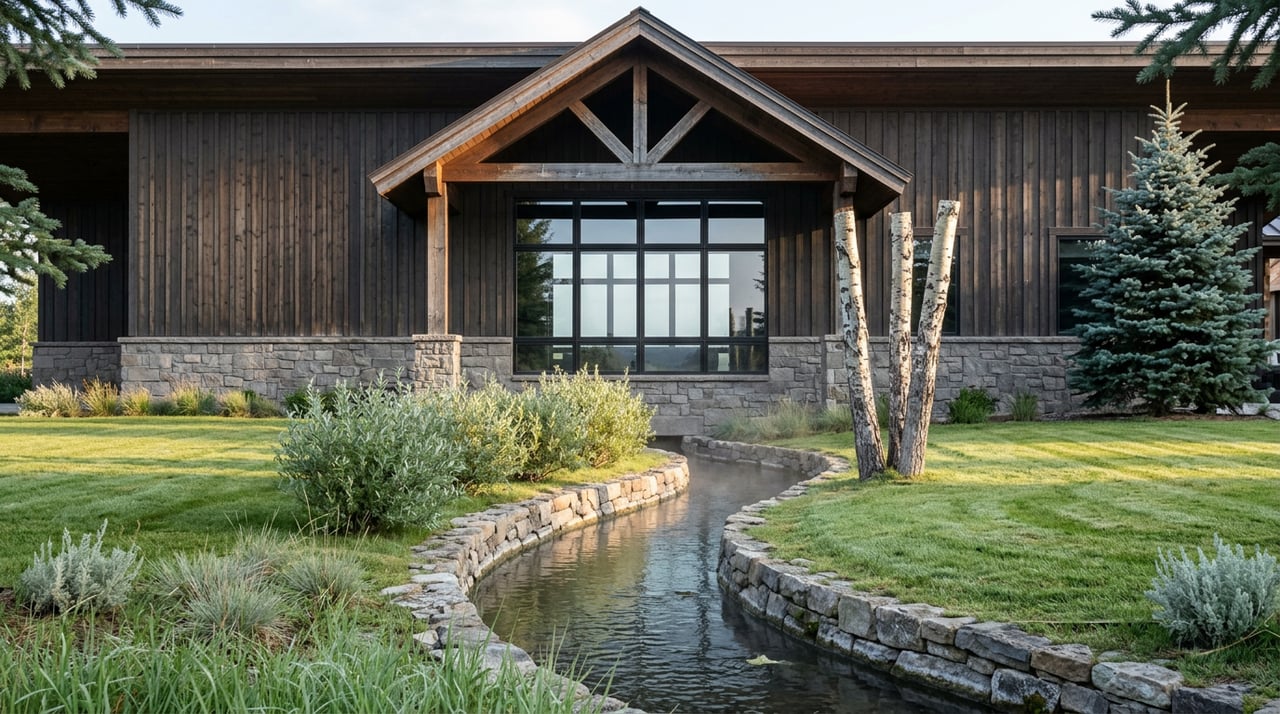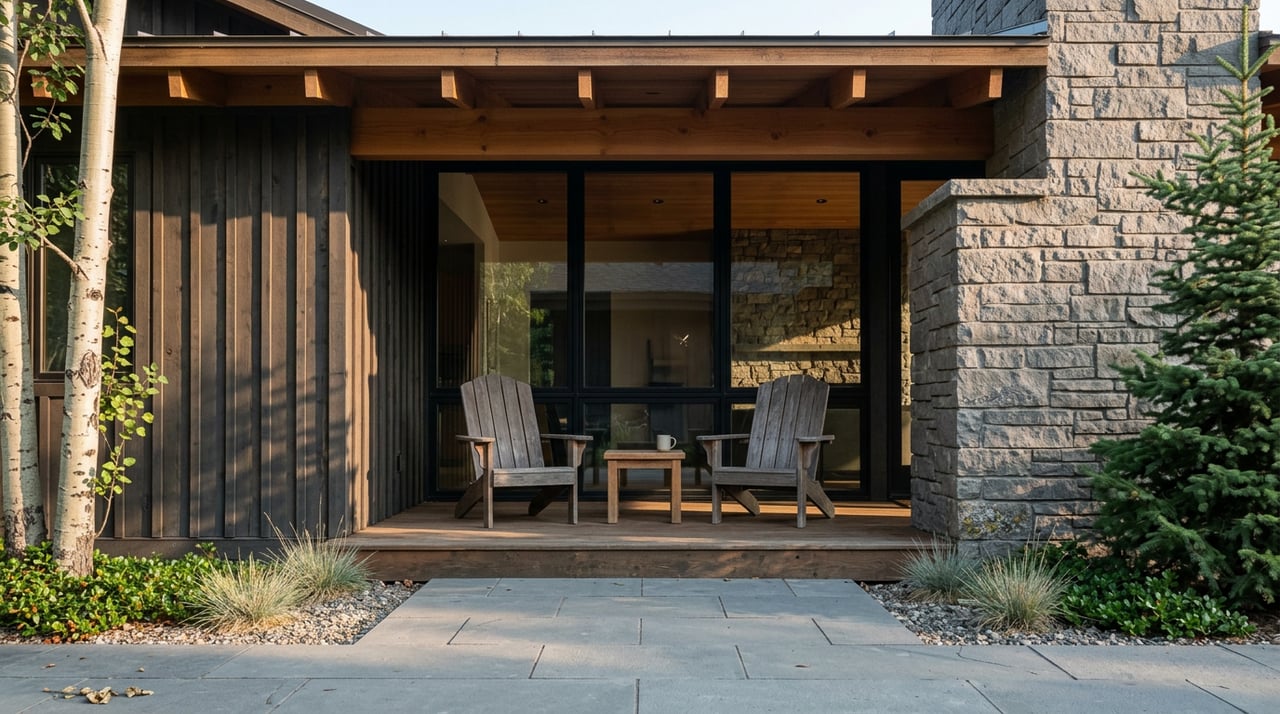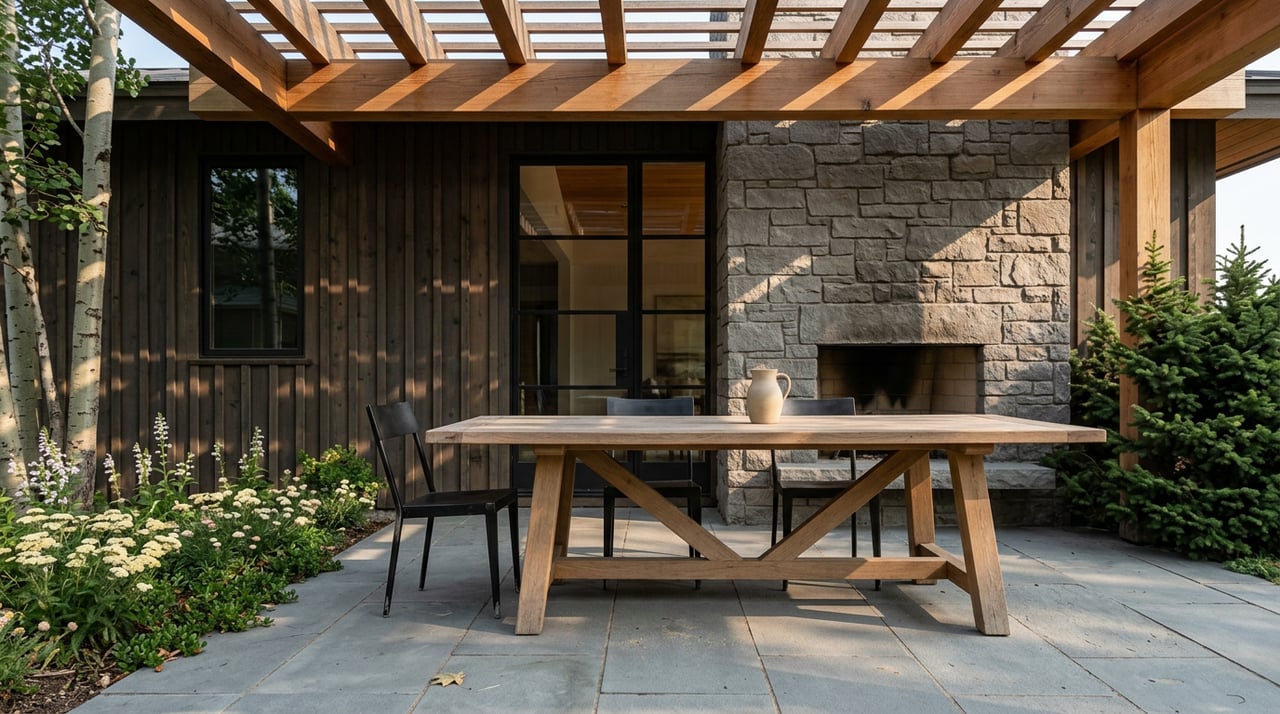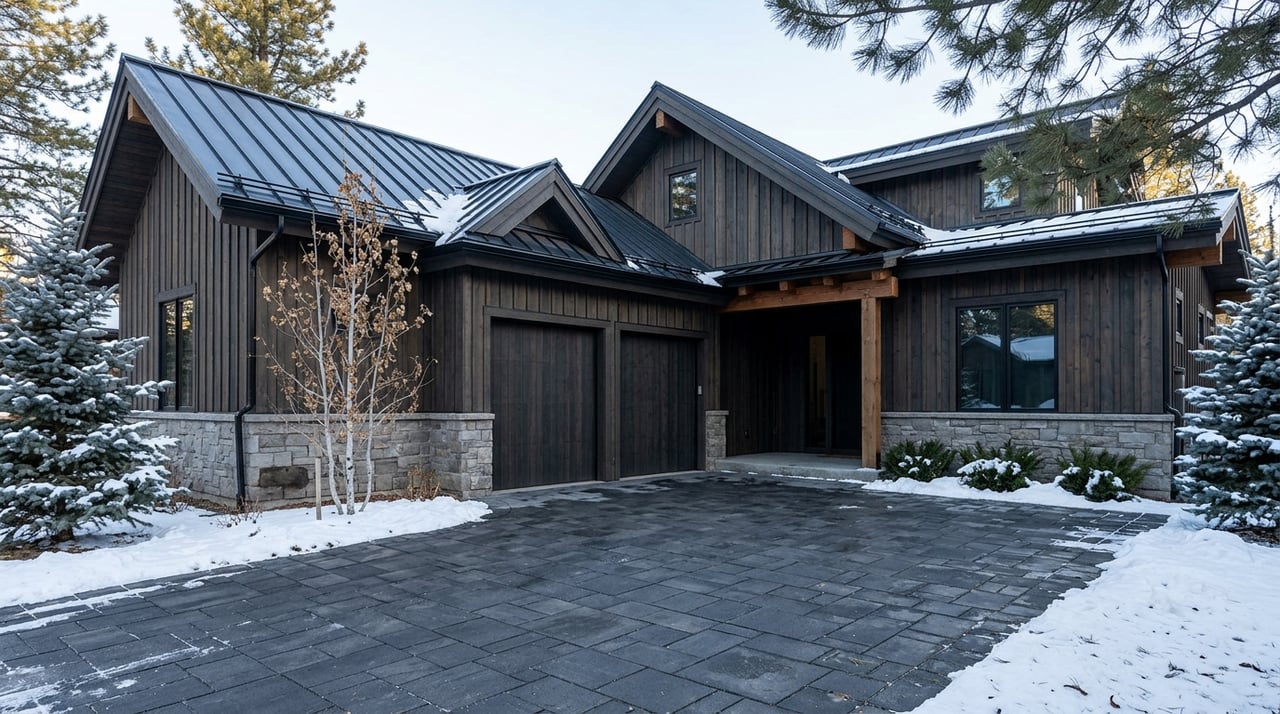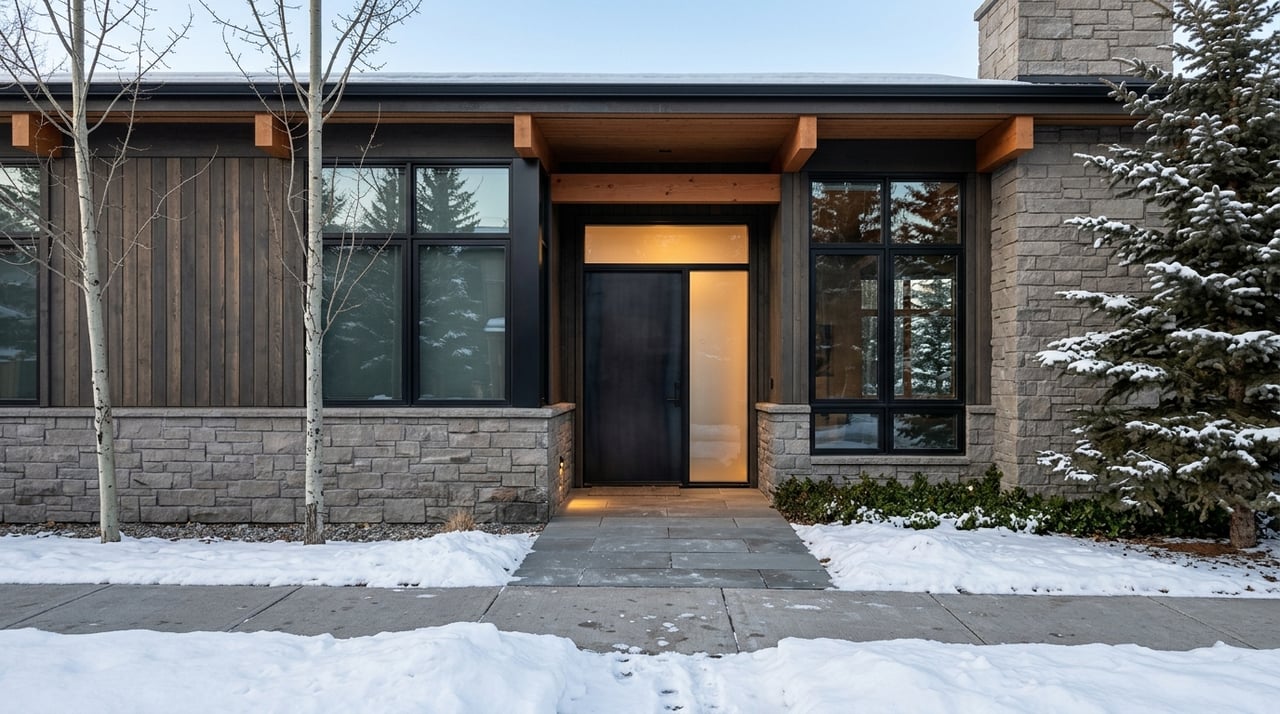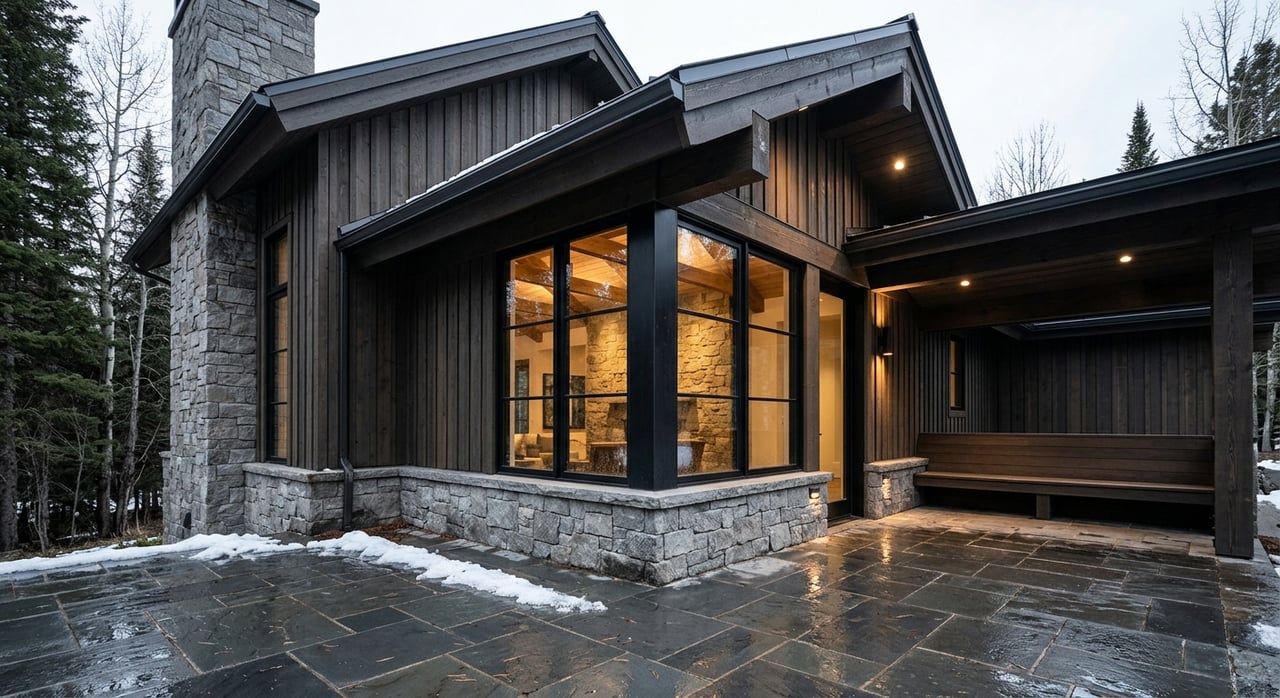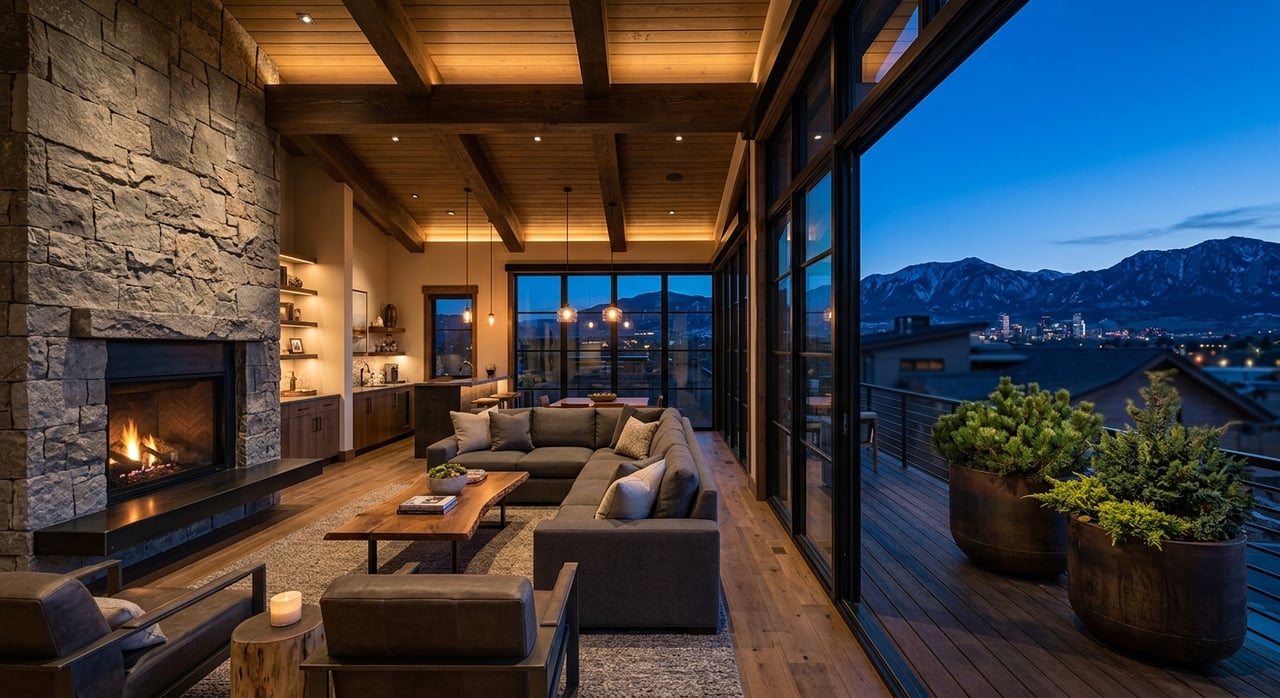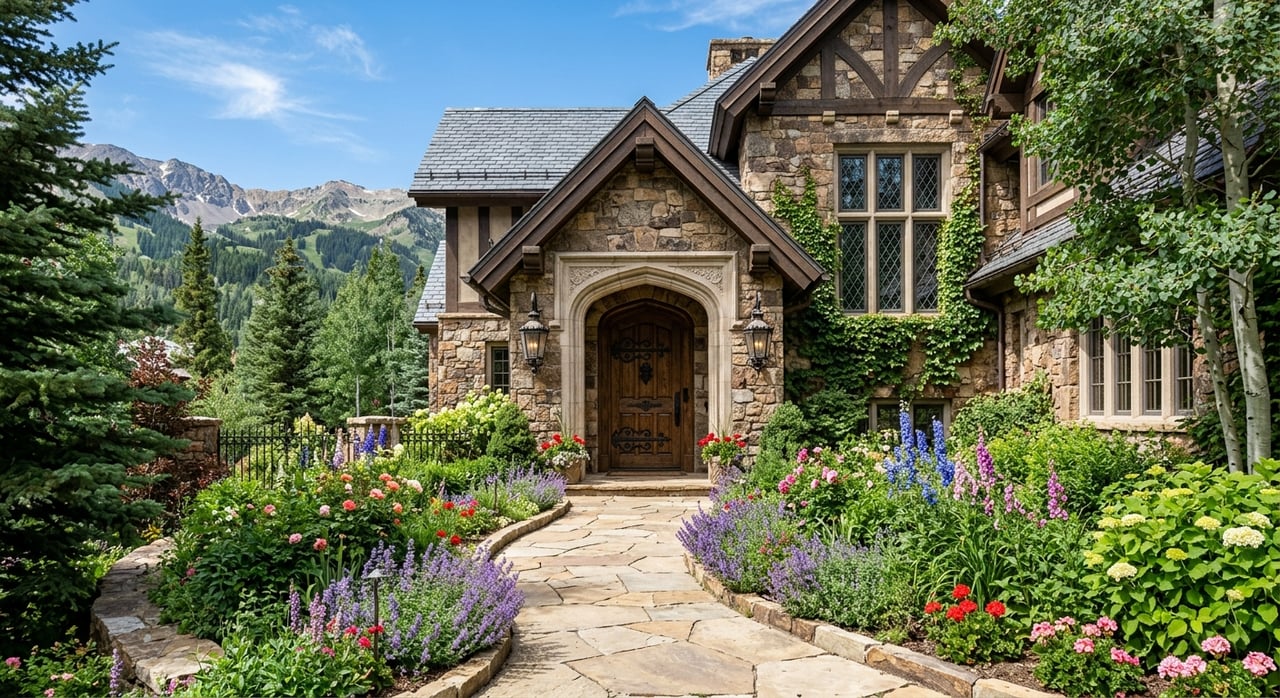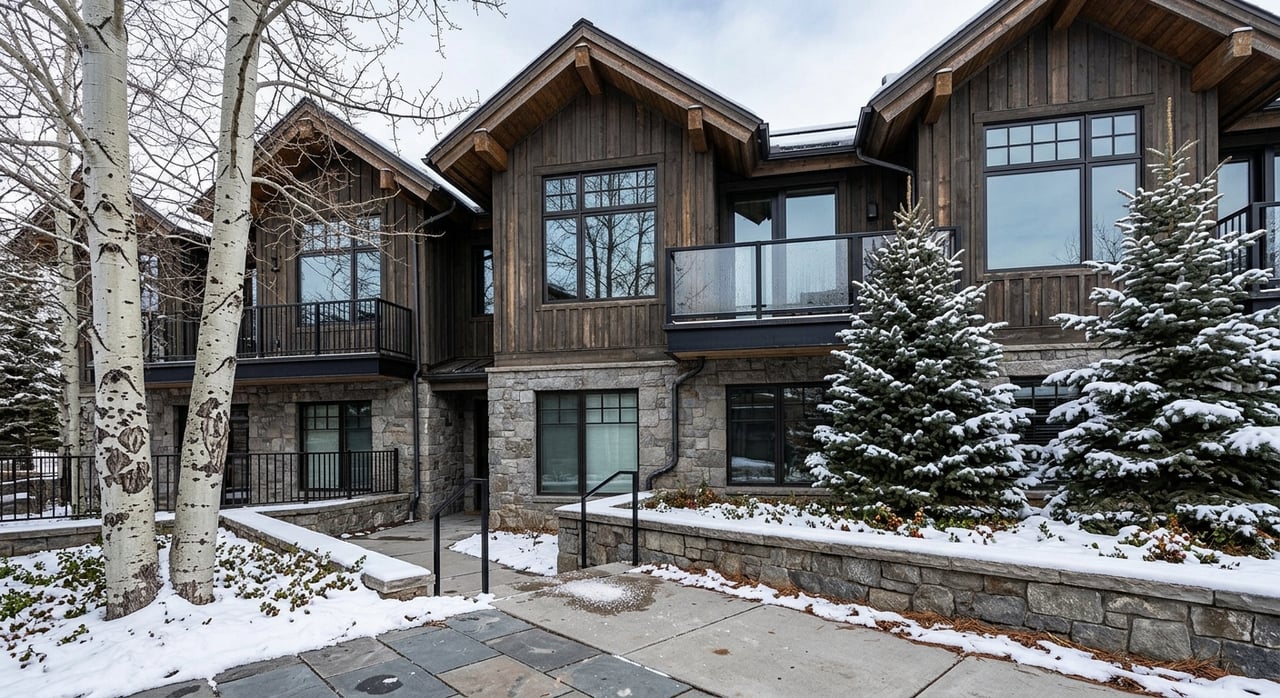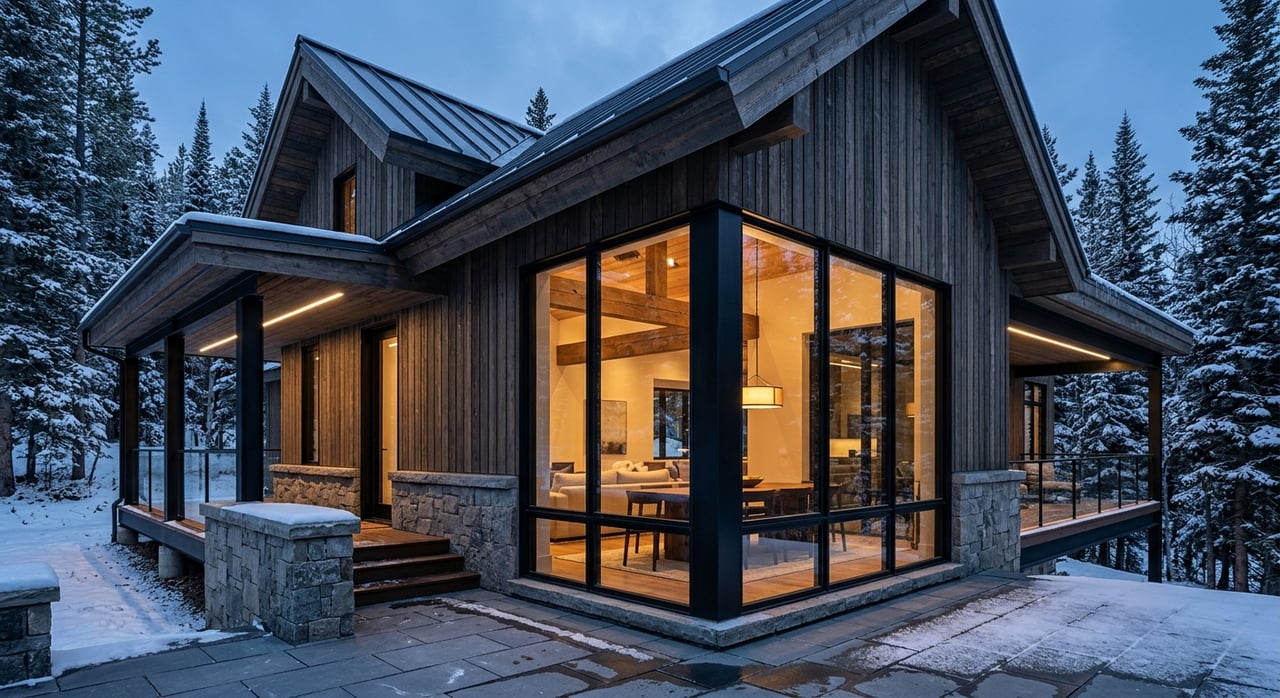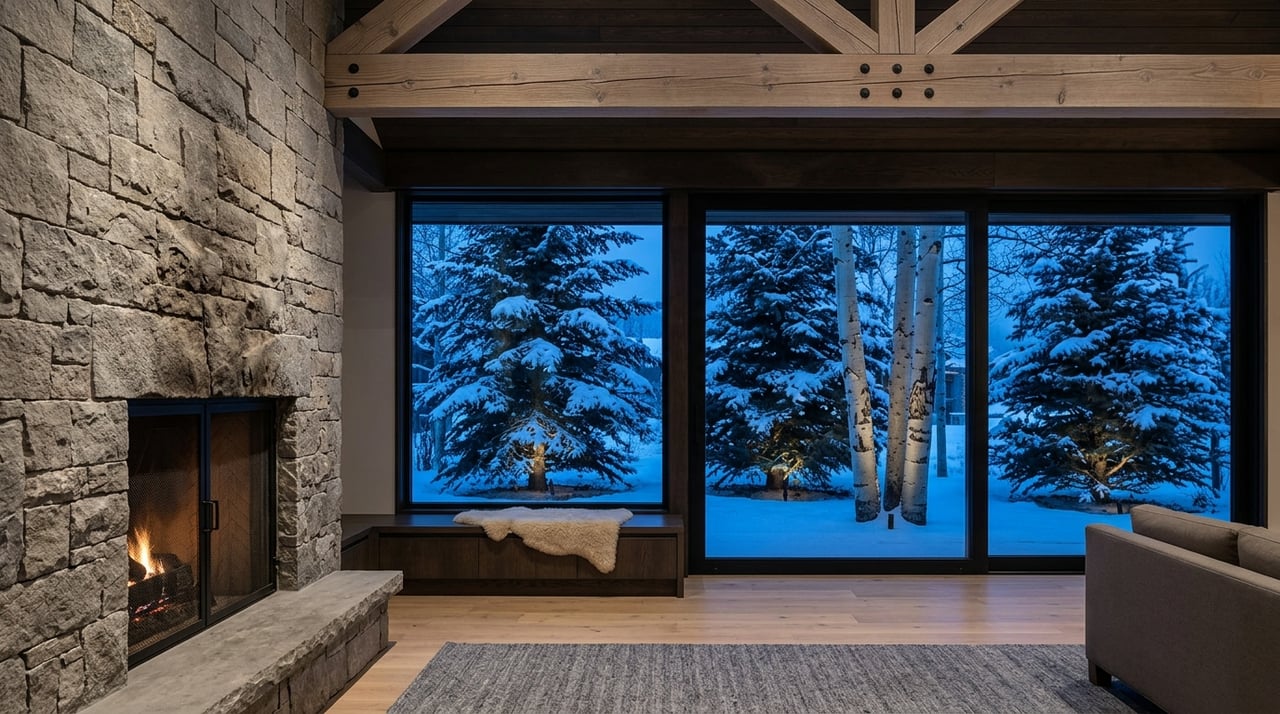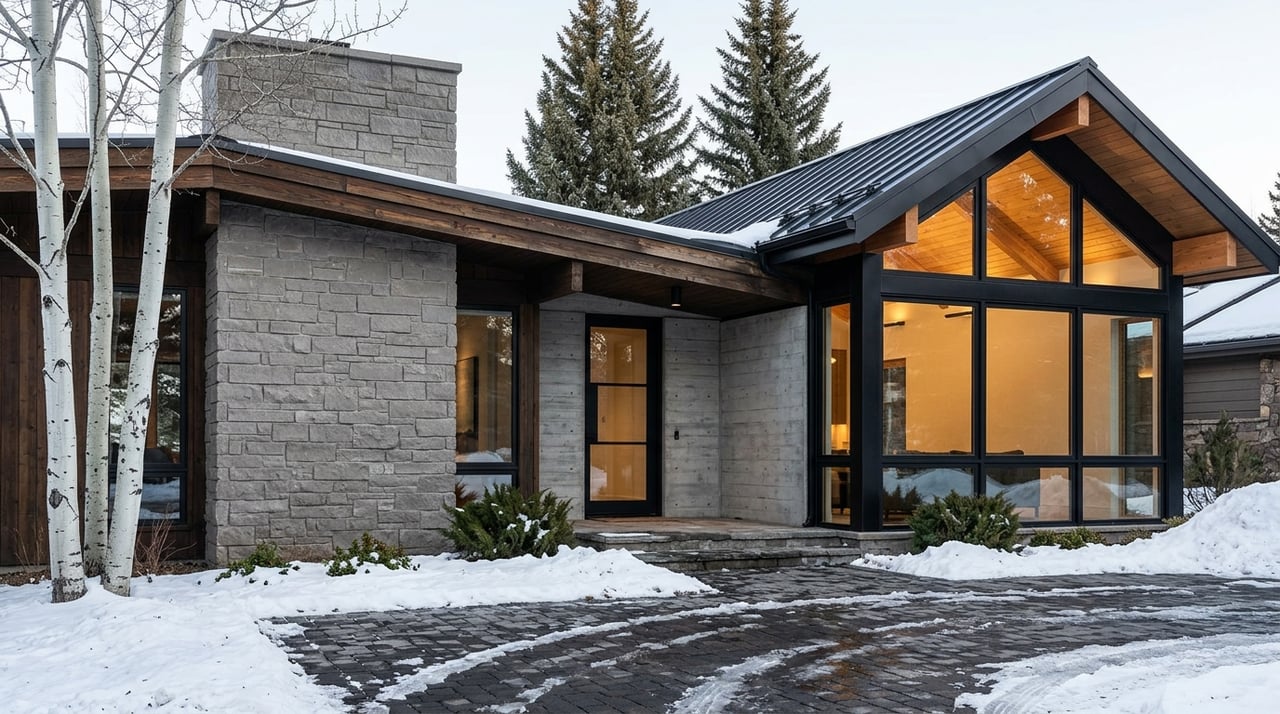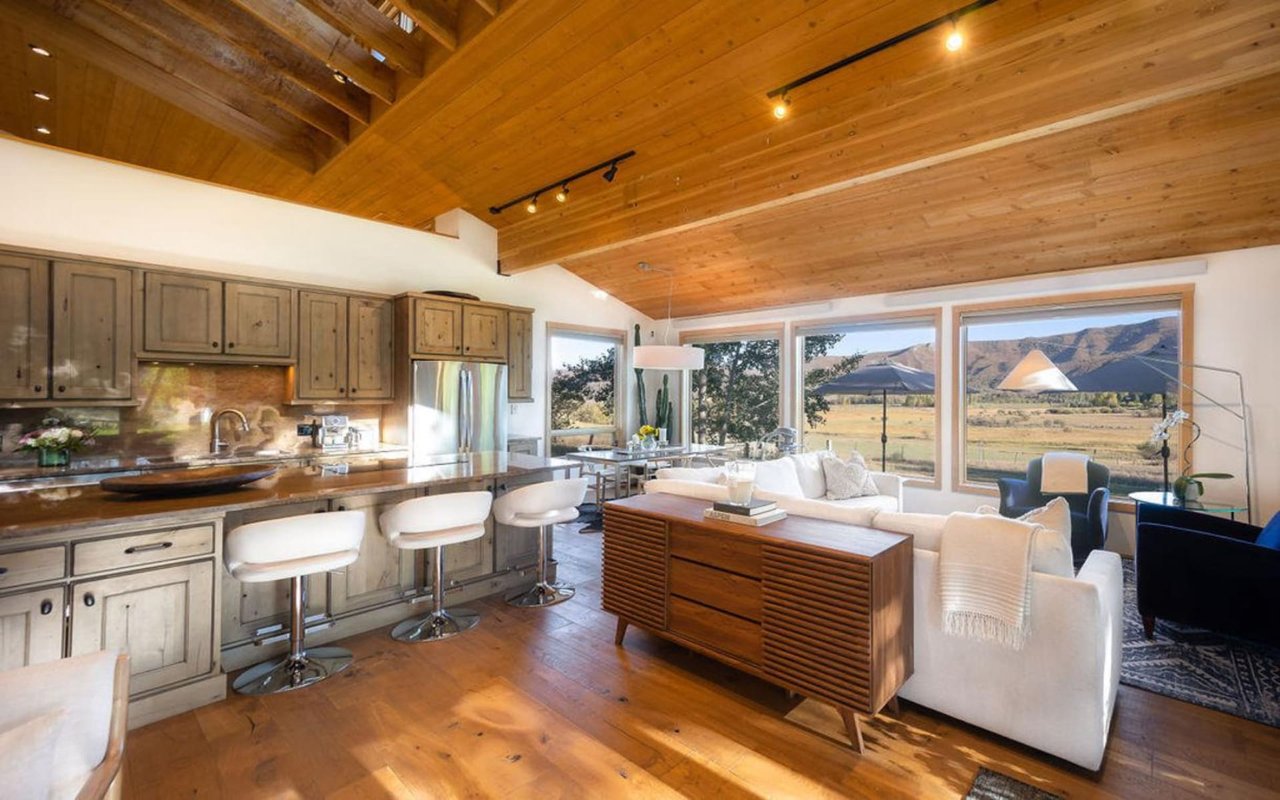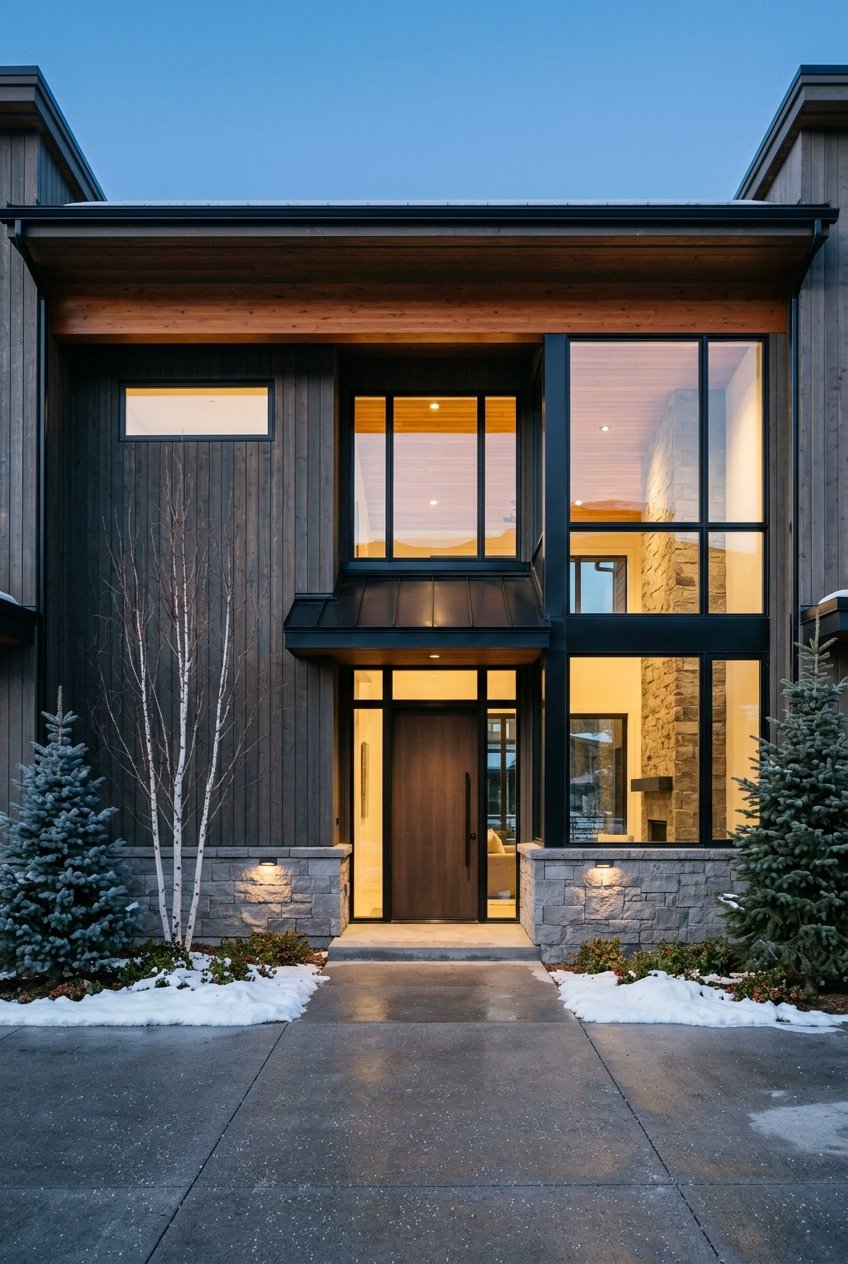
Trying to choose between a Central Core condo and a townhome? In Aspen’s downtown core, that decision affects far more than square footage. It shapes how you arrive, park, host, rent, remodel, and live day to day. If you want a clearer way to weigh convenience, privacy, flexibility, and long-term value, this guide will help you sort through the tradeoffs. Let’s dive in.
Why the Central Core feels different
In Aspen’s downtown core, walkability is a major part of the ownership experience. You are close to retail, restaurants, transit, and lodging, but that convenience comes with dense pedestrian activity and meaningful vehicle traffic. That means building access, loading, and parking logistics deserve just as much attention as finishes or views.
Parking rules also matter more here than many buyers expect. Downtown-core parking is metered and enforced from 10:00 a.m. to 6:00 p.m. with a 4-hour limit, and there is no parking from 3:00 a.m. to 7:00 a.m. for street cleaning and snow removal. If you plan to use your property often, host guests, or coordinate service providers, those details can influence daily ease in a very real way.
Condo vs townhome basics
At a high level, the choice often comes down to how much maintenance and decision-making you want the homeowners association to handle. Under Colorado’s common-interest ownership structure, many Aspen condos and townhomes are governed by an HOA. Associations generally handle common-area upkeep, unit exteriors, insurance, budgets, and rule enforcement, while owners are typically responsible for their own units unless the declaration says otherwise.
That is why a condo often appeals to buyers who want a simpler lock-and-leave experience. A townhome may feel more private and more house-like, but it can still come with substantial HOA obligations. In the Central Core, the difference is not simply attached versus detached living. It is really about the level of service, autonomy, and operational ease you want.
When a condo makes more sense
A condo is usually the stronger fit if you value convenience and predictable day-to-day management. In Aspen, that can be especially appealing if you want a second home that is easy to arrive at, enjoy, and leave behind without taking on as much direct maintenance responsibility.
Condos also tend to align well with buyers who care deeply about walkability and service. In the Core, pricing is influenced by HOA dues, amenities, front desk management, underground parking, and whether the unit is sold furnished. Those are not side features in this market. They are central parts of how buyers value the property.
Another practical point is resale liquidity. Market intelligence from the first half of 2025 showed 95 active Aspen Core condo listings, down from 137 in the first half of 2024, pointing to tighter inventory. The same report also noted that at least 50% of Aspen’s condos are 2-bedroom units, which helps explain why 2-bedroom layouts often sit near the center of buyer demand.
When a townhome may be the better fit
A townhome often suits you better if privacy and a more residential feel rank high on your list. You may also prefer the utility that can come with extra storage or garage space. In a high-traffic downtown setting, those features can materially improve how the property functions for owners and guests.
That said, it is important not to assume a townhome means full independence. In Aspen’s Core, a townhome can still sit within an HOA and still be affected by the same parking rules, rental restrictions, and historic-review considerations as a condo. The label may suggest more freedom, but the governing documents tell the real story.
Townhomes are also a different price tier in this market. In the first half of 2025, Aspen Core townhome and duplex sales averaged $11.31M, compared with average Core condo sale prices of $2.84M for 1-bedroom units, $3.22M for 2-bedroom units, $5.69M for 3-bedroom units, and $7.34M for 4-bedroom units. If you are comparing options, that gap helps frame expectations early.
HOA documents deserve close review
Whether you lean condo or townhome, the HOA package is one of the most important parts of your due diligence. Colorado guidance makes clear that associations commonly manage common elements, insurance, budgets, and rule enforcement. They may also levy special assessments for repairs, replacements, or new construction.
Before you move forward, pay close attention to:
- HOA dues
- Assessment history
- Management style
- Insurance coverage
- Parking rules
- Exterior maintenance responsibilities
- Any limits on rentals or furnishing requirements
In the Central Core, these items affect both your ownership experience and future resale appeal. A property with strong location but weak HOA fundamentals can feel very different once you are living with the monthly costs and operating constraints.
Rental strategy can change the decision
If rental income or flexibility matters to you, unit type alone is not enough. Aspen requires a city short-term rental permit for stays under 30 days. The Classic permit has no annual limit on rental nights, and current city guidance states there is no cap on STR-C permits in the Commercial Core zone district.
This is where details become critical. Individual owners at lodge or condo-hotel properties are not eligible for the Lodging Exempt permit and must use the Classic or Owner-Occupied pathway. So if you are buying with an investment lens, your decision should focus on building classification, zoning, and HOA documents just as much as whether the property is a condo or townhome.
A useful investor question is simple: can this property be legally and practically operated the way you expect? In the Core, the answer can have a direct impact on income potential, management burden, and resale positioning.
Remodeling in the Core may take more planning
Many buyers assume they can personalize a property after closing. In Aspen historic districts, that may require more process than expected. The city states that all exterior work, and even some interior work, must be reviewed and approved before work begins.
That matters for both condos and townhomes, especially if you are buying an older property with renovation plans. If your purchase decision depends on a remodel, the feasibility and timeline should be part of your analysis from the start. A well-located property is not automatically the right fit if your improvement plans face major review hurdles.
What drives value most
In a small, high-end market like Aspen, the condo-versus-townhome label matters, but it is not the only value driver. Market intelligence points to several factors that shape pricing in the Core.
Key value drivers in Aspen’s Core
- Downtown location
- Ski proximity
- Walkability
- Renovation quality
- Unit position within the building
- Views
- Parking
- Amenities
- HOA dues
- Front desk management
- Furnished versus unfurnished status
If you are thinking ahead to resale, this is the safest framework to follow. Prioritize location, building quality, HOA health, parking, and use rights first. Then weigh the lifestyle differences between a condo and a townhome.
A practical way to decide
If you are buying for personal use, ask yourself how you want the property to function on your busiest days. Do you want easy arrivals, easy departures, and support built into the ownership experience? Or do you want more privacy and utility, even if that comes with a bit more complexity?
If you are buying as an investment or hybrid-use property, shift the focus. Confirm the rental pathway, operating rules, parking setup, and management expectations before you let aesthetics drive the decision. In Aspen’s Core, legal and practical use rights often matter as much as the floor plan.
Quick comparison guide
| Priority | Condo may fit better | Townhome may fit better |
|---|---|---|
| Lock-and-leave ease | Often yes | Sometimes |
| Privacy | Moderate | Often stronger |
| Service level | Often higher | Varies by HOA |
| House-like feel | Less common | More common |
| Storage or garage utility | Varies | Often stronger |
| Walkable lifestyle | Often strong | Often strong |
| Rental planning | Depends on building, zoning, and HOA | Depends on building, zoning, and HOA |
| Remodel flexibility | Depends on HOA and city review | Depends on HOA and city review |
In other words, there is no universal winner. The right choice depends on how you plan to live in the property, what level of management you want, and how important rental or renovation flexibility is to your long-term goals.
In Aspen’s Central Core, the smartest purchases usually come from matching the property’s real-world function to your priorities. If you want a discreet, highly tailored strategy for comparing Core condos and townhomes, Dayna + Mandy can help you evaluate location, HOA structure, use rights, and long-term market position with the level of care these purchases deserve.
FAQs
What is the main difference between a Central Core condo and a townhome in Aspen?
- In Aspen’s Core, the biggest difference is often the ownership experience rather than the structure itself. Condos usually offer more shared services and easier lock-and-leave use, while townhomes often provide more privacy and a more residential feel, though both may still be governed by an HOA.
What should you review in an Aspen HOA before buying a condo or townhome?
- You should review HOA dues, assessment history, management style, insurance coverage, parking rules, and maintenance responsibilities. These details can affect both your monthly costs and how easy the property is to use and resell.
Can you short-term rent a Central Core condo or townhome in Aspen?
- Potentially, yes, but Aspen requires a city short-term rental permit for stays under 30 days. Your options depend on the property’s zoning, building classification, and HOA rules, so rental strategy should be verified before you buy.
Do Aspen historic district rules affect condo and townhome remodels?
- Yes. In Aspen historic districts, all exterior work and some interior work must be reviewed and approved by the city before work begins, which can affect renovation plans, timelines, and costs.
What affects resale value for Aspen Core condos and townhomes?
- Key factors include downtown location, ski proximity, walkability, renovation quality, views, parking, amenities, HOA dues, front desk management, and whether the property is furnished. The property type matters, but these features often drive value more directly.
Are Aspen Core townhomes always easier to own than condos?
- Not necessarily. A townhome may feel more private and more house-like, but it can still be inside an HOA and subject to the same rules around parking, rentals, and exterior changes. The governing documents are more important than the label alone.