Thinking about Red Mountain in Aspen and wondering why one ridge parcel commands a premium while another sits longer on the market? You want the privacy, views, and proximity to town that make this area famous, but you also want clarity on what truly drives value. In this overview, you’ll learn how view corridors, buildability, access, and regulations shape pricing on Red Mountain so you can focus on the right properties. Let’s dive in.
What makes Red Mountain unique
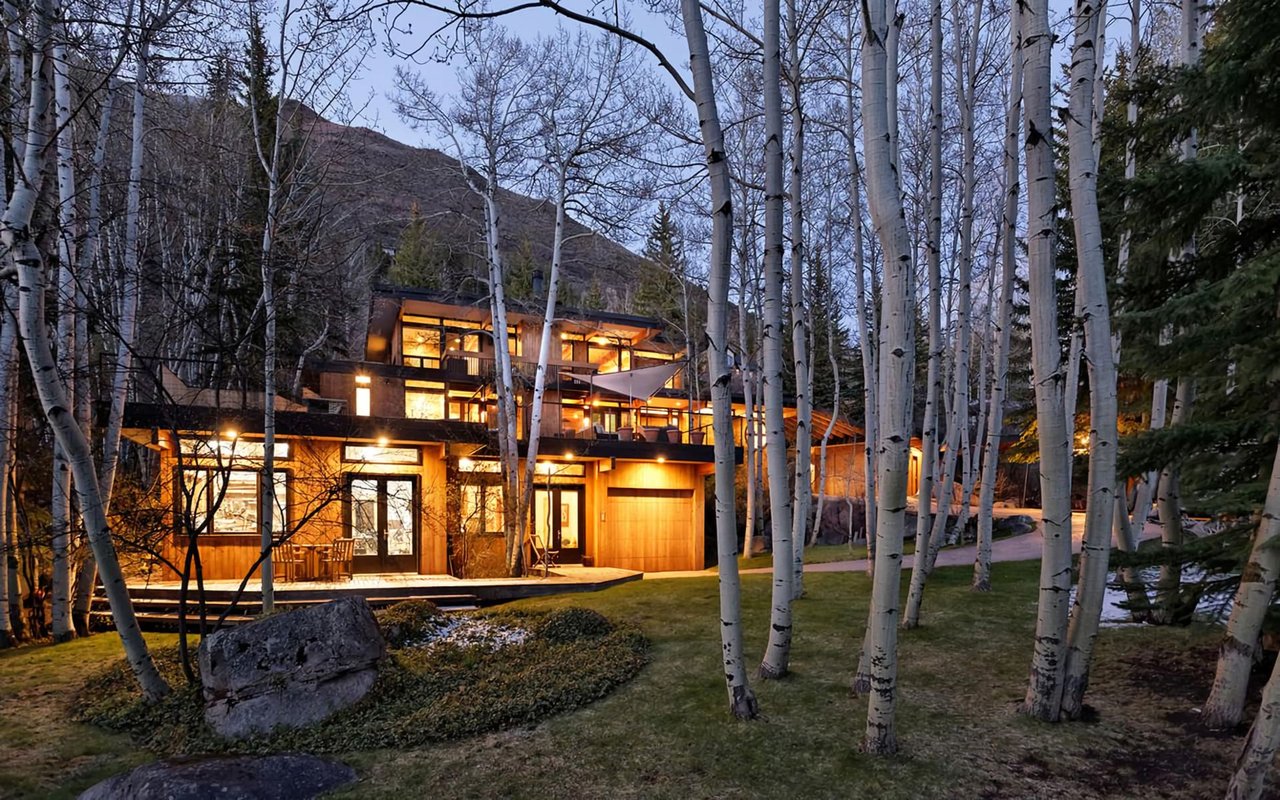
Red Mountain is a high-end residential enclave perched above downtown Aspen in Pitkin County. Elevated sites deliver long-range mountain and valley vistas with a quiet, estate-like feel. Compared with more central neighborhoods, you trade walkability for privacy, views, and a short drive to Aspen’s core.
For ultra-high-net-worth and second-home buyers, the top value drivers are clear: view quality and orientation, lot usability, winter access, and regulatory constraints. Acreage matters, but on Red Mountain, topography and view permanence often matter more.
Geography and topography
Red Mountain sits on the slopes above Aspen and the Castle Creek valley at elevations higher than downtown. Parcels range from modest slopes to very steep mountain lots. Elevation brings more snow and colder temperatures, which influences build cost and access planning.
- Upper-slope and ridge lots maximize panoramic views and privacy but often require heavier site work, grading, and stormwater management.
- Lower-slope or bench parcels can be easier to build and maintain shorter driveways, though rising tree canopies or future structures may affect views over time.
- Exact elevation and slope conditions vary by parcel. Verify details with Pitkin County GIS and an on-site assessment.
Lot sizes and buildability
You’ll find a mix of smaller parcels near main roads and larger estates set into the upper slopes. Luxury holdings often range from 1 to 5 acres or more, sometimes assembled from multiple lots. Buildability depends on the usable building envelope, not just total acreage.
- Steep-slope restrictions, setbacks, height limits, and required mitigation can shrink usable area.
- Steeper terrain increases per-square-foot construction costs.
- Winter logistics matter: driveway grade, snow storage, and turnarounds influence day-to-day use and emergency access.
- Some properties may need utility extensions or onsite systems; plan for potential cost and timeline impacts.
Views and orientation
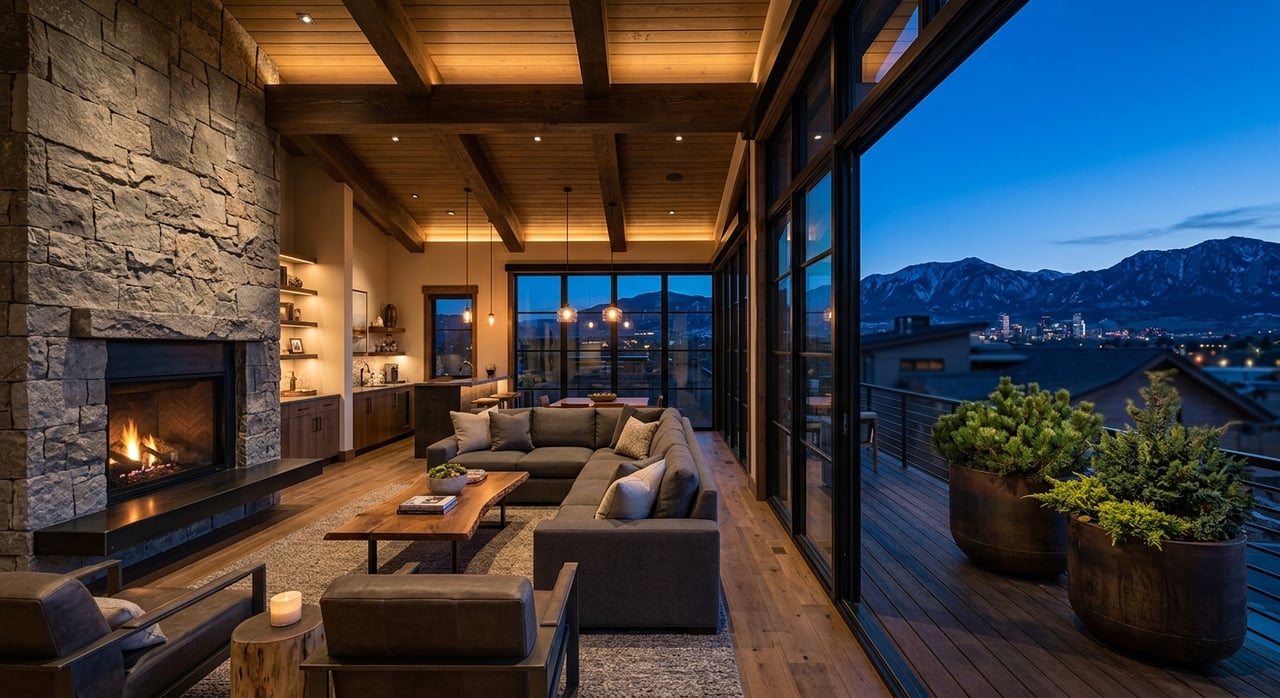
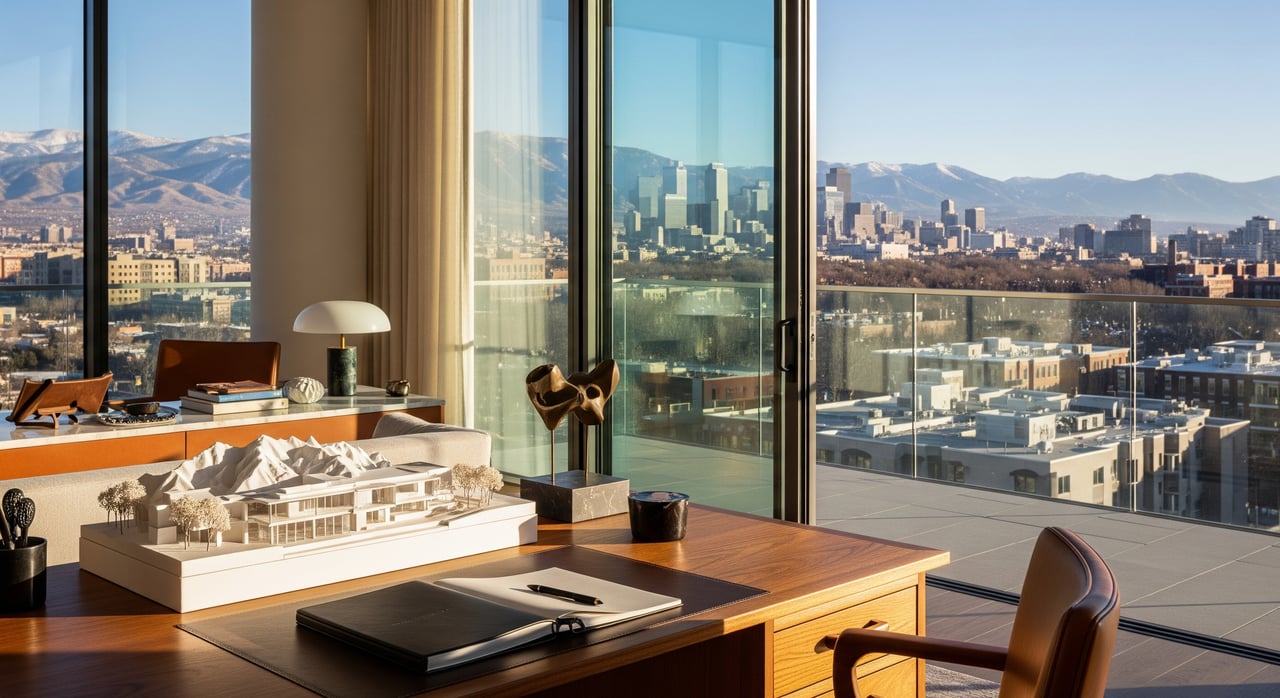
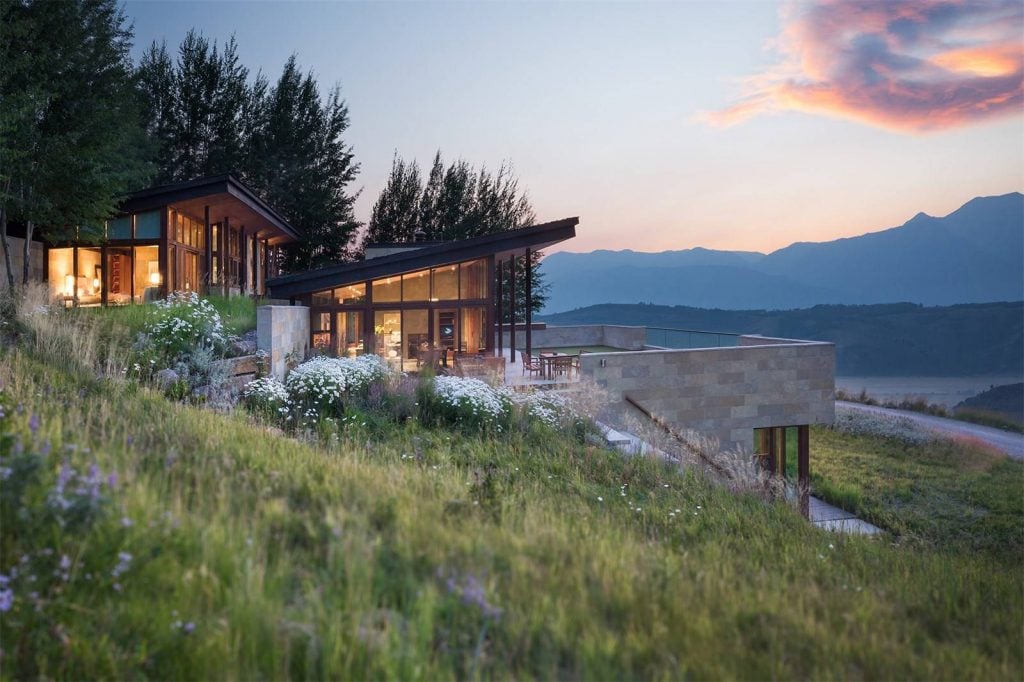
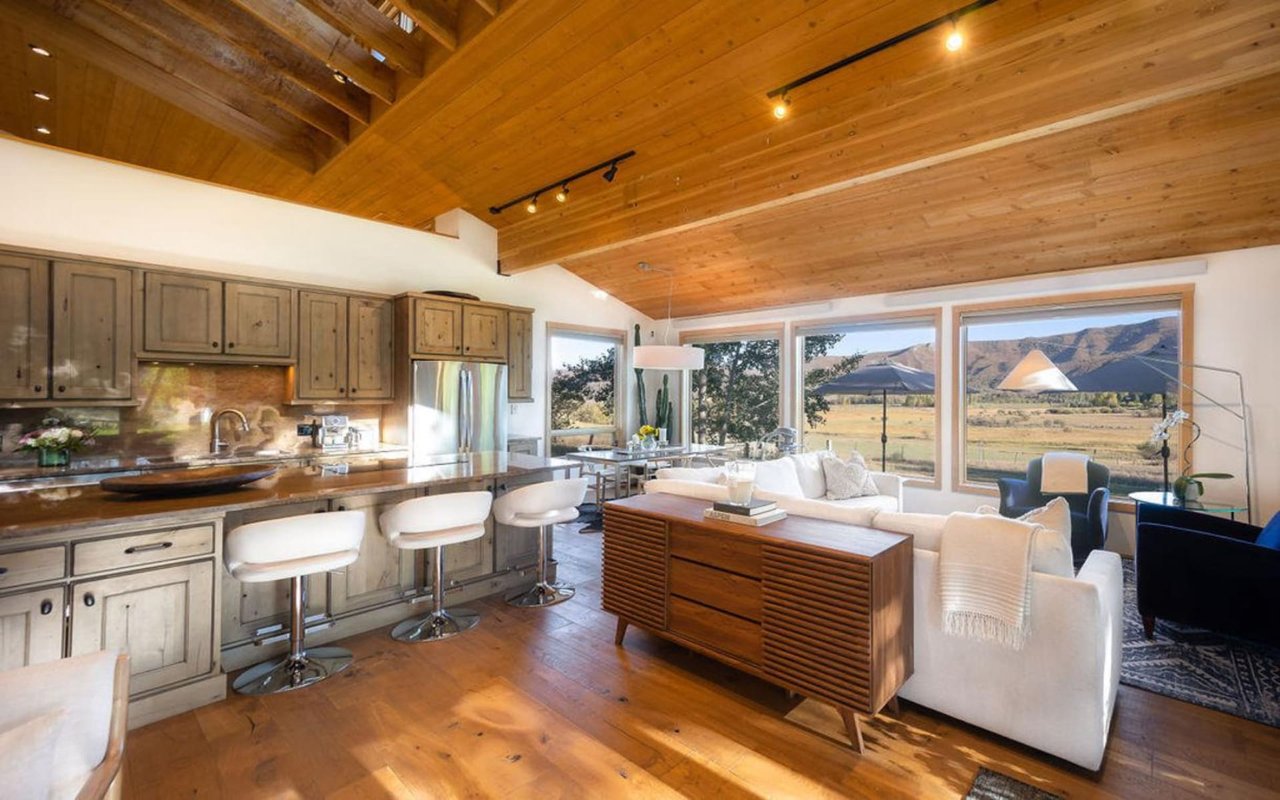
View quality is the Red Mountain hallmark. Buyers pay premiums for unobstructed, panoramic ridgelines, ski-run views, and sweeping valley scenes. Orientation also matters. Southern and southwestern exposures usually command higher prices for better sun and faster snow melt, while east-facing sites favor morning light but may lose afternoon warmth.
View permanence is critical to long-term value. You should confirm whether neighboring parcels have remaining development rights, whether tree growth could impact sightlines, and whether any recorded view easements exist. Parcels above likely future builds or with documented view protections are often worth more.
Privacy and neighborhood character
Privacy on Red Mountain comes from elevation, setbacks, vegetation, and estate-scale parcels. The area is primarily residential with large, custom homes. Where present, covenants or HOAs may guide aesthetic standards, lighting, and gates. If staff quarters or guest homes are important, confirm what is permitted within the specific zoning and any recorded covenants.
Access to Aspen amenities
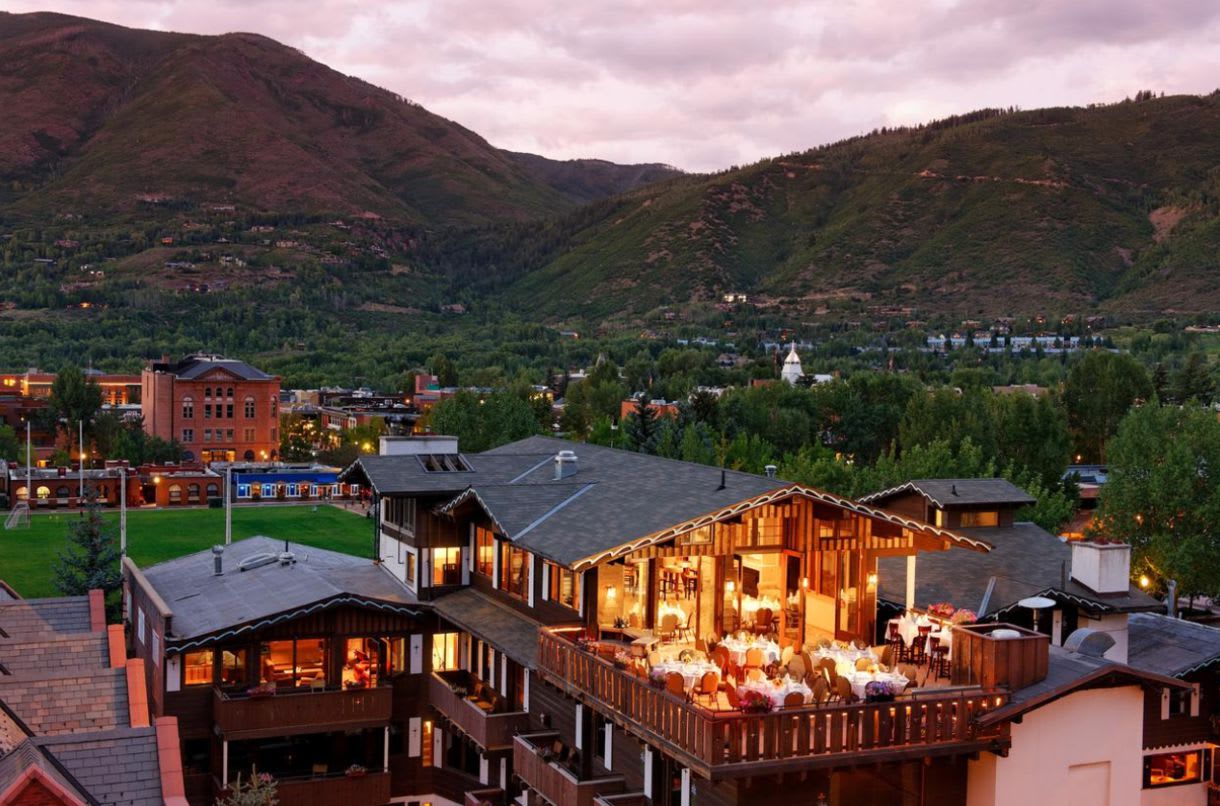
While you are not steps from the gondola, Red Mountain offers a short drive to downtown shopping, dining, and Aspen Mountain. Ski access is typically by car or shuttle rather than on foot. During winter months, travel time depends on parcel location and road conditions, which reinforces the importance of driveway design and plowing plans.
Regulations and constraints
Pitkin County controls subdivision, building permits, and density for most of Red Mountain, with the City of Aspen involved for parcels inside city limits. Zoning and the Land Use Code regulate allowable floor area, height, setbacks, and steep-slope development.
You should also evaluate recorded conservation or scenic easements that may limit development while protecting the natural character and views. In select areas, there may be overlays for habitat or riparian protection. Always confirm parcel-specific constraints with county officials and a local land-use professional.
Environmental risks and logistics
Western Colorado’s mountain environment requires careful planning. Wildfire risk influences insurance availability and cost, and often triggers mitigation requirements like defensible space and material choices. On steep ground, engineered drainage and stormwater retention are common permit conditions. Geotechnical studies can identify soil stability issues and foundation needs before you commit to a design or purchase.
Utilities and carrying costs
Some Red Mountain properties connect to municipal water and sewer, while others rely on wells, onsite wastewater systems, or longer utility runs. Overhead versus underground lines affect both aesthetics and resiliency. Expect meaningful absolute property tax amounts given asset values, plus potential HOA fees, private road costs, or conservation assessments. Verify tax history with the Pitkin County Assessor.
Pricing drivers and market dynamics
Red Mountain competes with more central Aspen neighborhoods by offering privacy, views, and a short drive to amenities. The buyer pool is discerning and narrower at the ultra-luxury level, so holding periods may be longer. Pricing hinges on a clear set of determinants:
- Highest-value traits: unobstructed panoramic views, large usable flat pads, southern exposure, direct privacy, and proximity to downtown.
- Cost modifiers: slope severity, long utility extensions, conservation easements, wildfire hardening, and recorded development constraints.
- Liquidity: estate-scale parcels are less liquid; comps require careful adjustment for view, buildability, and access.
Who buys on Red Mountain
Typical buyers include UHNW individuals seeking privacy and long-range views, second-home owners who want a short commute to town, and legacy-minded families planning custom estates. Many prioritize security, privacy, and the flexibility to add guest facilities or staff quarters where allowed.
How to evaluate a parcel
Approach Red Mountain like a bespoke project. Start with your must-haves, then verify the site can deliver them without compromising budget or timeline.
- Define your view goals. Be specific about orientations, landmarks, and the extent of panorama you want.
- Confirm view permanence. Check adjacent development rights, vegetation plans, and any available view easements.
- Assess buildability. Evaluate slope, building envelope, and mitigation needs with your architect and engineer.
- Plan winter operations. Model driveway grades, snow storage, and service routes for staff and guests.
- Map utilities. Get preliminary cost estimates for water, wastewater, power, and telecom.
- Review regulation and title. Align allowable square footage, setbacks, and any easements with your program.
- Model total cost of ownership. Include site work, foundations, utilities, insurance, taxes, and road or HOA obligations.
- Compare comps carefully. Adjust for view quality, orientation, buildability, and access, not just acreage or bedroom count.
Buyer due-diligence checklist
Use this list to structure your discovery and de-risk decisions:
- Title and recorded encumbrances: easements, covenants, conservation instruments, and rights of way.
- Zoning and building constraints: allowable floor area, height, setbacks, steep-slope rules, and required mitigation. Coordinate with county planners.
- Current ALTA/NSPS survey: confirm boundaries, setbacks, envelopes, and encroachments.
- Geotechnical and soils report: slope stability, bearing capacity, and retaining-wall requirements.
- Utility availability and costs: water source or rights, sewer versus septic, electric and telecom extensions with estimates.
- Access and winter logistics: driveway grade, plowability, emergency access, and maintenance responsibilities.
- Wildfire risk and mitigation: defensible space, fuel breaks, and materials aligned with local guidance.
- View permanence: adjacent development rights, tree growth implications, and potential for view easements.
- Full build and site-work budget: grading, retaining walls, foundations, utility runs, driveway construction, landscaping, permits, and mitigation.
- Insurance and taxes: property tax history, special assessments, and insurability, including wildfire coverage.
- Services and staffing: feasibility of local staff housing, guest accommodations, and service logistics.
What to expect during ownership
Expect strong privacy, sweeping scenery, and a quick drive to Aspen’s core. At the same time, plan for seasonal operations, including snow management, periodic forestry work for wildfire mitigation, and ongoing maintenance for longer private drives and utility infrastructure. Thoughtful planning at purchase often leads to smoother ownership.
The bottom line
On Red Mountain, the best investments start with clear priorities and parcel-level verification. Focus on view quality and permanence, usable building area, winter access, and recorded constraints. When you align these with your program and budget, you gain confidence in both lifestyle and long-term value.
If you want a private, high-touch strategy for Red Mountain, I can coordinate parcel tours, engage the right local experts, and negotiate under tight timelines and terms to protect your interests.
Ready to explore Red Mountain with discretion and clarity? Connect with Dayna + Mandy - Mandy Welgos to start the conversation.
FAQs
What is Red Mountain in Aspen and why is it desirable?
- It is a high-end residential area above downtown Aspen known for panoramic views, privacy, estate-scale parcels, and a short drive to town amenities.
How do views on Red Mountain affect property value?
- Buyers pay premiums for unobstructed, panoramic views with southern or southwestern exposure, and for parcels with stronger view permanence.
What are the biggest buildability challenges on steep lots?
- Steep slopes reduce usable area and increase costs for grading, foundations, retaining walls, and engineered stormwater solutions.
How winter-accessible are Red Mountain properties?
- Roads are generally accessible, but steeper private drives can require careful design, snow storage planning, and clear plowing responsibilities.
Are Red Mountain views protected by default?
- No, view protection depends on recorded easements, adjacent development rights, and vegetation; legal view easements are not automatic.
What unexpected costs should buyers plan for on Red Mountain?
- Common surprises include long utility extensions, slope excavation and retaining, stormwater mitigation, wildfire hardening, and extended permitting timelines.
What utilities and services might require extra due diligence?
- Water source or rights, sewer versus septic feasibility, power and telecom extensions, and responsibility for private road maintenance and plowing.