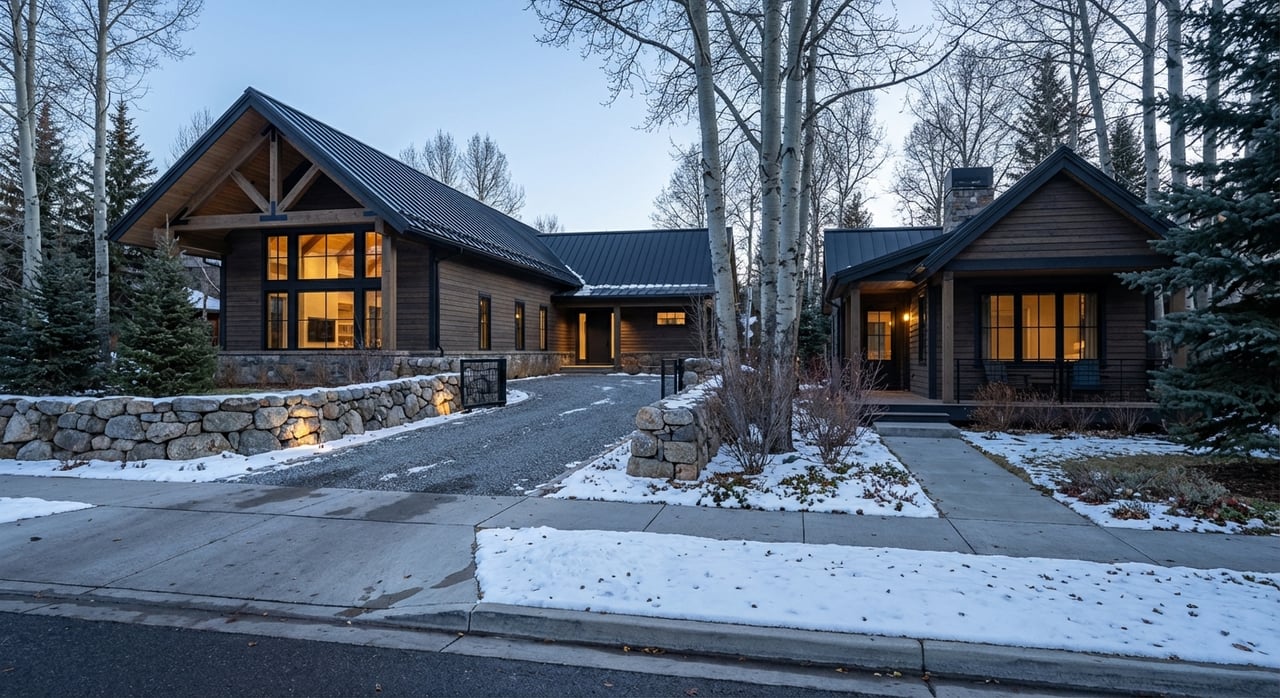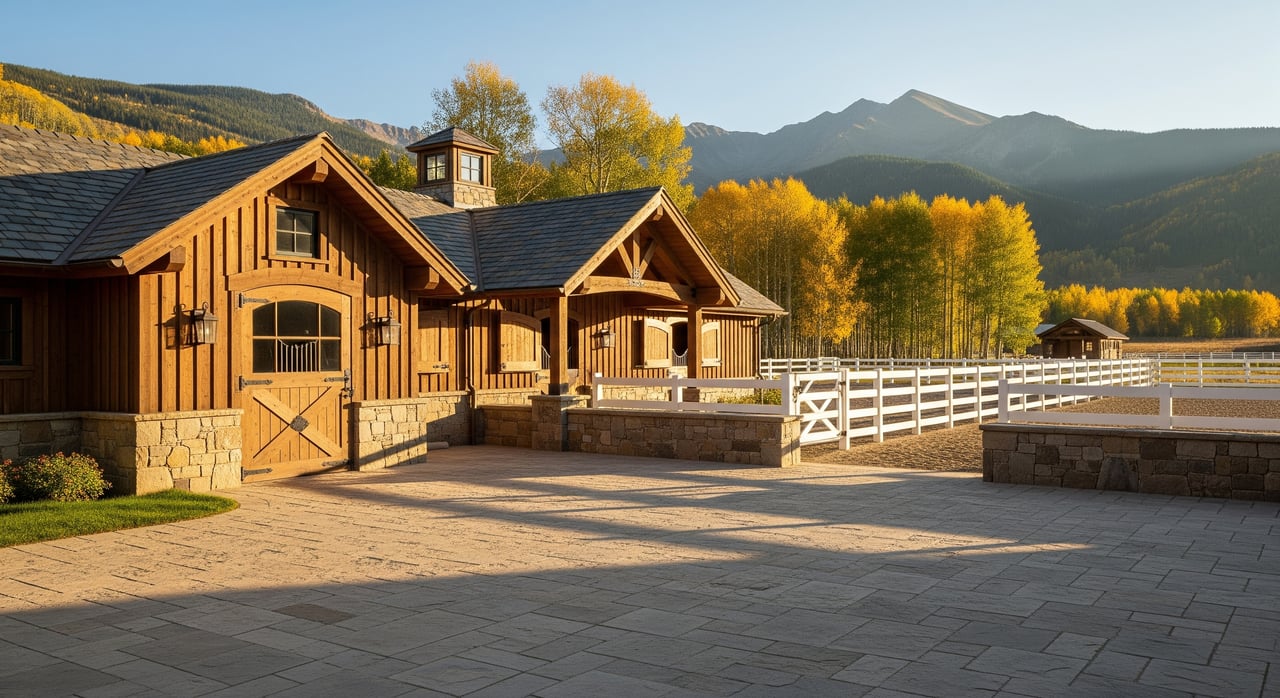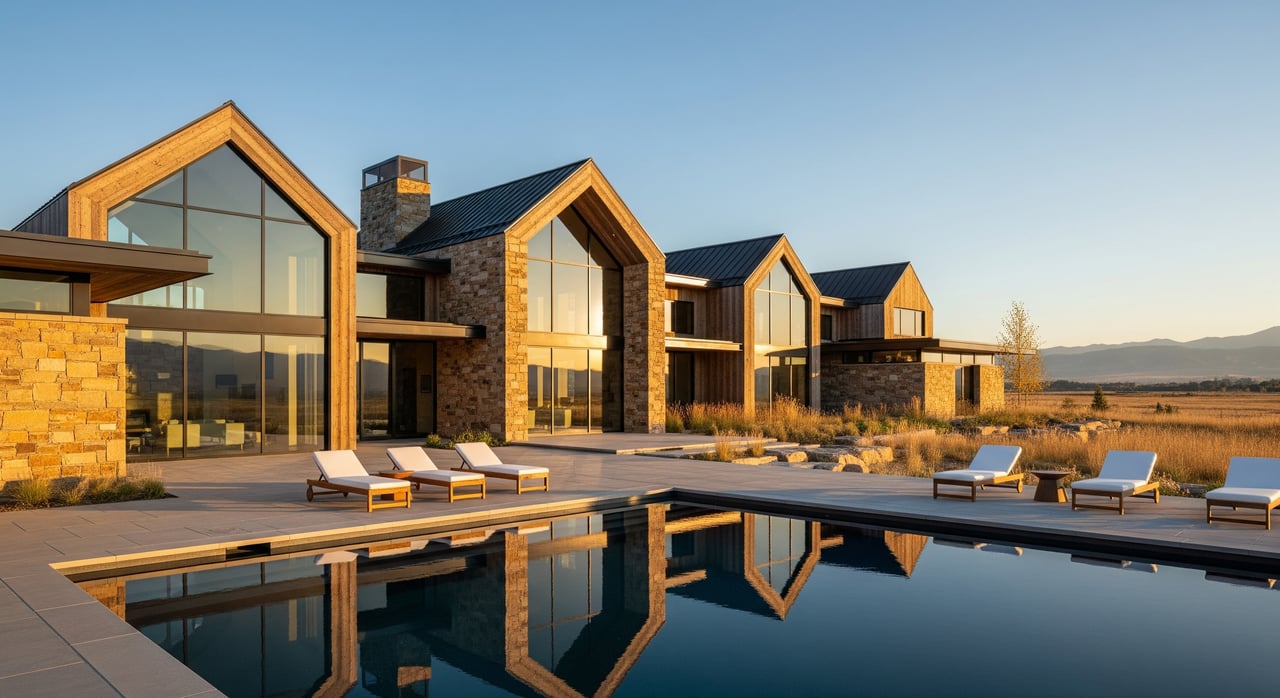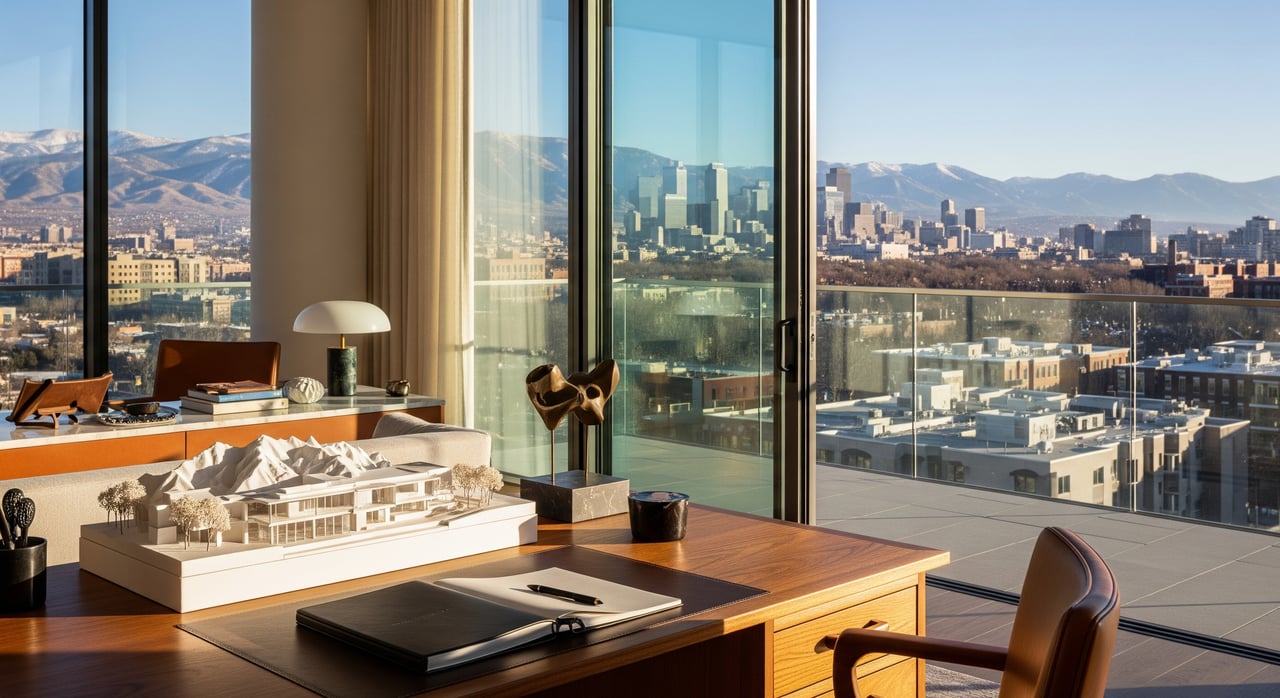
If your ideal day starts with coffee, a short stroll, and first tracks on Aspen Mountain, the Central Core may be your perfect fit. This compact downtown district blends alpine energy with small‑town ease, where errands, dining, galleries, and lifts sit within minutes of your door. You want to know what daily life really feels like, how the housing works, and whether the tradeoffs match your lifestyle. Here is a clear, on‑the‑ground look at living in Aspen’s Central Core so you can decide with confidence. Let’s dive in.
Central Core at a glance
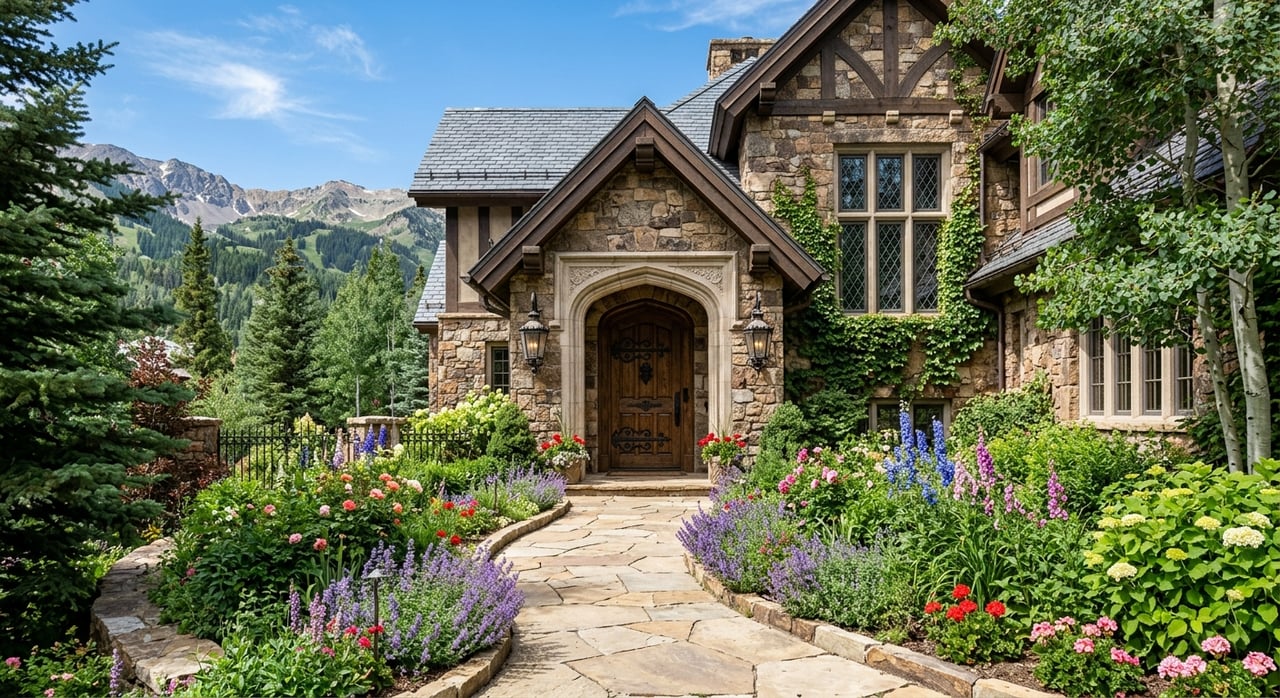
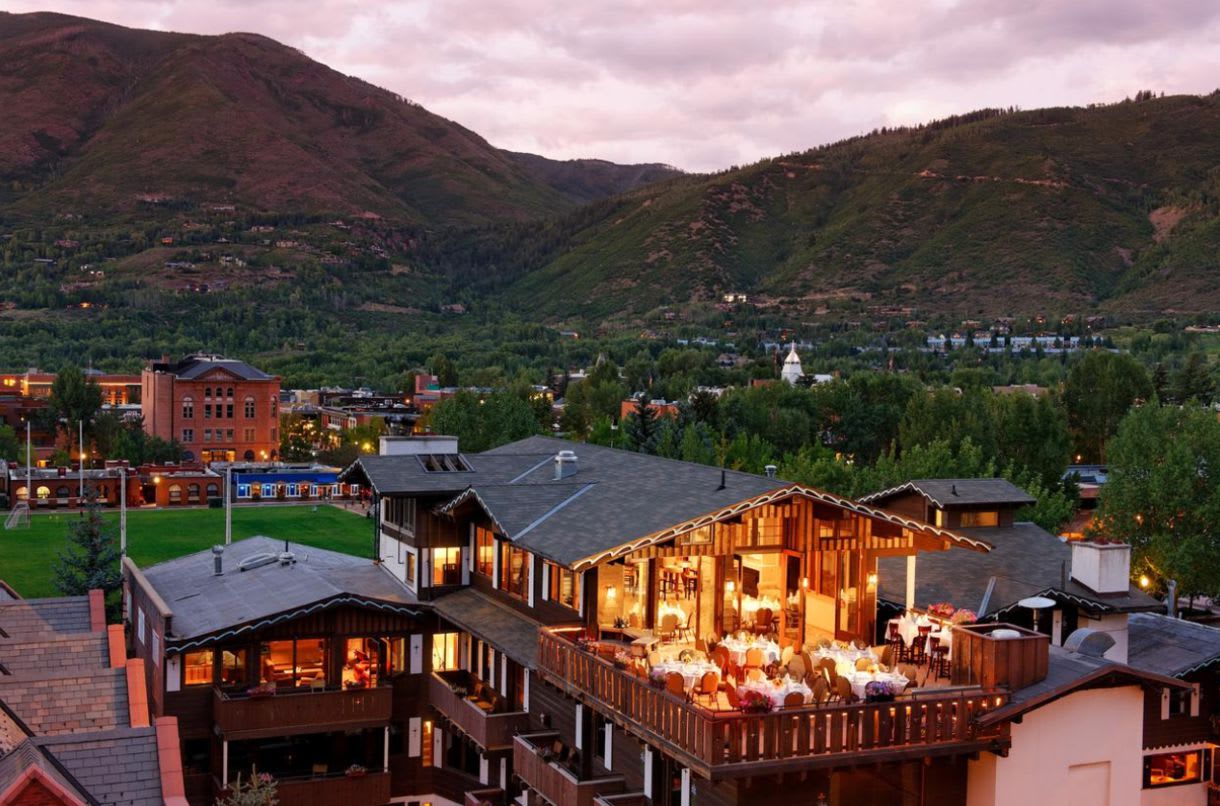
The Central Core refers to downtown Aspen’s historic grid centered on Main Street and the Galena, Cooper, and Ute corridors at the base of Aspen Mountain. You will find a mix of preserved Victorian façades, boutique condo buildings, and lively pedestrian streets. Cultural anchors such as the Aspen Art Museum and the Wheeler Opera House create a year‑round rhythm of events. Aspen’s year‑round population is small, and the Core swells during winter and summer, giving the neighborhood a vibrant, seasonal cadence.
Walkability and daily conveniences
Downtown living here is defined by walkability. Most daily needs are a short walk from home, including specialty markets, cafés, banking, fitness, and services. Many residents rely on walking, biking, and local shuttles for routine trips, especially during peak seasons. Because winter can be intense and parking is limited, delivery services and local taxis often stand in for car-heavy errands.
Transit and connectivity
Local transit is strong for a mountain town. Regional buses connect Aspen with Snowmass Village, Basalt, and Carbondale, while in‑town routes and seasonal shuttles make short hops easy. Air access is close by at Aspen/Pitkin County Airport, with seasonal and year‑round flights to major hubs. For road trips, State Highway 82 is the main artery, and Independence Pass is seasonal, so winter travel requires planning.
Dining, nightlife, and culture
The Central Core is Aspen’s dining and culture hub. You will find chef‑driven restaurants, classic après spots, and neighborhood cafés, with reservations wise in high season. Pricing reflects the resort setting and premium demand. The calendar is busy year‑round, from concerts and film to gallery openings, with the Wheeler Opera House and the Aspen Art Museum anchoring the scene.
The energy picks up in winter and again in summer during marquee events like the Aspen Music Festival and other institute and film programming. Between seasons, you will still enjoy a lively downtown with easier reservations and a more local pace.
Mountain and outdoor access
Living in the Central Core puts Aspen Mountain at your feet. Many residents walk to the base or take a short shuttle to the lifts. Other ski areas, including Aspen Highlands, Buttermilk, and Snowmass, sit a short drive or bus ride away. Full ski‑in/ski‑out for single‑family properties is uncommon in the historic core, but ski‑to‑door convenience is a defining advantage.
In summer, trailheads, river access, and parks are minutes from downtown. You can hike and bike right from town and plan day trips to iconic alpine destinations like the Maroon Bells, where access is managed and often requires a shuttle or permit during peak times. If you have a dog or kids, small parks and river paths in and near the Core offer easy outdoor time without getting in the car.
Housing options in the Core
You will see a variety of property types in a compact area:
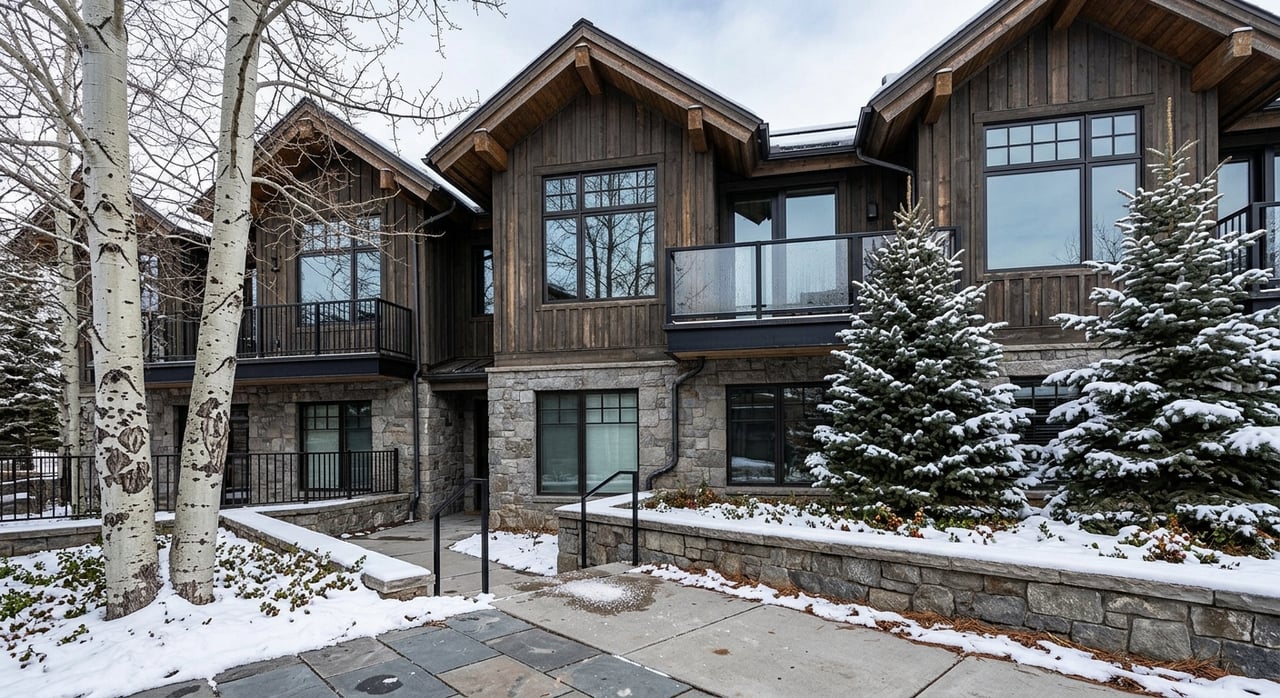
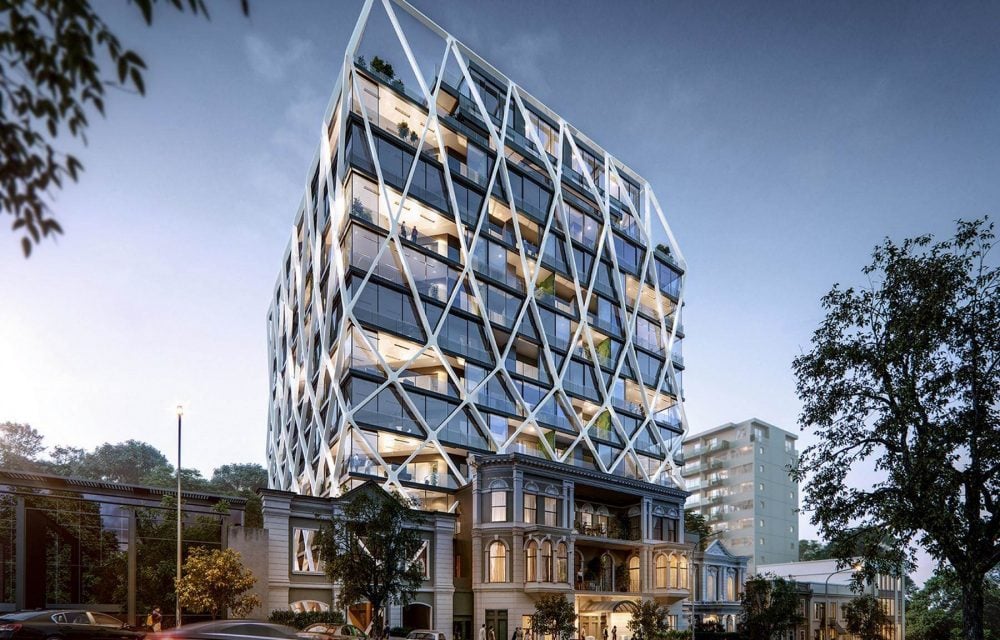
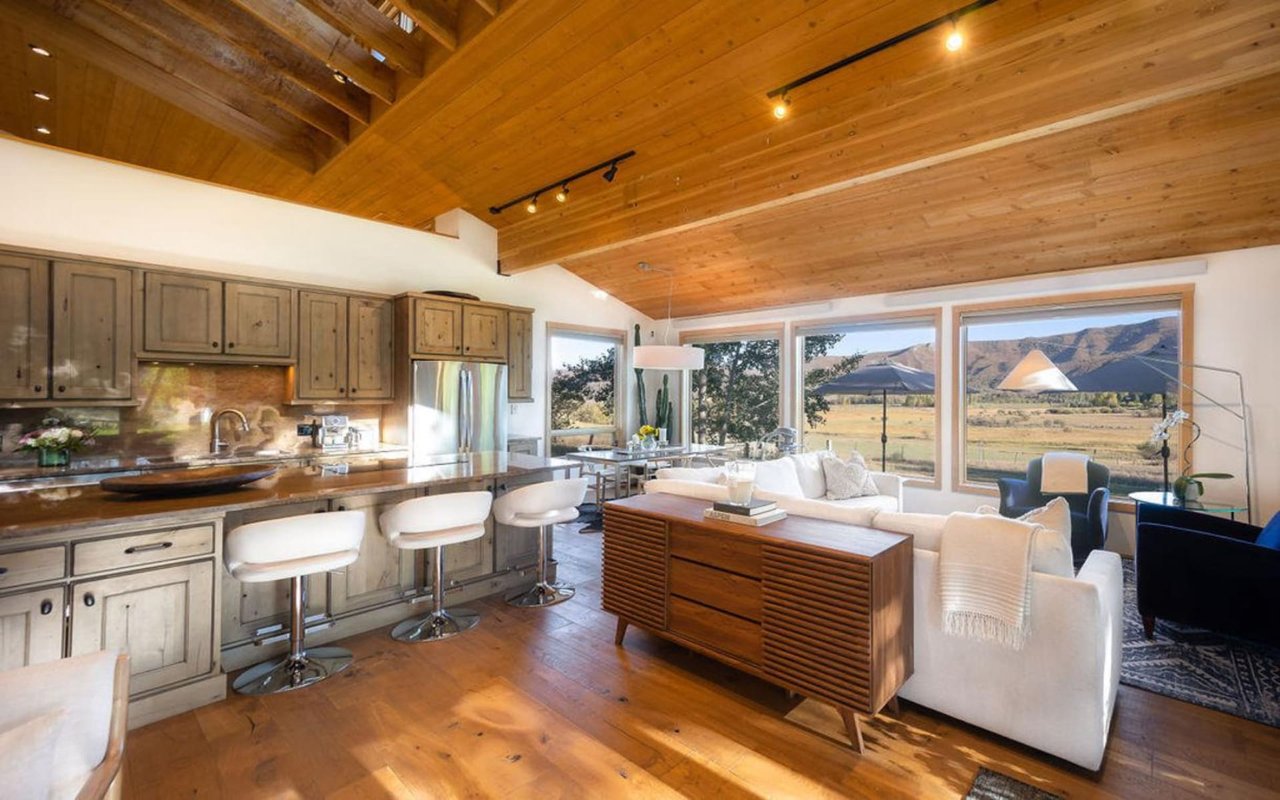
- Condominiums and stacked flats. These range from boutique conversions to new luxury residences and penthouses. Many emphasize concierge services and lock‑and‑leave convenience.
- Historic single‑family homes. Victorian‑era houses exist but are limited and command premium pricing.
- Mixed‑use buildings. Retail at street level with residences above is common across the downtown grid.
- New development. Height and design review shape what can be built, so supply stays tight and generally high‑end.
Who tends to buy here
- Second‑home owners who value a walkable, concierge lifestyle near lifts and culture.
- High‑net‑worth residents and families who prioritize town services and community access.
- Empty‑nesters and retirees who prefer an easy, car‑light daily routine.
- Remote professionals who split time and want a central, connected base.
Price positioning and carrying costs
The Central Core ranks among the most expensive residential markets in the country. Condos can serve as entry points for second‑home ownership, but most downtown residences trade at luxury price levels. Because buyers are often out‑of‑state or international, activity can be seasonal and inventory niche, which influences time on market.
HOAs, taxes, and insurance
Expect higher HOA dues for buildings that include concierge, snow removal, maintenance, and amenities. Property taxes reflect assessed value, so premium sale prices translate to proportionally higher tax bills. Insurance can be shaped by alpine weather and regional wildfire risk, so review coverage, mitigation, and building systems during due diligence.
Practical tradeoffs to expect
Every neighborhood has tradeoffs. Here are the key ones in the Central Core:
- Parking is limited. Many properties have deeded or permit‑based solutions, and guest parking can be tight.
- Noise and crowds rise in peak seasons and during major events. Quieter streets exist, but this is an active downtown.
- Cost of living is premium. Goods and services reflect mountain logistics and high local wages.
- Winter logistics matter. Plan for snow management, storage, and vehicle prep if you keep a car.
Buying tips for Central Core properties
Use this quick checklist as you evaluate options:
- Confirm parking. Ask for exact allocations, guest provisions, and any permit rules.
- Inspect heating and mechanicals. Older Victorians and some boutique buildings can have different systems and insulation.
- Review HOA budgets and reserves. Understand service levels, reserve studies, shuttle or concierge contracts, and capital plans.
- Confirm accessibility. Streets can be compact and steep. Consider mobility needs and elevator access.
- Verify rental rules. Short‑term rental licensing and zoning are strict and evolving. Confirm current allowances before you count on income.
- Assess lifestyle fit. The Core is social and event‑driven. Make sure the rhythm matches what you want from your mountain home.
Is Central Core right for you?
Choose the Central Core if you value walkability, immediate ski and cultural access, and a lock‑and‑leave lifestyle over large private grounds. It is ideal if you want the mountain outside your door, world‑class dining down the block, and a vibrant calendar year‑round. If you prefer absolute quiet, expansive yards, or abundant private parking, consider nearby residential pockets while keeping the Core as your daily playground.
If you are weighing specific buildings, amenities, or micro‑blocks, I can help you compare options and navigate the nuances that do not show up on a map. For discreet guidance and a tailored search, start a private consultation with Dayna + Mandy - Mandy Welgos.
FAQs
Can you ski from downtown Aspen’s Central Core?
- Aspen Mountain’s base is adjacent to downtown, so you can walk to lifts or take a short shuttle. Full private ski‑in/ski‑out single‑family homes in the historic core are uncommon.
Are Central Core condos good for lock‑and‑leave ownership?
- Many downtown condos are designed for lock‑and‑leave living with concierge or on‑site management. Verify specific HOA services and rules for each building.
Are short‑term rentals allowed in downtown Aspen?
- Regulations are strict and subject to change. Licensing and local zoning apply, so confirm current city and county requirements before assuming rentals are permitted.
Is year‑round living practical in the Central Core?
- Yes. Many residents live downtown all year, but plan for seasonal crowds, premium costs, and winter logistics like snow management and vehicle prep.
What should I know about parking for residents and guests?
- Street and garage options are limited, and rules vary by property. Ask for details on deeded spaces, guest availability, and any permit programs before you buy.
How convenient is air and road access from the Core?
- Aspen/Pitkin County Airport offers nearby commercial service with seasonal and year‑round flights, while Denver is the primary national gateway by car. Highway 82 is the main route, and Independence Pass is seasonal.