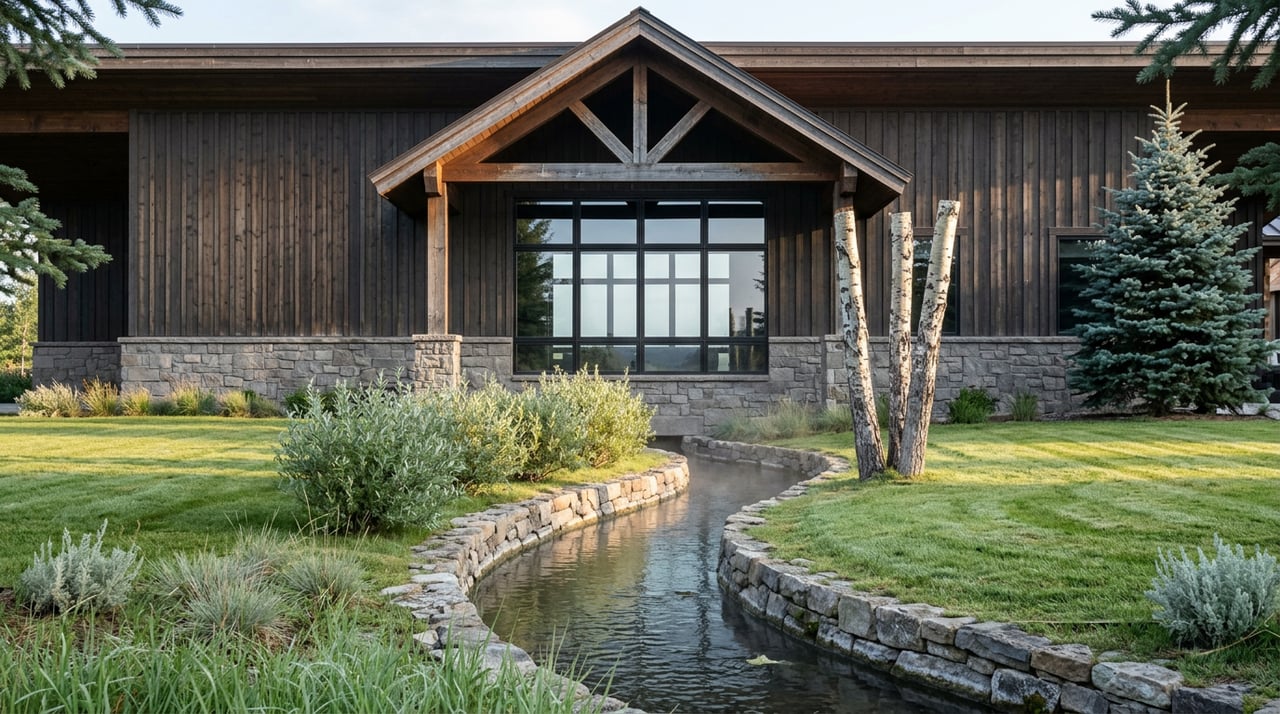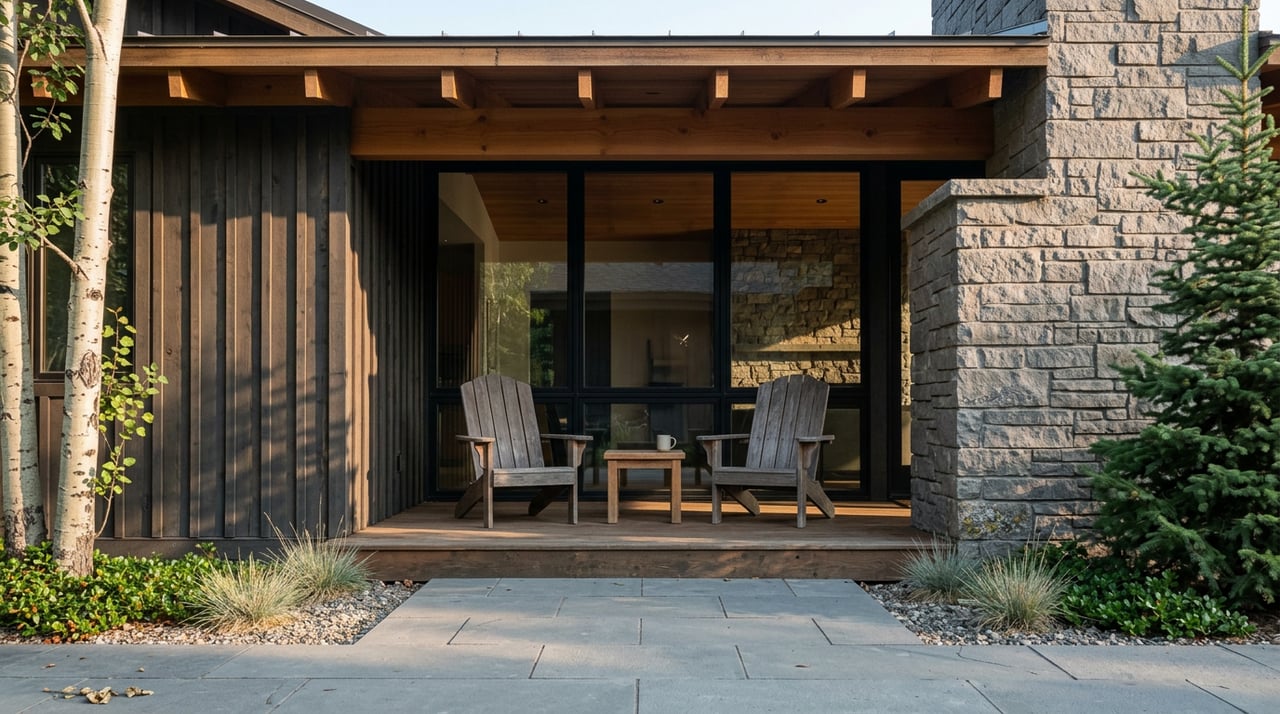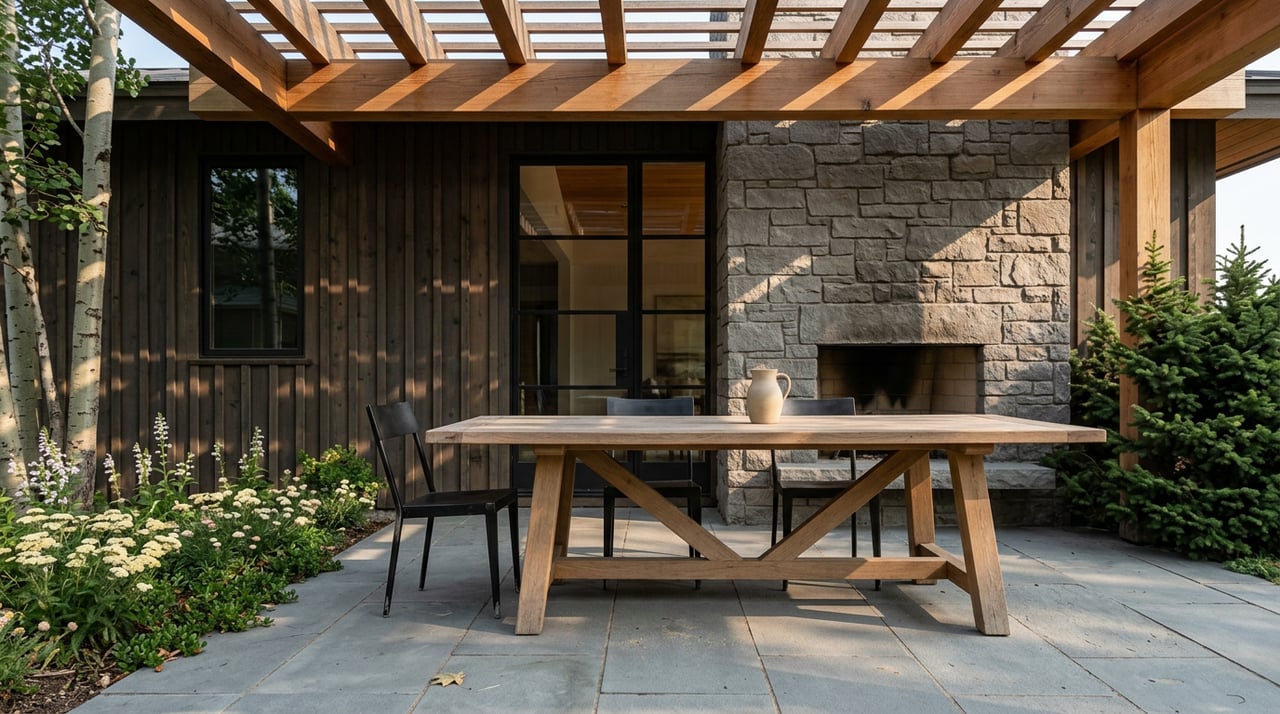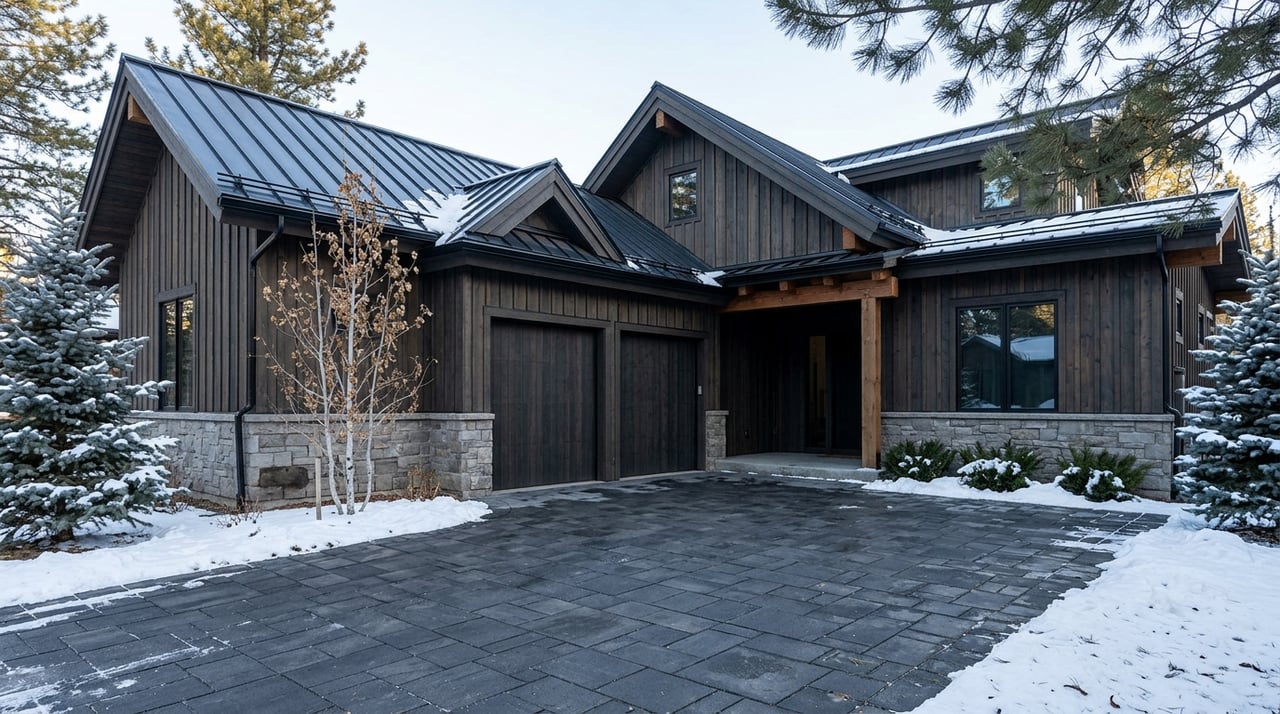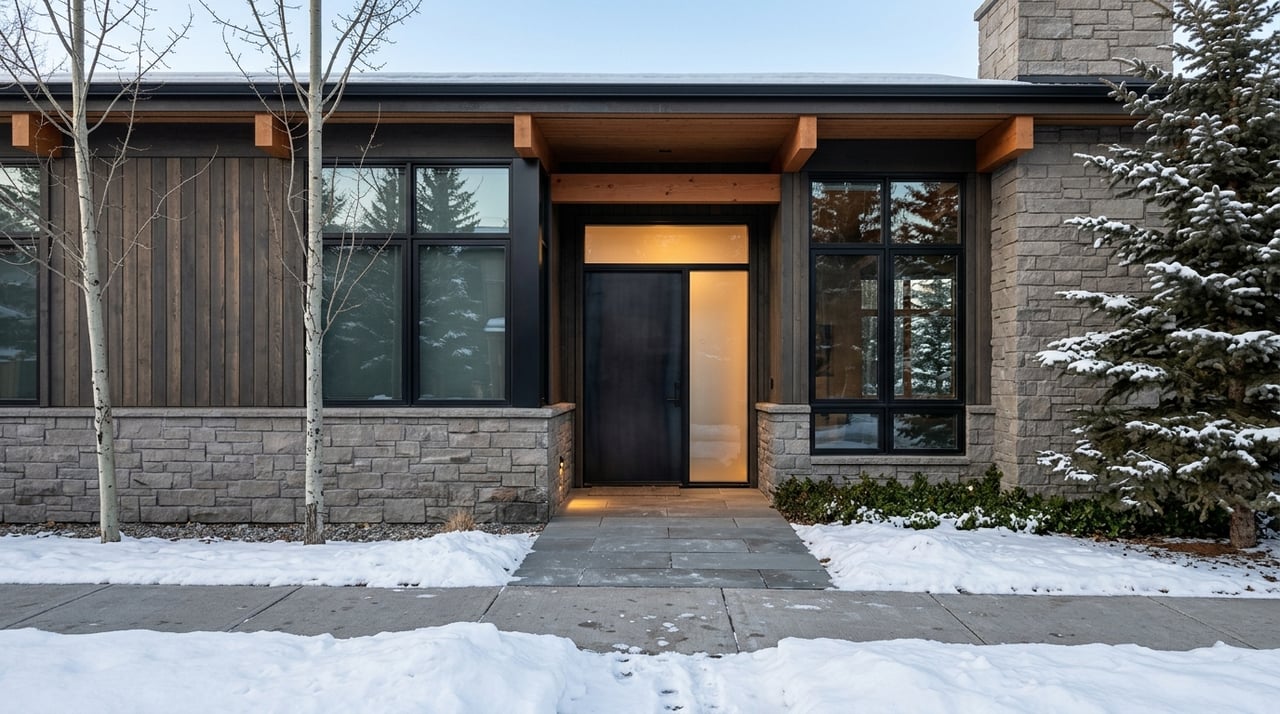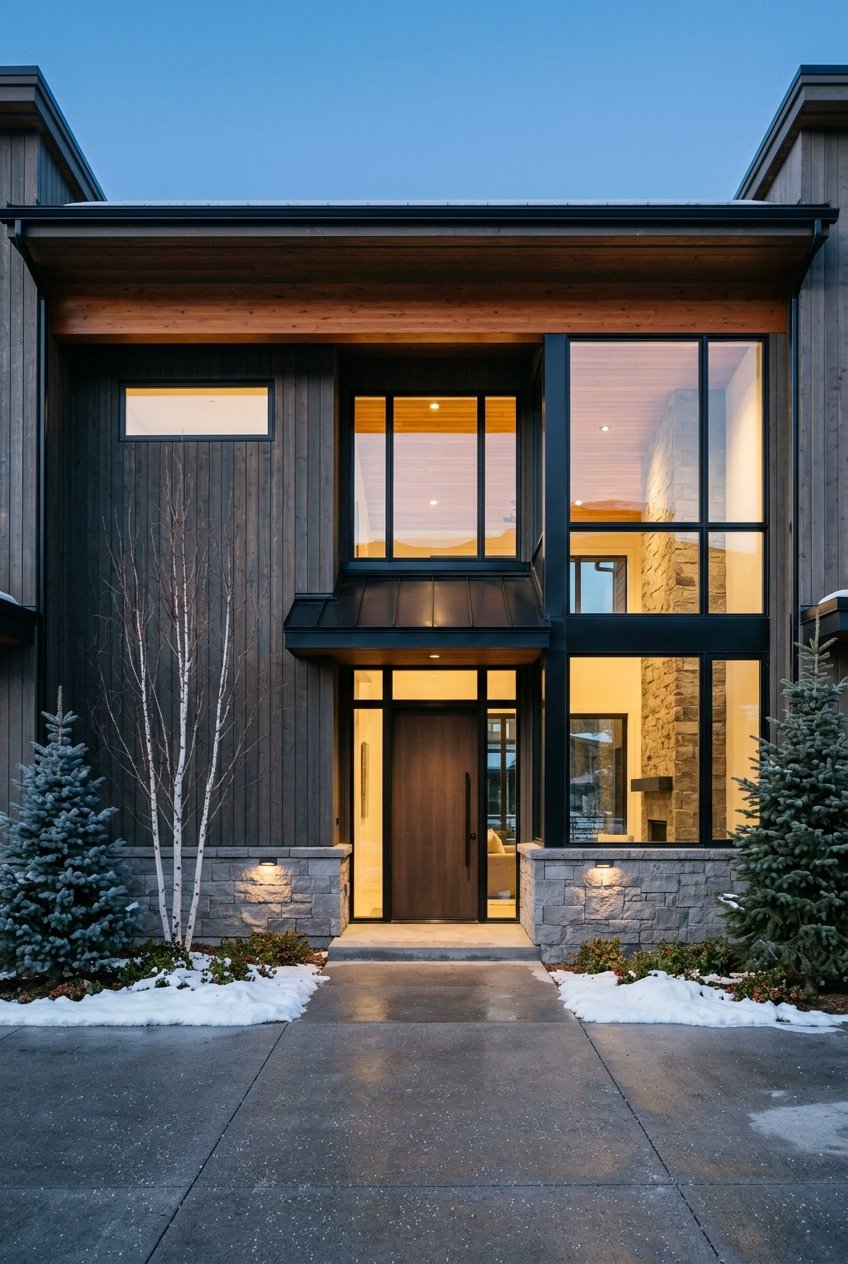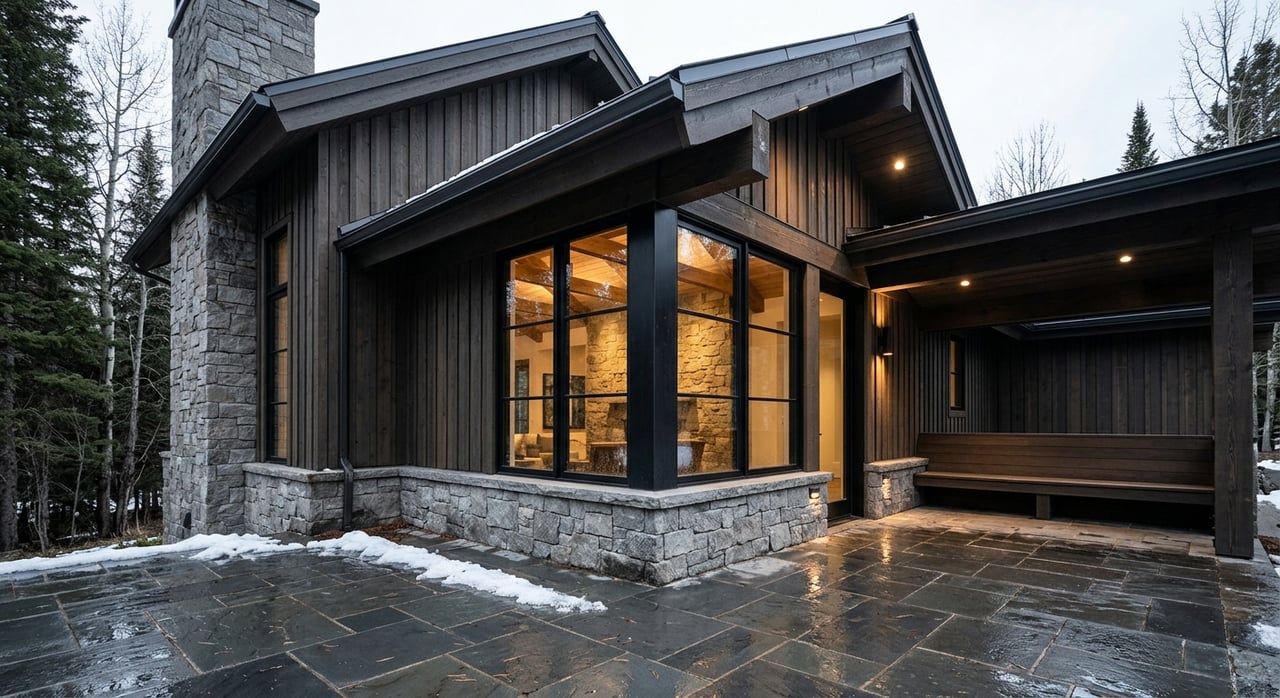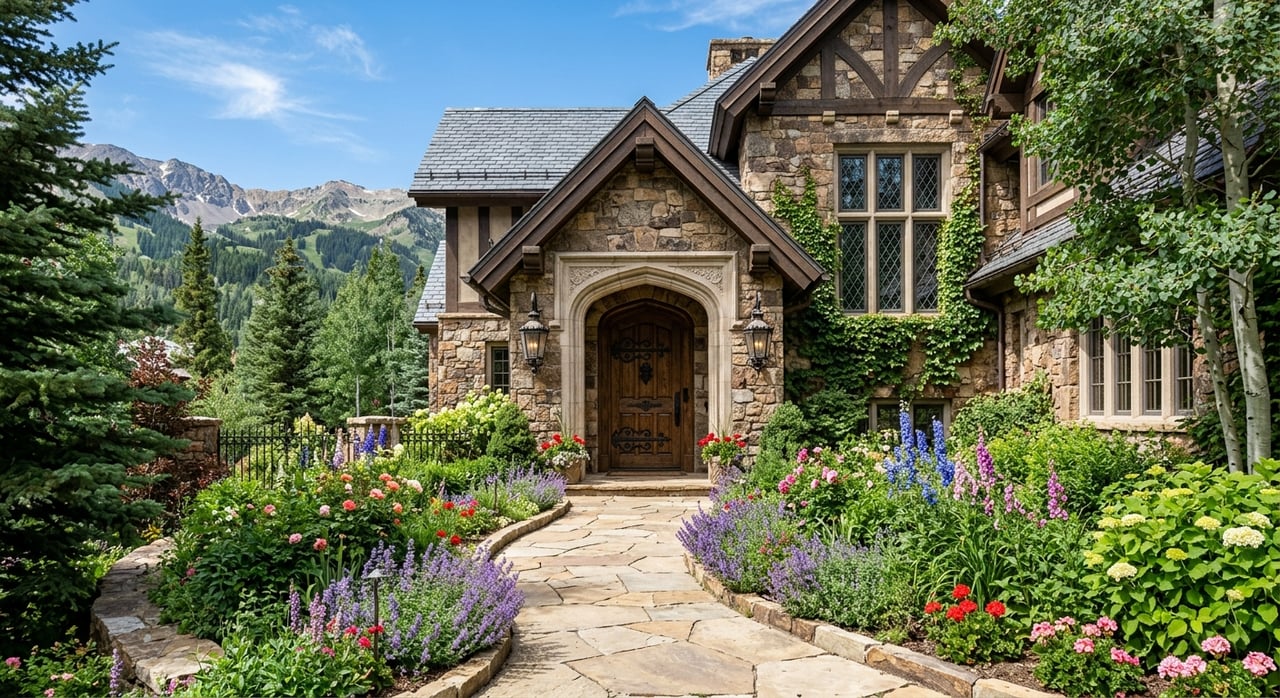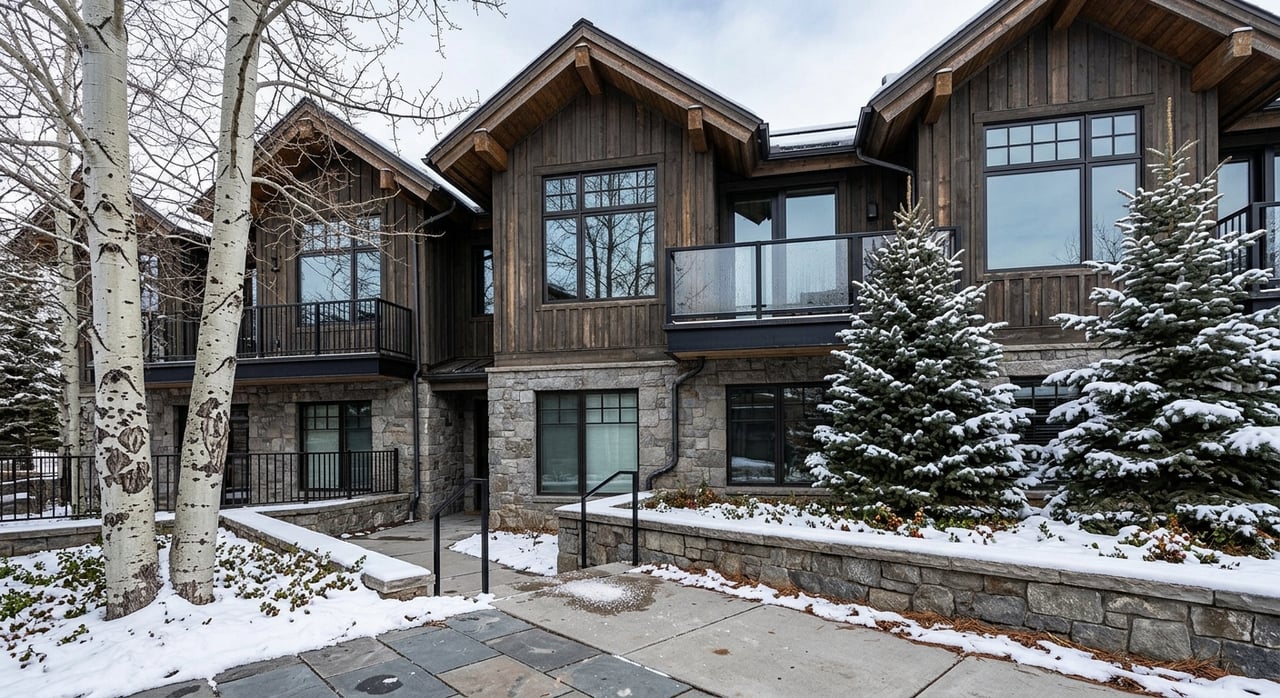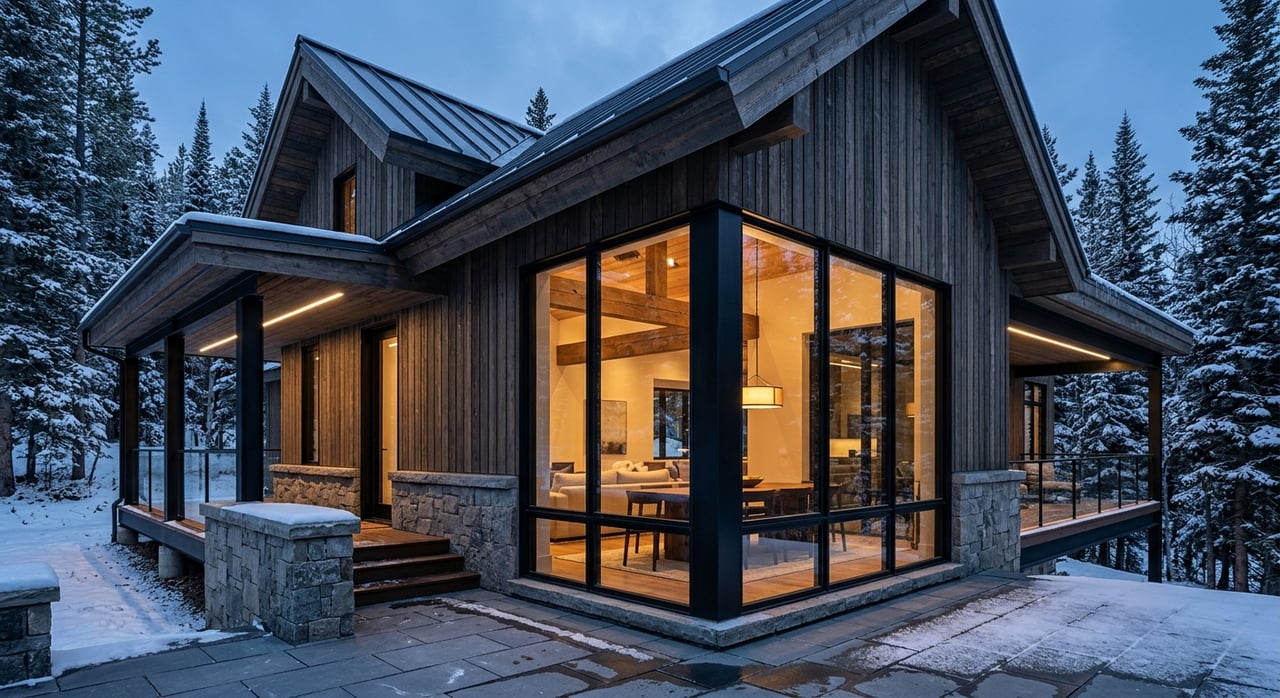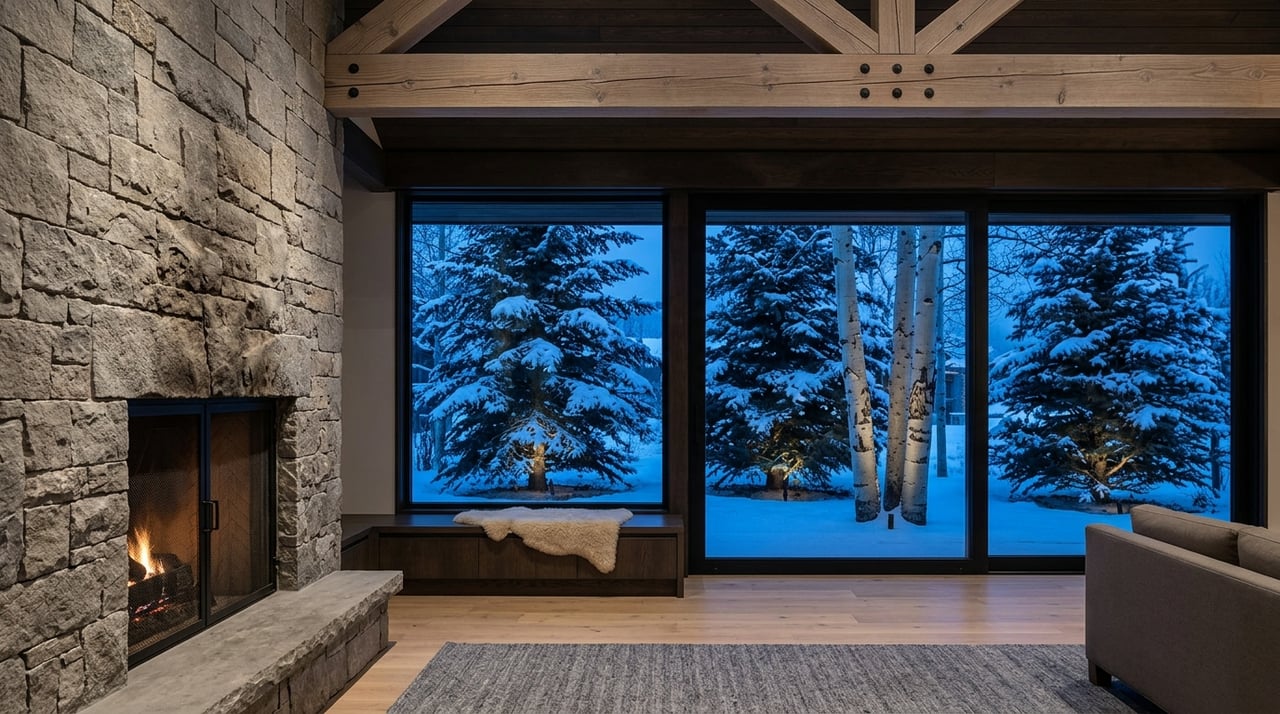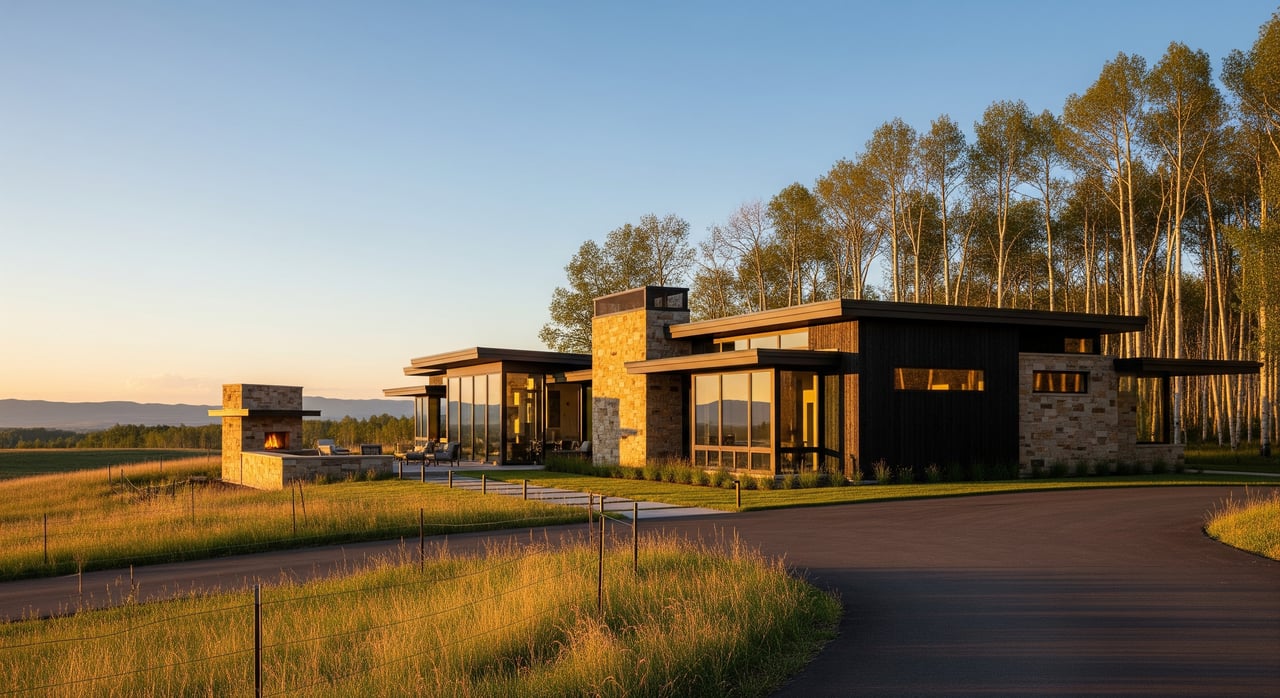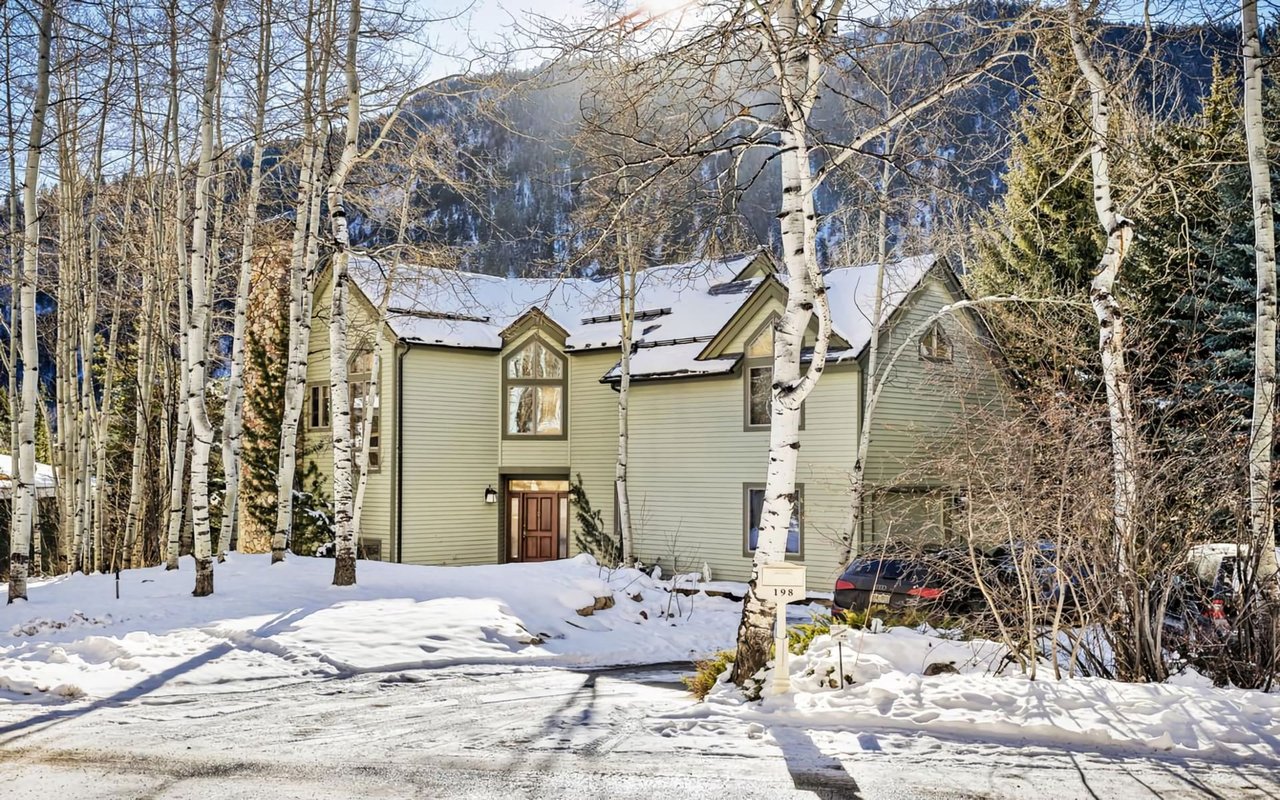
Are you in Greeley and wondering why Aspen luxury homes command such eye‑catching prices? You are not alone. Aspen runs on different rules than typical Front Range markets, and the details matter if you want to buy or sell well. In this guide, you will learn the real drivers behind Aspen values, how to read micro-markets like Red Mountain, and what signals to watch before you act. Let’s dive in.
Aspen vs. Greeley: different forces
Aspen is a small, high‑profile resort market with many second‑home and investment buyers. That mix brings more cash purchases and a strong focus on lifestyle and status features. Seasonal demand concentrates in winter and summer, which can tighten inventory and push prices during peak windows. Treat statewide or Denver trends as background only; Aspen often moves on its own timetable.
Supply and zoning constraints
Pitkin County land‑use rules and open‑space protections limit new buildable lots and density. That scarcity supports high baseline prices across the valley. Even when demand cools, strict supply keeps the market from behaving like larger Colorado metros. If you value long‑term stability, these constraints are a key reason Aspen holds value.
Micro-markets matter
Prices vary sharply by neighborhood, so you need to compare like for like.
Where prices diverge
Key micro-markets include the downtown/core, West End, Red Mountain, Smuggler, Old Snowmass, Snowmass Village, Woody Creek, and Brush Creek. Each differs on lot size, build age, and frequency of resale. A small, exclusive area can see a single high‑end sale reset the bar for months.
Inventory and liquidity
Core downtown condos and select Snowmass properties tend to trade faster. Secluded neighborhoods can sit longer and show wider price dispersion. In tiny sub‑segments, one off‑market or atypical deal can skew comps, so adjust with care.
Ski access premiums
Ski convenience is one of Aspen’s most durable value drivers.
Access tiers buyers pay for
- Ski‑in/ski‑out or lift‑adjacent properties often command the highest premiums per usable square foot.
- Short drives under 10 to 15 minutes or reliable shuttle access hold meaningful value, but less than direct access.
- Homes farther off‑mountain trade at a discount unless other features, like acreage or views, offset.
Buyers measure true access by daily convenience, not just map distance. Garage‑to‑lift ease often wins.
Views and sun exposure
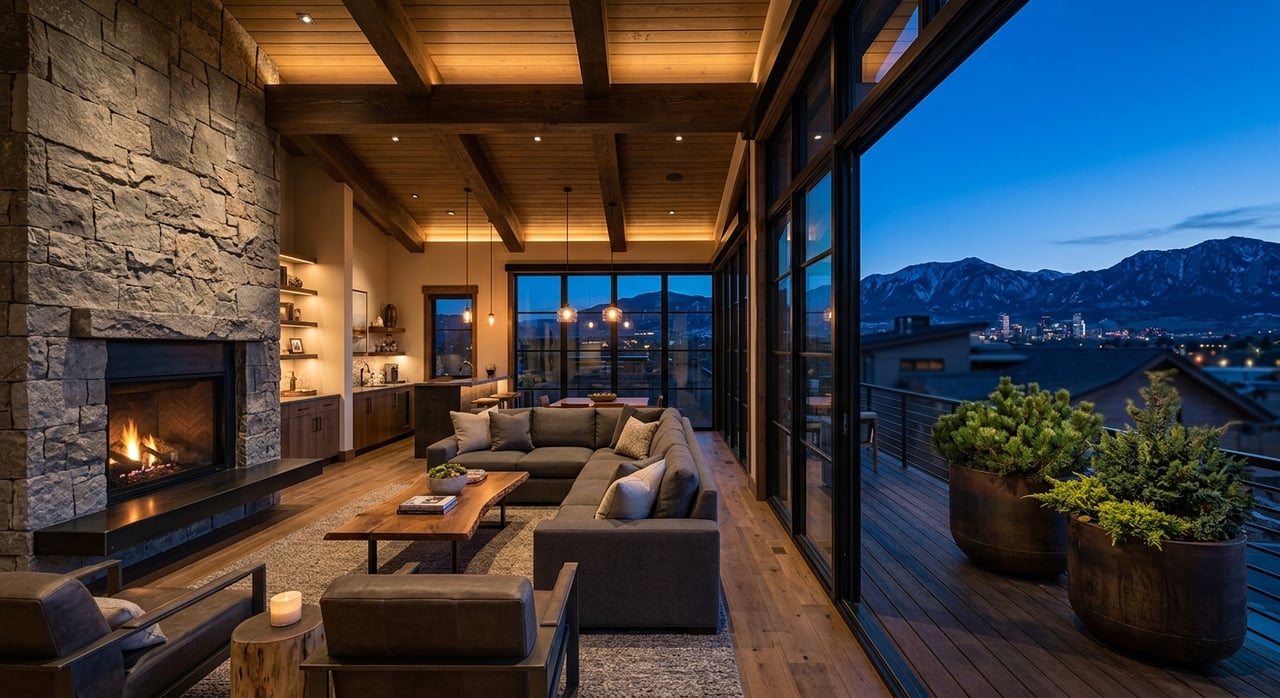
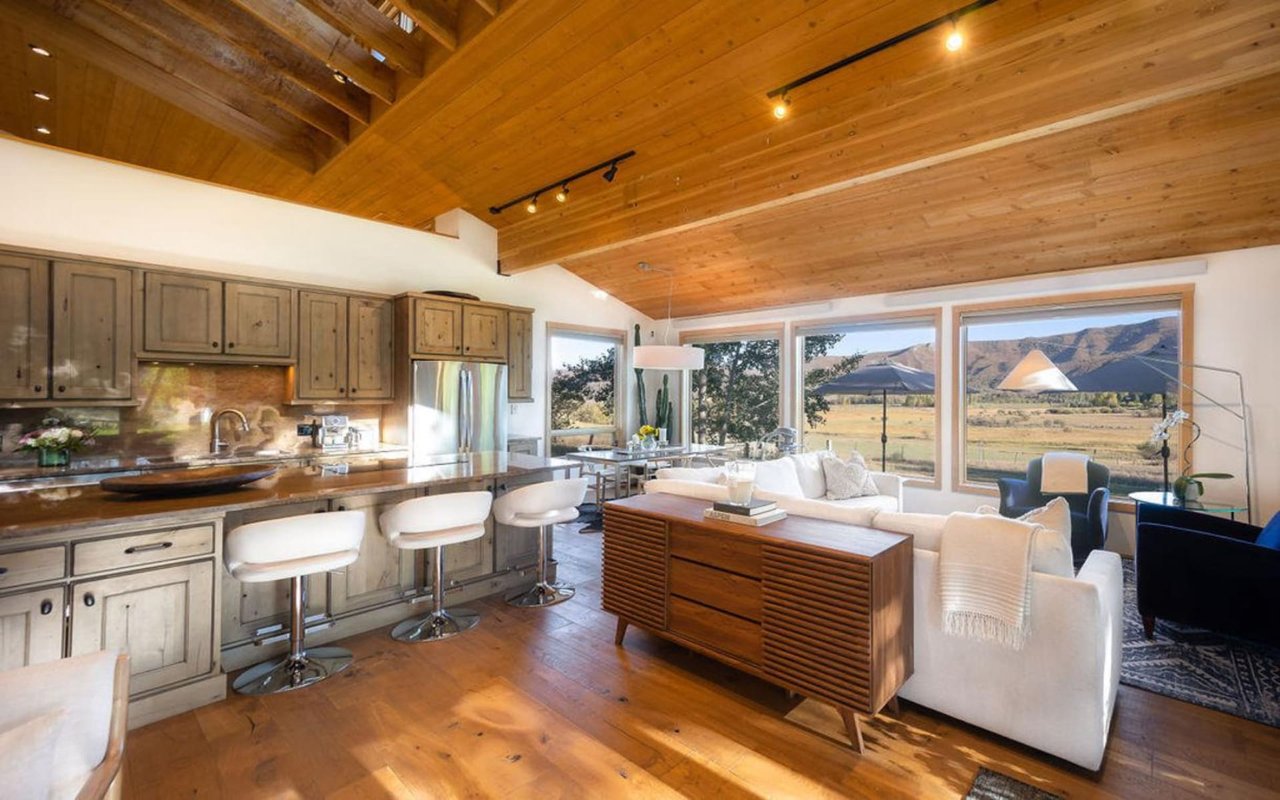
Unobstructed views of the Aspen bowl, major peaks, or broad valley panoramas are prized. Orientation matters too. South or southwest exposure that captures light and solar gain adds appeal. Lots elevated above the valley floor can protect view corridors from future development, which supports higher pricing.
Acreage and privacy tradeoffs
Large estates with privacy, guest spaces, and room for amenities carry premiums. Still, acreage far from town or lifts may sell below a smaller but better‑located property. Also weigh practical site costs such as snow removal, utility runs, and septic versus municipal services. Those expenses affect net value.
Address and brand adjacency
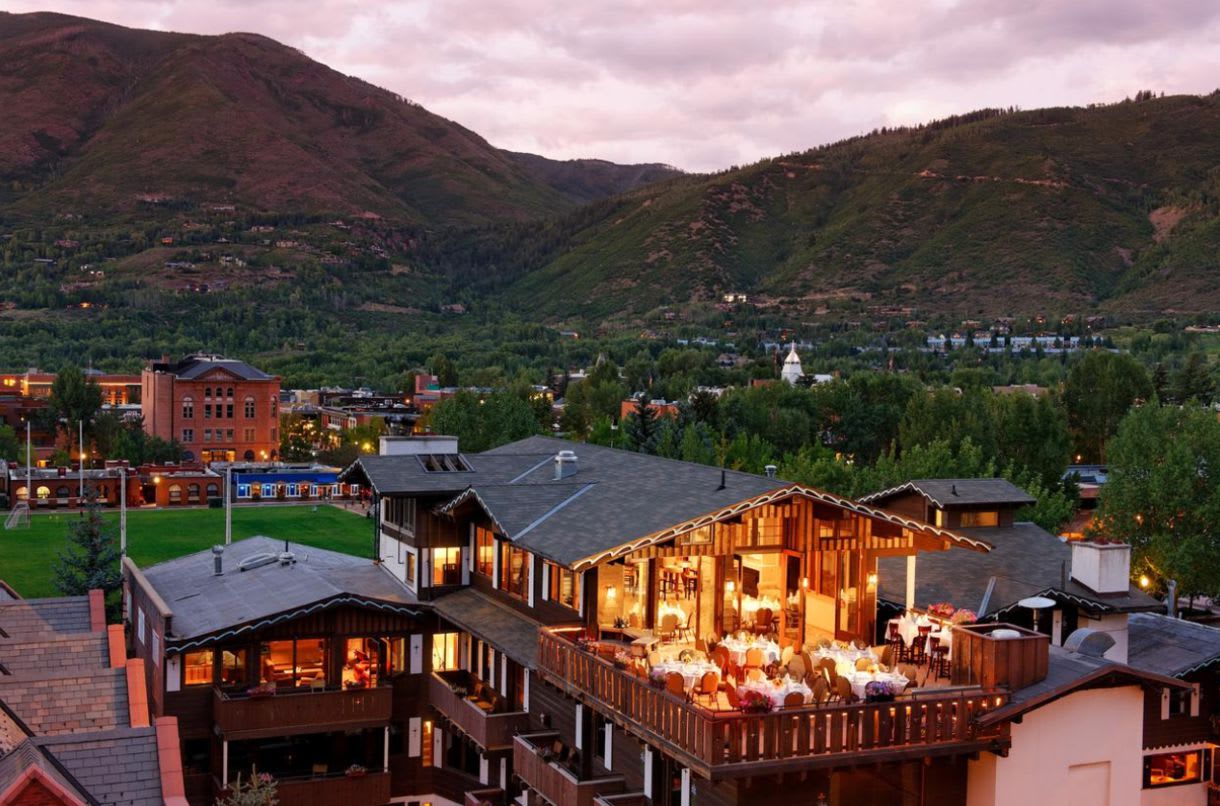
Proximity to Aspen’s iconic amenities adds value. Being near the Aspen Mountain base, celebrated hotels, and high‑end dining and shopping brings both convenience and social cachet. Well‑known architects or builders, strong HOA services, and historic character can layer on more value.
Construction quality and amenities
In the luxury tier, design quality and systems matter. Bespoke finishes, modern mechanicals, smart home tech, wine rooms, ski rooms, and guest houses influence pricing. Older homes without updates usually discount unless renovated with care that balances preservation and luxury.
Financing and deal structure
Many Aspen buyers use cash or jumbo financing. Appraisals in thinly traded areas can lag real buyer demand. Cash buyers or those referencing nearby premium comps can set new price benchmarks, especially when active inventory is tight.
Operating costs and local rules
Property taxes are not the main story in Aspen. Ongoing costs like insurance, utilities, staffing, HOA fees, and maintenance drive the carrying budget for large estates. Short‑term rental regulations, permitting limits, or conservation easements can cap income or development options, which lowers value relative to fully permitted properties.
Red Mountain example
Red Mountain helps illustrate how views and privacy price in.
Why it commands premiums
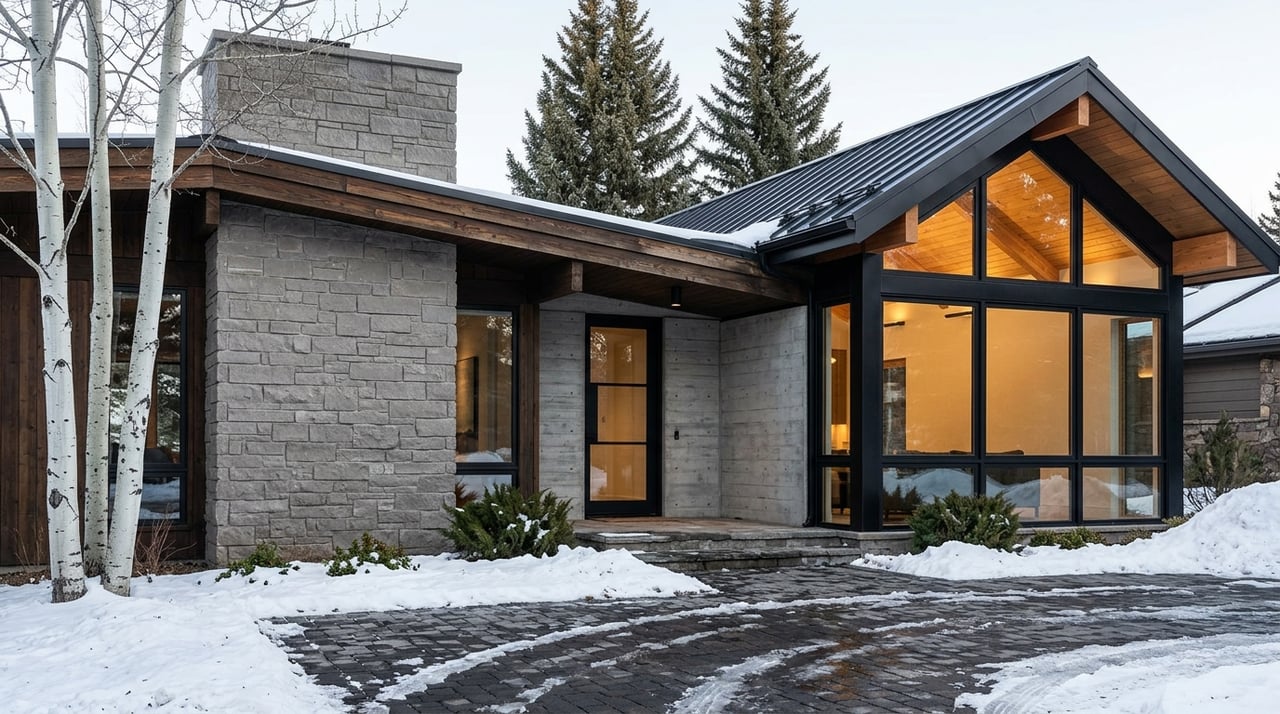
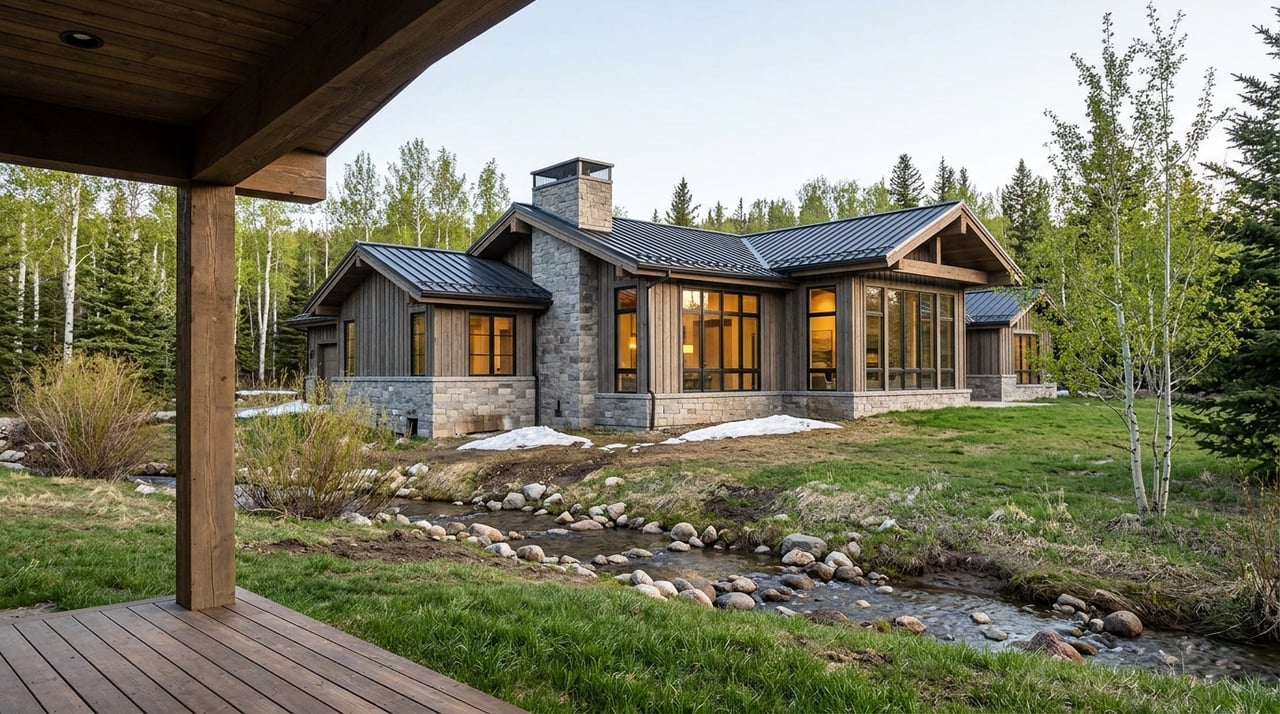
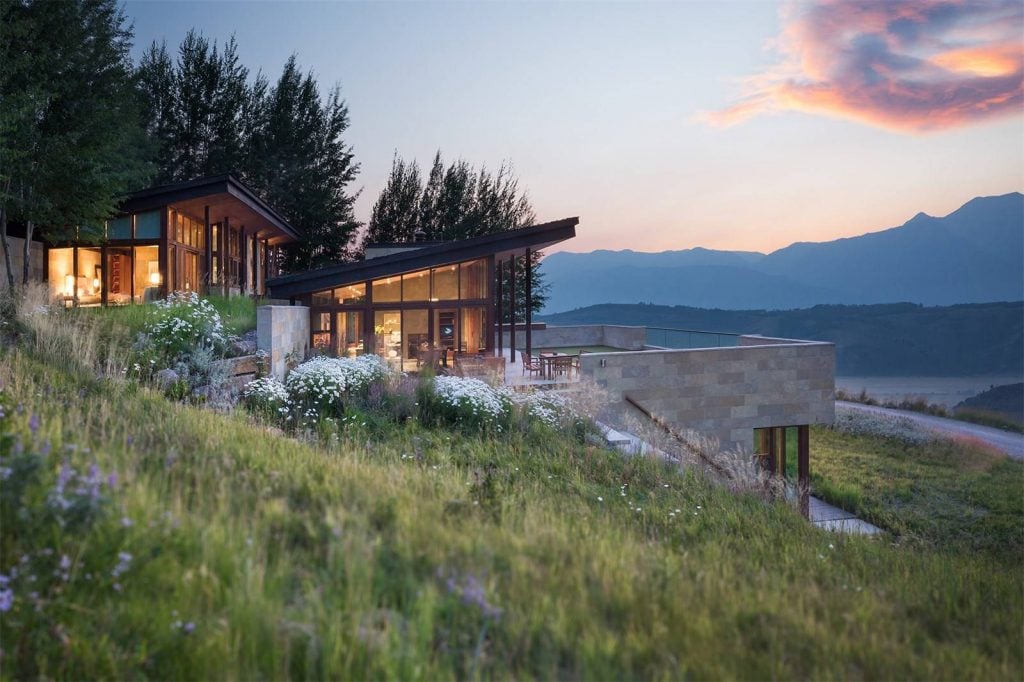
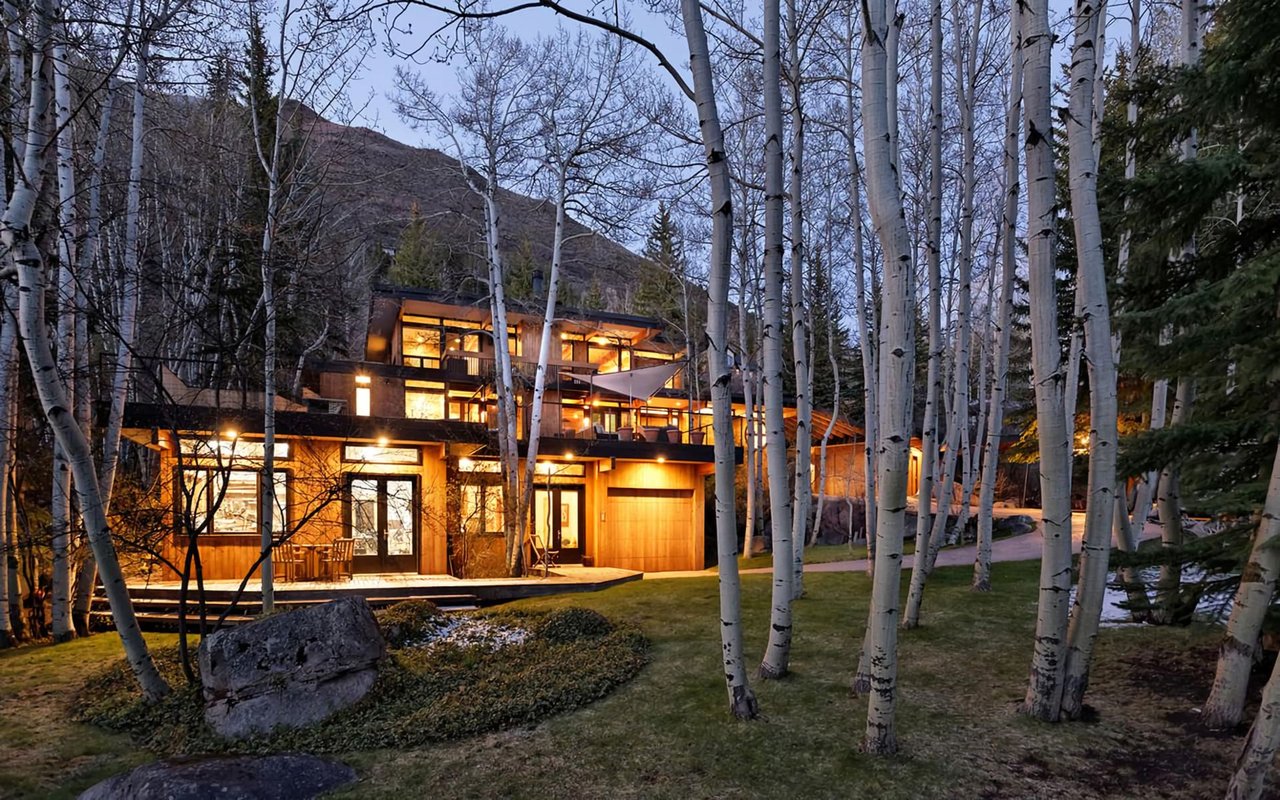
Elevated ridgelines offer unobstructed views of town and the ski area. Tree cover and topography provide natural privacy, and larger lot patterns are common. The tradeoff is limited direct ski access, so the premium reflects view and seclusion rather than lift adjacency.
Buyer checklist
- Confirm buildability, slope, road access, and utility runs.
- Quantify build and site costs, including driveway and snow removal.
- Check for view protection, such as easements that limit future obstruction.
- Understand wildfire mitigation duties and insurance availability.
Seller opportunities
- Improve view corridors and upgrade driveways or utility connections when reasonable.
- Document maintenance, snow removal, and mechanical updates.
- Stage or pre‑repair to meet turnkey expectations at the top end.
Comparable volatility
Because sales are infrequent, one marquee transaction can change perceived values quickly. Cross‑check Red Mountain comps with nearby sub‑markets and adjust for view, privacy, and access differences.
Small inventory amplifies moves
In tiny micro‑markets, a single listing can influence comps. Treat recent closes as significant signals, but note whether a sale was atypical, off‑market, or distressed. Expect sharper price swings than you may see in Greeley.
Market signals to watch
- Active listings and quality by micro‑market
- Months of supply in the luxury tier
- Median and mean price per square foot by sub‑market
- List‑to‑sale ratios and days on market for recent luxury closes
- Share of cash transactions and off‑market activity
- Seasonality patterns around winter and summer peaks
- Macro shifts in interest rates, equity markets, and currency
Practical steps for Greeley buyers
- Define your primary goal first: ski access, views, privacy, or acreage. You rarely get everything at one price point.
- Use local comps within the same micro‑market first. If comps are scarce, supplement with very recent nearby sales and adjust for attributes like view and access.
- Get a cost‑to‑complete estimate from Aspen‑area builders before offering on older homes or raw lots.
- Investigate insurance early, including wildfire coverage and defensible space requirements.
Timing your sale
Peak demand often aligns with pre‑winter and late spring. If you list off‑season, adjust strategy to meet buyers where they are. Highlight non‑obvious premiums, like documented maintenance, proximity to amenities, and view easements. Consider light upgrades that move a home closer to turnkey, since top‑tier buyers expect it.
Insurance and climate
Wildfire and extreme weather risks affect insurability and premiums. These factors are increasingly priced into valuations. Buyers should confirm coverage and mitigation costs early. Sellers who complete mitigation and document it can improve buyer confidence.
Work with an Aspen specialist
Ultra‑luxury deals in Aspen reward local knowledge and global reach. You want a broker who understands micro‑market nuance, comps that really translate, and how to position a property for international buyers. With more than $700M in five‑year sales and Sotheby’s worldwide platform, our approach blends hands‑on advocacy with elite exposure that moves results.
Ready to compare Aspen options with clarity and confidence? Start a private, no‑pressure conversation with Dayna + Mandy - Mandy Welgos.
FAQs
How does ski access affect Aspen prices?
- Direct lift access typically pulls the highest premiums per usable square foot, with short‑drive access valued next and off‑mountain locations discounting unless views or acreage offset.
Do views really justify large premiums in Aspen?
- Yes. Unobstructed, protected views of the Aspen bowl or broad valley are among the most durable premiums and often outweigh other features.
Is acreage always worth more in Aspen?
- Not always. Large parcels far from town or lifts can price below smaller, centrally located luxury homes when daily convenience is a priority.
How do local regulations shape Aspen values?
- Zoning, conservation easements, short‑term rental rules, and permitting constraints can limit use or development, which is priced into valuations; long‑term scarcity supports the market.
What should Greeley buyers know about Red Mountain?
- Expect a premium for panoramic views and privacy, a tradeoff on direct ski access, careful due diligence on buildability and site costs, and comps that can shift quickly due to few sales.