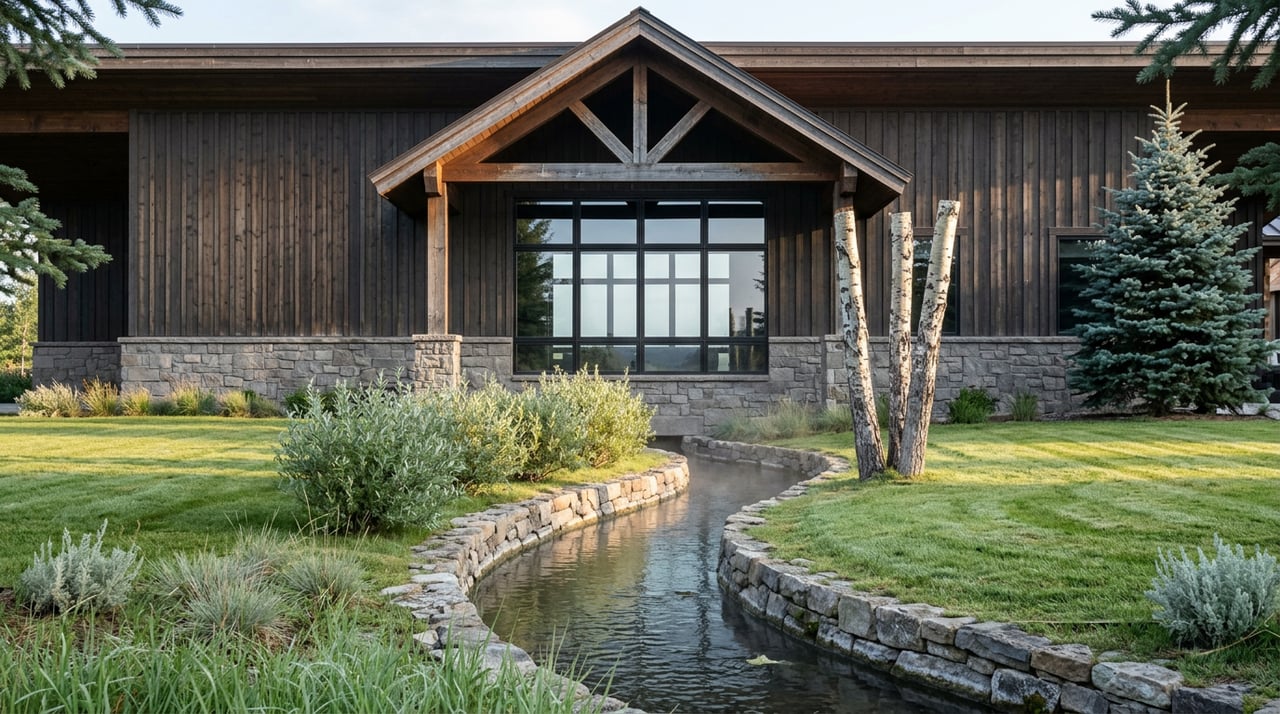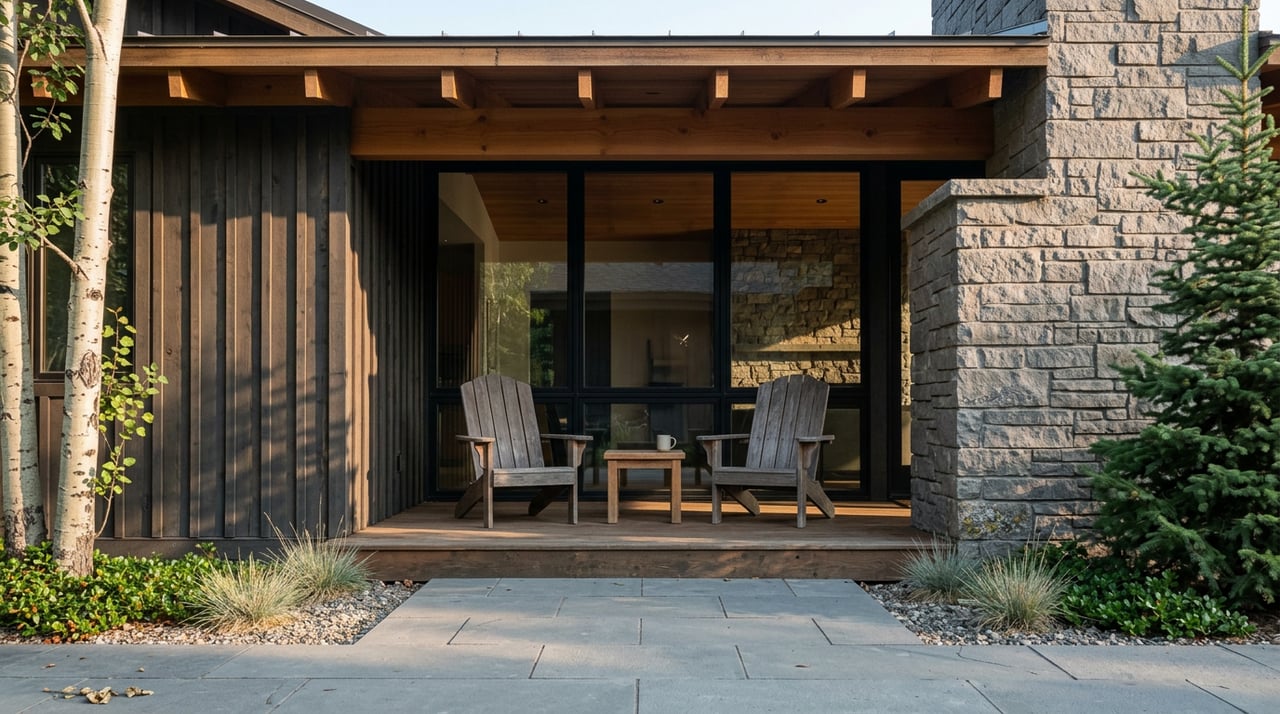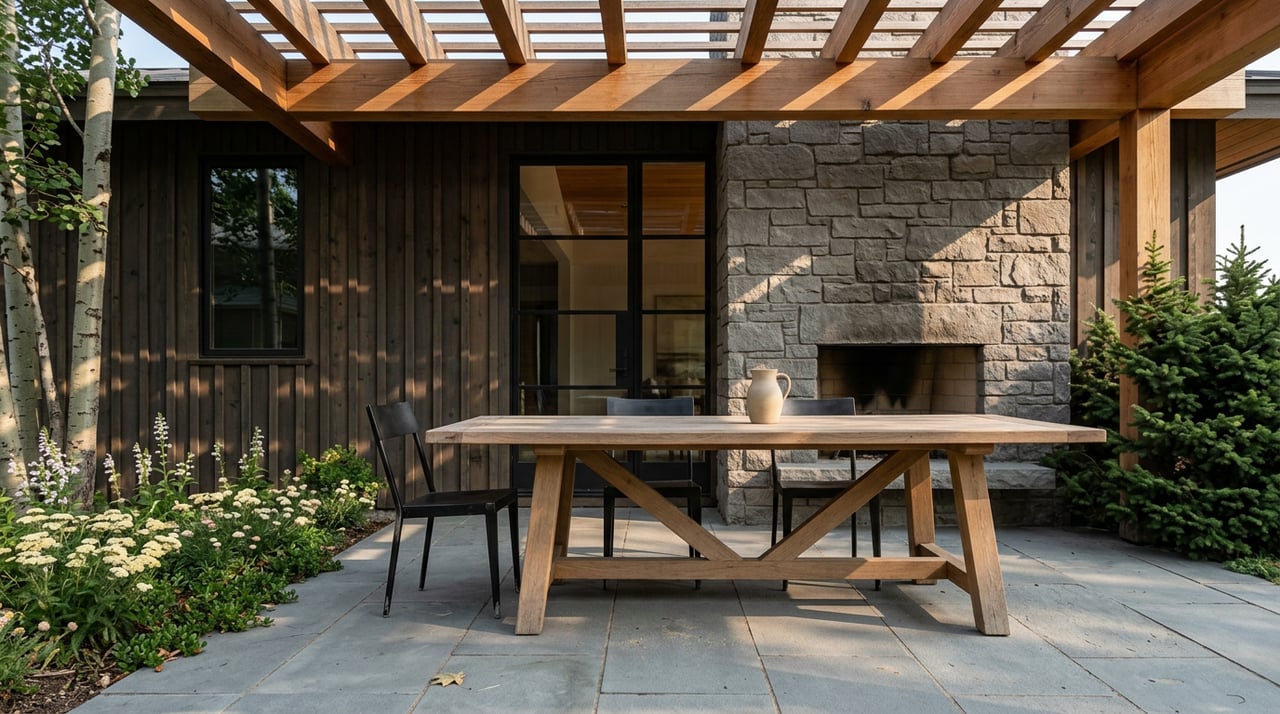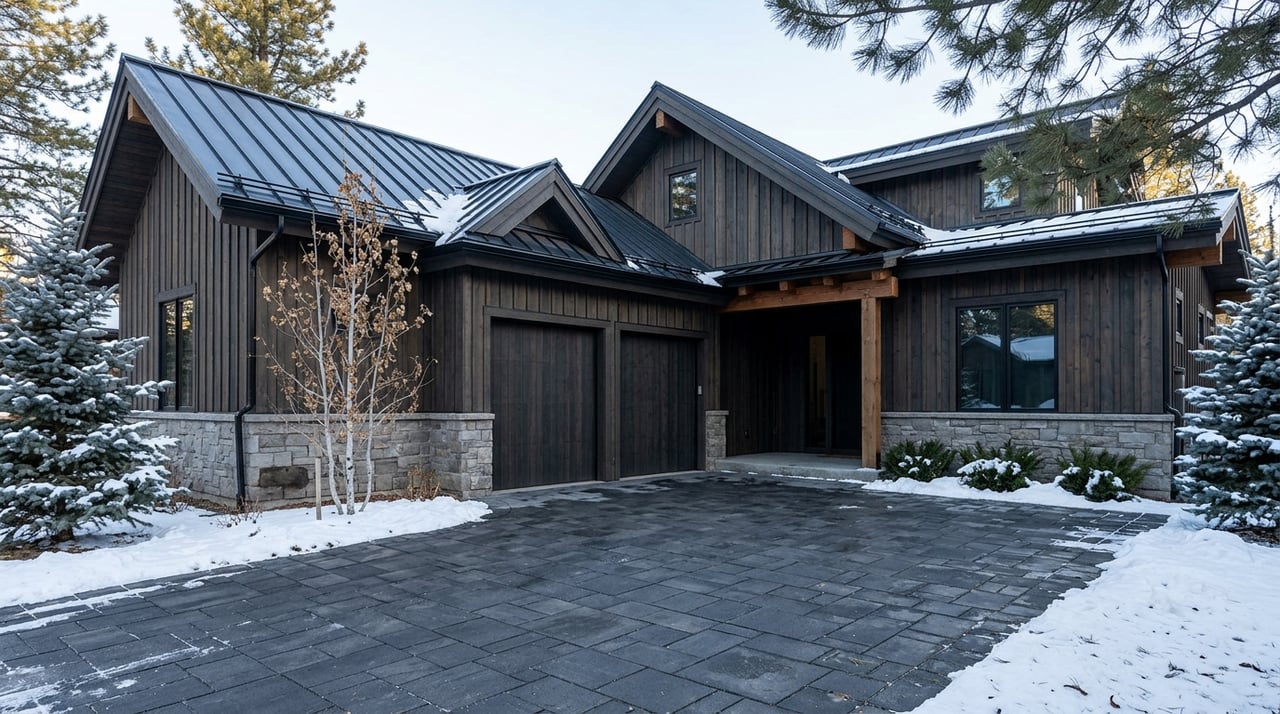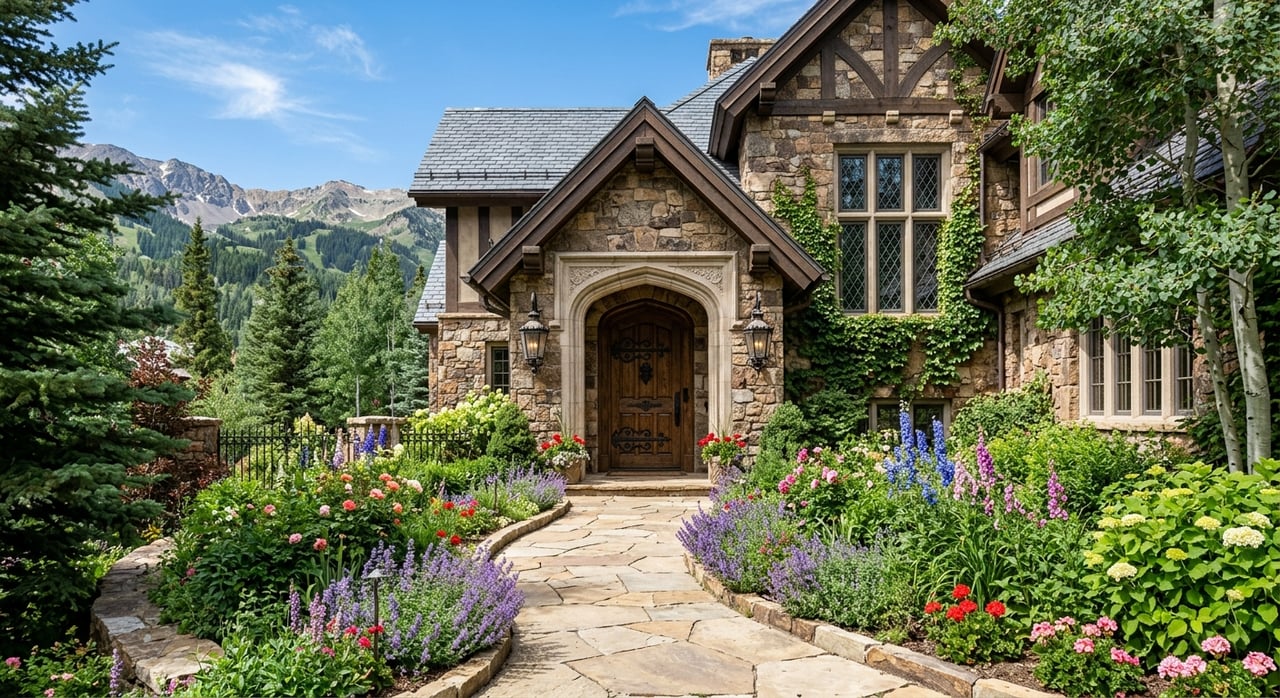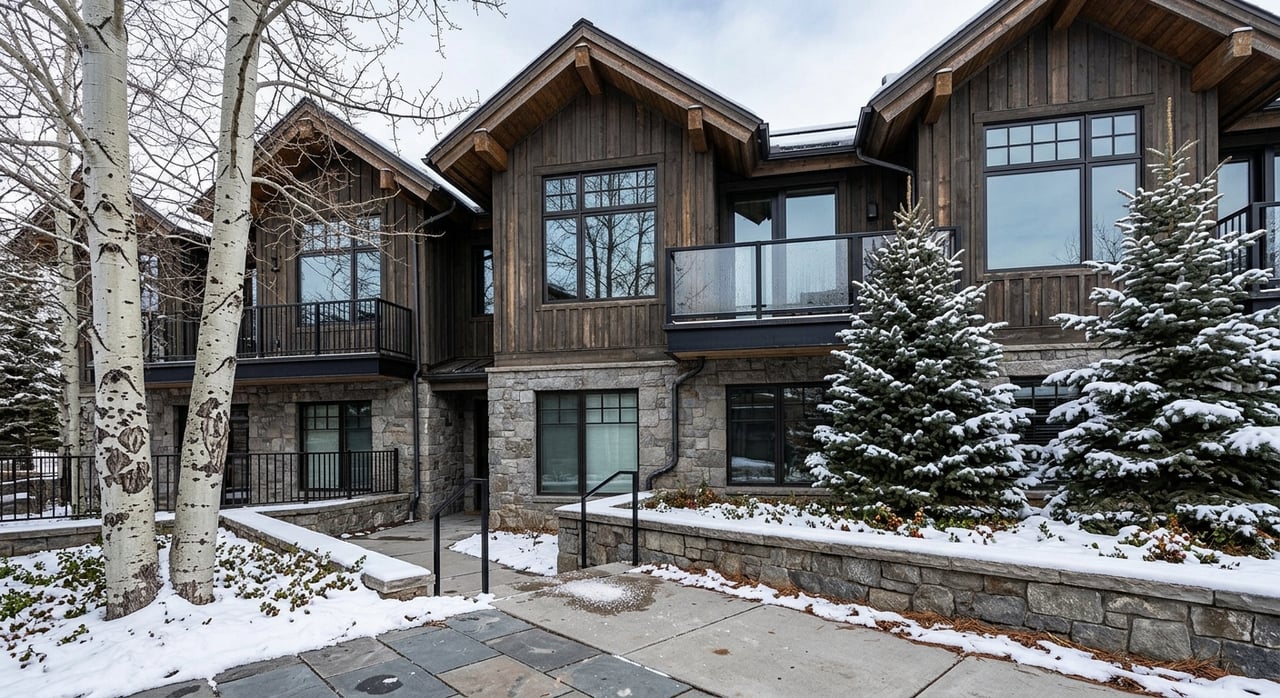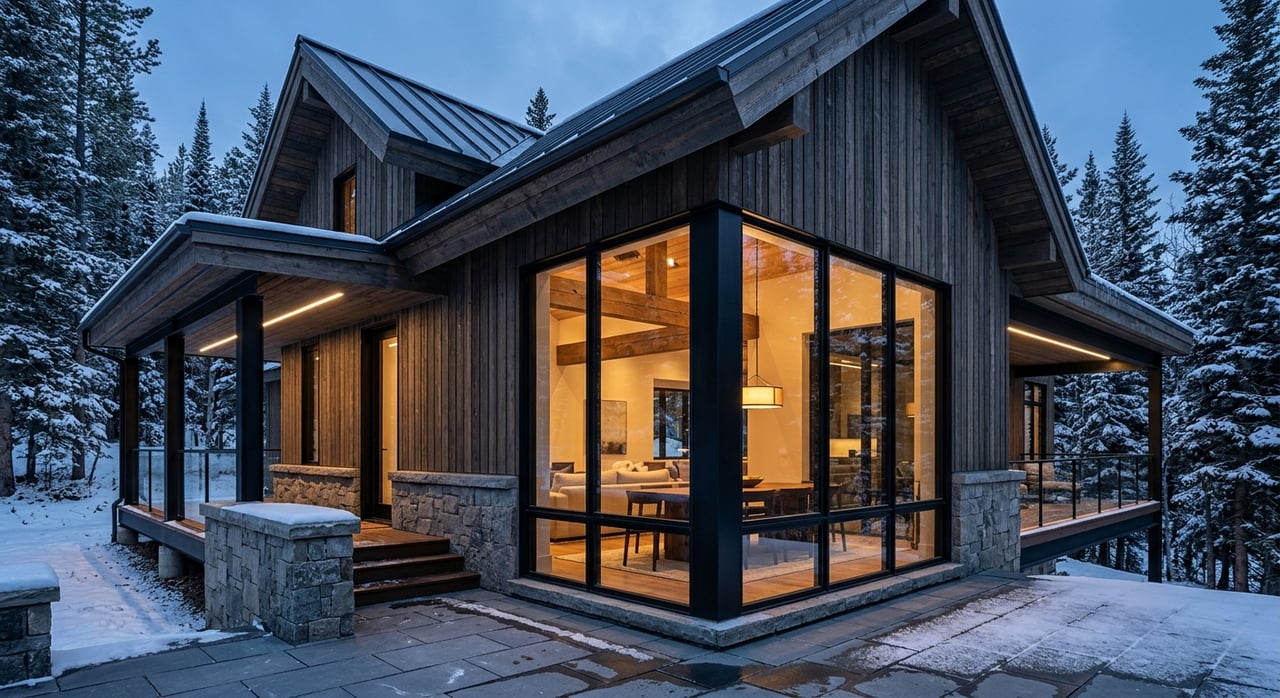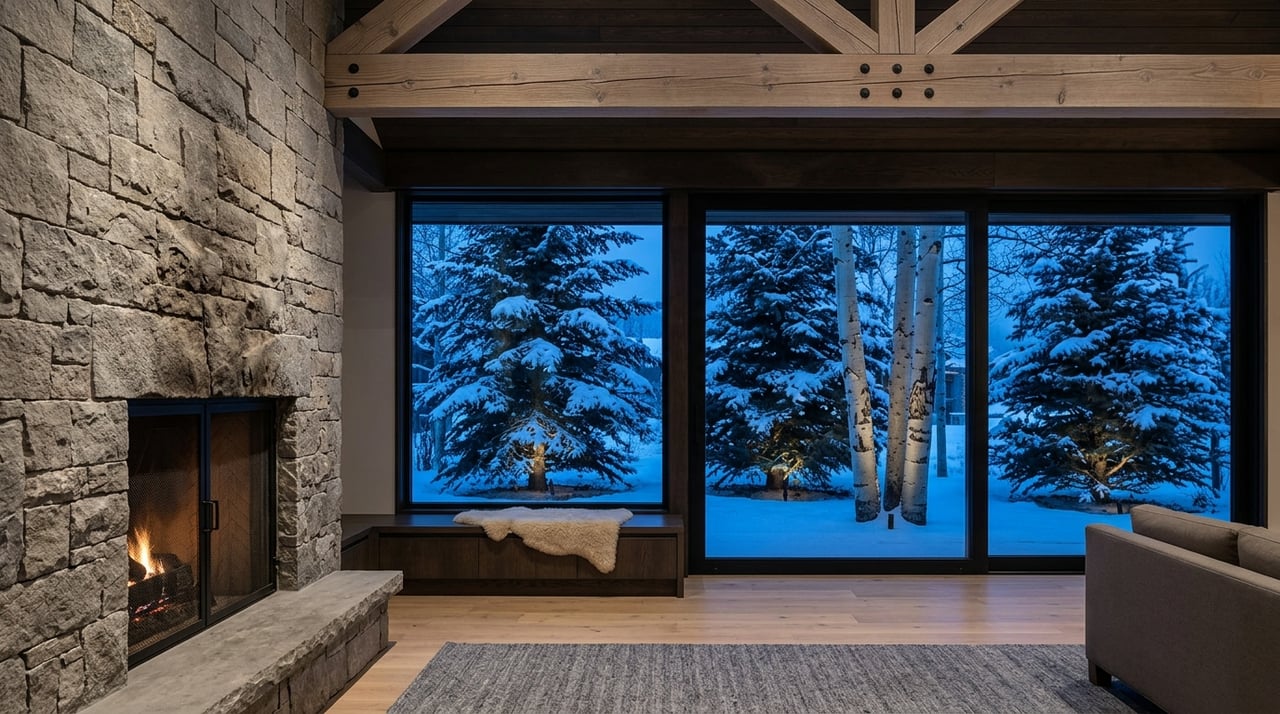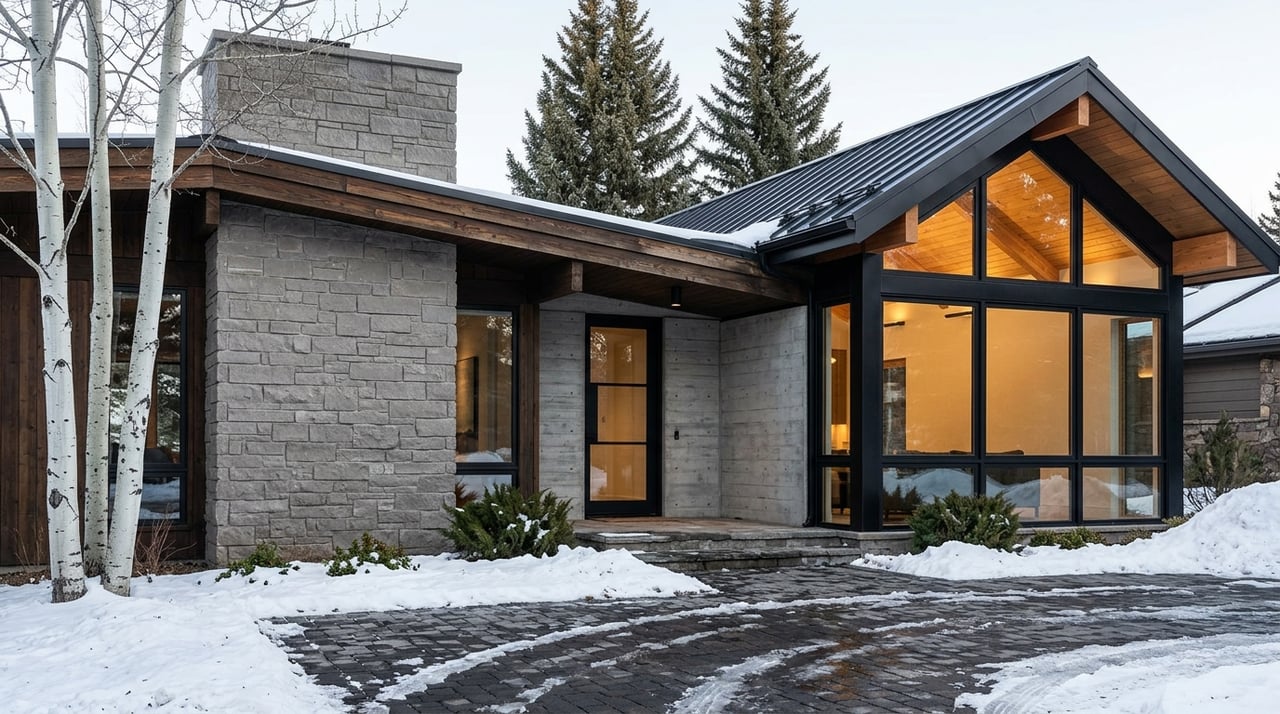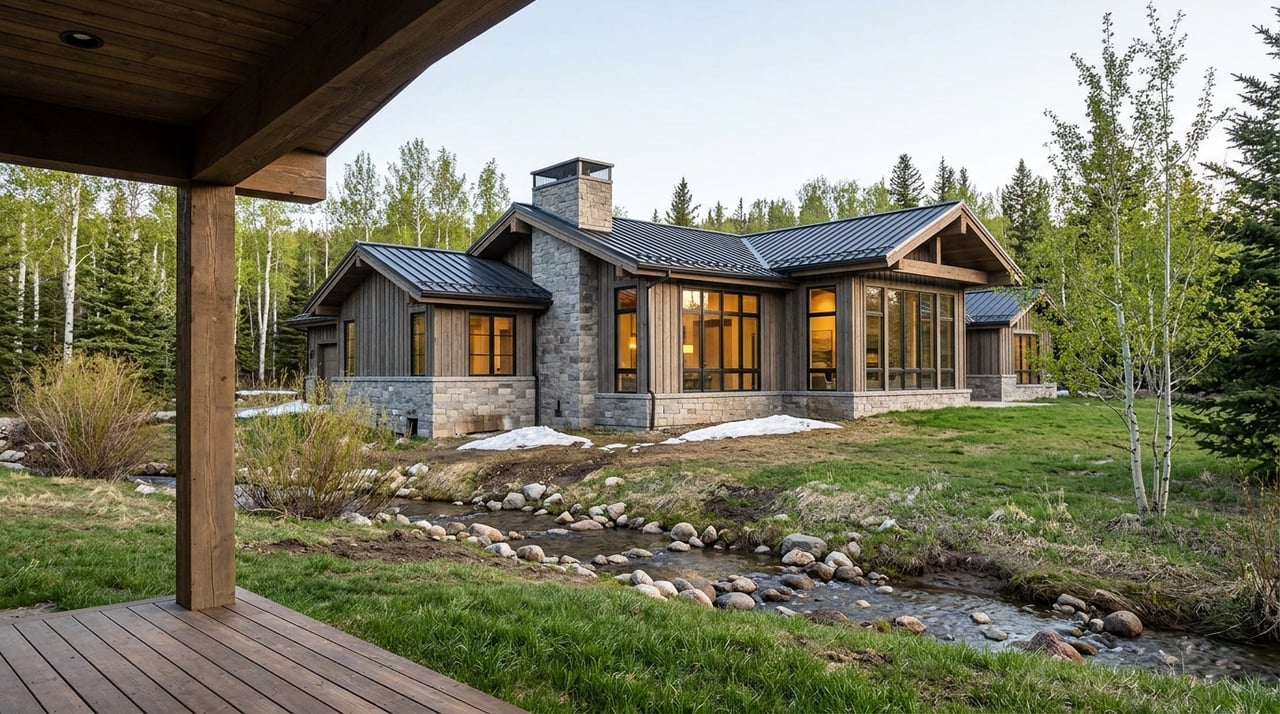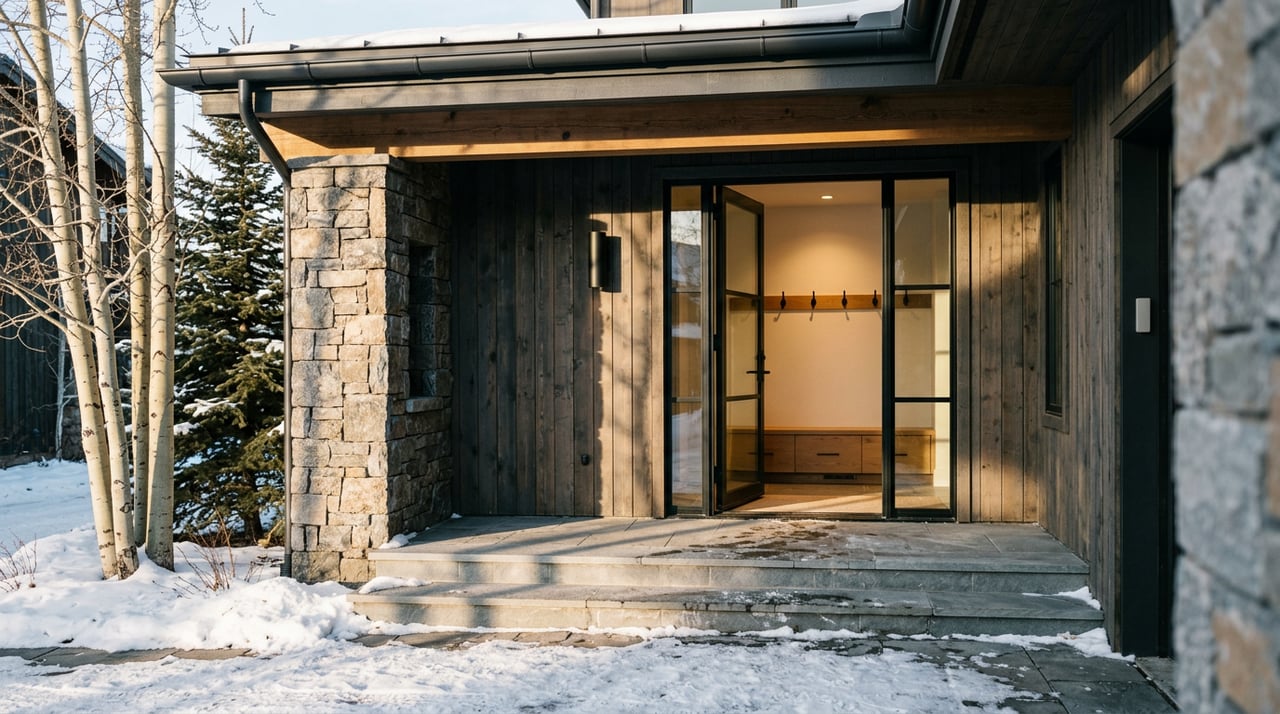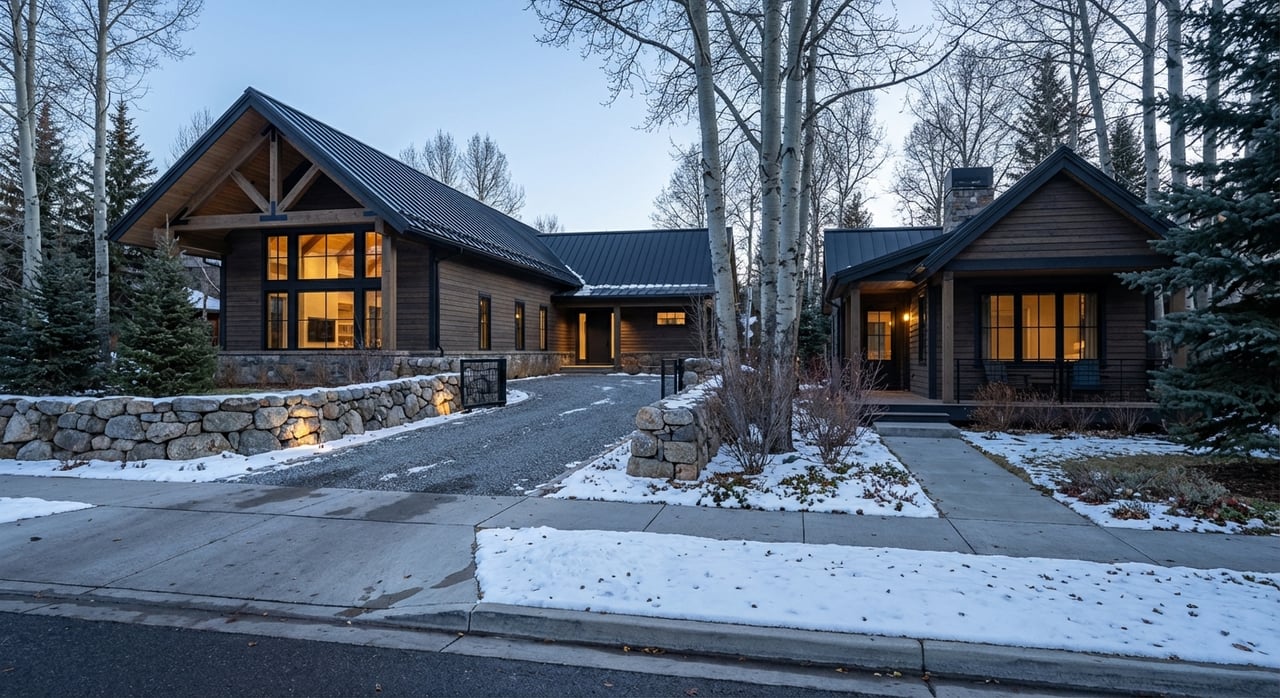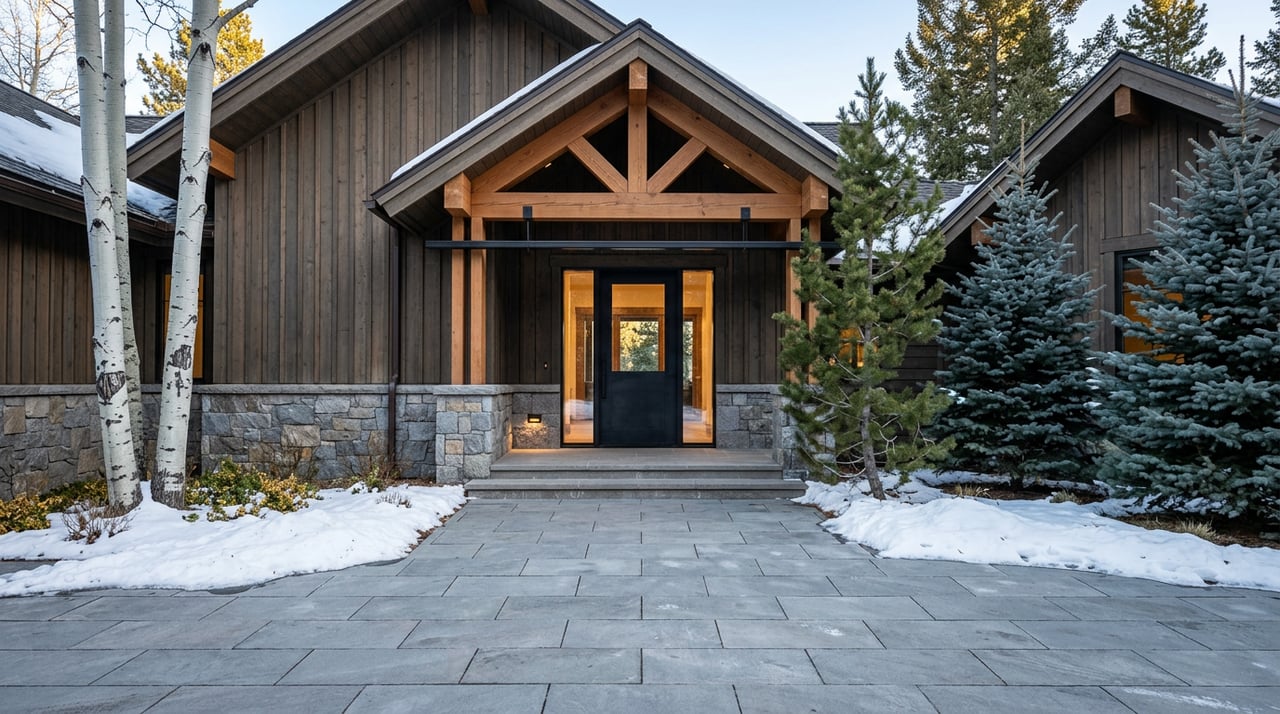
You do not get a second chance with a McLain Flats first impression. Discerning Aspen buyers arrive with advisors, checklists, and high expectations for privacy, views, land use, and documentation. If you want to inspire confidence and compress days on market, preparation must be both beautiful and technical.
This guide shows you how to package development rights, equestrian assets, and year-round visuals while eliminating common deal friction. You will learn exactly what to assemble, how to present it, and when to execute each step so your estate stands out to serious buyers. Let’s dive in.
Position your estate for the right buyer
Ultra-luxury acreage in McLain Flats attracts multiple buyer profiles. Some want a turnkey legacy residence. Others want a platform for a compound with specific development entitlements. You will earn stronger engagement when you clearly articulate what can be built, what is exempt from residential caps, and what restrictions, if any, apply.
Leverage TDRs and approvals
Buyers place real value on permitted plans and Transferable Development Rights. Pitkin County’s program allows development potential to be severed from one parcel and used to increase floor area on another. Properties with recorded TDR certificates and current land-use approvals can appeal to a different buyer set that seeks scale and certainty. Clearly document any certificates, approval letters, and issued permits, and be ready to share them with qualified parties. Learn how the program works on the county’s Transferable Development Rights overview and the county’s TDR program summary.
Highlight ag and exempt building allowances
If your estate includes barns, hay storage, or loafing sheds, confirm which structures qualify as agricultural buildings under Pitkin County’s Land Use Code. Certain ag buildings may be exempt from counting against residential floor area caps if they meet specific criteria. That distinction matters to buyers who want both a residence and robust equestrian infrastructure. Review the county’s Agriculture Building FAR Exemptions and summarize which of your buildings are exempt.
Confirm deed restrictions early
Some legacy Aspen properties carry deed restrictions administered by APCHA. If your property is subject to resident-occupied or other program rules, the buyer pool will be different and must be qualified accordingly. Identify and disclose any restrictions at the outset and include a clear summary from APCHA’s Resident-Occupied program page.
Complete pre-listing due diligence
Serious acreage and equestrian buyers expect a near-complete document package before they schedule a second visit. Assemble these items in advance to reduce contingencies and accelerate offers.
Title, land use, and permits
- Current title report with all recorded easements, encumbrances, and any conservation instruments.
- Pitkin County land-use file: approved site plans, activity envelope, building permits, and recorded TDR certificates. These documents are deal-makers, so have redacted copies ready for qualified buyer reps. For program clarity, reference the county’s TDR program summary.
Water rights, wells, and irrigation
- Well permits and logs, pump details, and water-quality tests.
- Any adjudicated surface or ditch rights, ditch company share records, and irrigation agreements.
- A plain-English summary of how water has been used on the property, such as hay, pasture, or stock. Water rights in Colorado are governed by state law, so provide clear documentation and encourage buyers to review relevant statutes starting with the Colorado water law title.
Septic and environmental health
- Septic permits, service records, and any operating permits for advanced systems.
- Contact information for your qualified maintenance provider. Pitkin County maintains a list of OWTS maintenance providers. Addressing these items up front prevents last-minute surprises.
Pre-listing inspections that reduce contingencies
- Whole-home structural and roof inspection.
- HVAC, plumbing, and electrical systems evaluation.
- Septic system assessment, well yield, and water quality tests.
- Soils and topographic survey, plus an ALTA/NSPS or boundary survey.
- Tree and landscape assessment if privacy or hazard trees are a consideration.
- Equestrian-specific checks: arena footing report, fencing integrity, and manure management plan.
Wildfire readiness documentation
- Defensible-space work invoices, before and after photos, and any communications with local fire authorities.
- These details reassure buyers about risk management and insurability. Review guidance in the county’s Community Wildfire Protection Plan, and if applicable coordinate with local programs like the Aspen Fire Protection District’s wildfire initiatives.
Showcase land, views, and equestrian assets
Your presentation should translate technical facts into tangible benefits. The right visuals and concise narratives help buyers understand privacy, view corridors, and daily operations.
Present mountain views
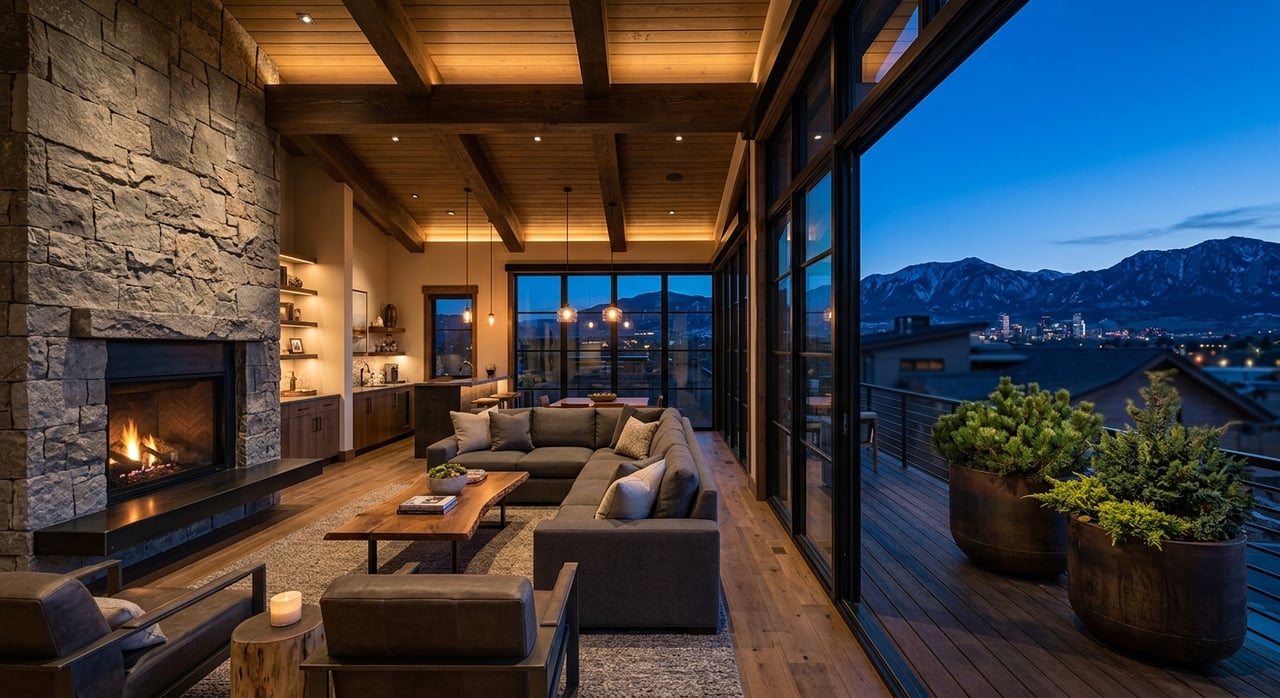
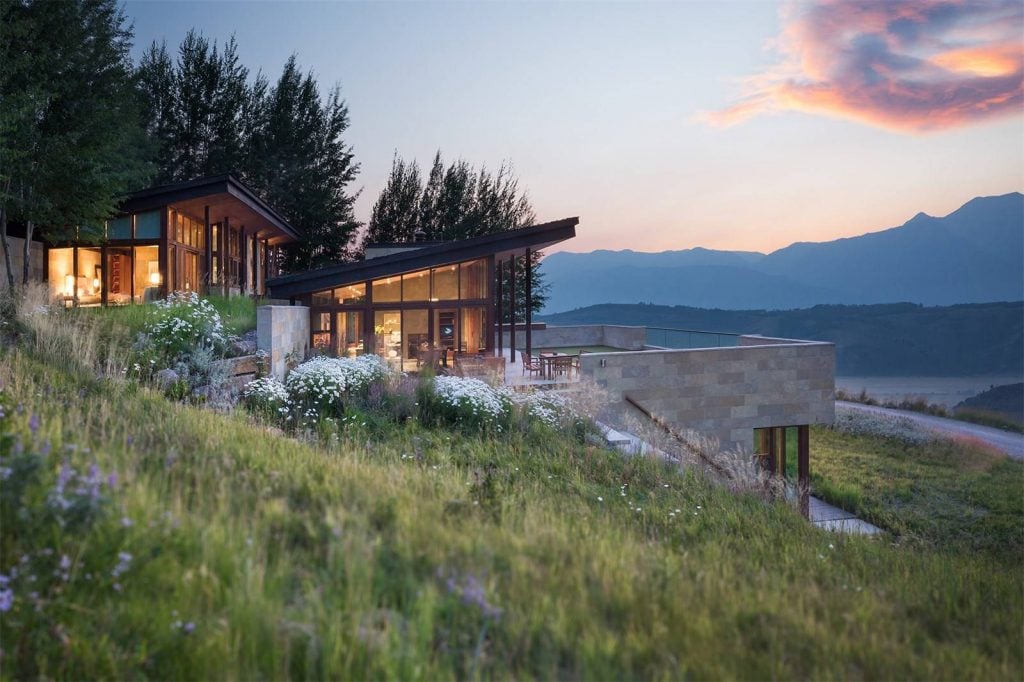
Feature vantage points that capture the full sweep of the Elk Mountains and ski areas at different times of day. Highlight the primary living spaces, terraces, and owner’s suite exposures that showcase the views. Consider an annotated site plan that marks key view axes so buyers can connect photos to physical locations.
Prove privacy without hype
Privacy is a top priority near town. Use a simple map to illustrate distances to neighboring homes, plus any natural screening from mature trees, berms, and topography. If you have recently completed plantings or mitigation, show tasteful before and after imagery to demonstrate the buffer effect.
Detail equestrian operations
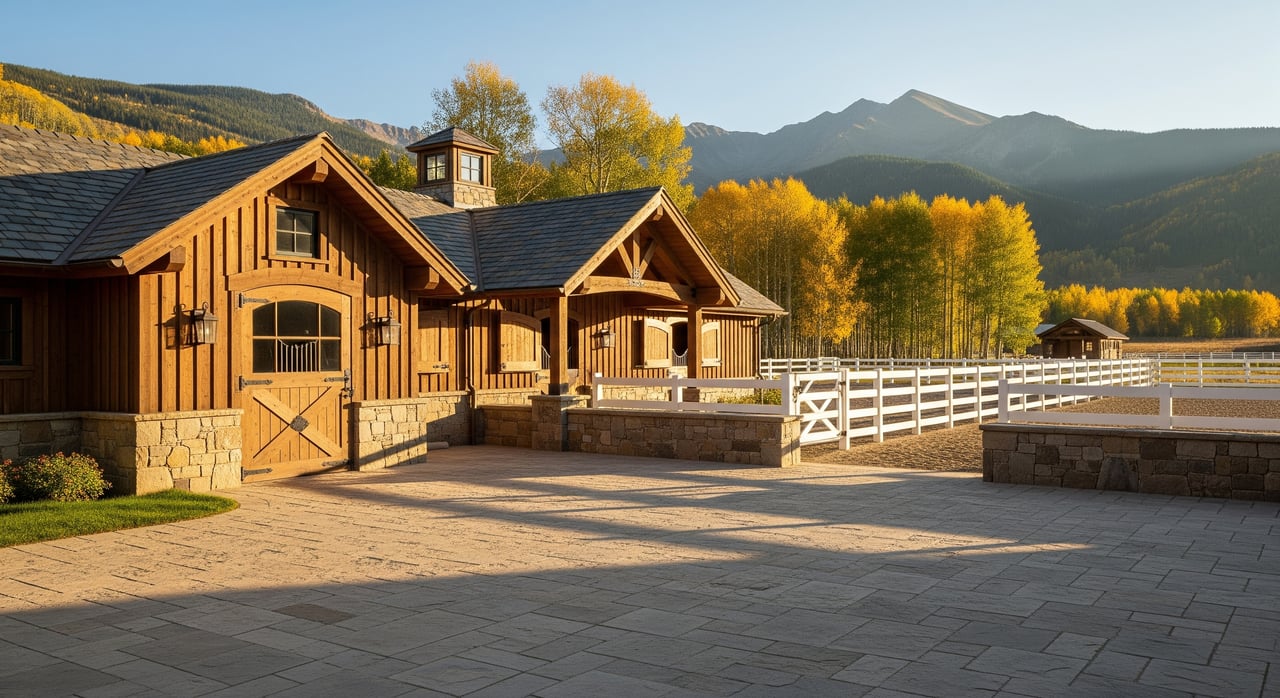
Treat your equestrian program like a product specification. Document stall dimensions and finishes, arena footing type and maintenance schedule, paddock sizes, fencing materials, run-in shelters, hay storage capacity, irrigation for pasture, and livestock water supply. Include a one-page operations summary, such as seasonal staffing needs or typical annual costs, then reference relevant exemptions using the county’s Agriculture Building FAR Exemptions.
Stage the landscape by season
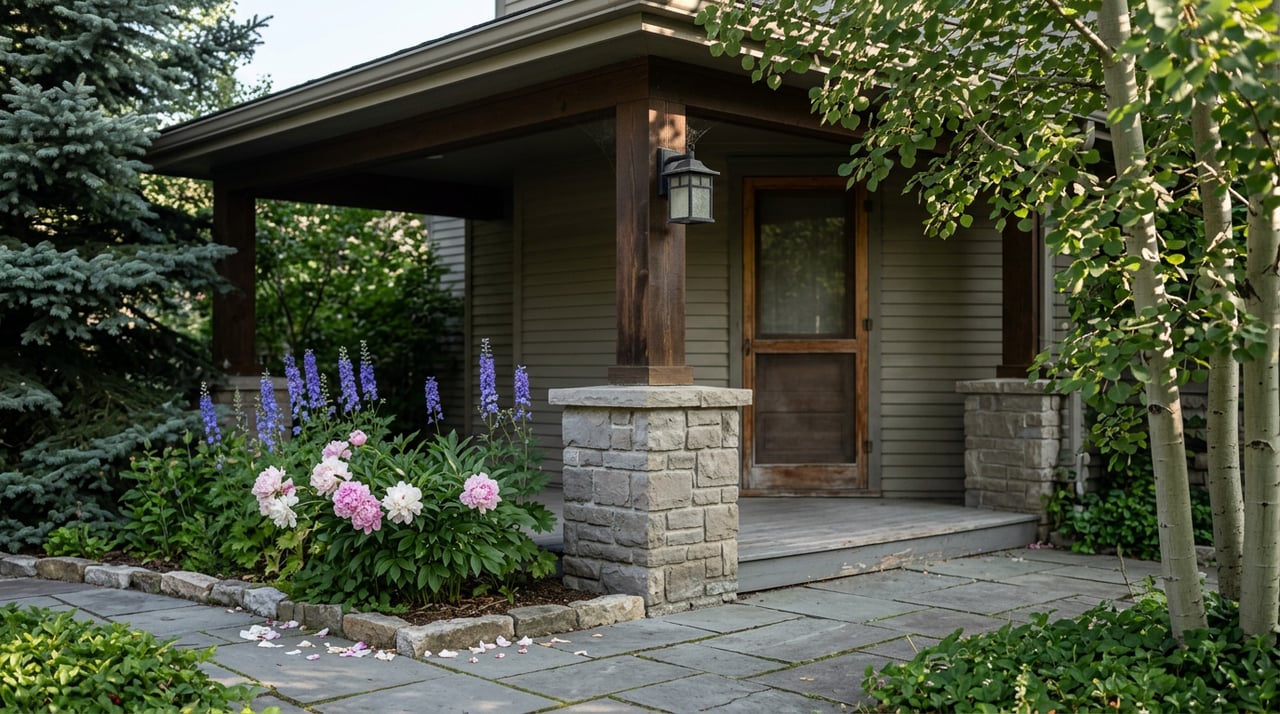
- Spring and summer: lush pasture, meadows, and outdoor play spaces.
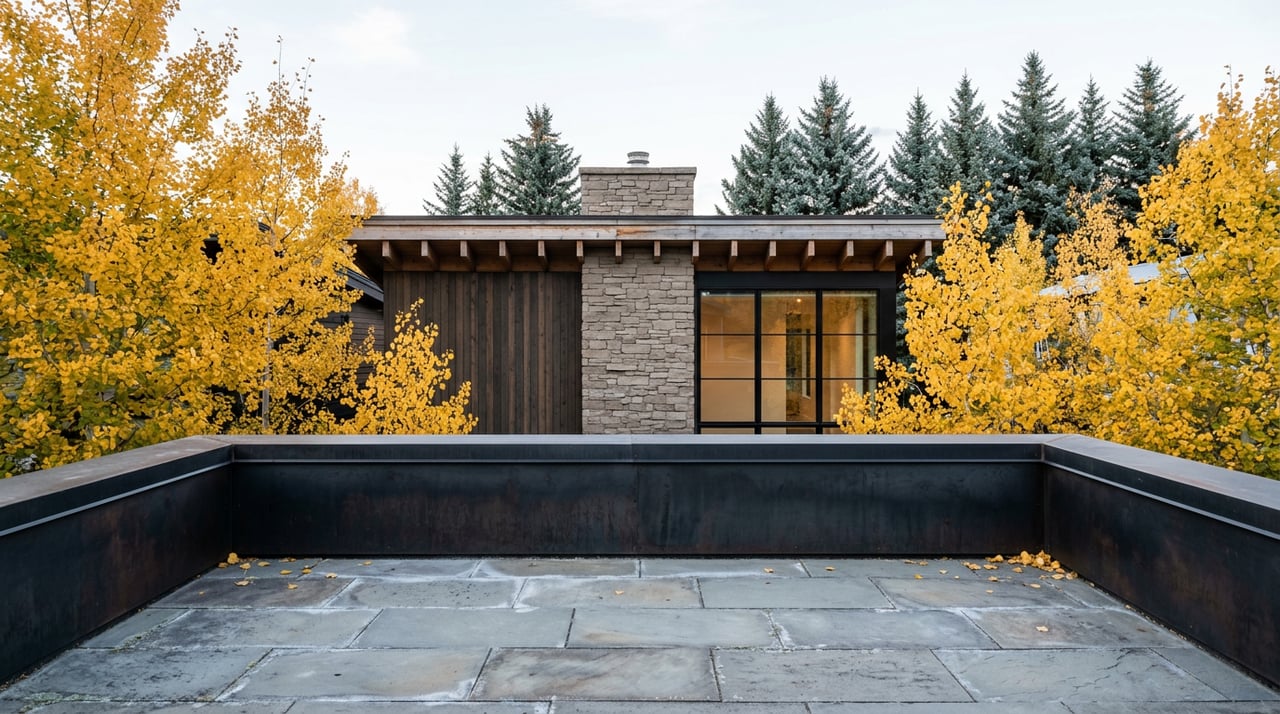
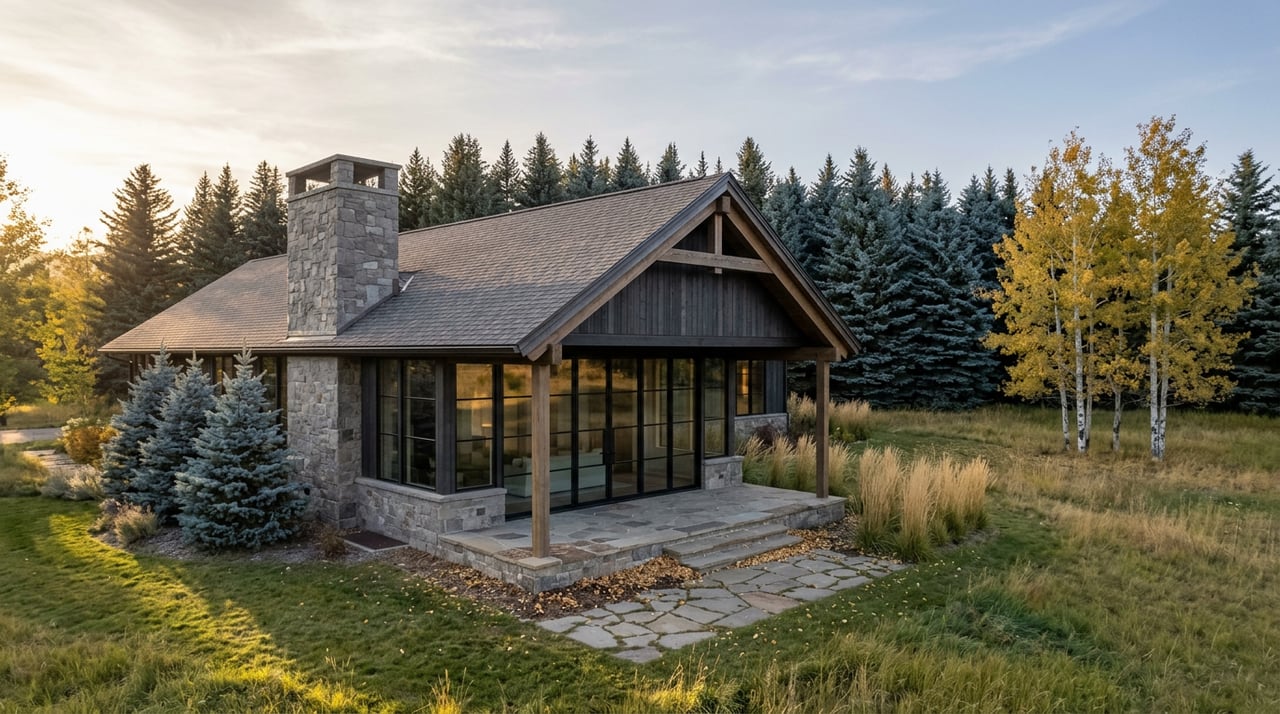
- Fall: aspen color, golden light, and late-season entertaining areas.
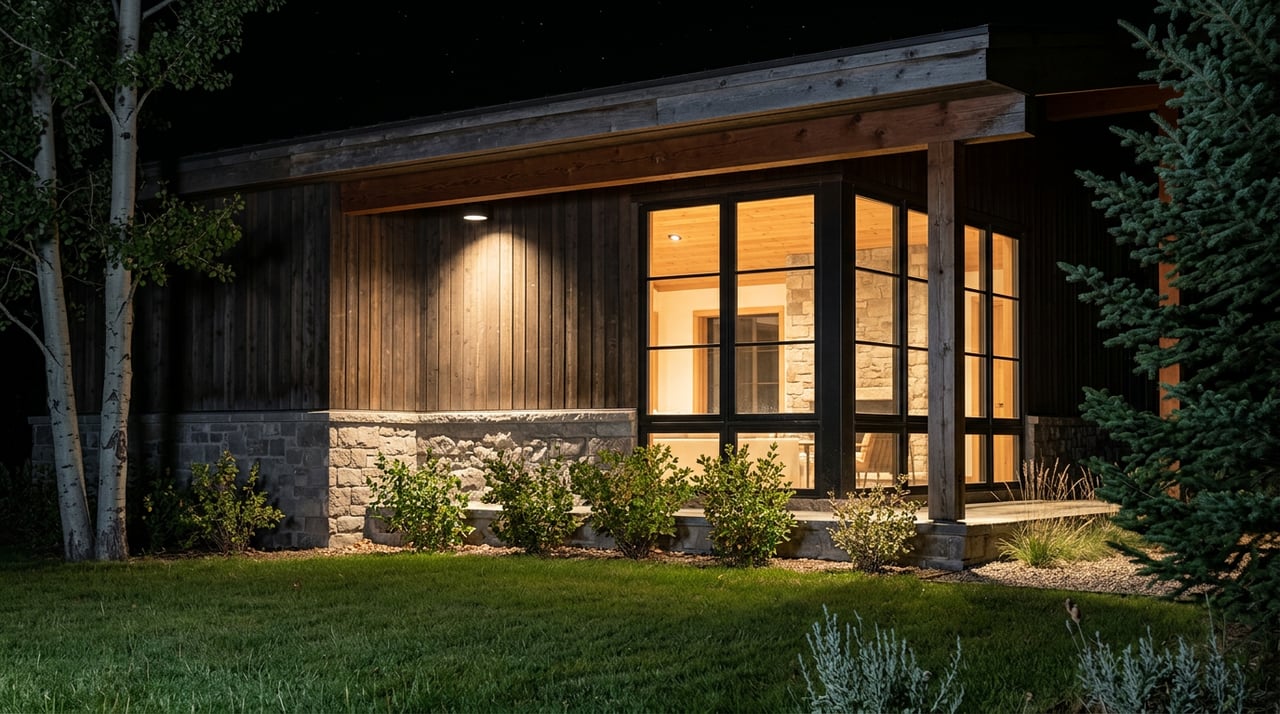
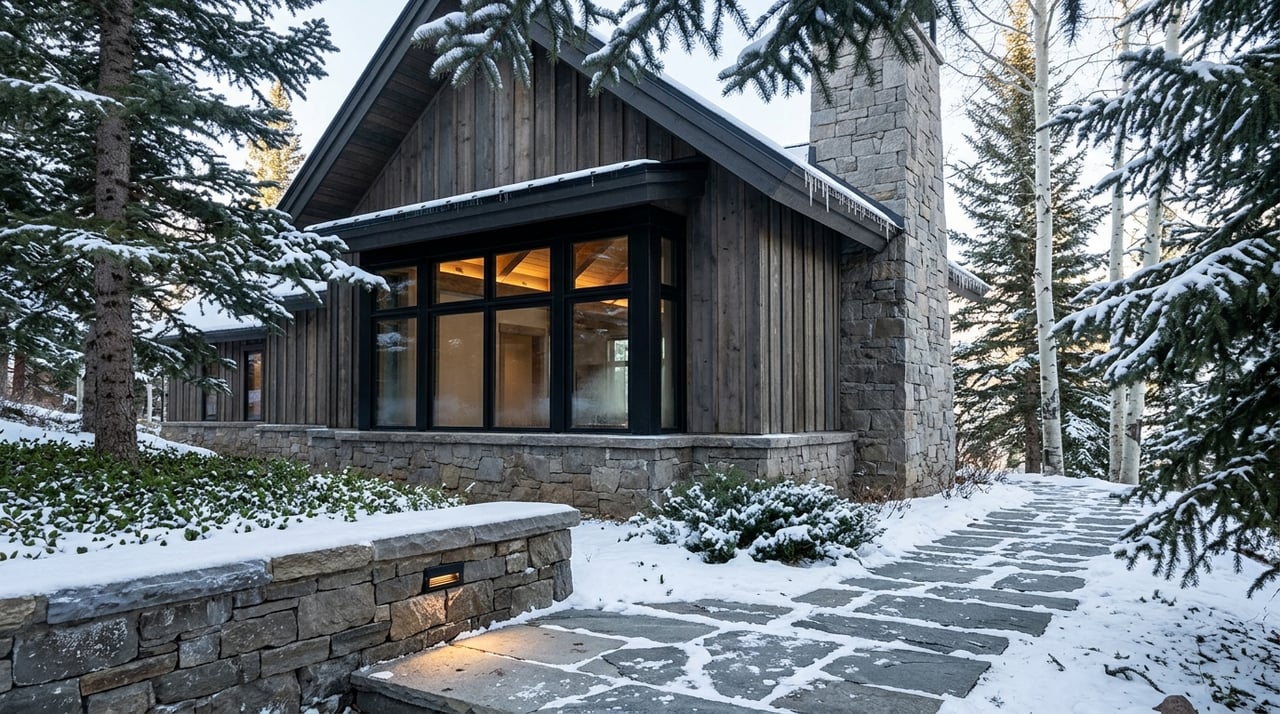
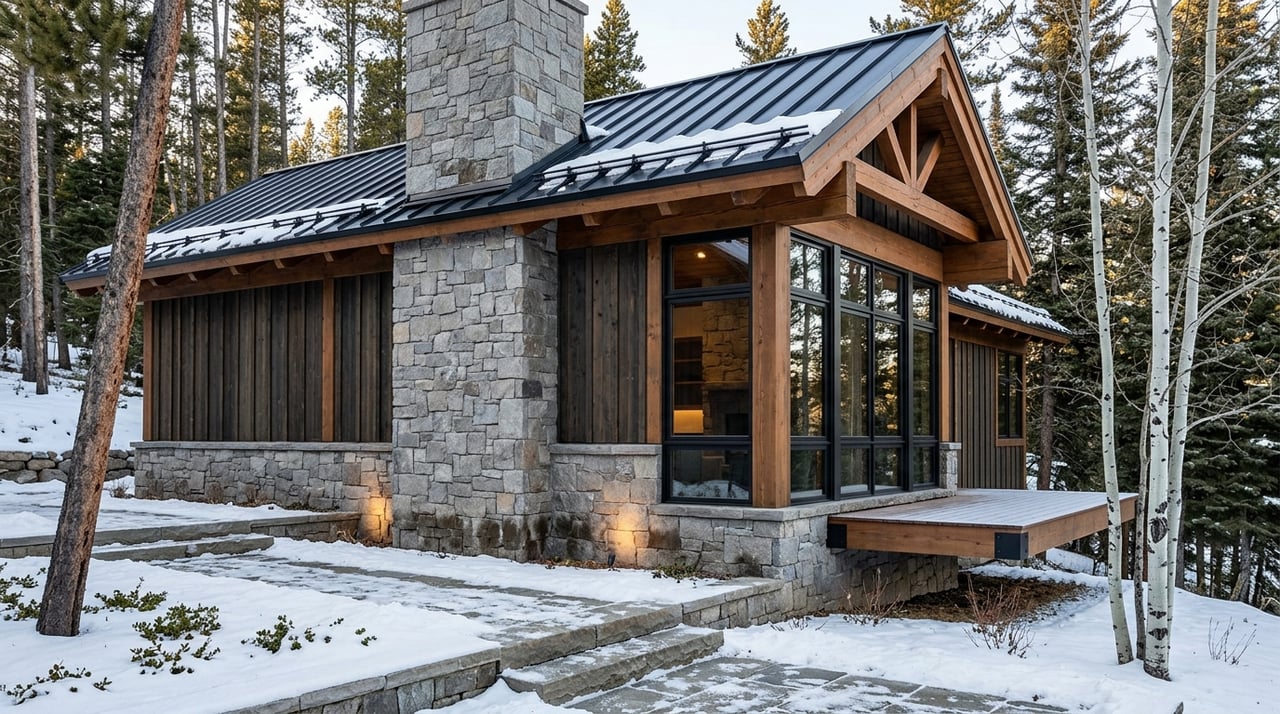
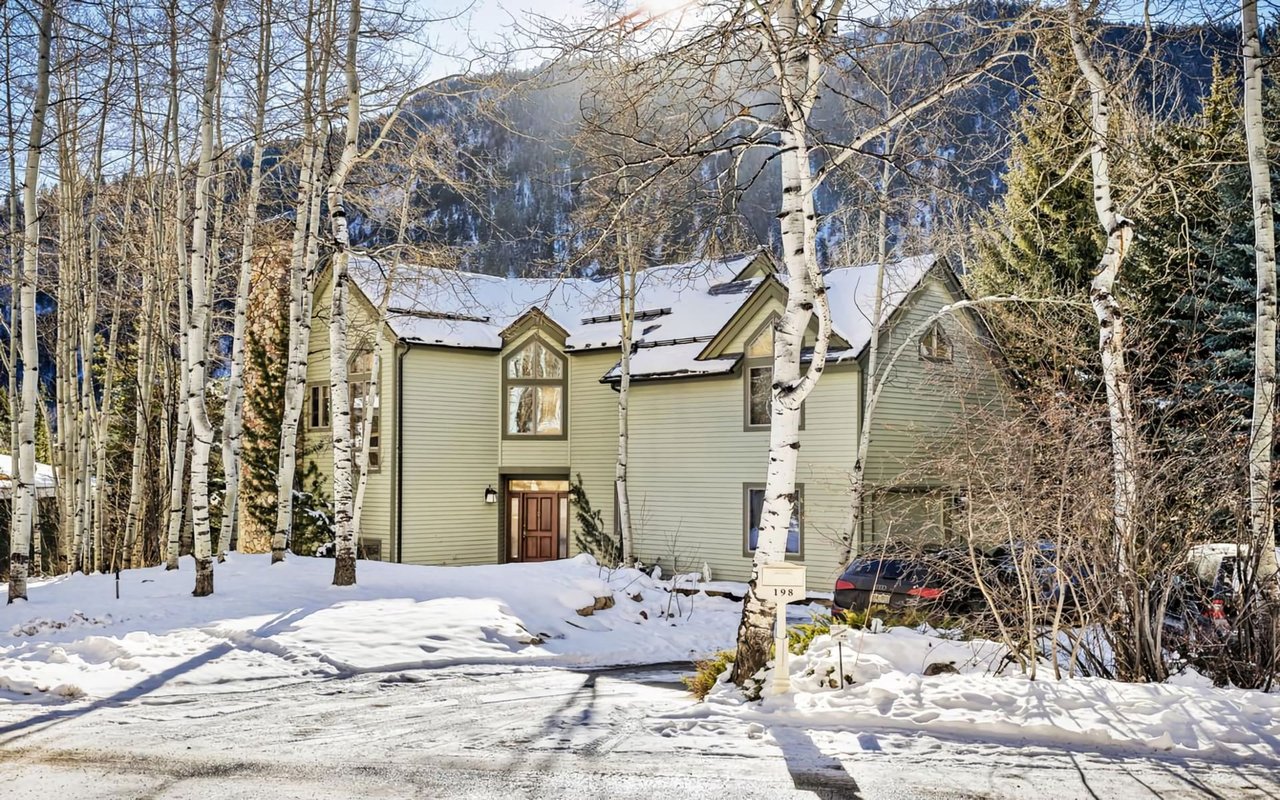
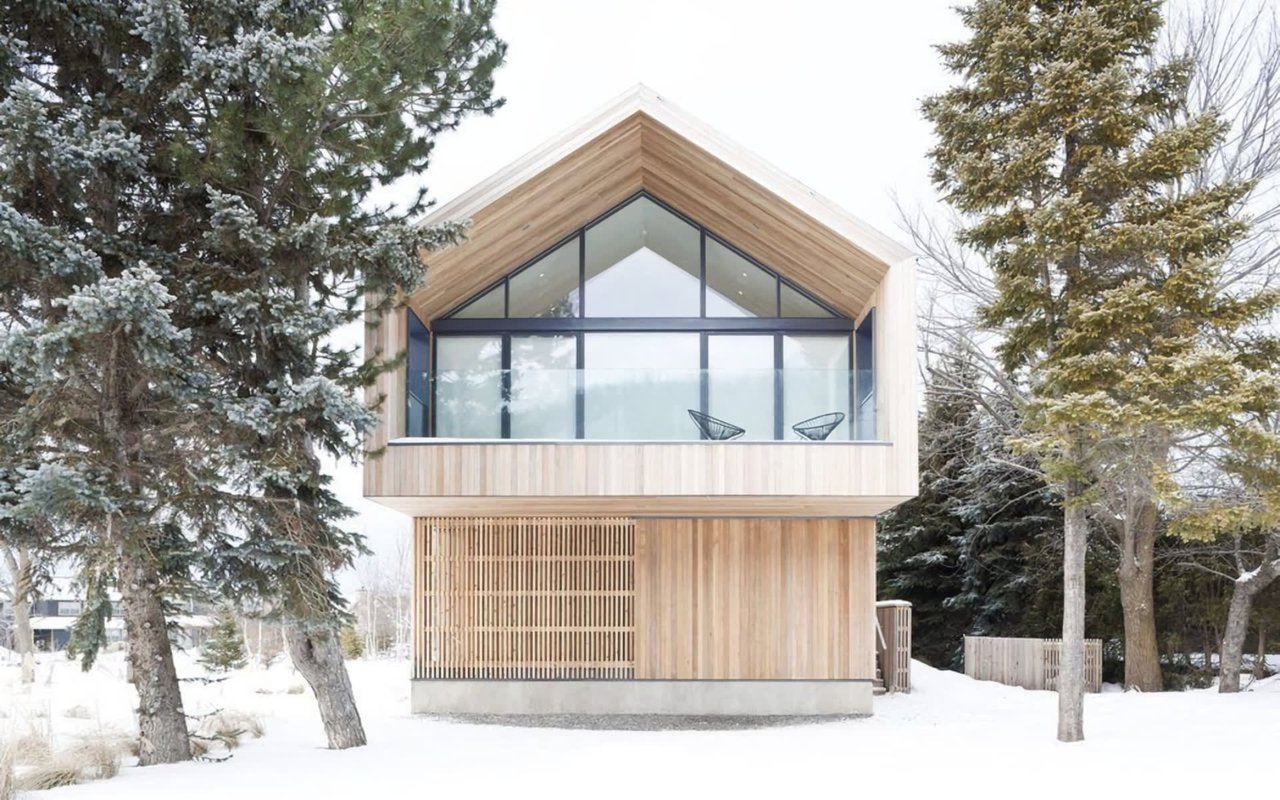
- Winter: groomed access, snow management, and night glow with exterior lighting.
Create alternate image sets to reflect multiple seasons and add short captions so buyers can visualize year-round use.
Build best-in-class visuals and deliverables
Great estates deserve great storytelling. Combine professional media with organized documentation to meet luxury buyer expectations.
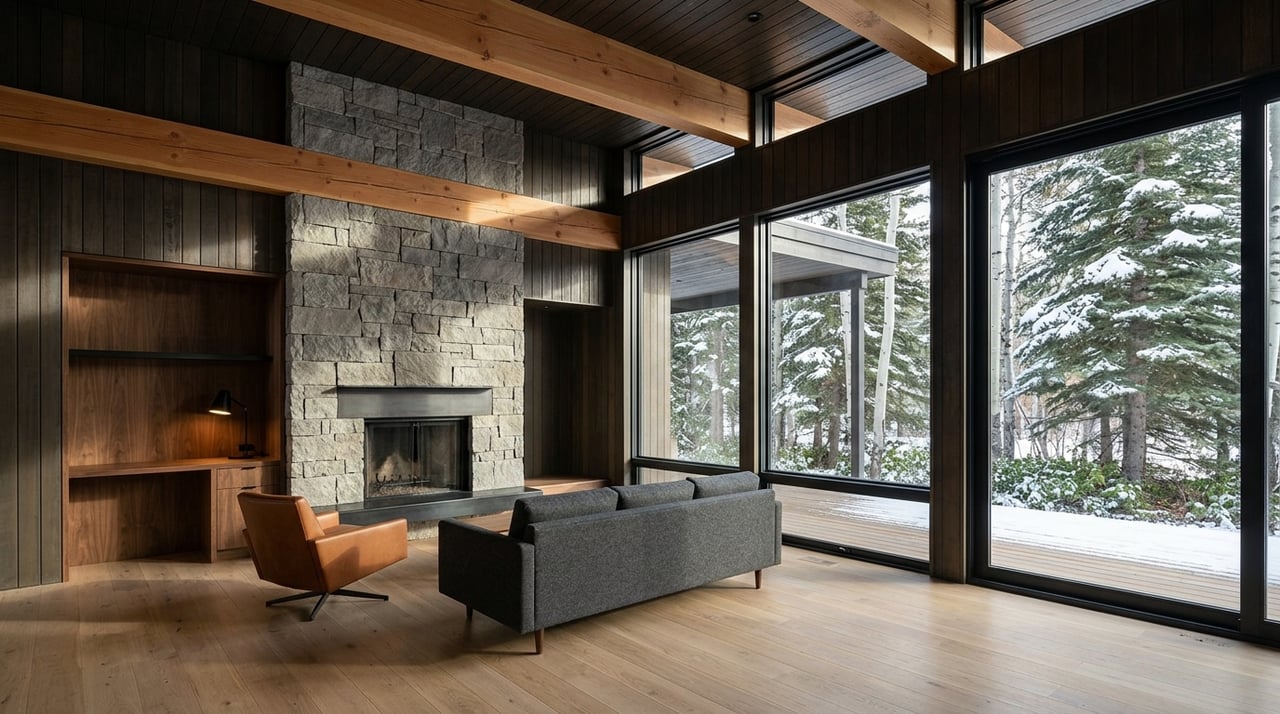
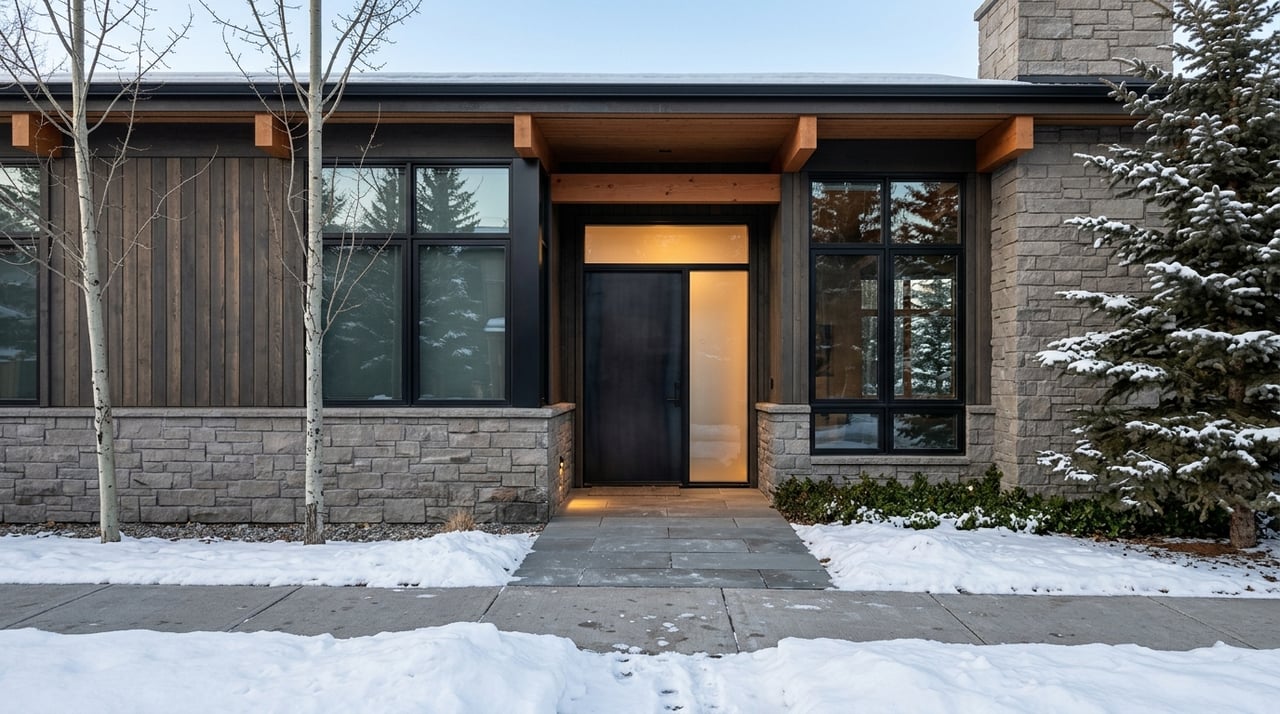
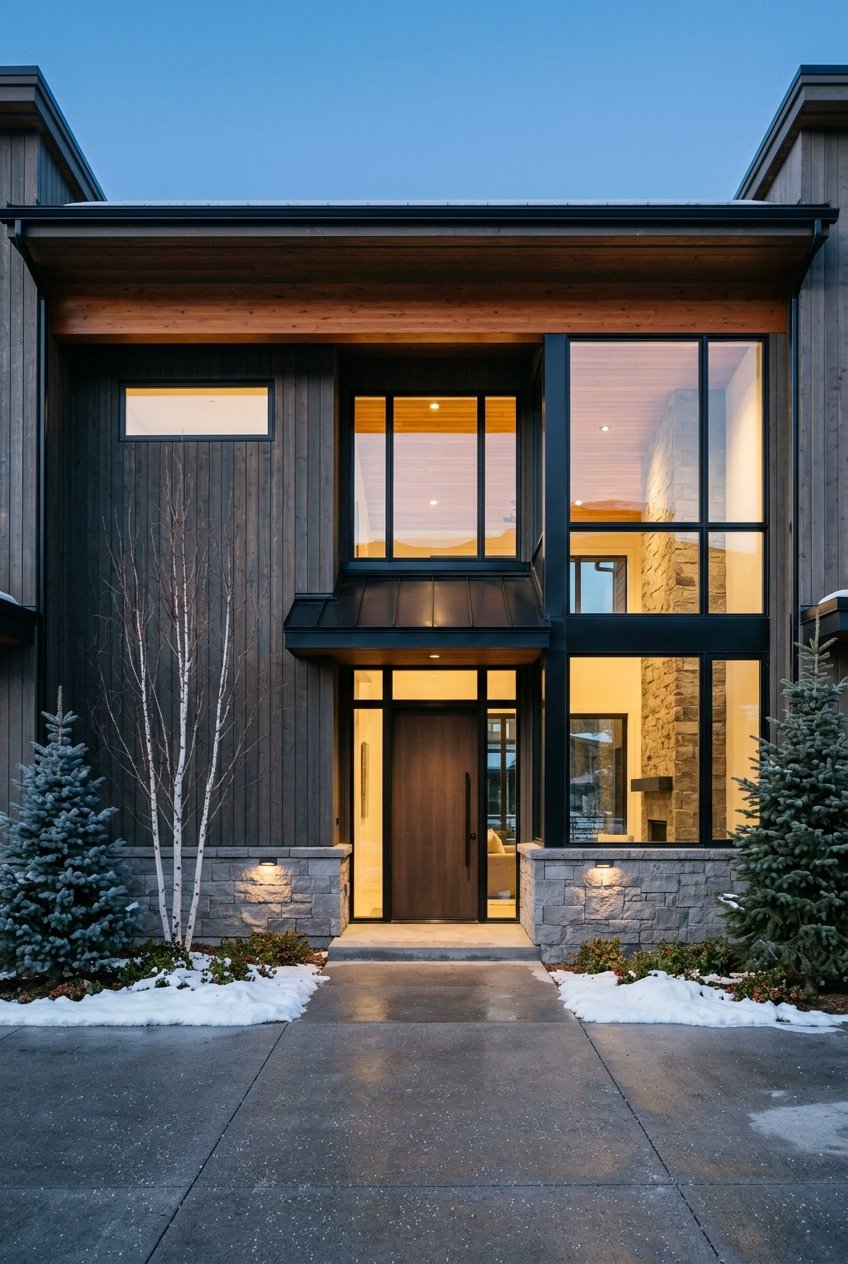
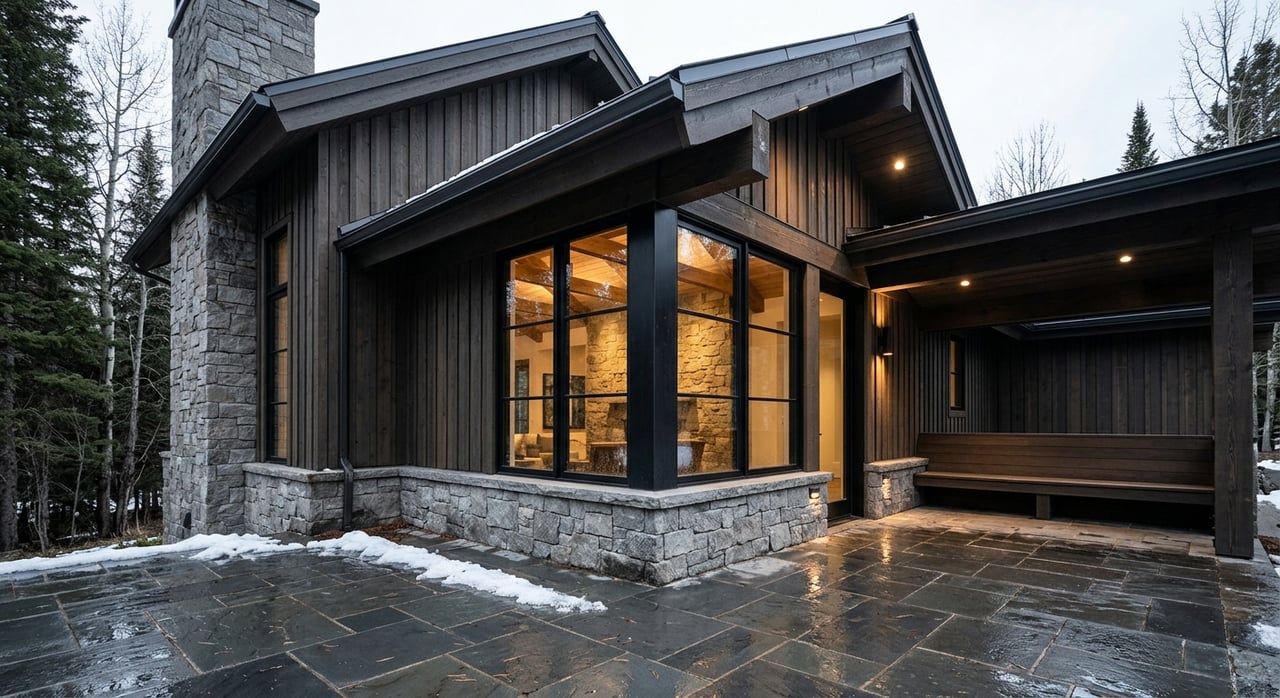
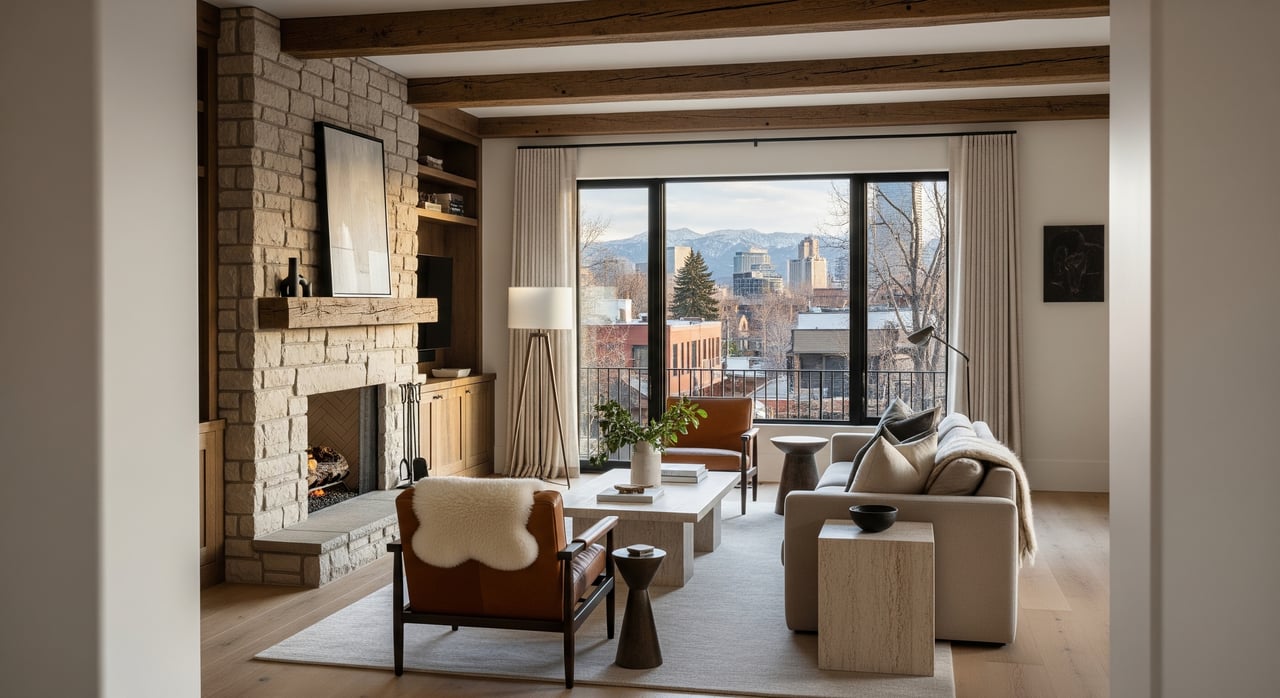
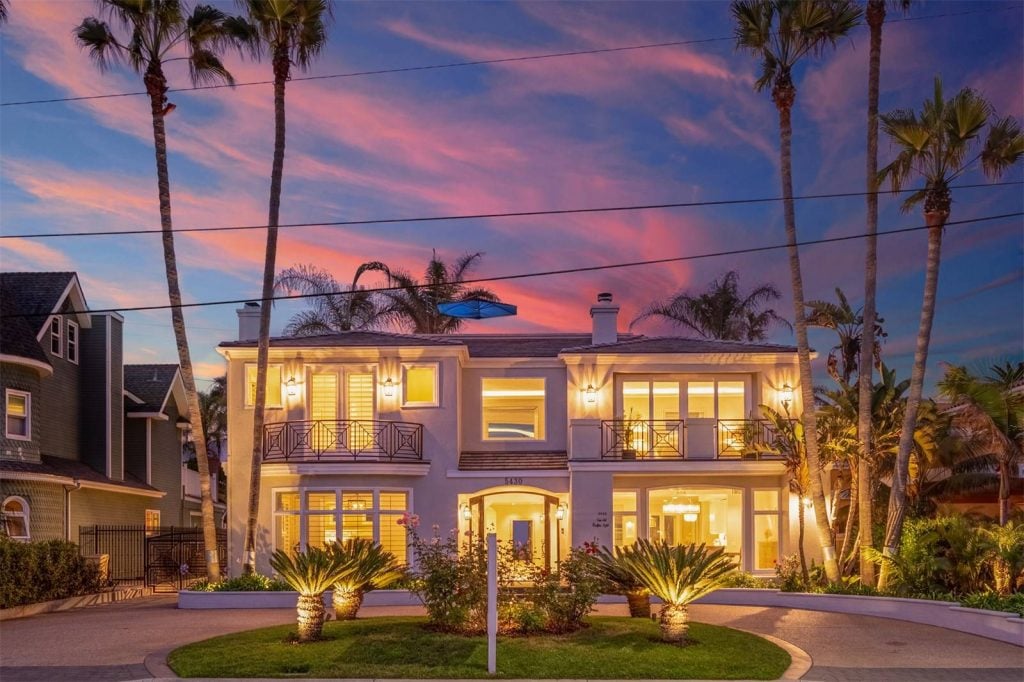
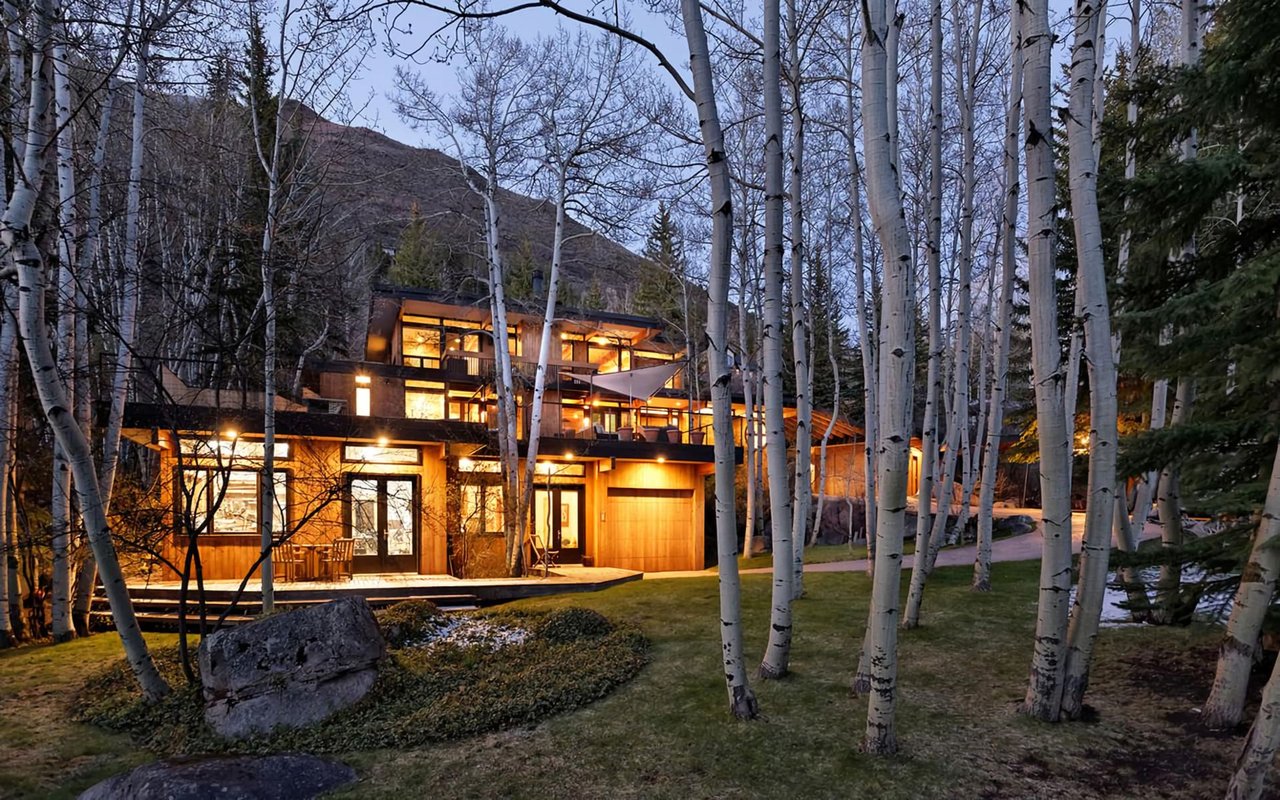
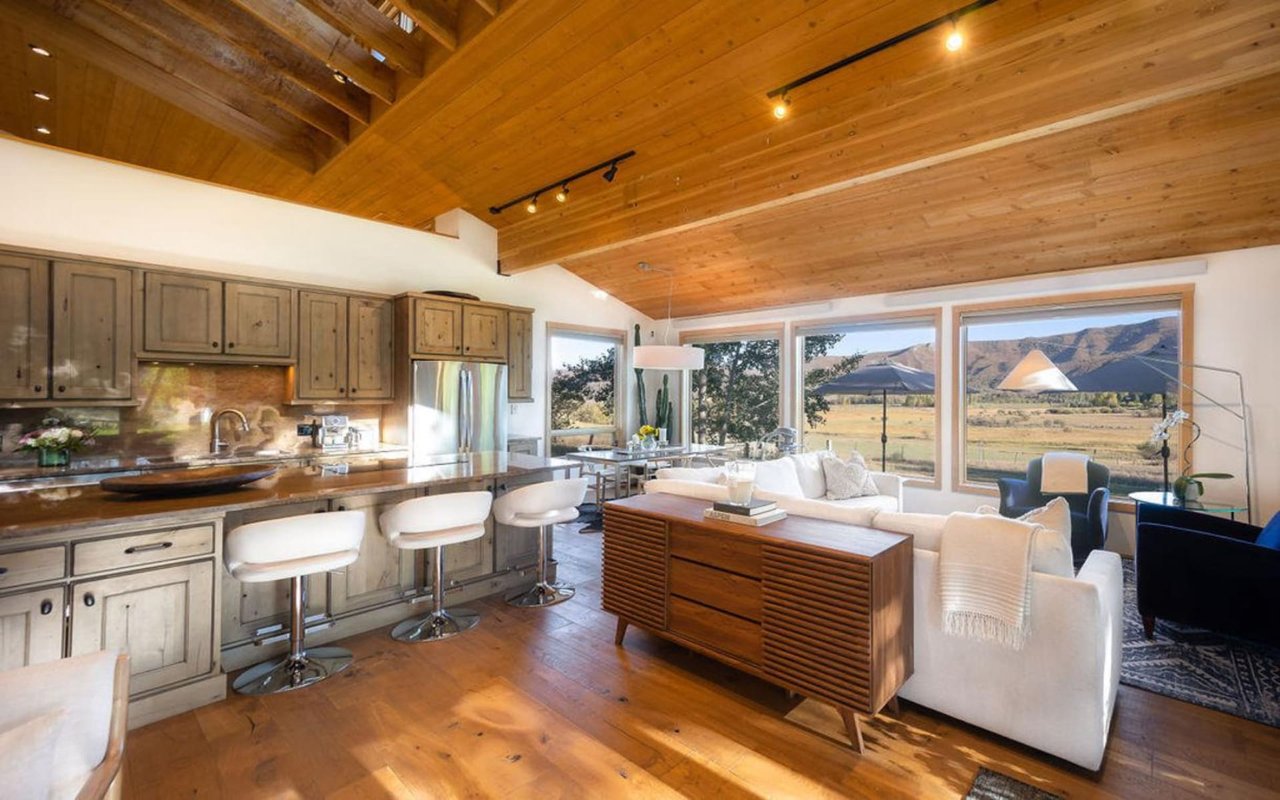
Luxury photography and sequencing
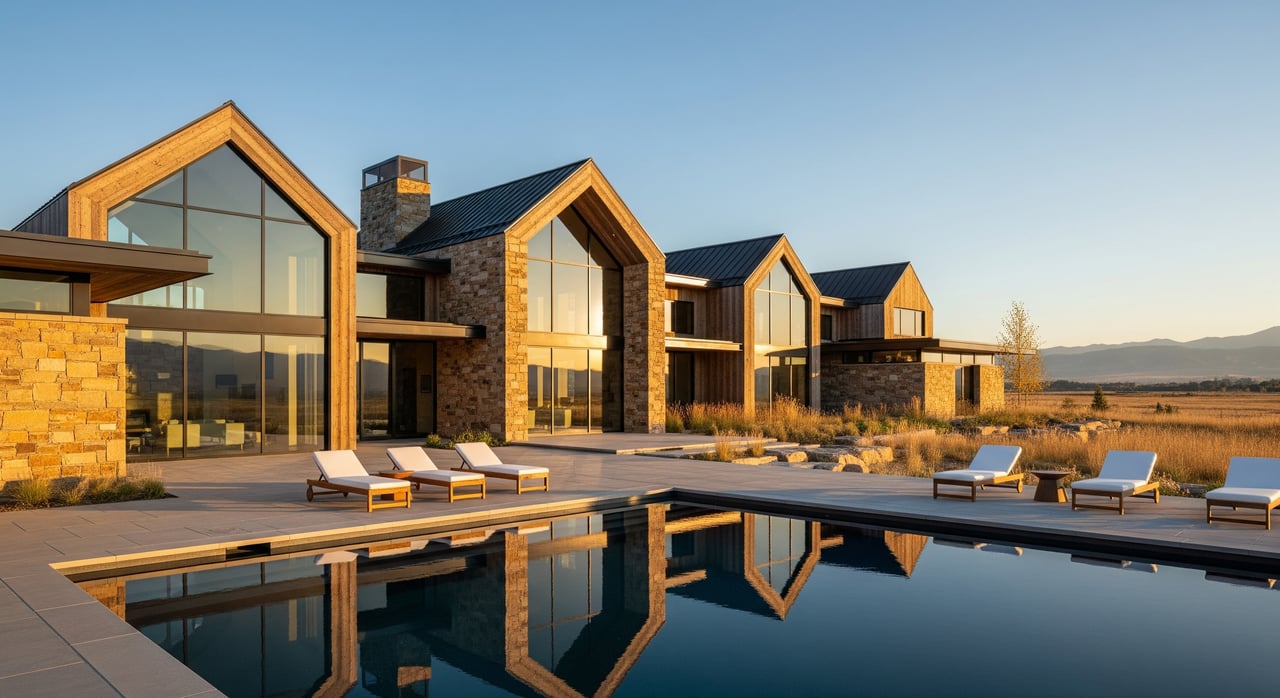
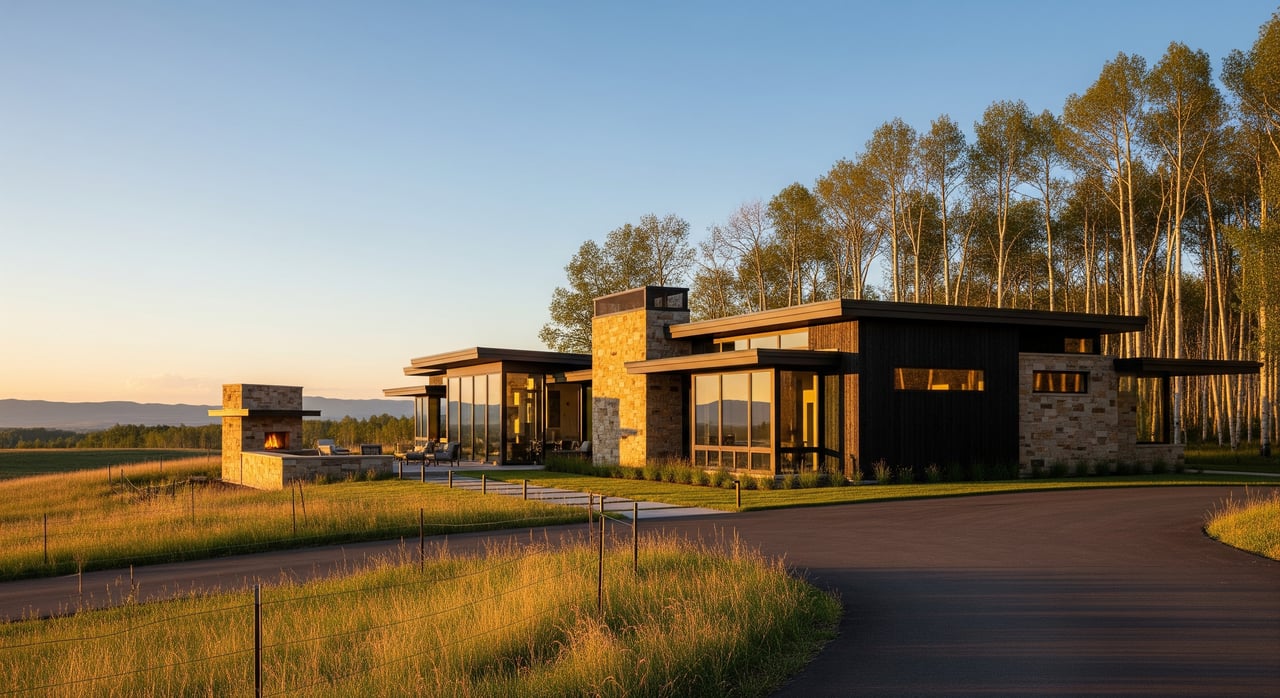
Use a photographer experienced in ultra-luxury listings who can deliver wide-angle interiors for high-altitude light, twilight exteriors that show outdoor living zones, and high-resolution aerials or property-scale videos that reveal acreage and trail proximity. Floor plans, 3D tours, and a concise site plan PDF help buyers orient quickly. Industry research supports the investment. The National Association of Realtors’ report notes that staging and professional imagery can reduce time on market and help buyers visualize a property. Review the 2023 Profile of Home Staging to align your approach.
Drone and aerial compliance
McLain Flats sits near Aspen/Pitkin County Airport, so many aerial shoots require airspace authorization. Hire an insured Part 107 operator who secures clearance through LAANC or FAA DroneZone and documents each flight authorization. You can confirm the rules on the FAA’s page for Part 107 airspace authorizations.
Create a secure buyer data room
Prepare a private, read-only data room for qualified buyers. Include the recorded deed and title report, surveys, current site plan and permits, TDR certificates, well and septic records, water rights documentation, inspection summaries, wildfire documentation, and your equestrian operations summary. If any APCHA or other deed restrictions apply, disclose them early and include a link to APCHA’s Resident-Occupied program overview.
A 90-day pre-listing timeline
Use this sequence to go to market with confidence. Adjust for seasonality and your property’s complexity.
- T-90 to T-60 days: Order title, update your ALTA or boundary survey, request your land-use file from Pitkin County, confirm TDR status, and schedule well, septic, and whole-house inspections. For context on development rights, review the county’s TDR program summary.
- T-60 to T-30 days: Complete high-impact repairs like roof or mechanical, execute defensible-space work and document it, finalize a landscape refresh, confirm staging, and lock photographer dates. Local programs such as Aspen Fire’s wildfire work can help inform your plan.
- T-30 to T-10 days: Capture exterior day, interior, and twilight photography. Schedule aerials once you have authorization under FAA Part 107. Build your virtual tour, floor plans, and data room. Draft marketing copy that accurately reflects permitted development rights without overstatement.
- Listing week: Open the data room to prequalified buyer reps. Ensure showings are staged and that team members can answer equestrian and systems questions. Provide a contact list for key vendors like your well driller, septic provider, and landscape contractor. Pitkin County’s OWTS maintenance provider list is a helpful reference for buyers.
Quick seller checklist
Use this concise list to confirm you are market-ready.
- Title, surveys, and land-use file organized and current.
- TDR certificates and any approvals or permits compiled.
- Water rights, ditch shares, well logs, and water tests summarized.
- Septic permits and maintenance records ready to share.
- Wildfire mitigation work documented with photos and invoices.
- Equestrian assets inventoried with an operations summary.
- Professional photos and aerials complete, with floor plans and site plan.
- Private data room staged for qualified buyers.
Aspen’s most discerning buyers want proof, not promises. When you pair an estate’s natural drama with complete documentation and compliant marketing, you create the clarity that unlocks decisive offers.
If you are planning to list your McLain Flats property and want a white-glove plan from valuation to global exposure, let’s talk. Start a private conversation with Dayna + Mandy - Mandy Welgos to position your estate for maximum impact.
FAQs
What should McLain Flats sellers know about Transferable Development Rights in Pitkin County?
- TDRs can increase allowed floor area on eligible receiving sites. Package recorded certificates, approval letters, and any permits, and share the county’s TDR overview and program summary with qualified buyers.
How do agricultural building exemptions affect equestrian estates in Aspen?
- Certain barns, hay storage, and loafing sheds may be exempt from residential FAR if they meet county criteria. Confirm status and provide buyers the Agriculture Building FAR Exemptions.
Which water rights documents matter most when selling acreage in Pitkin County?
- Include well permits and logs, any adjudicated surface or ditch rights, irrigation agreements, and a usage summary. Direct buyers to the state’s Colorado water law title for statutory context.
What septic and well records should Aspen sellers provide to reduce contingencies?
- Share septic permits and maintenance records, any OWTS operating permits, and your provider’s contact. You can reference the county’s OWTS maintenance providers list for continuity.
How should I document wildfire mitigation for a McLain Flats listing?
- Compile invoices, photos, and any correspondence with fire authorities. The county’s Community Wildfire Protection Plan and Aspen Fire’s wildfire programs offer guidance buyers respect.
Are there special rules for drone photography near Aspen/Pitkin County Airport?
- Yes. Use a Part 107 certified operator who secures airspace authorization through LAANC or FAA DroneZone and documents each flight. See FAA guidance on Part 107 airspace authorizations.