If you own on Red Mountain, you are not selling into an ordinary luxury market. You are competing in one of the highest-priced pockets in Aspen, where buyers tend to weigh view lines, privacy, design, and renovation readiness with real precision. In this snapshot, you’ll get a grounded look at current market conditions, what is driving value on Red Mountain, and how to shape a smarter seller strategy in 2026. Let’s dive in.
Red Mountain market snapshot
Red Mountain remains at the top of Aspen’s pricing ladder, but the market has become more selective. Realtor.com’s April 2026 snapshot shows 8 homes for sale, a median listing price of $25.75 million, and a median list price of $4,384 per square foot. It also reported a median rent of $100,000 per month, which reinforces the neighborhood’s rarefied position within Aspen.
Recent sales data point in the same direction, though the sample is very small. Redfin’s January 2026 neighborhood data showed a median sale price of $30.23 million, 99 days on market, and only one closing. In a micro-market this tight, numbers can shift quickly, so it is best to read them as directional rather than as a stable index.
The broader Aspen backdrop matters too. Aspen’s 2025 year-end report showed strong momentum, with total dollar sales reaching $2.16 billion, unit sales up 5% year over year, and active listings in November down 8% year over year. The Sep-Nov single-family median reached $19.125 million, underscoring how firmly the upper end had been holding.
Then Q1 2026 brought a pause. Combined Aspen and Snowmass dollar sales fell 51% year over year to $360.6 million, while unit sales dropped 39% to 48. Sales above $10 million also fell sharply in dollar volume, even as March under-contract activity doubled year over year in both Aspen and Snowmass, suggesting many buyers were waiting rather than leaving the market altogether.
Why Red Mountain commands a premium
Views, sun, and privacy
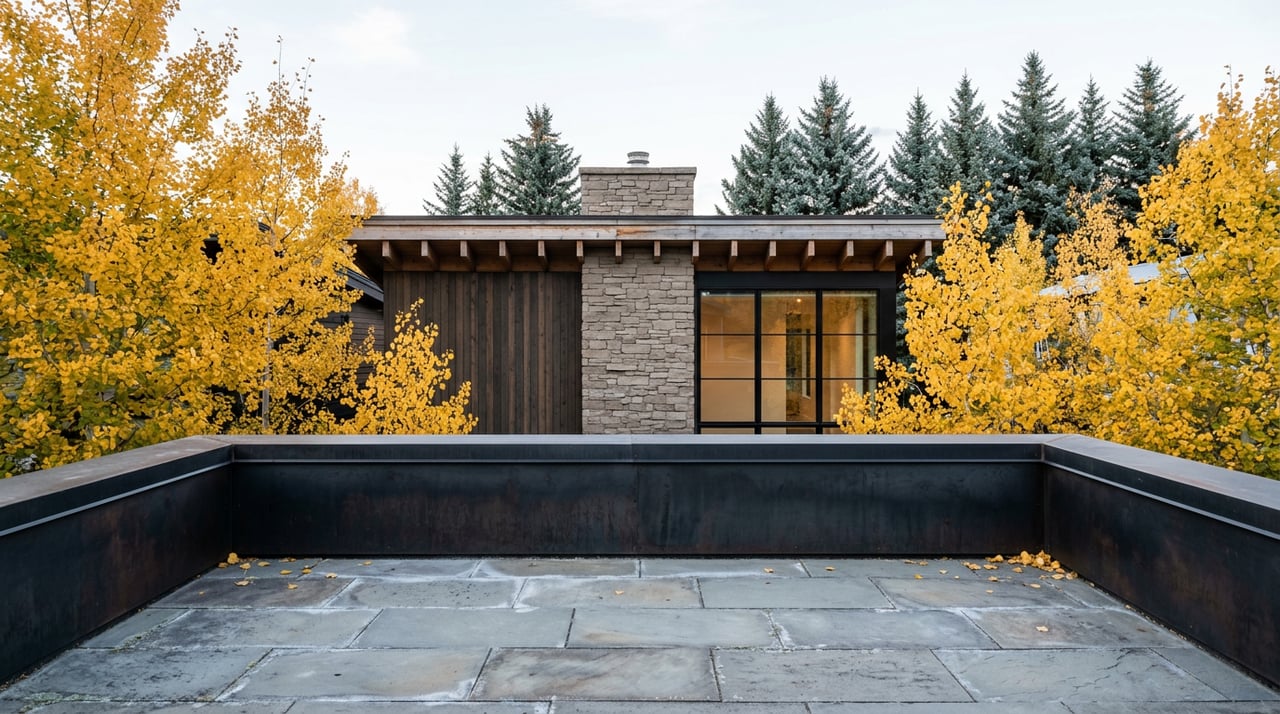
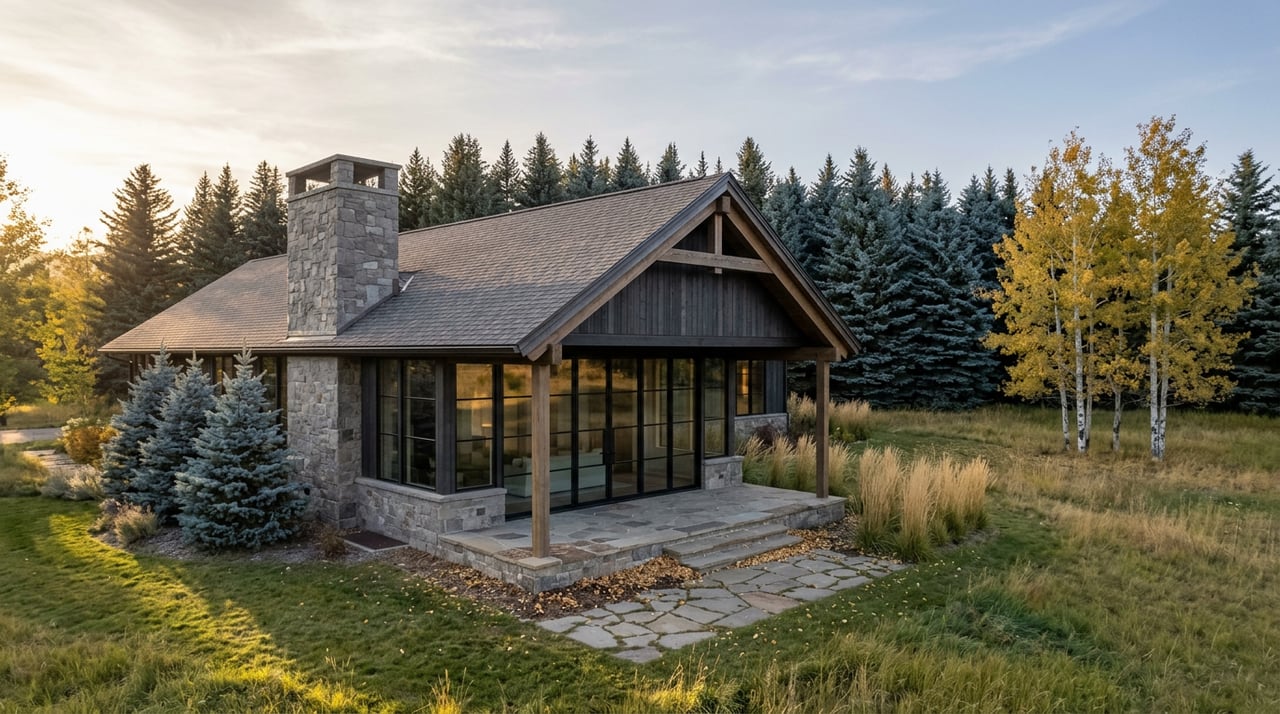
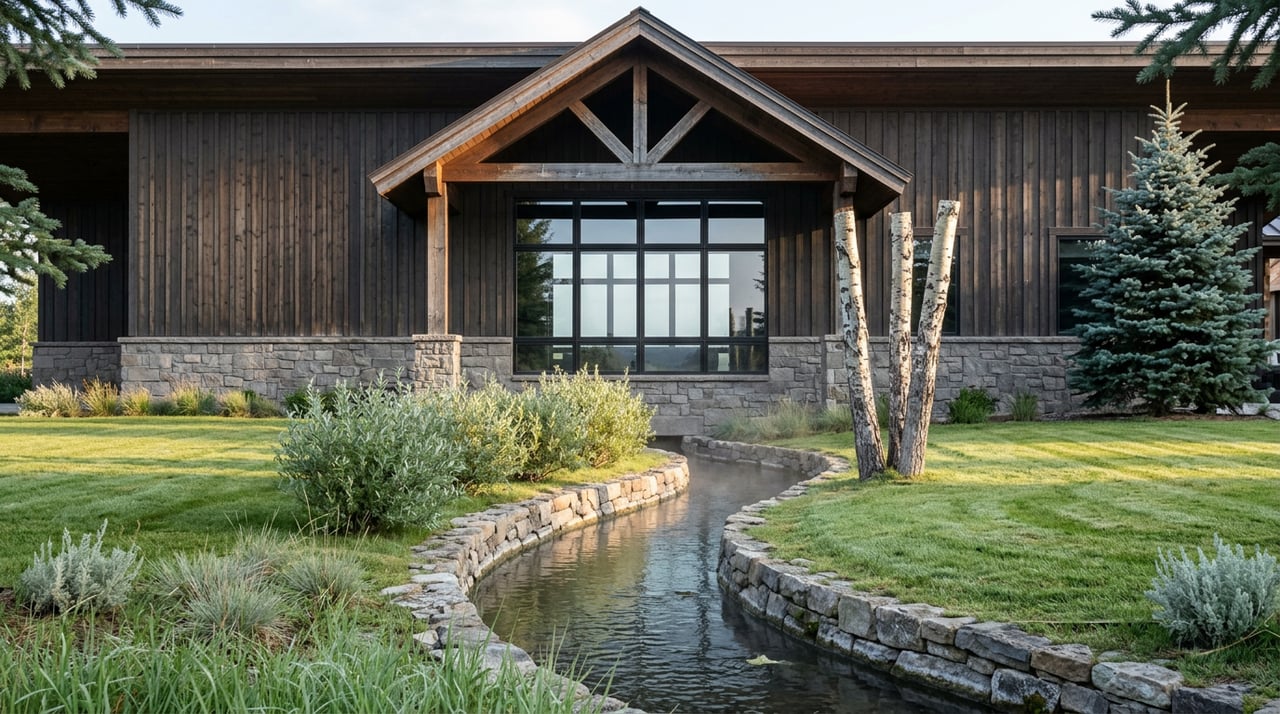
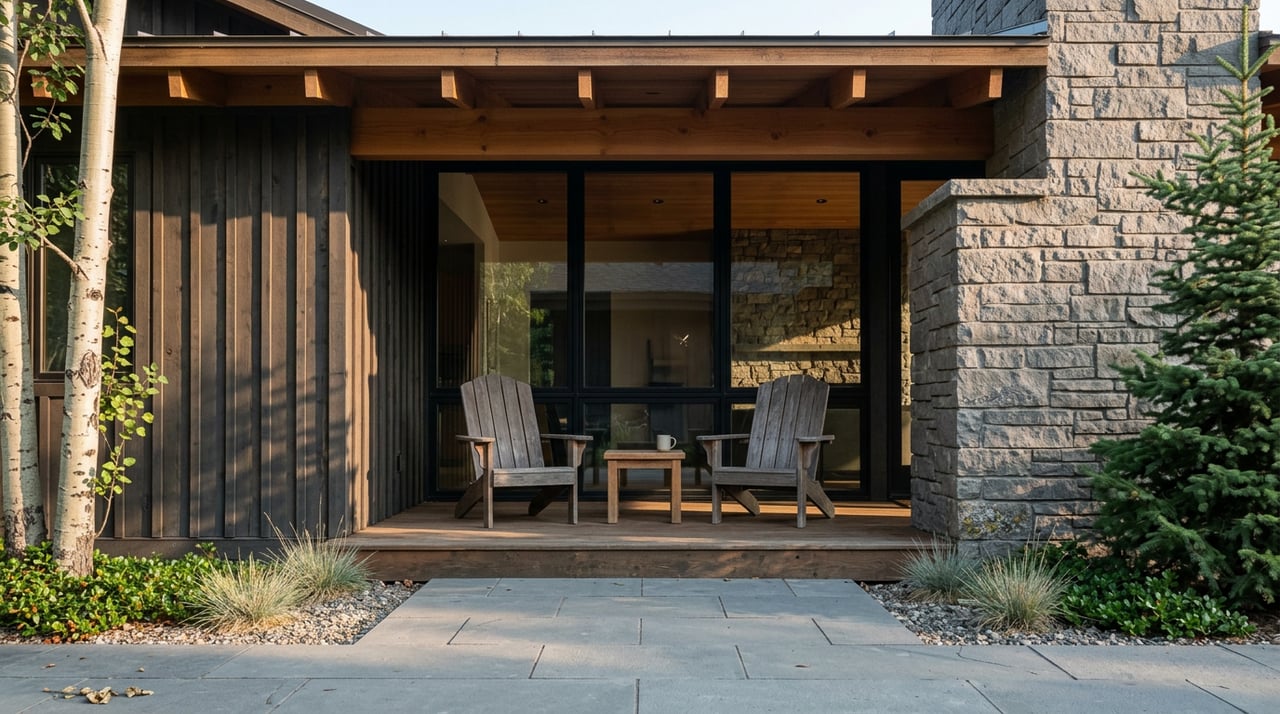
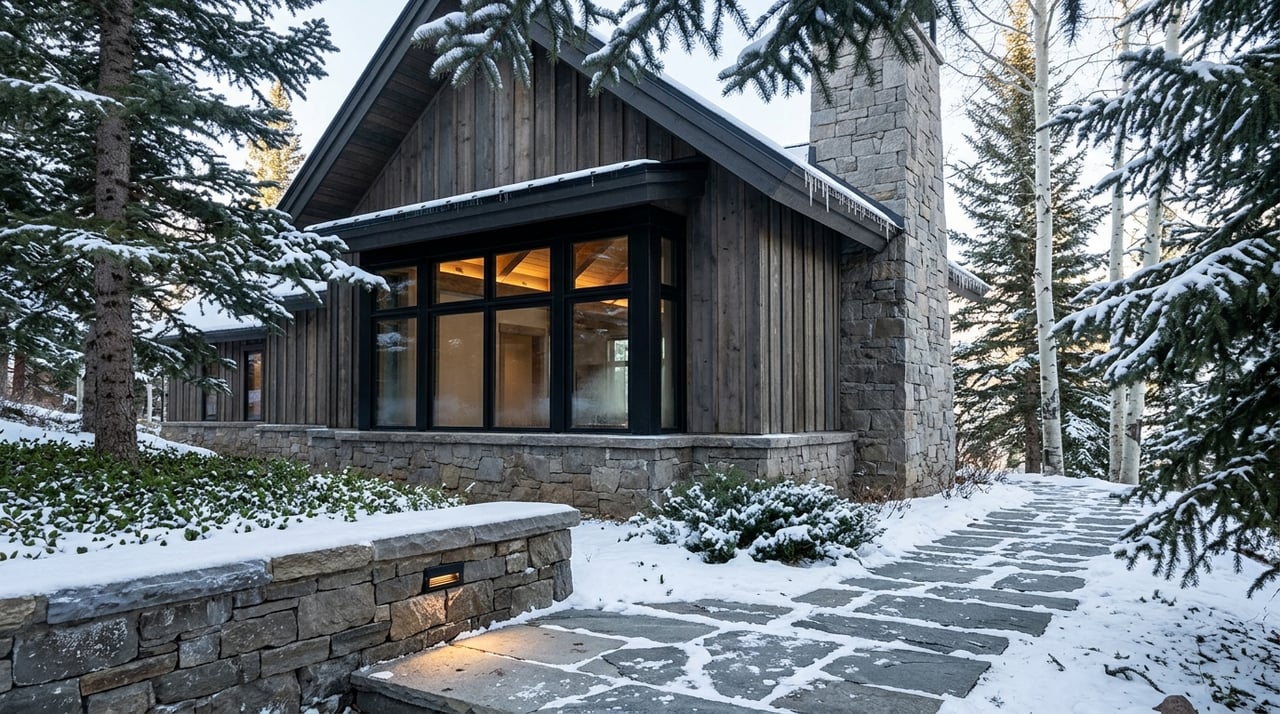
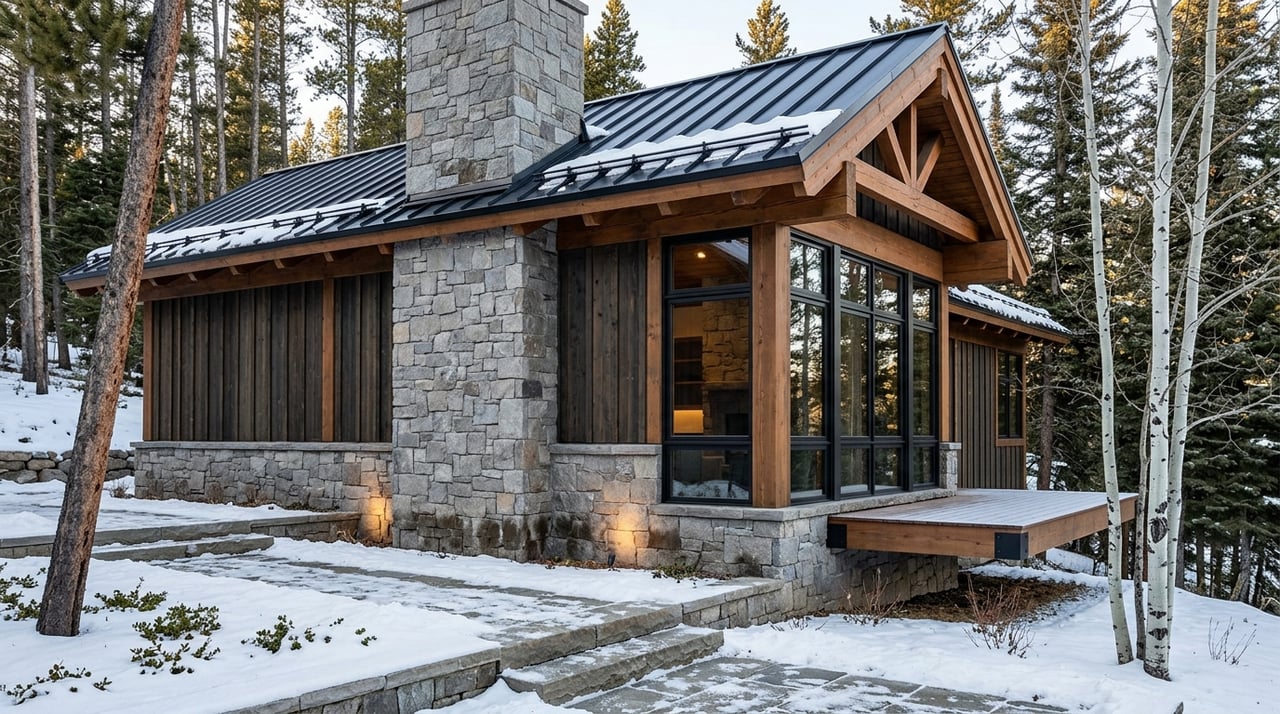
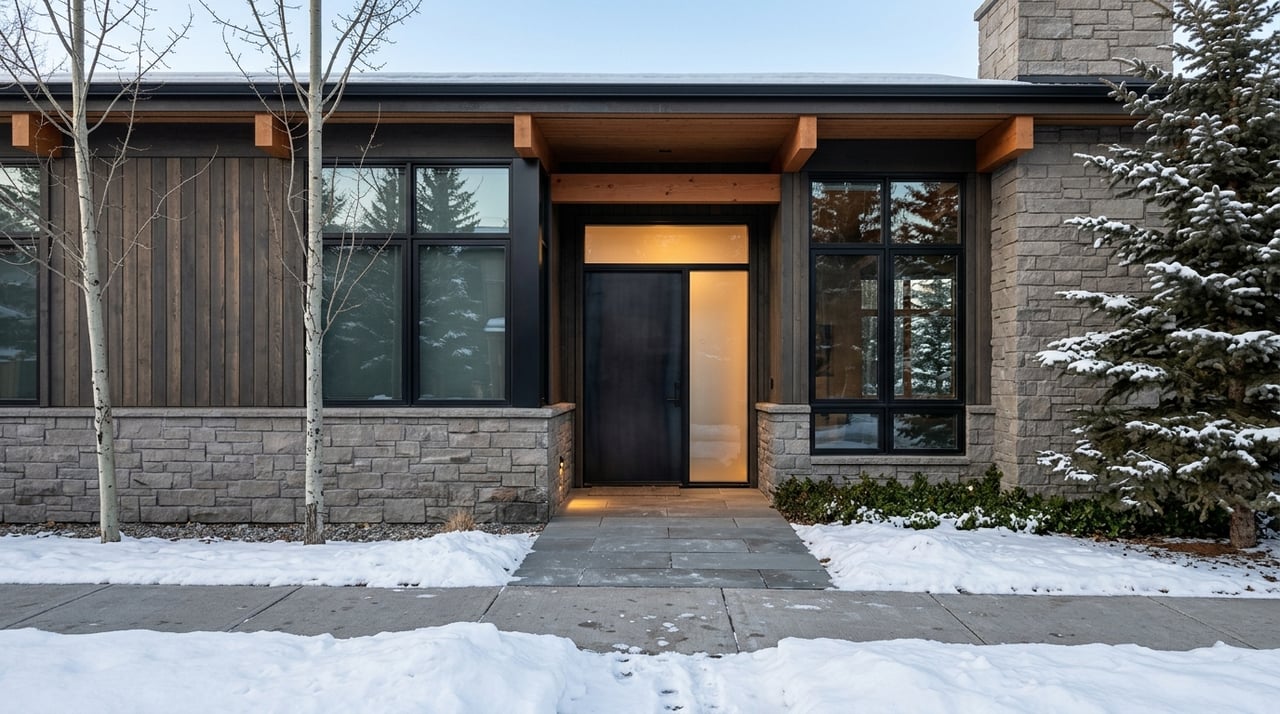
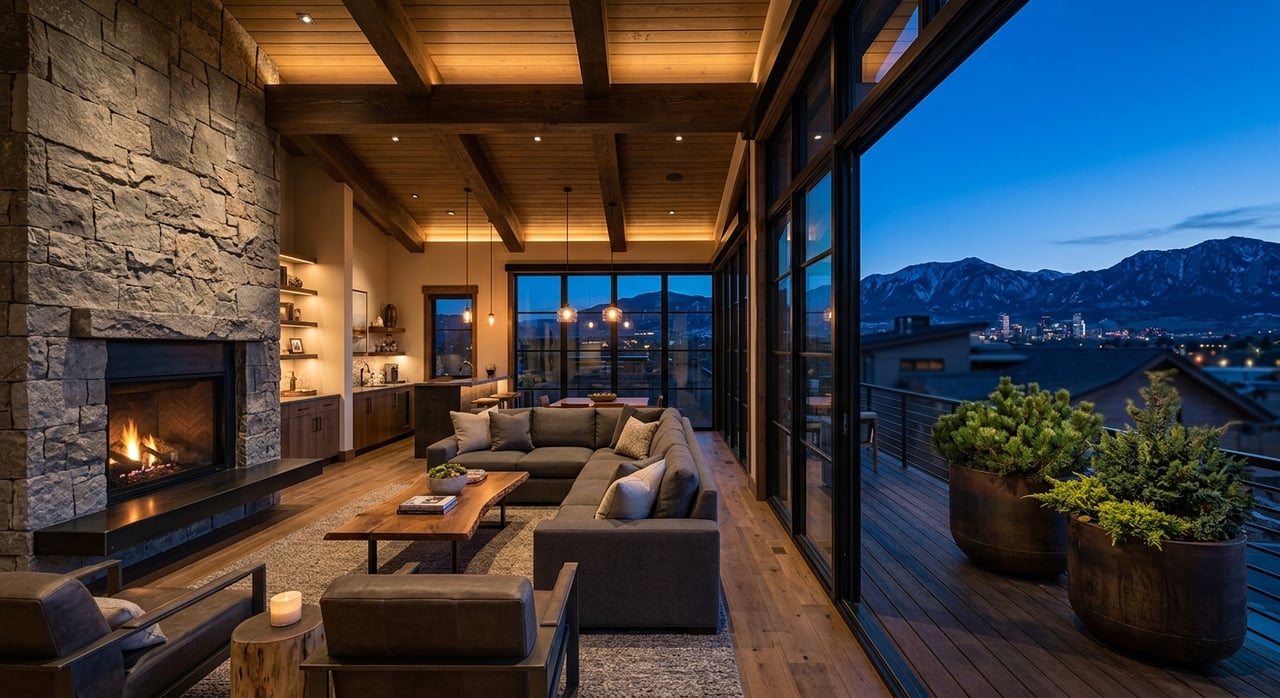
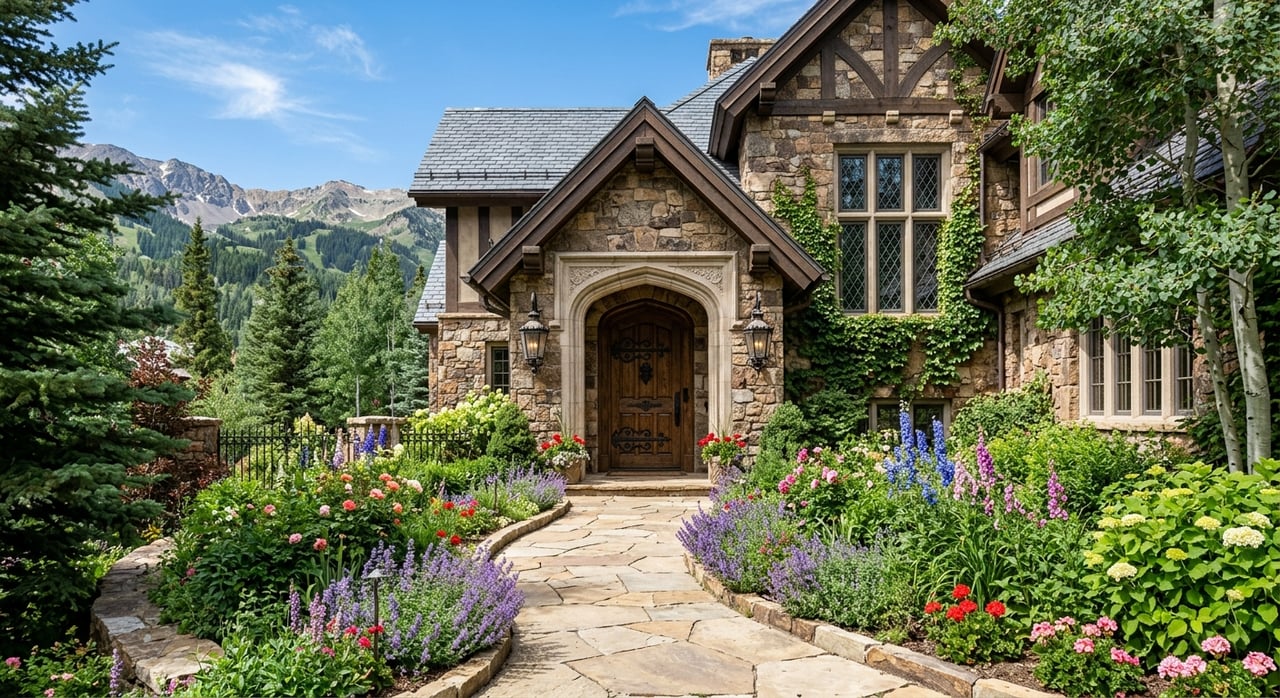
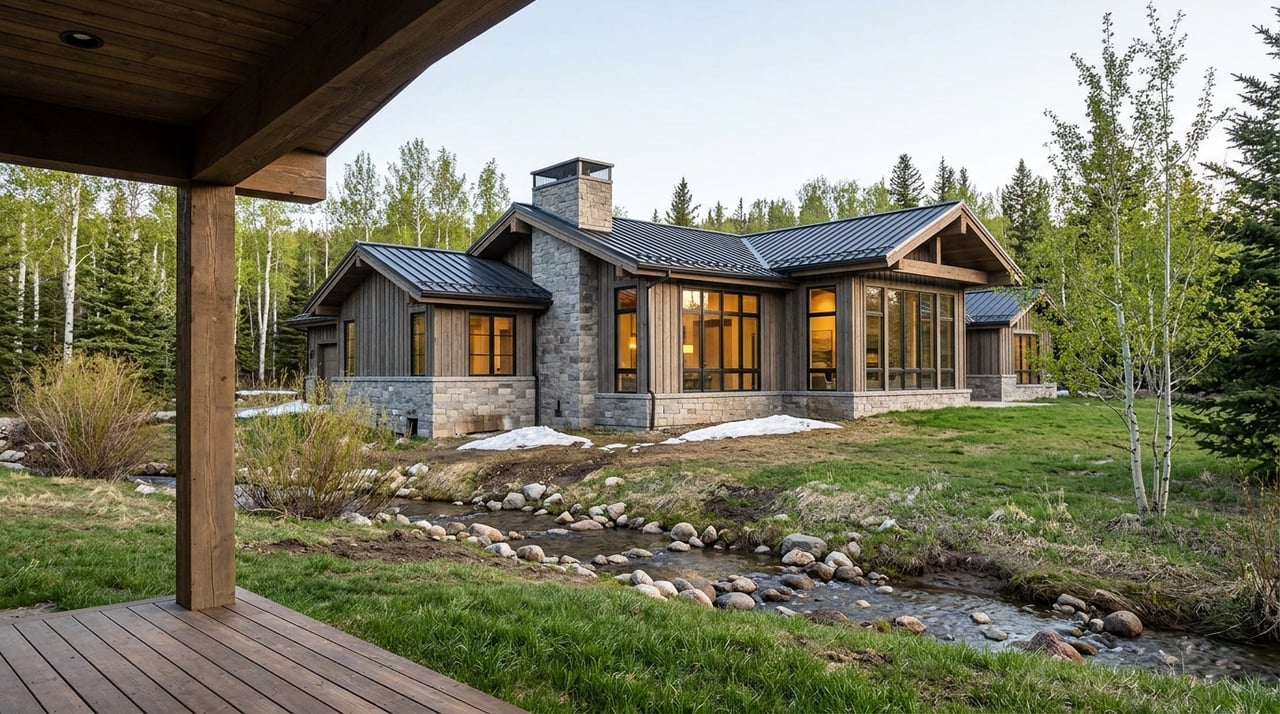
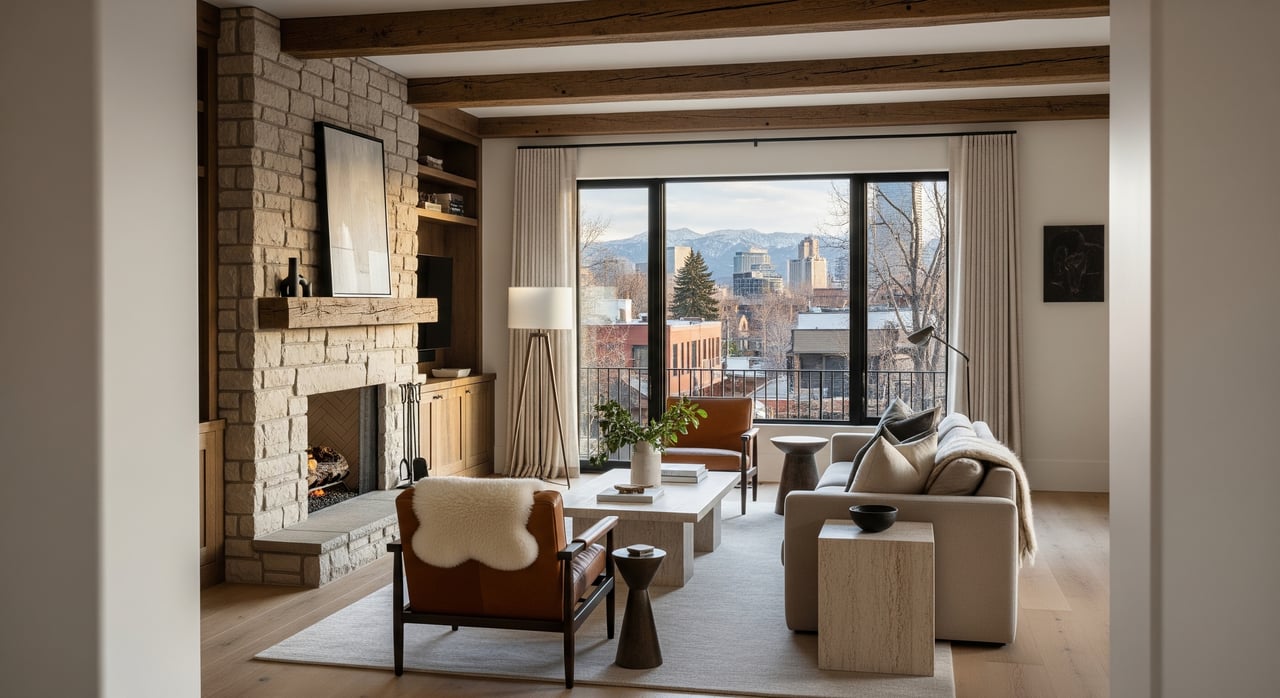
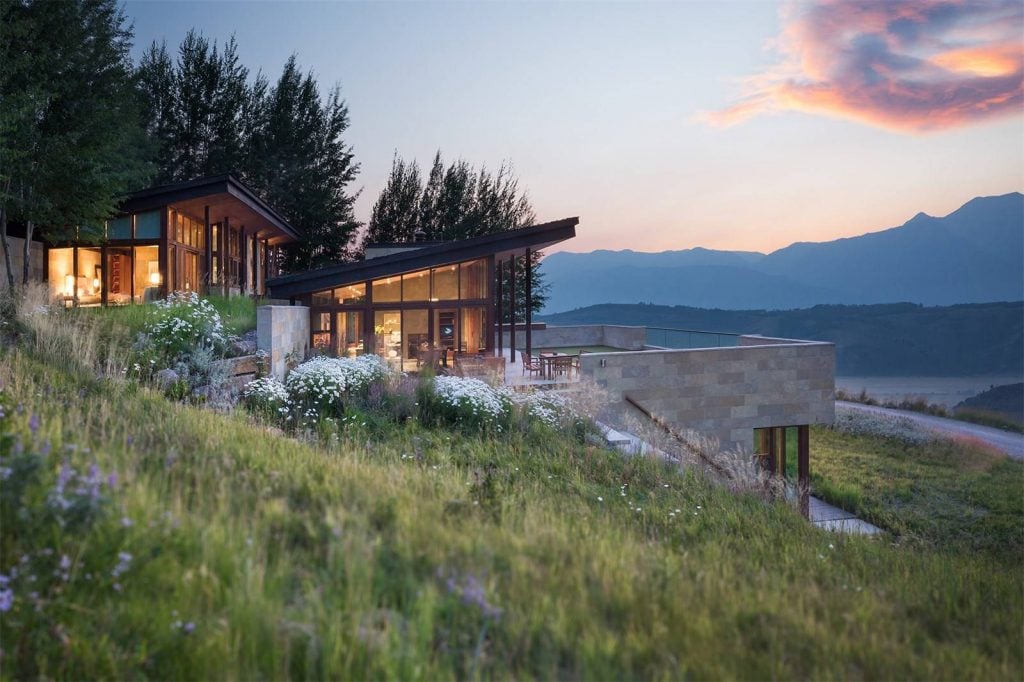
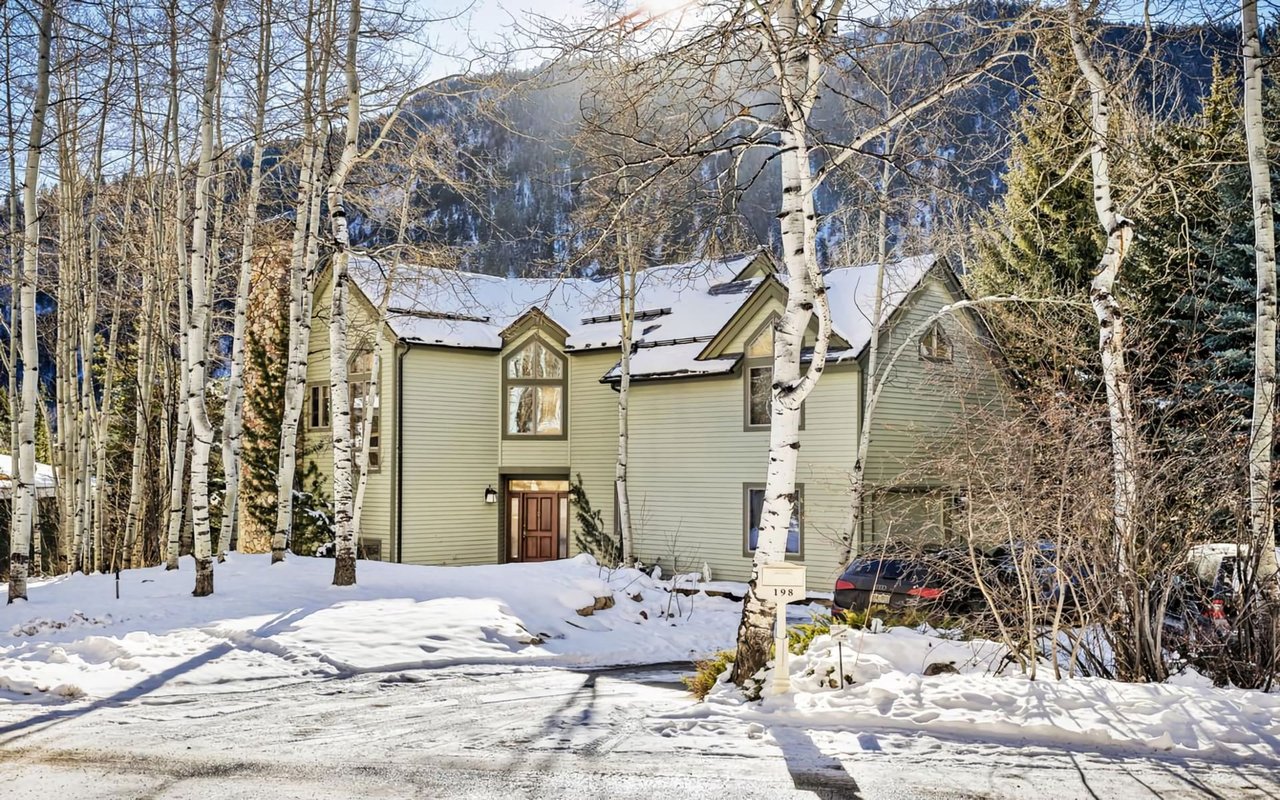
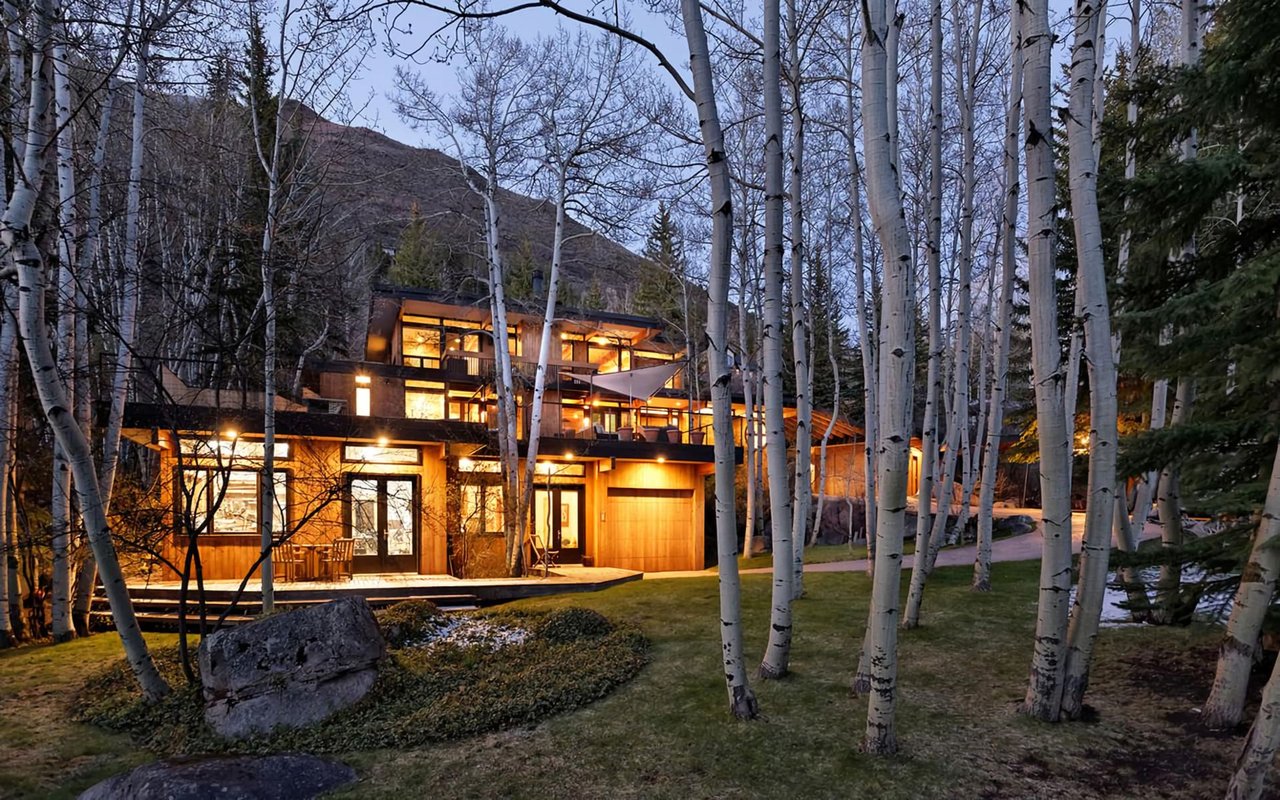
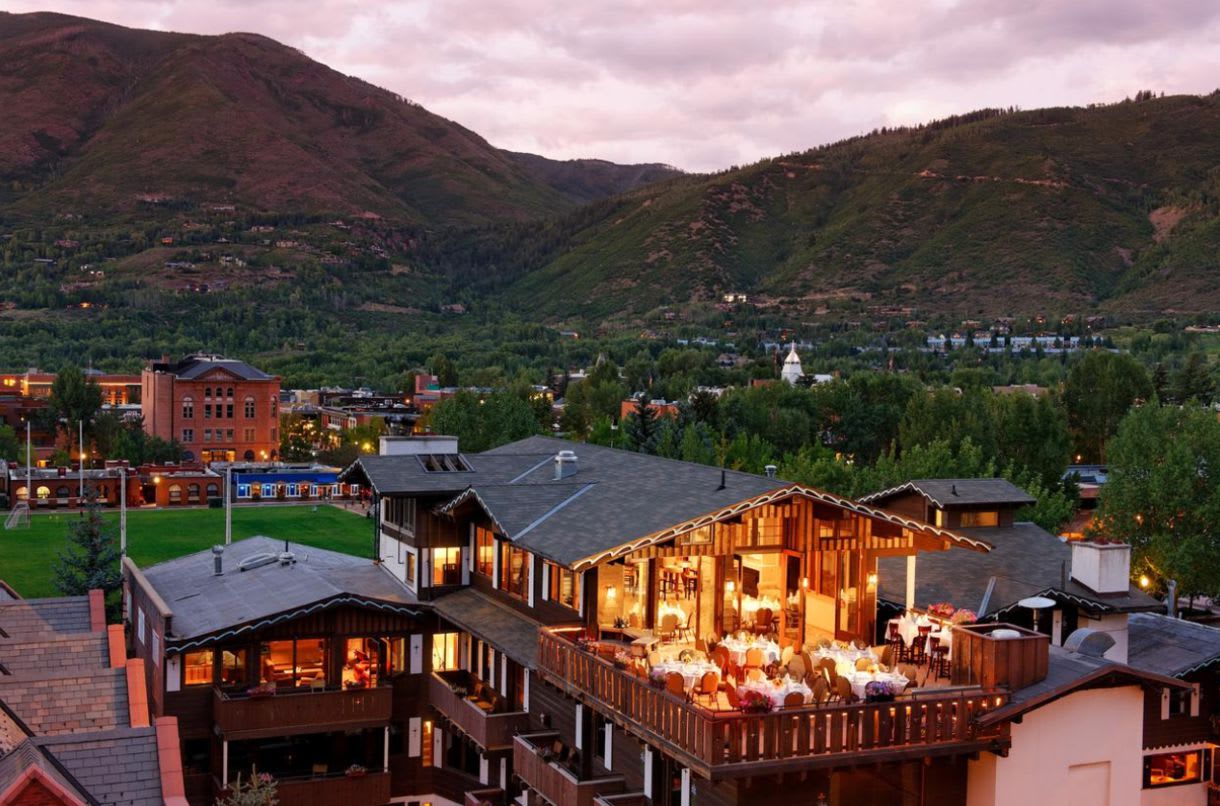
Red Mountain’s premium is closely tied to its hillside setting. Properties are known for expansive views, strong sun exposure, and a level of privacy that is difficult to replicate elsewhere in Aspen. Many homes face south and west, with unobstructed outlooks toward town, Aspen Mountain, and the Elk Range.
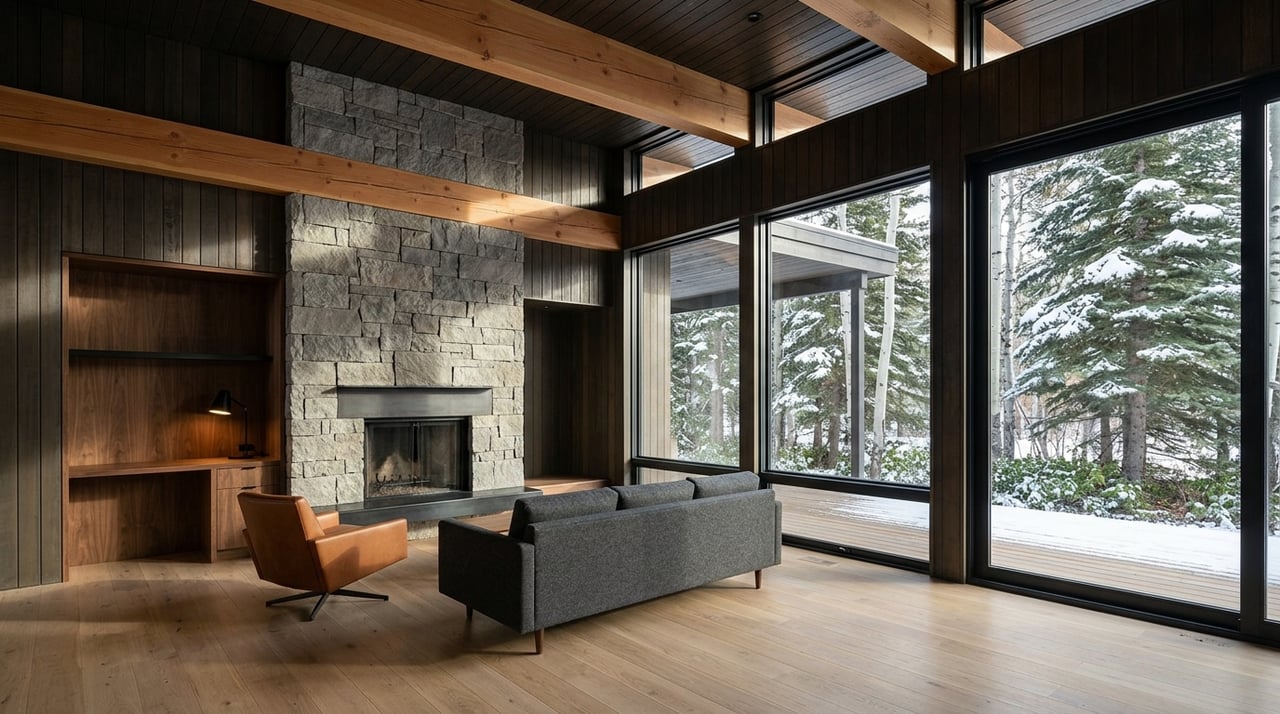
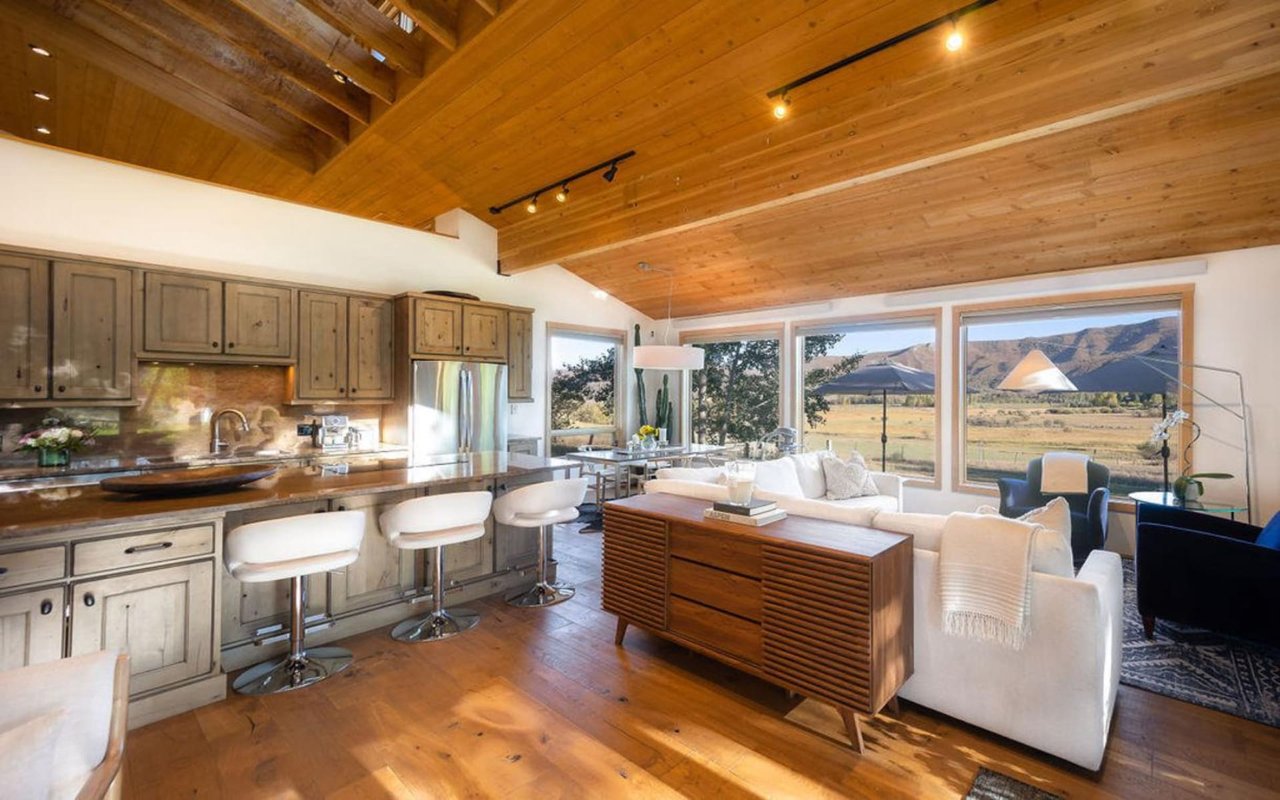
For buyers at this level, that setting is not just a nice feature. It is often the foundation of value. A home that frames the panorama well through glazing, terraces, and room placement can stand apart in a way that a standard comp sheet may not fully capture.
Scarcity of buildable opportunity
Aspen remains supply-constrained, and that supports pricing at the top end. The Q1 2026 Aspen and Snowmass market coverage noted that 92% of the land surrounding Aspen is public. That limits future supply and helps preserve the rarity of prime view properties like those on Red Mountain.
For sellers, scarcity is important because buyers know replacement is not simple. The cost to create or re-create a prime Aspen property is now extremely high, and long timelines add more friction. That reality can support value when your home is well-positioned and market-ready.
Architecture and design lineage
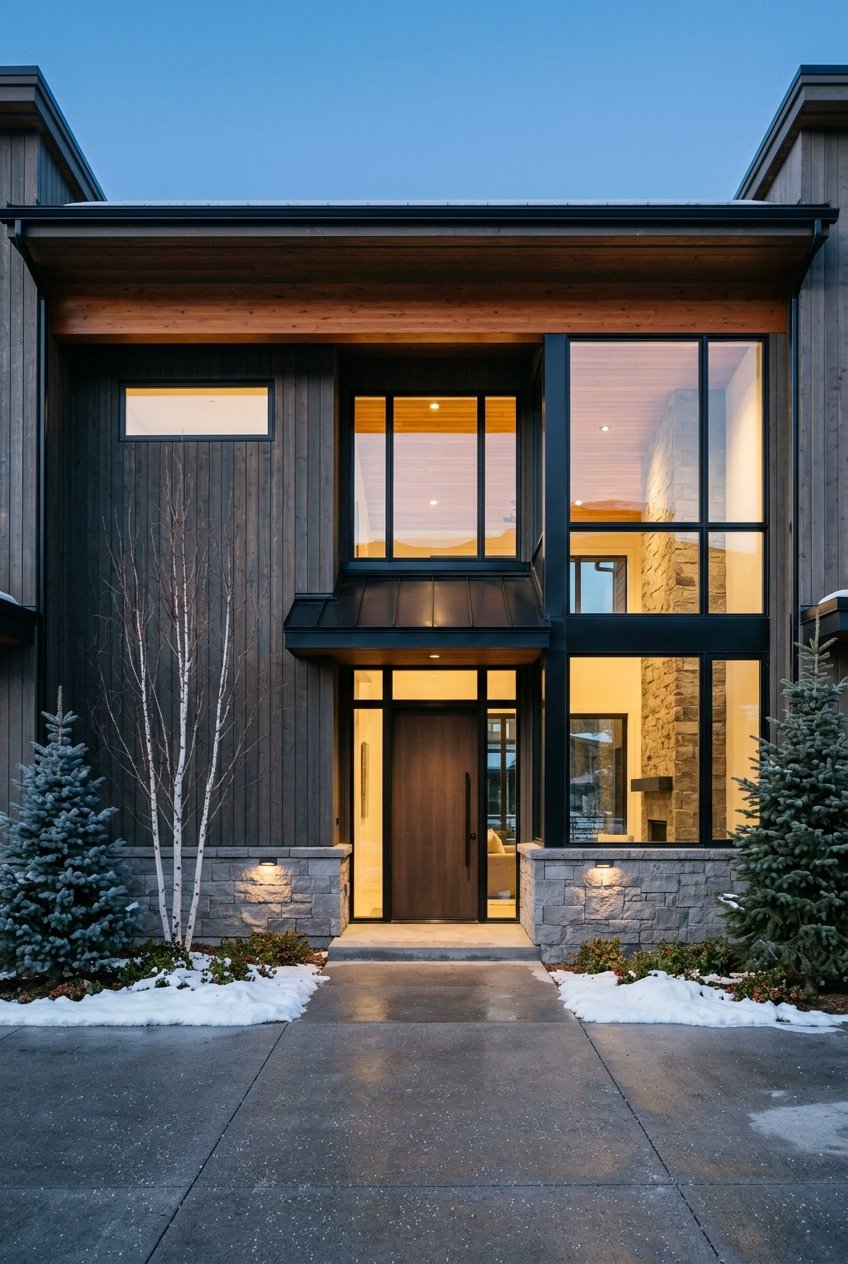
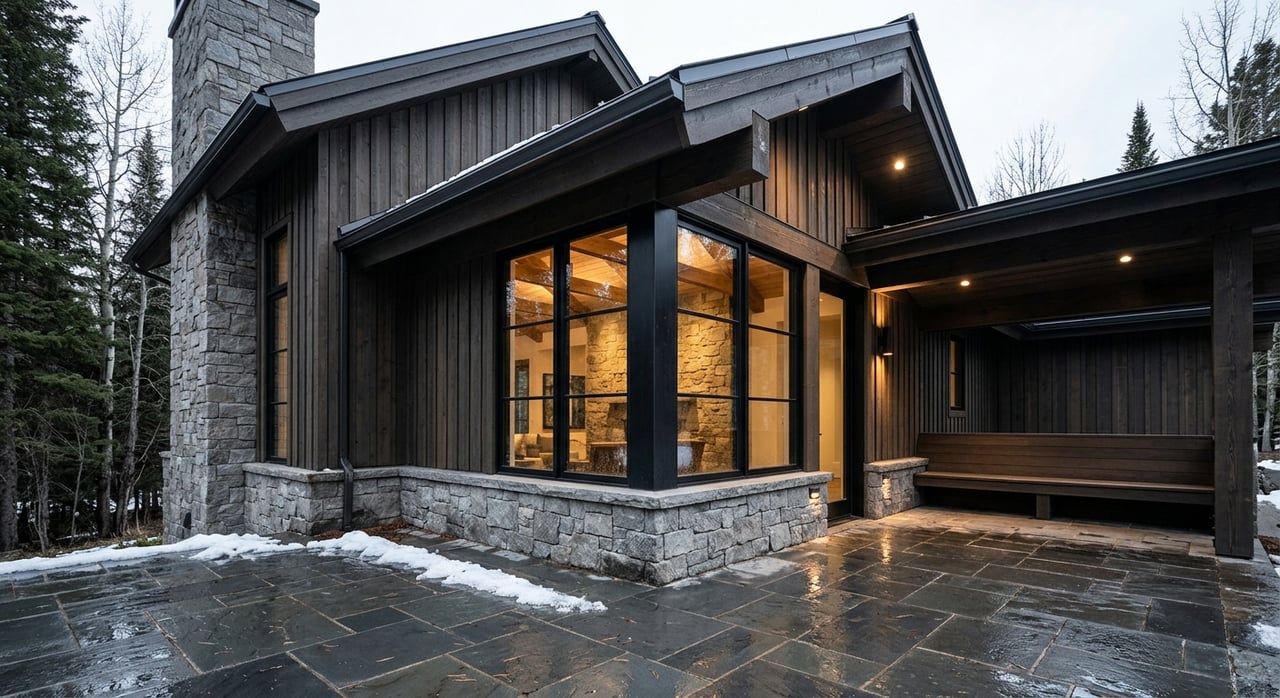
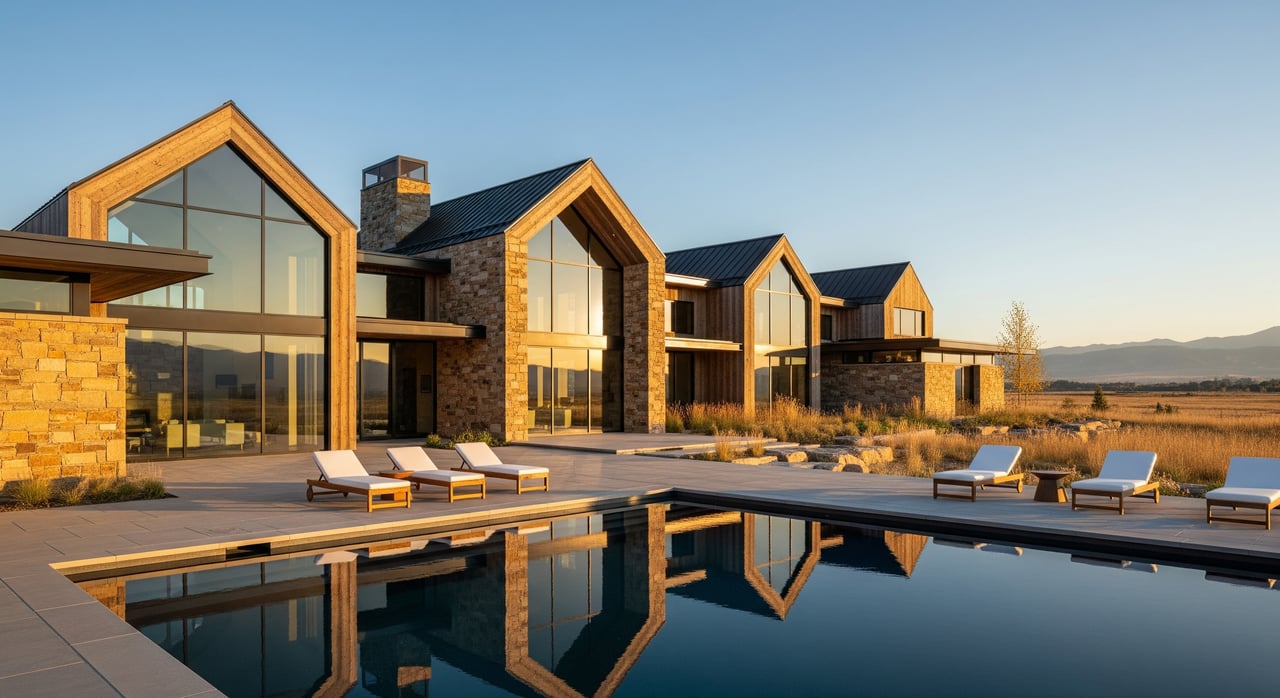
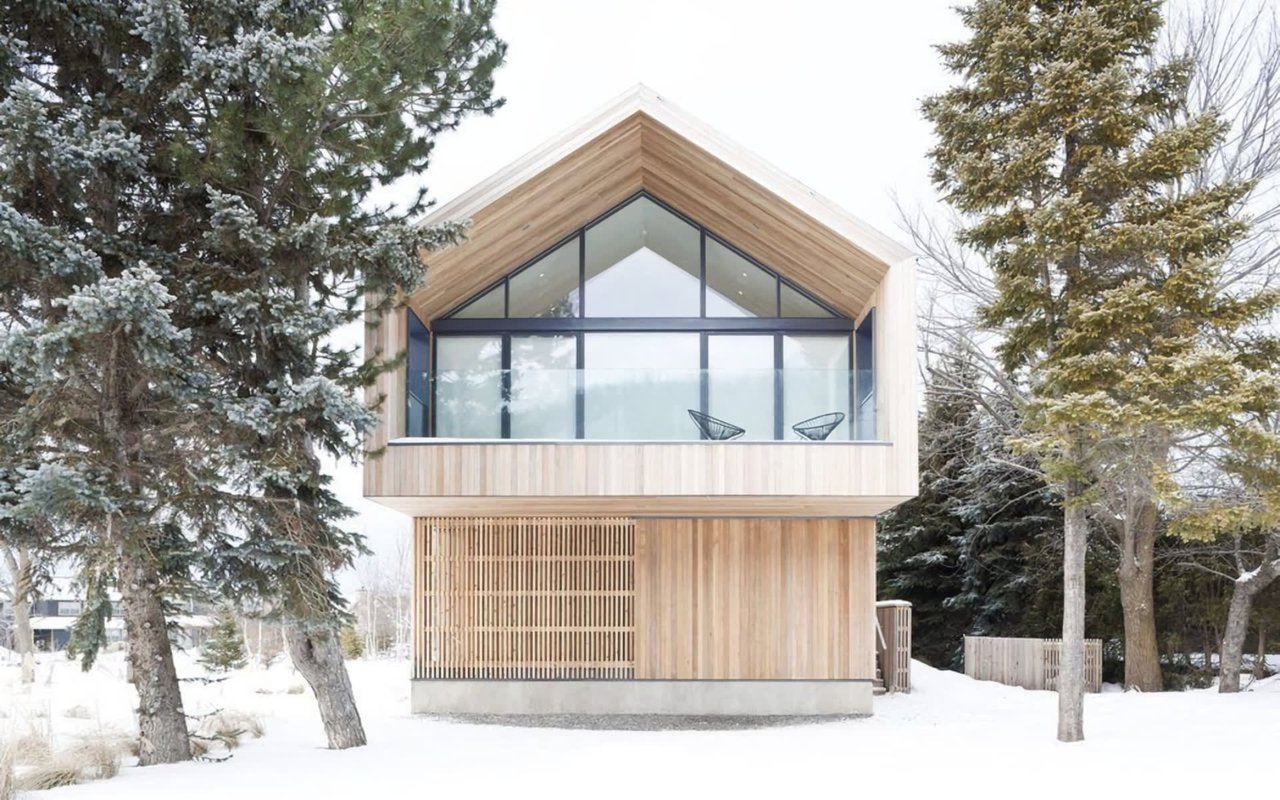
Red Mountain also benefits from a long design history. Aspen Modernism notes that Wright- and Bauhaus-inspired residences began appearing on Aspen streets and on Red Mountain by 1950. That architectural lineage matters because design quality and siting often carry unusual weight in this neighborhood.
In practical terms, buyers often separate homes into distinct categories. Some are paying for the setting first. Others are paying for the architecture and experience of the house itself. The strongest listings usually bring both together clearly.
How buyers are pricing Red Mountain homes
One of the most useful ways to think about this market is to break value into three buckets.
View corridor and orientation
On Red Mountain, not all views are equal. Buyers notice width of panorama, protection of sightlines, solar exposure, and how the home captures those assets from major living spaces. If your property has a commanding vantage point and a strong relationship between the interior and the landscape, that should be central to how it is presented.
Land, setting, and privacy
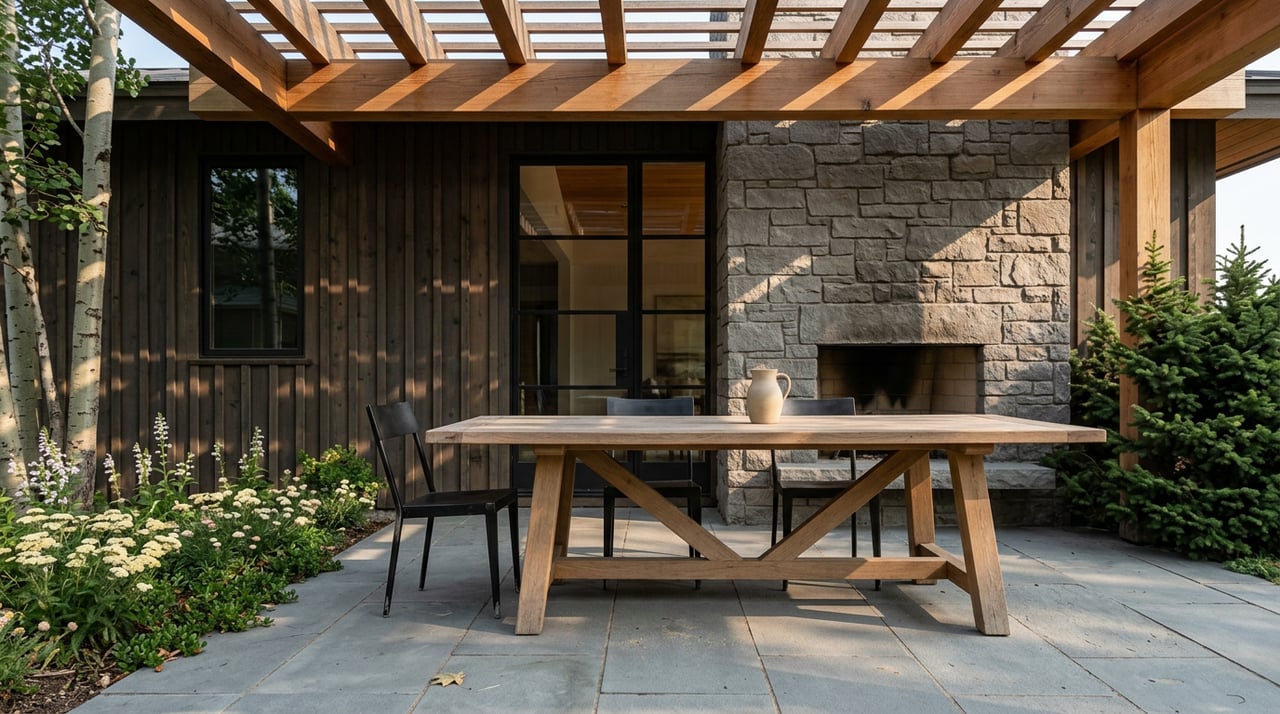
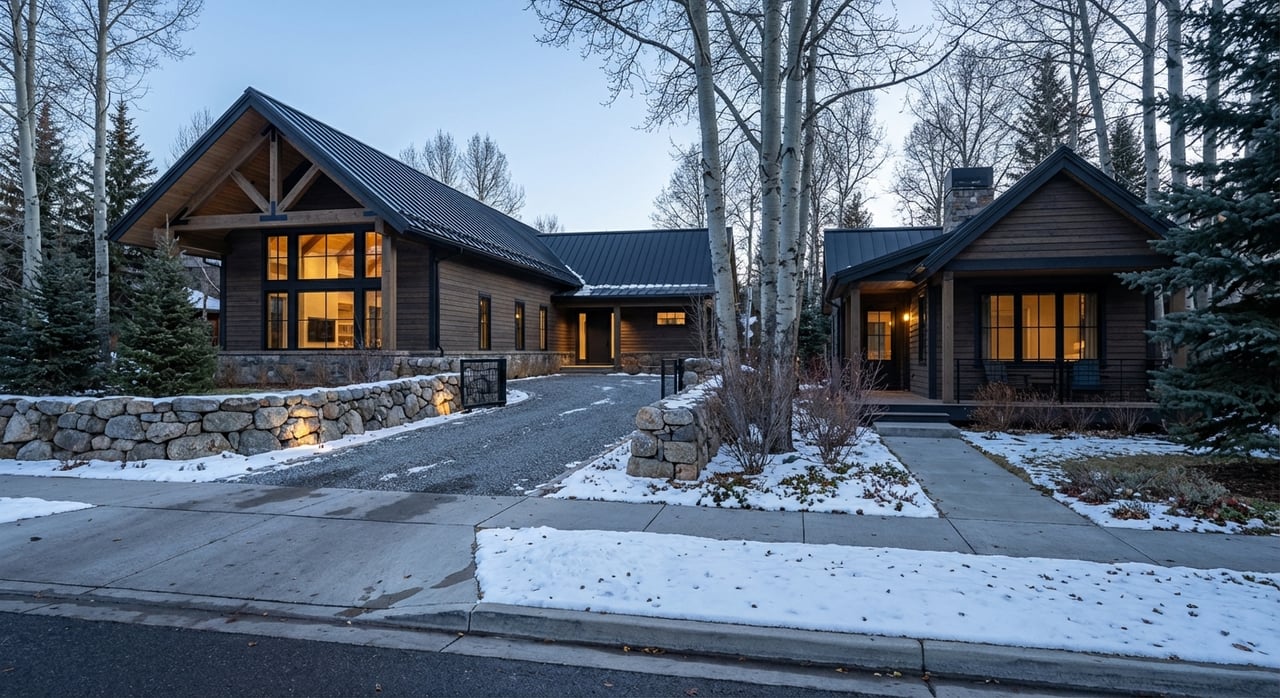
Lot placement and the feel of the setting also matter. In a hillside enclave, the sense of arrival, separation from neighboring homes, and how the home sits within the terrain can change buyer perception in a meaningful way. These qualities can help explain why two homes with similar square footage may attract very different responses.
Renovation readiness
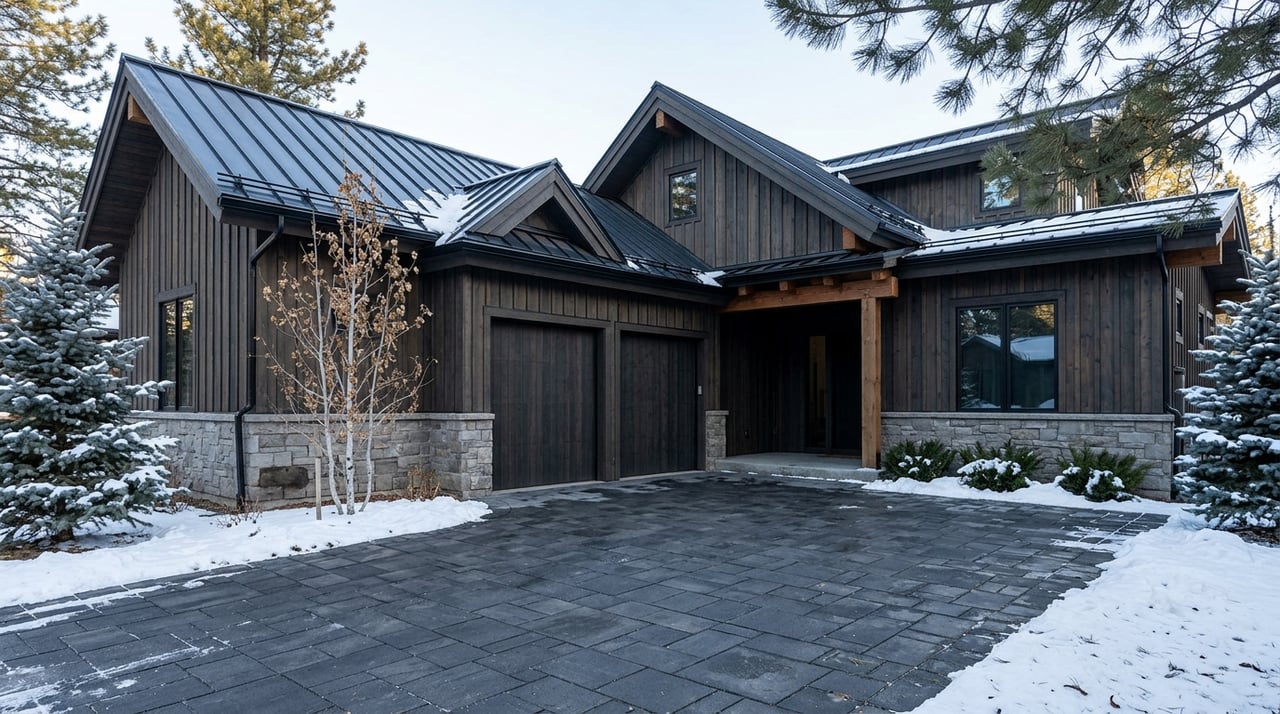
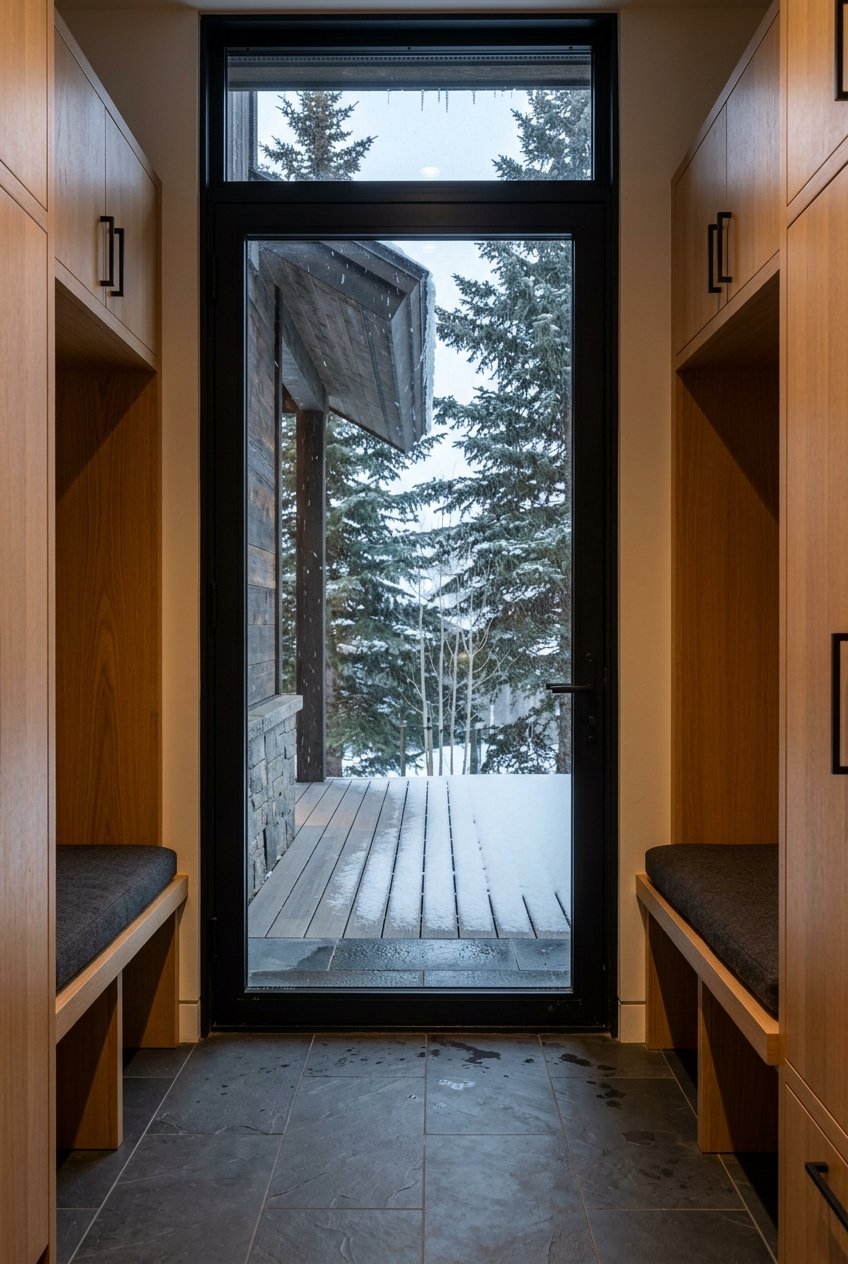
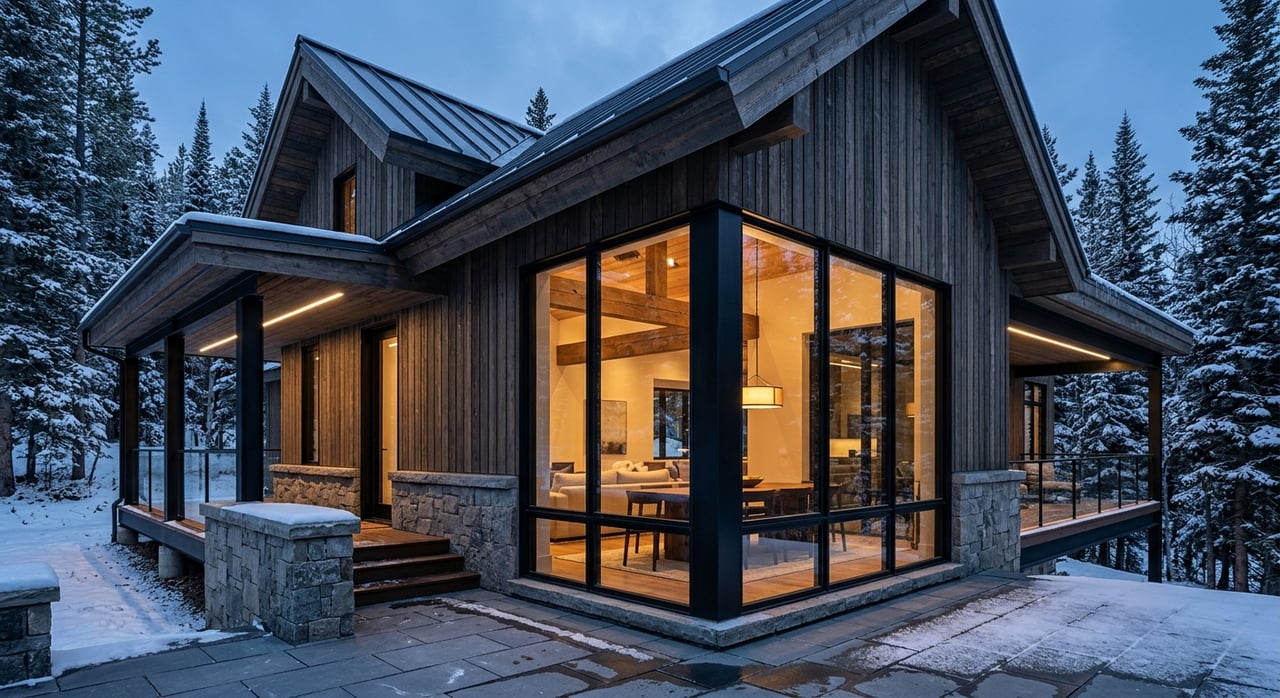
At this price point, many buyers want a finished, state-of-the-art product. Aspen Sojourner reported that demand for intensive remodels and new construction has been especially strong on Red Mountain, while desirable inventory for new buyers has remained thin. That means your renovation story, whether complete, partial, or future-facing, should be clear from the beginning.
What recent sales say about pricing
Red Mountain is comp-sensitive, but it is not comp-dictated. Recent sales show meaningful spread in performance. According to Redfin neighborhood data, 64 Pitkin Way sold for $30.225 million after 23 days on market at list, while 323 E Reds Rd sold for $25 million after 272 days and 13% under list.
That gap matters. It suggests buyers are not rewarding every Red Mountain address equally. View quality, architectural appeal, and pricing discipline can materially change both timing and outcome.
This is where many sellers can misread the market. In a neighborhood with very few trades, it is tempting to anchor to the highest asking numbers. But early 2026 showed clear buyer resistance to very high pricing, even while demand was still present beneath the surface.
Seller playbook for 2026
Price to current demand
The biggest strategic shift for sellers right now is pricing to the market in front of you, not to last year’s peak sentiment. Q1 2026 was the weakest first quarter since 2020 for Aspen and Snowmass closings, according to the Estin report coverage. At the same time, March under-contract activity jumped sharply, which suggests buyers are engaged when a property meets the moment.
That makes pricing discipline essential. In a market with fewer closed sales, buyers often become even more analytical. If your home enters too high and misses its first wave of attention, regaining momentum can be difficult.
Tell a sharper property story
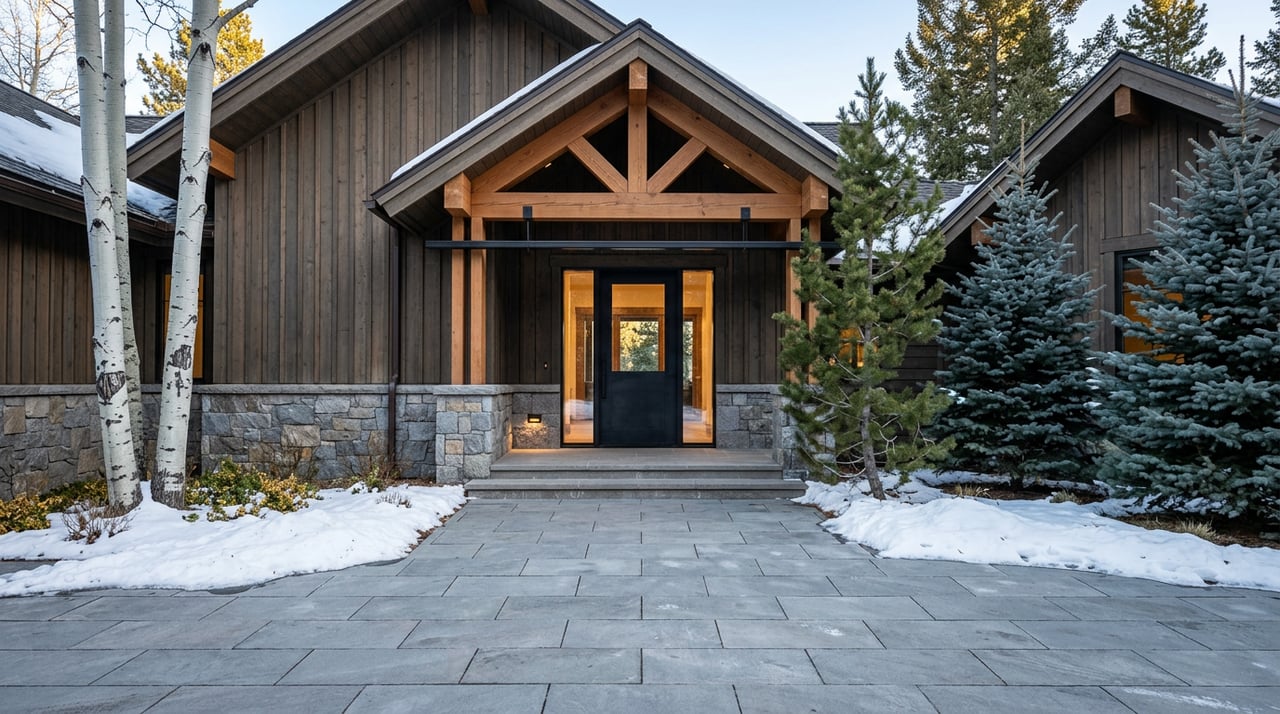
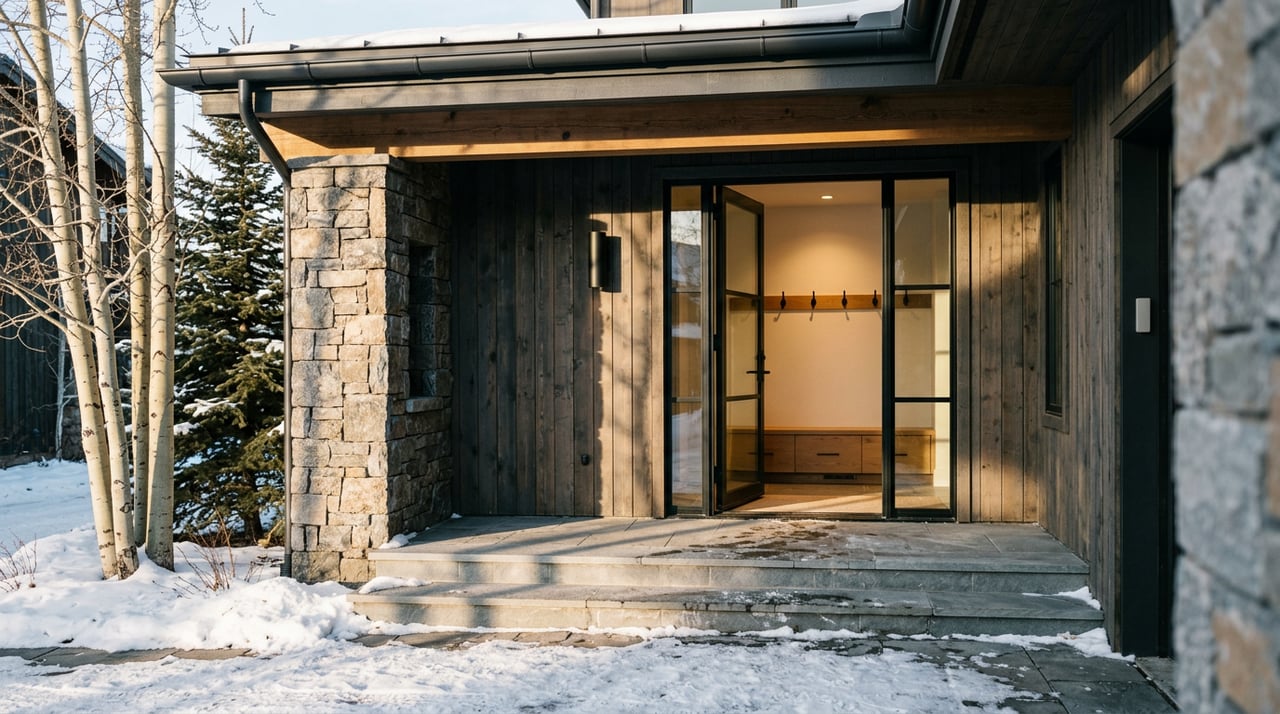
A Red Mountain listing should do more than state size and finishes. It should explain why the property matters within the neighborhood. That may include the quality of the view corridor, the privacy of the setting, the architecture’s relationship to the land, or the level of completion a buyer can expect on day one.
This is especially important in an ultra-luxury market, where buyers are comparing lifestyle outcomes as much as hard data. A bespoke narrative helps them understand what makes your property distinct, rather than simply expensive.
Address remodel or rebuild potential clearly
City rules can affect value and buyer planning, so they should not be left vague. Aspen planning staff review projects under the land-use code, historic properties may face additional preservation rules, and the city’s wildfire-resiliency code applies to permits submitted after April 23, 2026.
If your property has recent improvements, future expansion potential, or a compelling repositioning path, that story should be handled carefully and factually. Buyers in this segment often want clarity on what is possible, what is already done, and what hurdles may exist.
Prepare for a selective audience
Today’s Red Mountain buyer pool is deep in resources but selective in action. That means presentation matters. Clean positioning, strong imagery, and a clear strategy are not optional when buyers can afford to wait for the right fit.
It also means seller expectations should stay realistic. The neighborhood still commands an extraordinary premium, but outcomes are strongest when the listing strategy reflects how discerning buyers are behaving now.
Red Mountain versus other Aspen neighborhoods
Red Mountain continues to outpace other Aspen micro-markets on both asking price and price per square foot. Realtor.com’s April 2026 listing medians put Red Mountain at $25.75 million, compared with $15.625 million in the West End, $14.45 million in the East End, and $1.725 million in Downtown Aspen. Its median list price per square foot of $4,384 also leads East End at $4,117, West End at $3,764, and Downtown Aspen at $2,524.
Sales data show a similar hierarchy. Redfin reported March 2026 median sales of $20.5 million in the East End, $9.35 million in the West End, and $2.4 million in Downtown Aspen. That comparison reinforces what many sellers already sense intuitively: Red Mountain occupies a distinct tier, but that tier also comes with heightened scrutiny.
The bottom line for sellers
Red Mountain remains one of Aspen’s most valuable and supply-limited luxury enclaves. But in 2026, the market is rewarding precision over optimism. Sellers who understand how buyers are weighing view quality, setting, and renovation readiness are better positioned to protect value and shorten time on market.
If you are considering a sale, the goal is not just to list at a premium address. It is to frame your property in a way that matches how this micro-market actually trades. For a private, strategic conversation about positioning your Red Mountain home, connect with Dayna + Mandy.
FAQs
What is the current luxury pricing level on Red Mountain in Aspen?
- As of April 2026, Realtor.com reported 8 homes for sale on Red Mountain, with a median listing price of $25.75 million and a median list price of $4,384 per square foot.
How does Red Mountain compare with other Aspen neighborhoods?
- Red Mountain is currently the highest-priced Aspen micro-market in the research provided, with higher listing medians and list price per square foot than the East End, West End, and Downtown Aspen.
What features drive home value on Red Mountain?
- The research points to views, sun exposure, privacy, lot setting, and renovation level as key drivers, with many buyers also placing strong value on architecture and how the home captures the panorama.
Is 2026 a good time to sell a Red Mountain home?
- The market has become more selective in 2026, but March under-contract activity increased sharply year over year, suggesting engaged demand for well-priced and well-presented properties.
Why does pricing strategy matter so much on Red Mountain?
- Recent sales showed wide variation in outcomes, which suggests that even within this elite neighborhood, pricing discipline and property-specific strengths can materially affect sale price and days on market.
Do Aspen city rules matter when selling a Red Mountain property?
- Yes. Aspen planning review, possible preservation rules for historic properties, and the wildfire-resiliency code for permits submitted after April 23, 2026 can all shape how buyers evaluate remodel or rebuild potential.