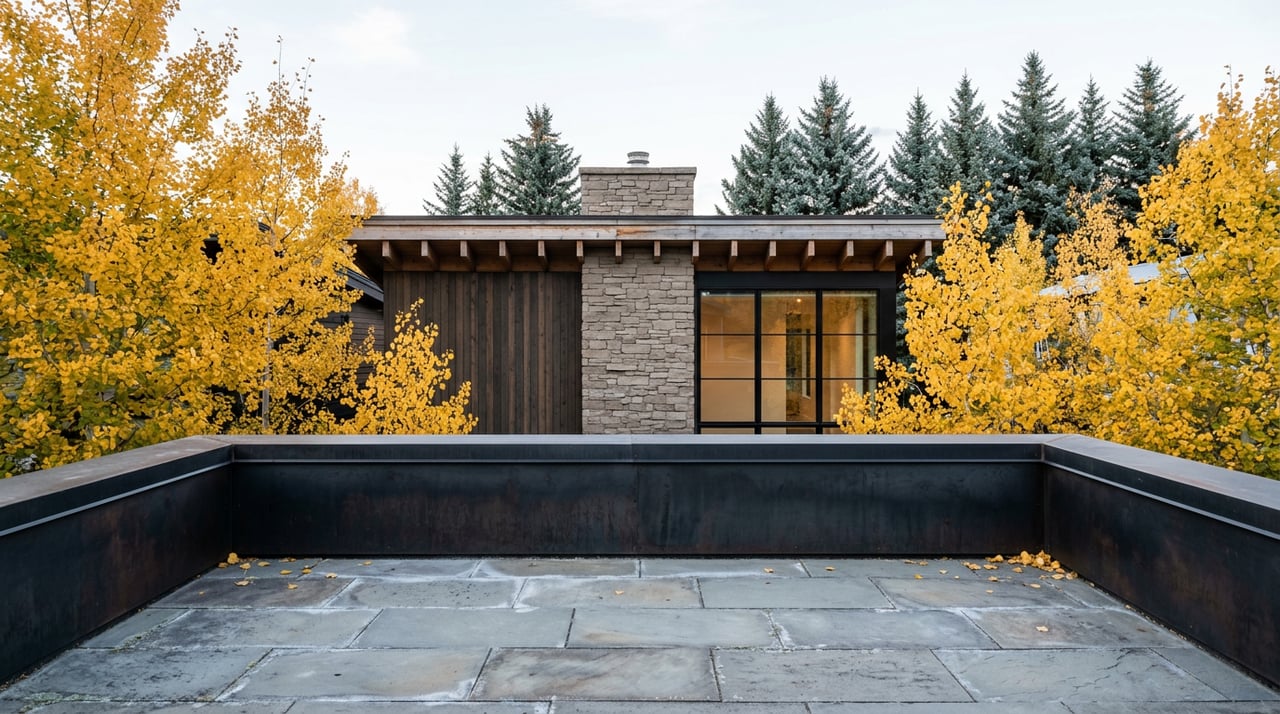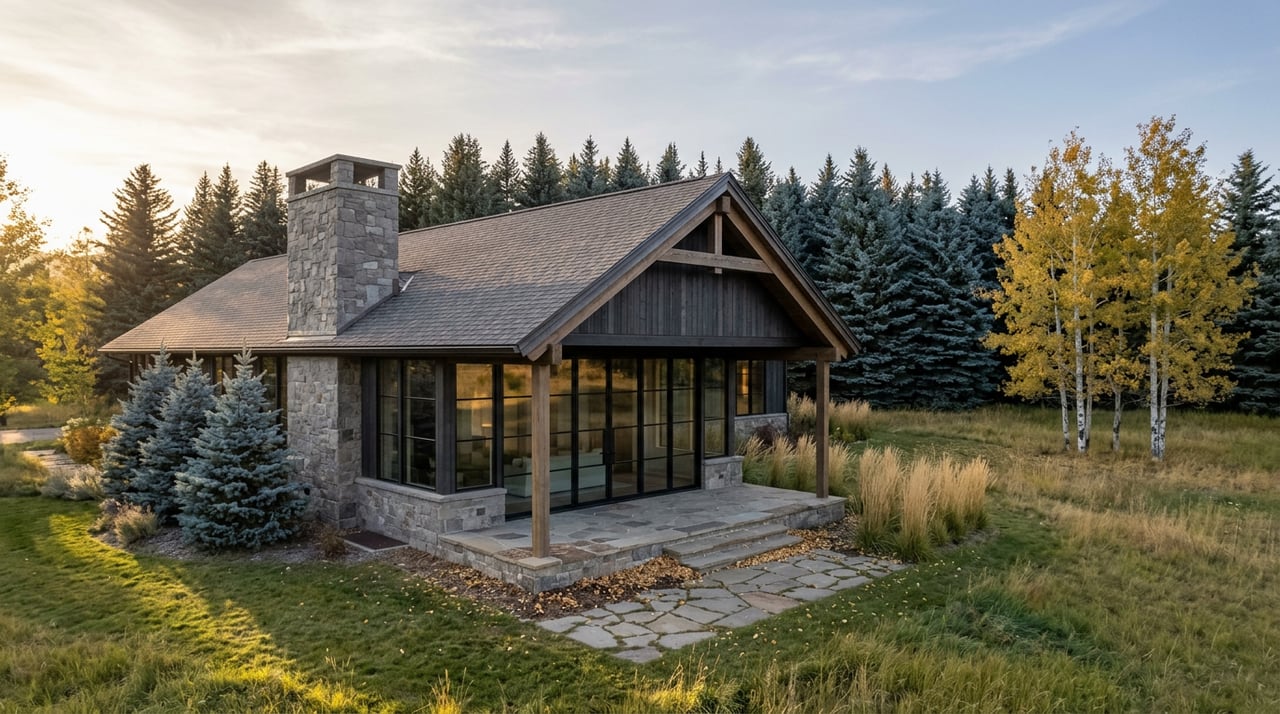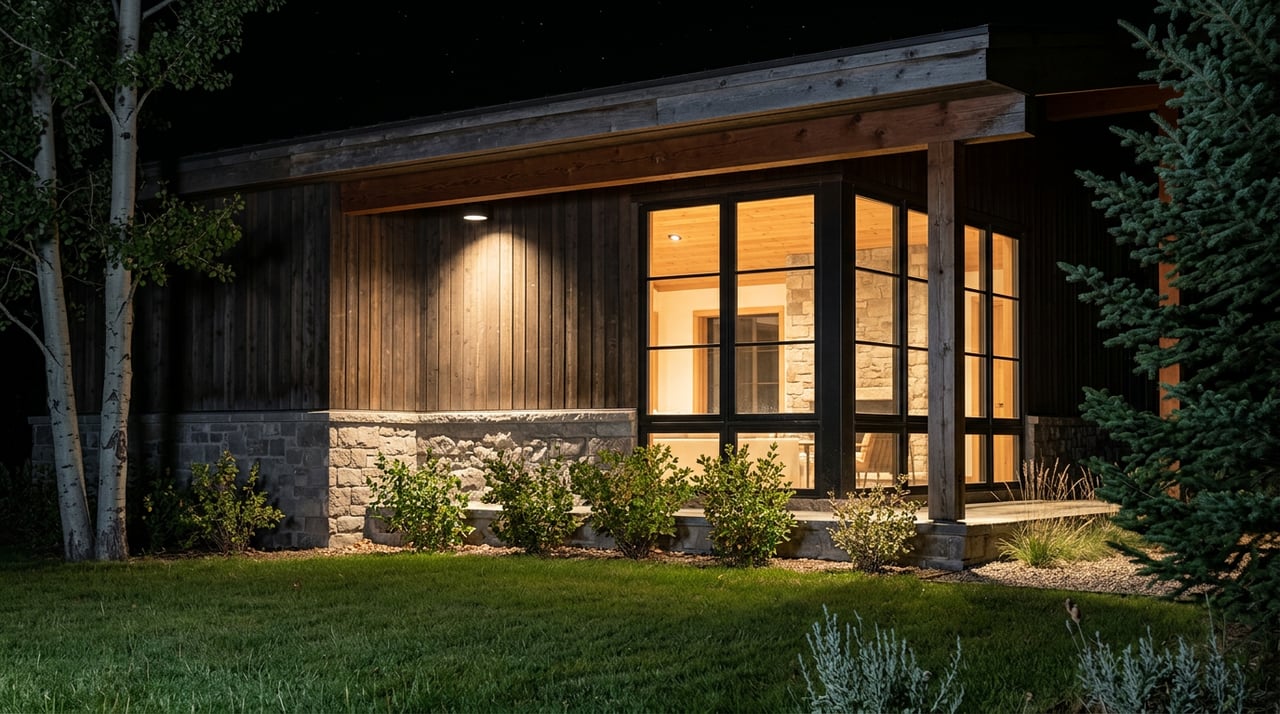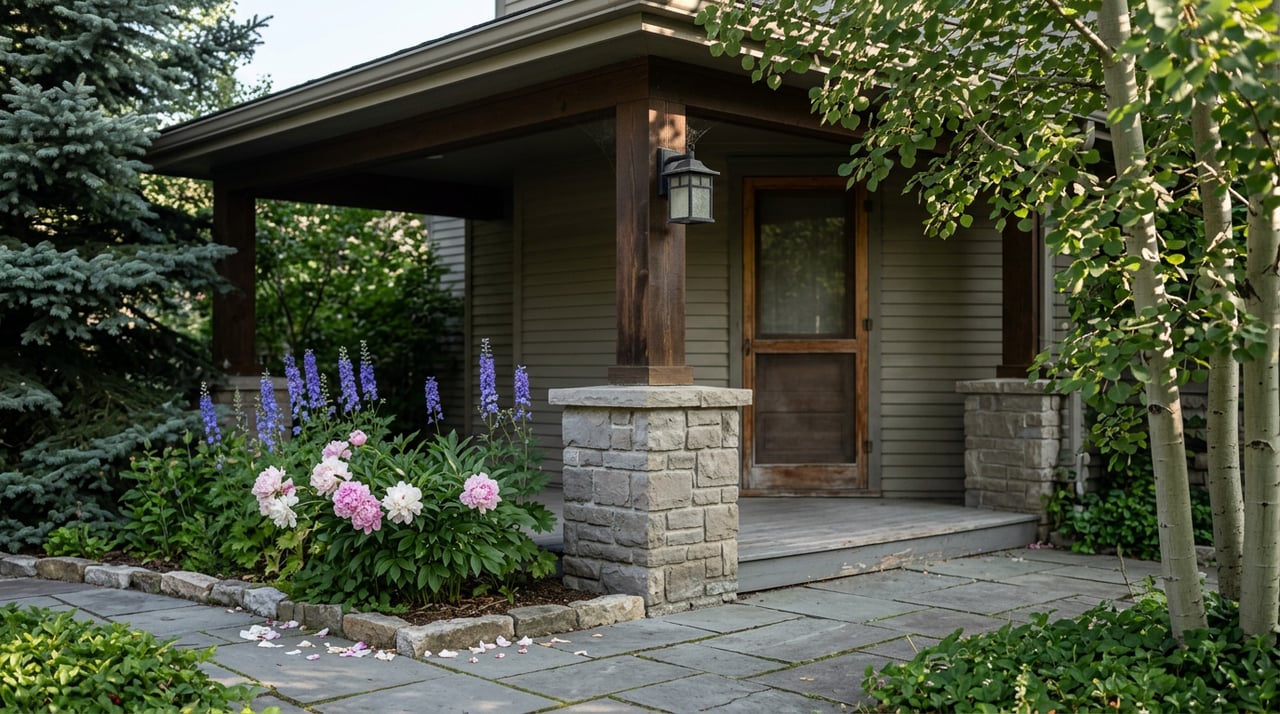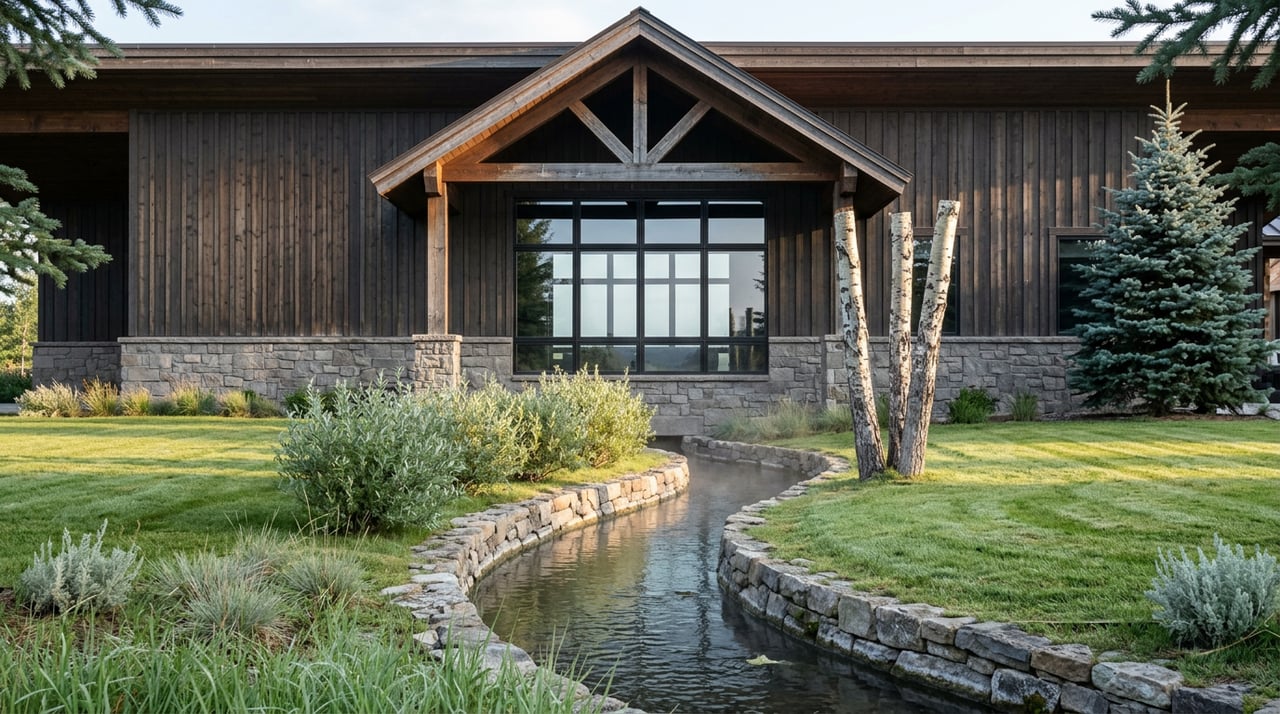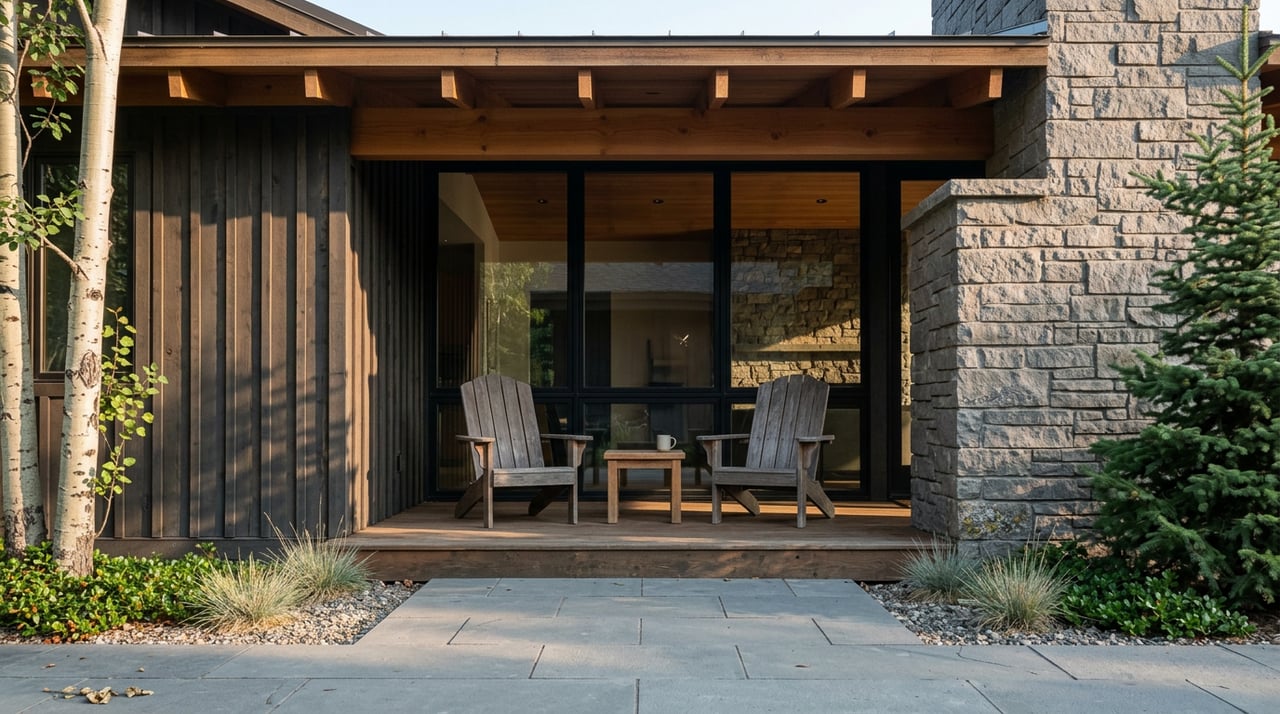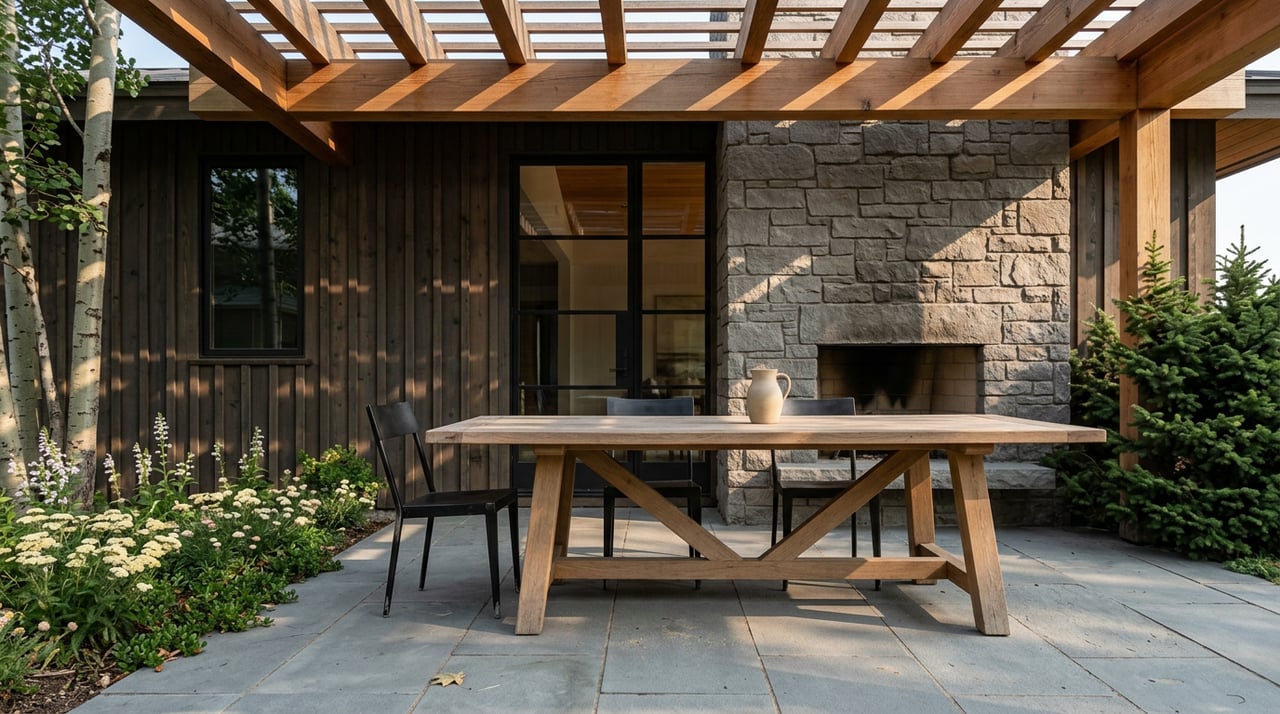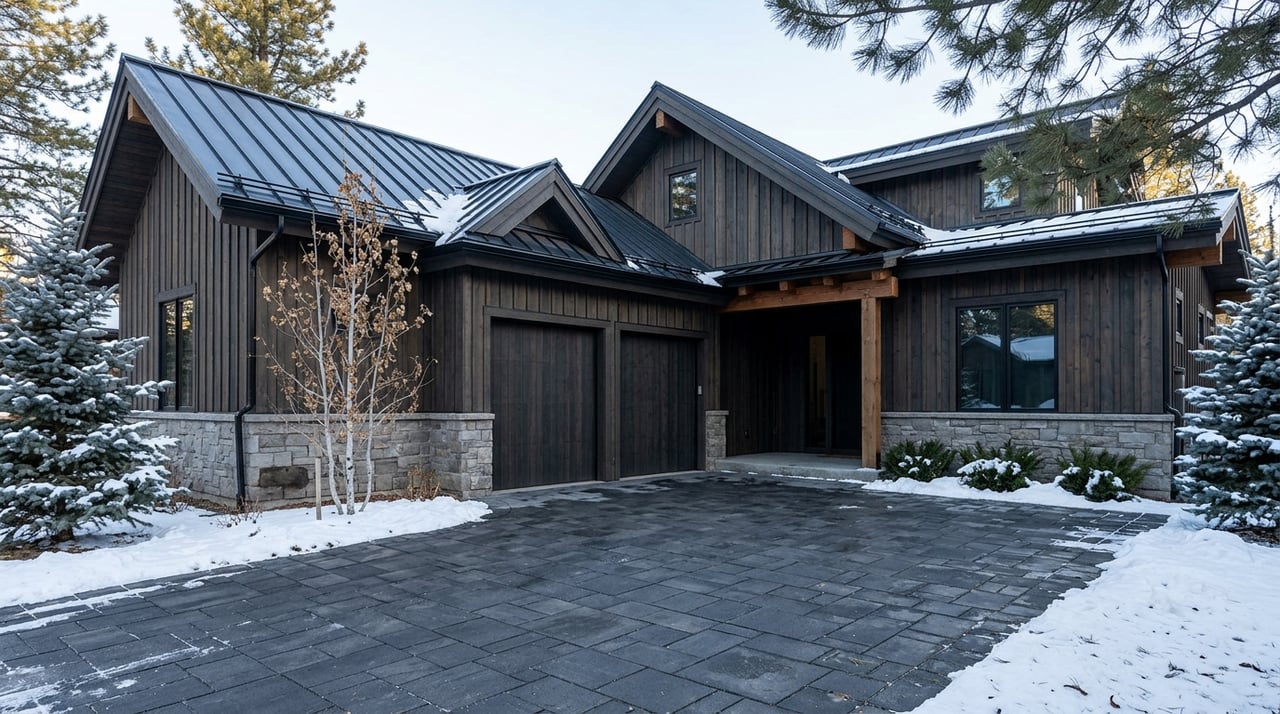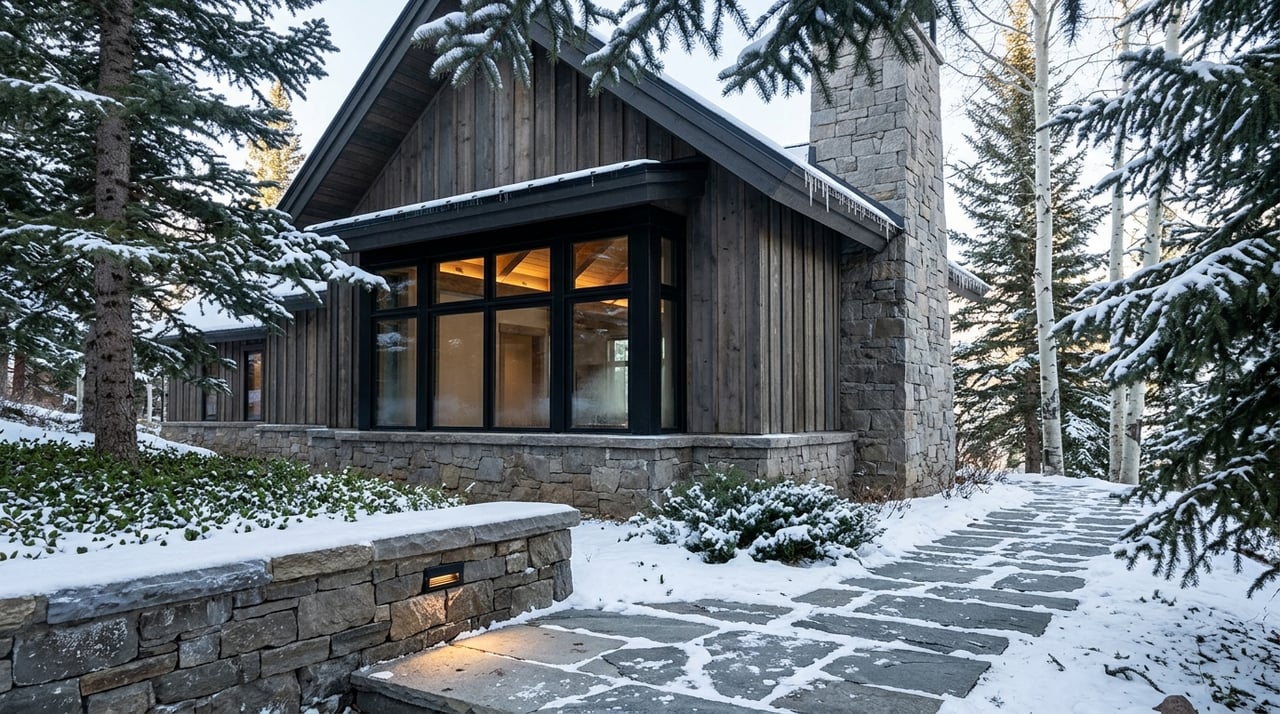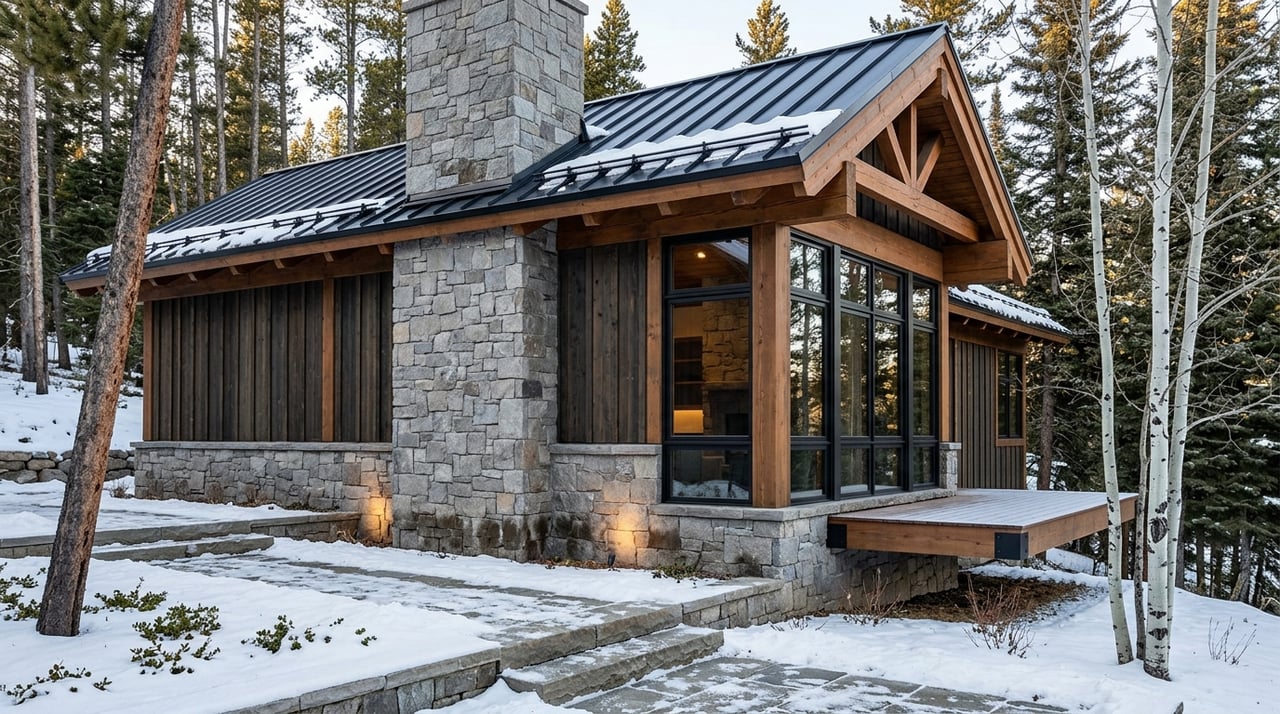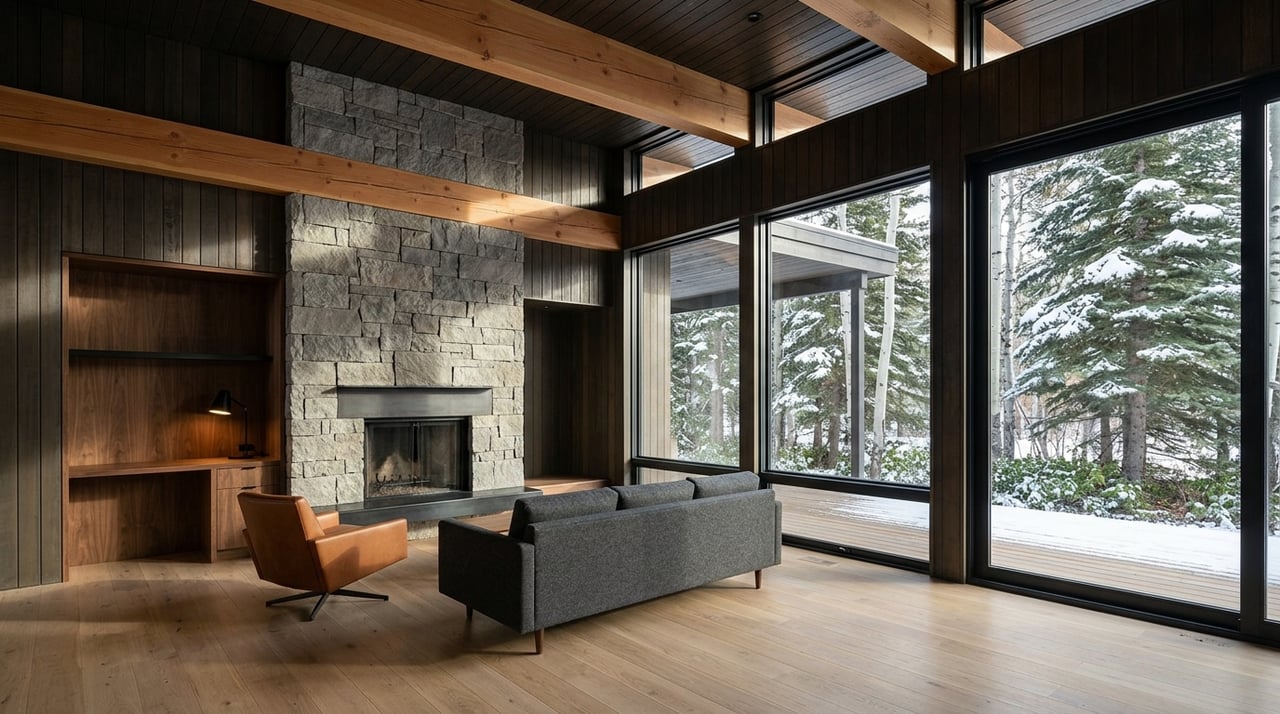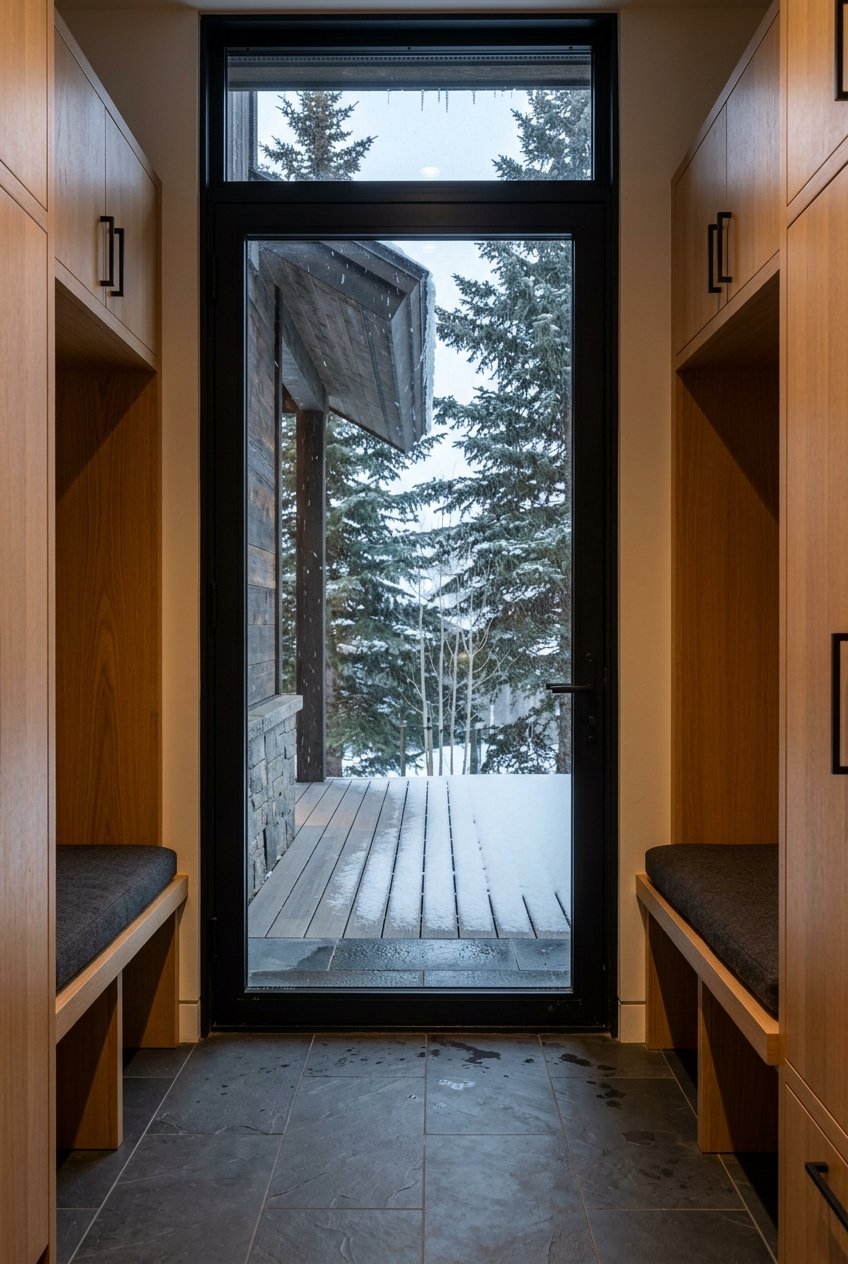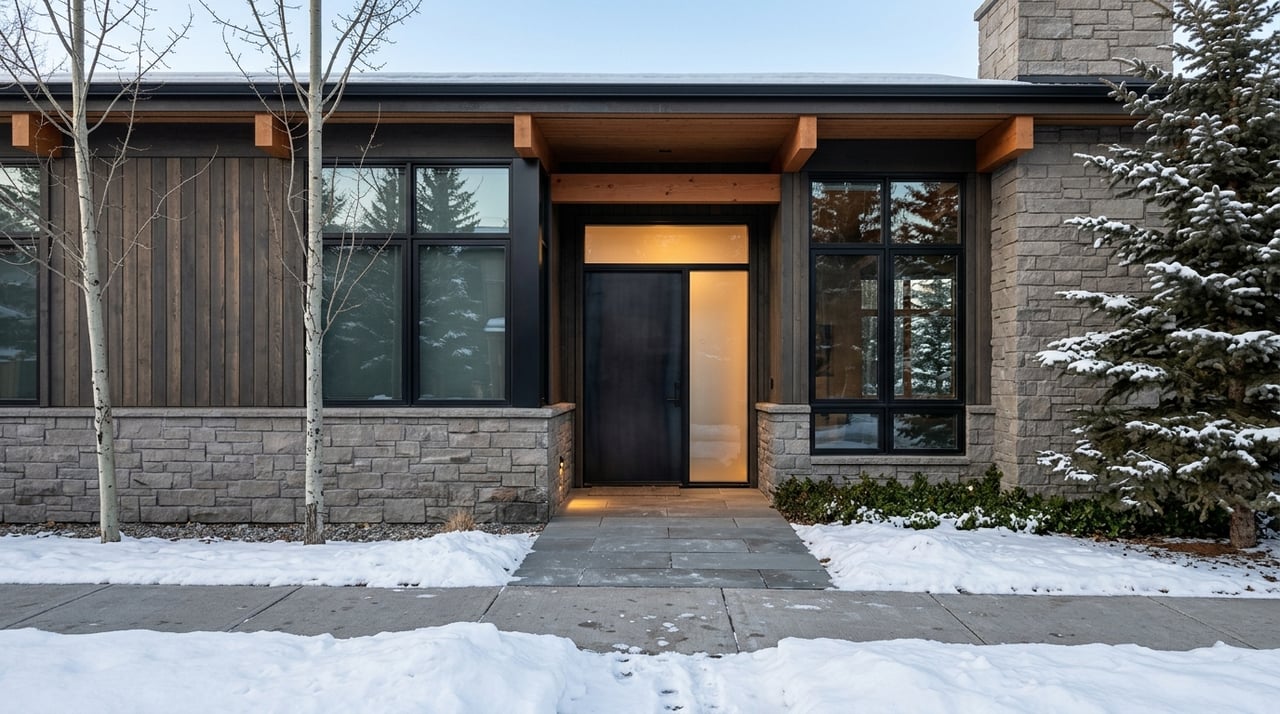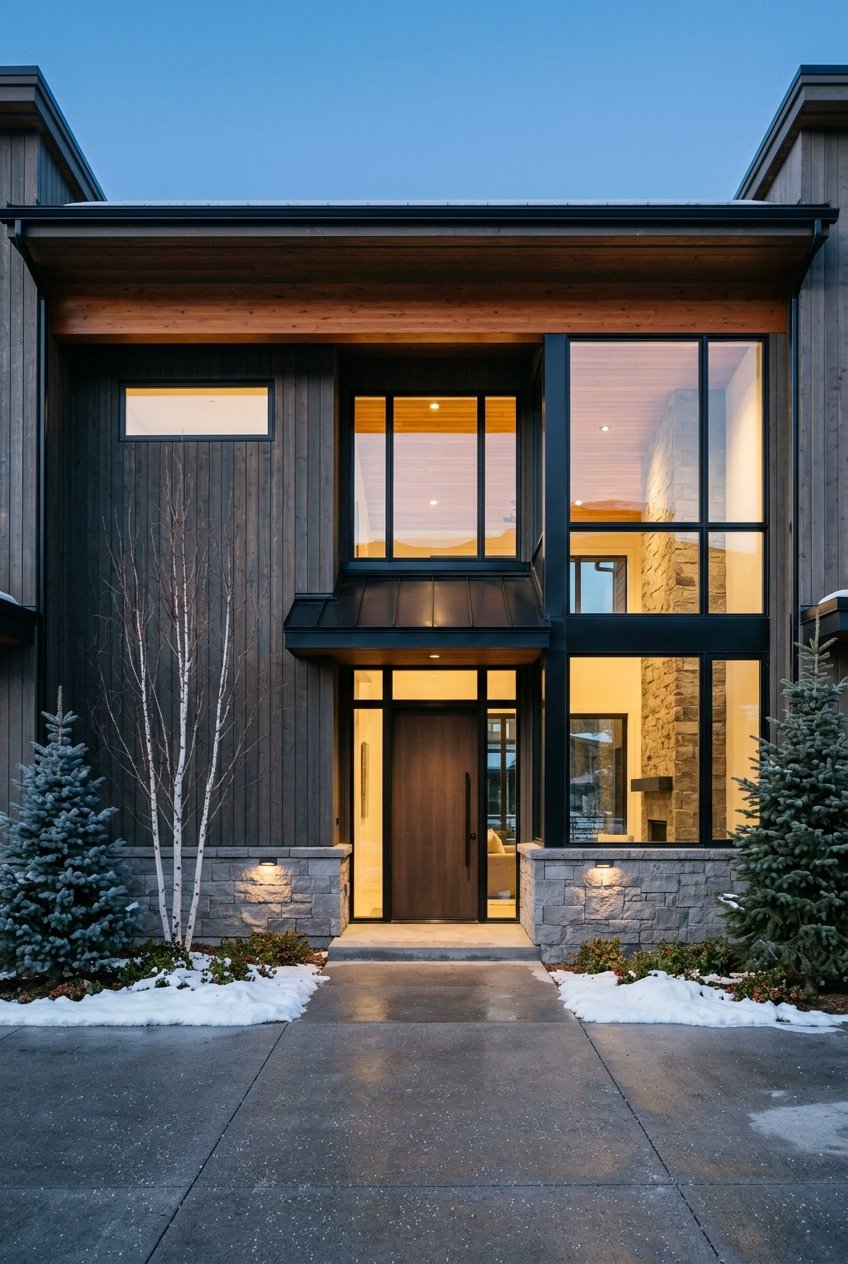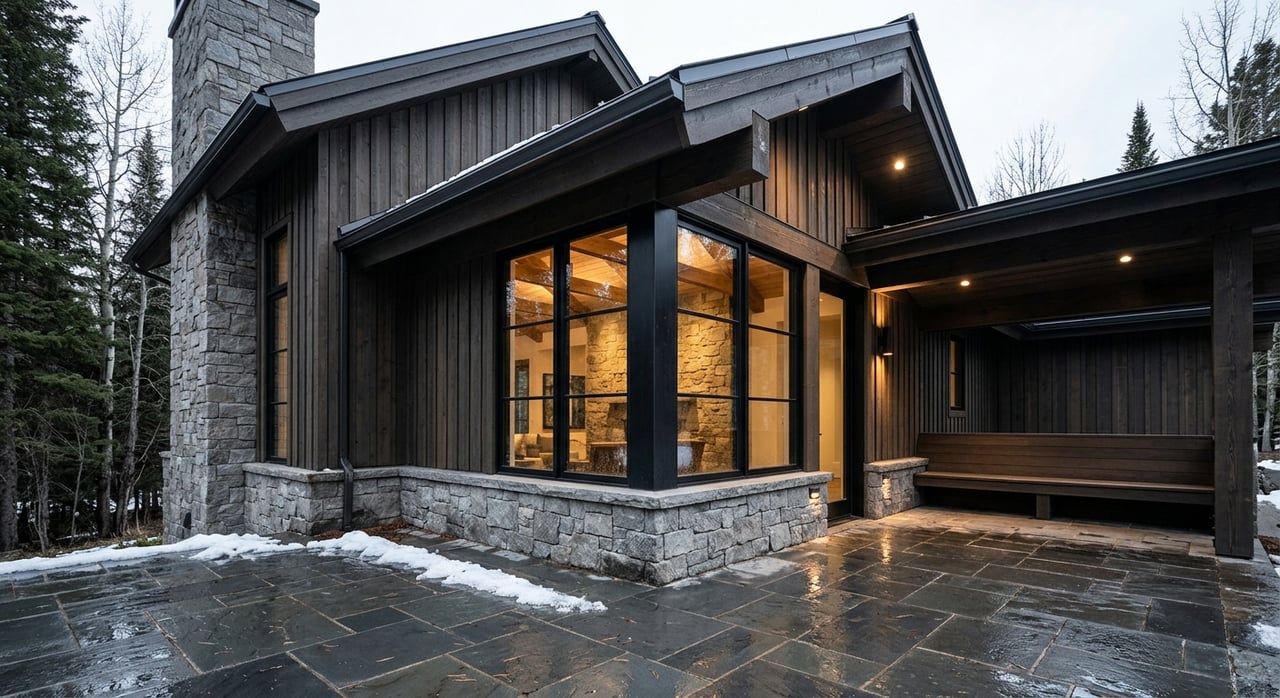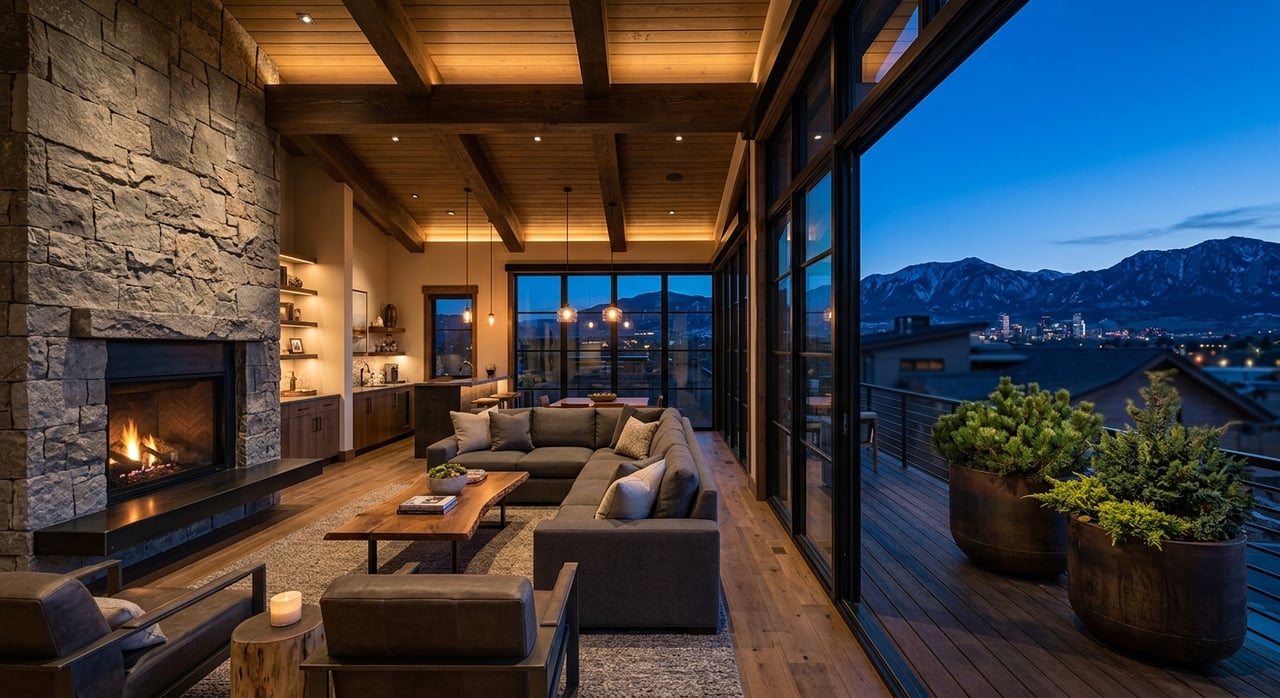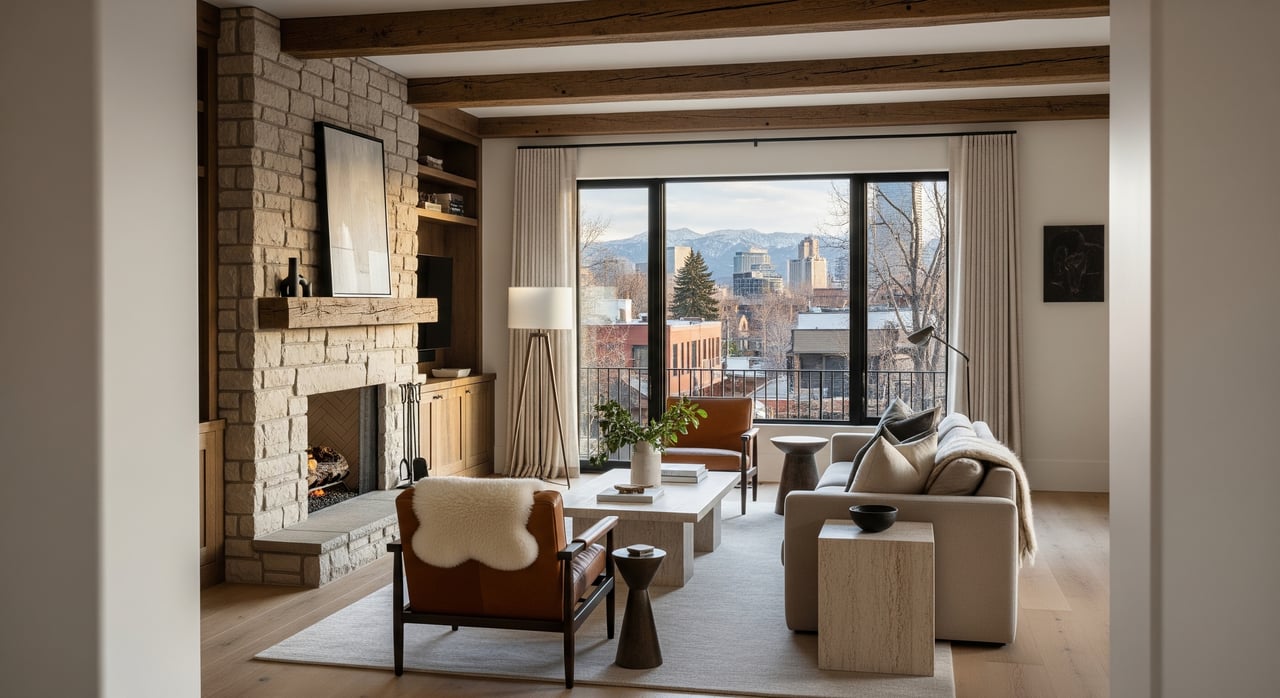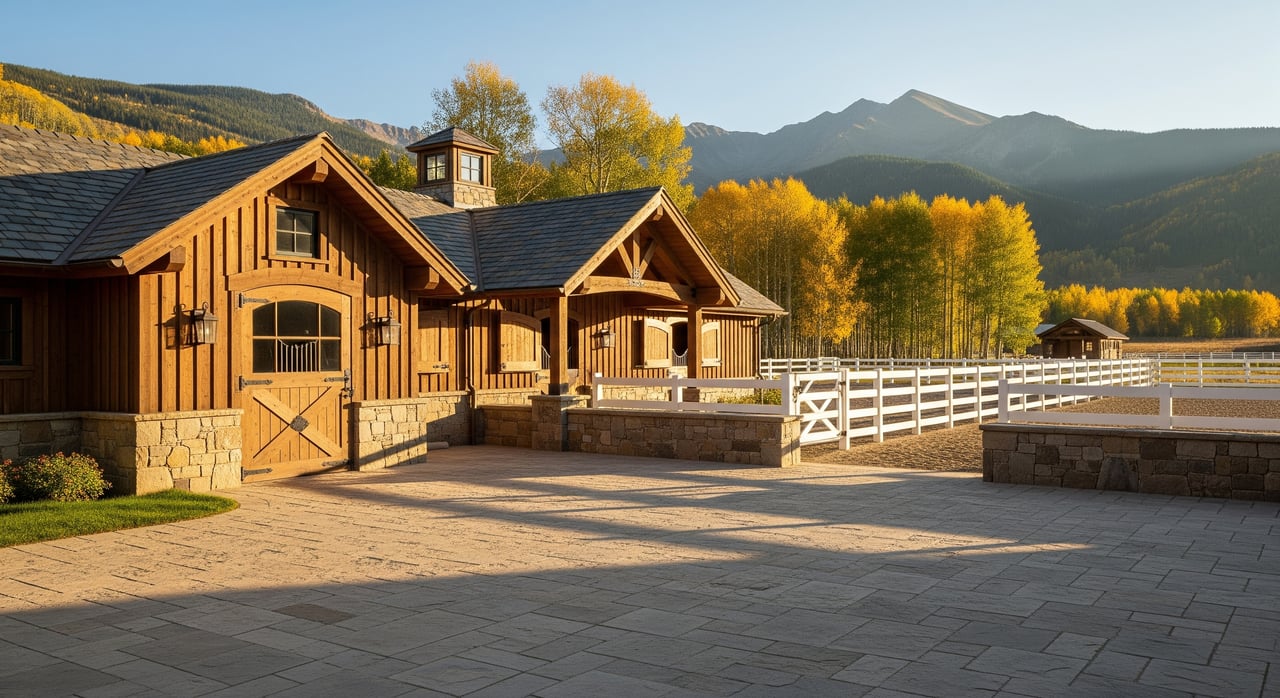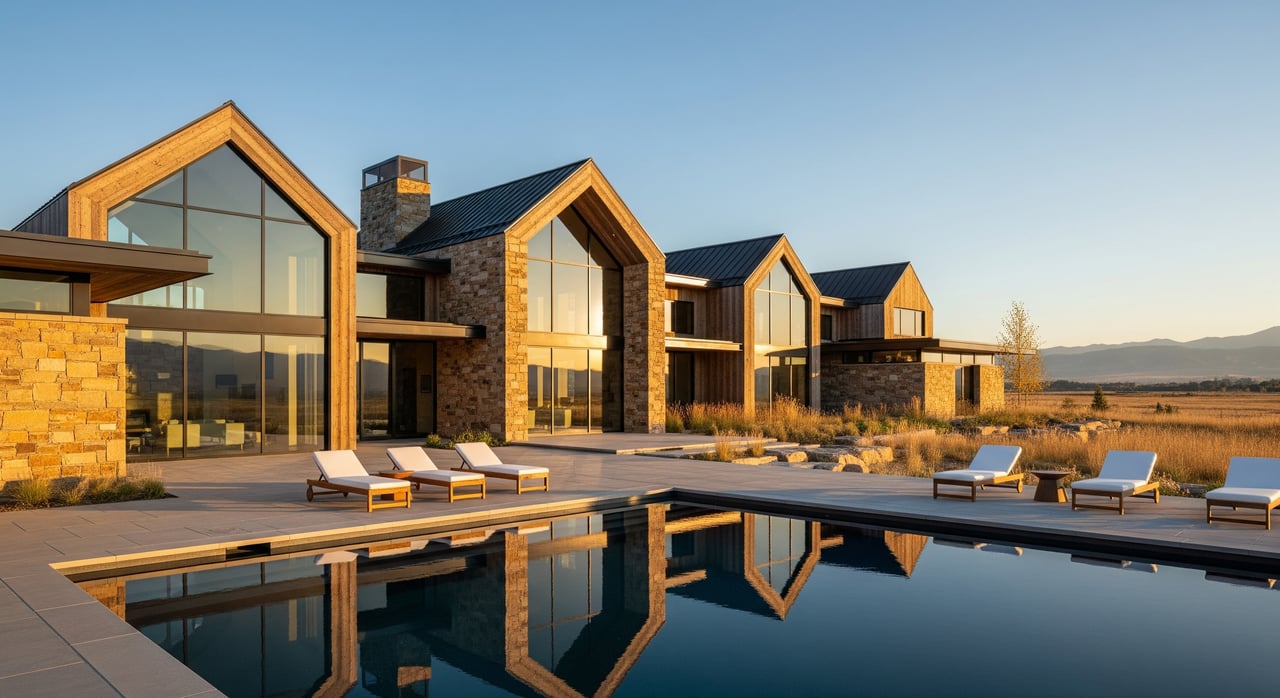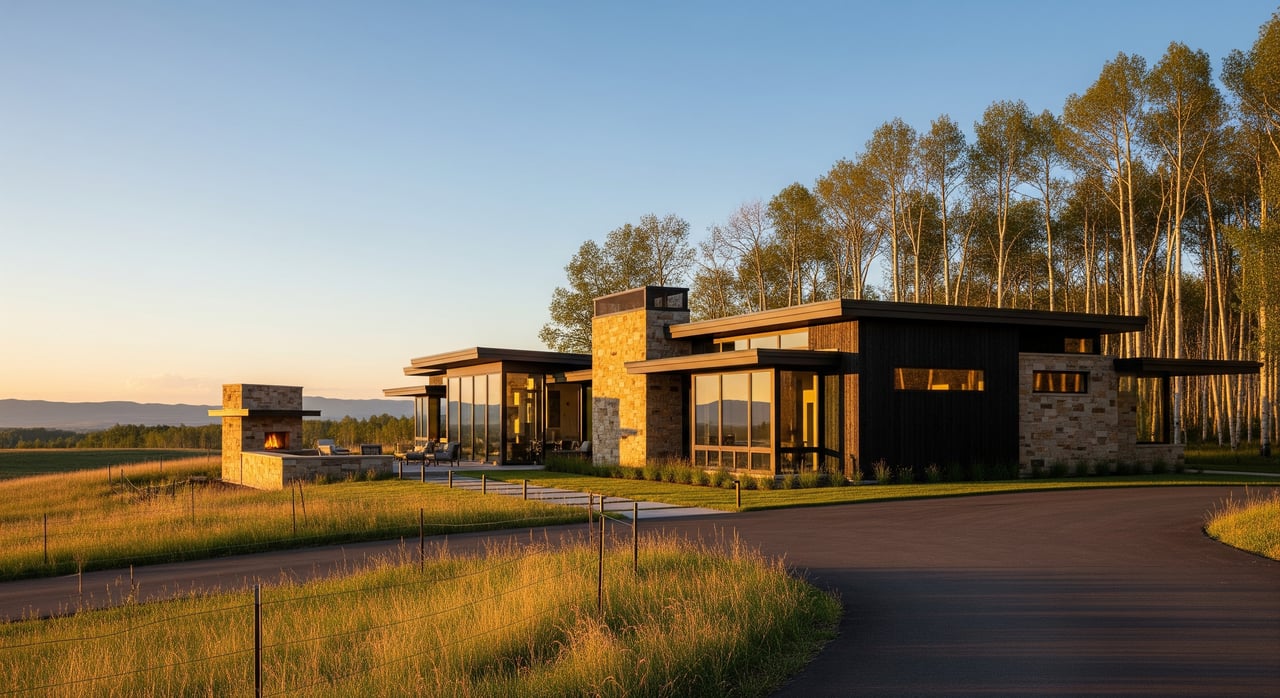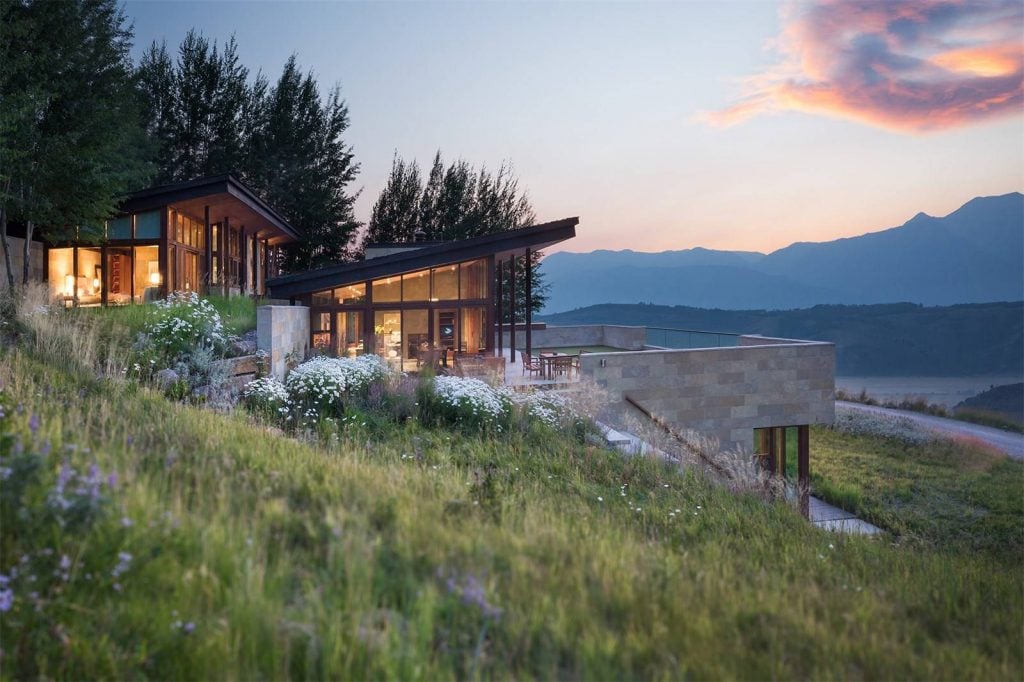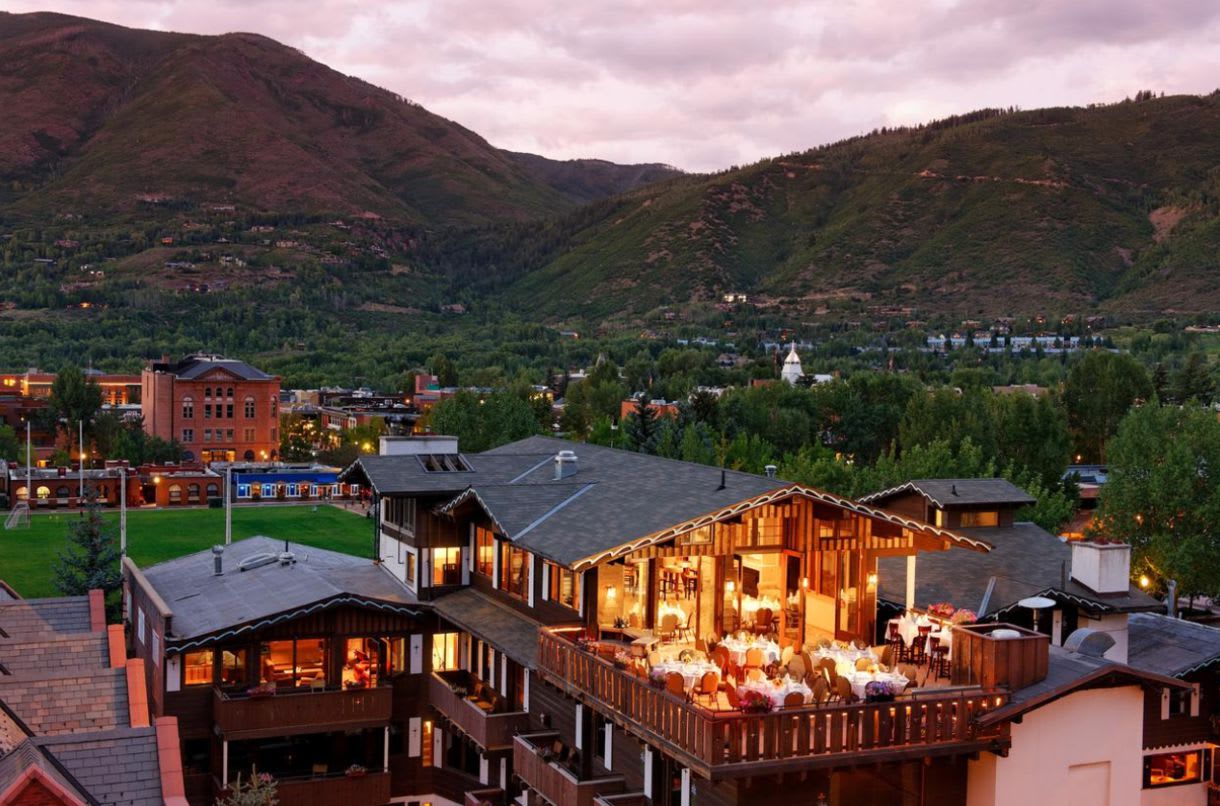
If you want Aspen access without the constant energy of the core, East Aspen deserves a close look. This stretch east of downtown offers a different kind of ownership experience, one shaped by mountain views, trail access, and a quieter residential feel that still keeps you connected to town. If you are weighing lifestyle, long-term usability, and resale potential, East Aspen can offer a compelling balance. Let’s dive in.
Why East Aspen Stands Out
East Aspen is the east-side residential corridor along Highway 82, extending from neighborhoods near downtown toward the North Star Preserve and Independence Pass. Local neighborhood descriptions consistently position it as more quiet and nature-oriented than the Central Core, while still being one of the closer east-side areas to Aspen Mountain and the Silver Queen Gondola.
It also helps to think of East Aspen as a collection of micro-neighborhoods rather than one uniform area. Public guides commonly reference McSkimming, Knollwood, Mountain Valley, Eastwood, Aspen Club, Stillwater, and the North Star corridor, with closer-in pockets generally offering more convenience and farther-east parcels offering more seclusion.
East Aspen Feels Different by Location
One of the most important things to understand is that East Aspen changes quickly as you move east. Some homes feel almost tucked into town, while others feel more like private retreats with open space and larger parcels nearby.
That difference matters when you are comparing value. Closer-in locations can appeal to buyers who want a quieter residential setting without giving up quick access to downtown, while farther-east areas often command attention for privacy, lot size, and a stronger sense of separation.
Closer-In Pockets
In the neighborhoods nearer to downtown, your daily routine may feel easier without putting you in the middle of the busiest parts of Aspen. Some of these areas are better suited for biking or a short trip into town, and they can offer a practical middle ground between convenience and calm.
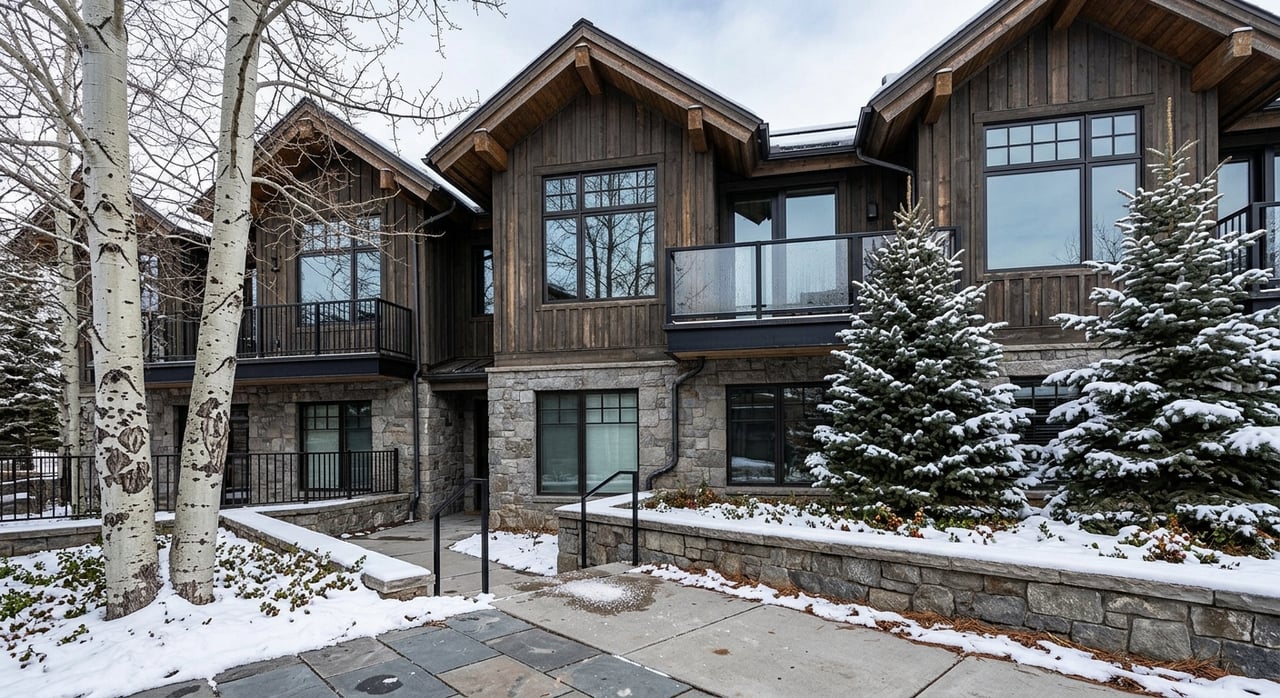
Aspen Club, for example, is a recognized east-side enclave on Ute Avenue. Public descriptions note that it includes a mix of single-family homes, townhomes, villas, and condos, which gives buyers several ownership profiles to compare.
Farther-East Settings
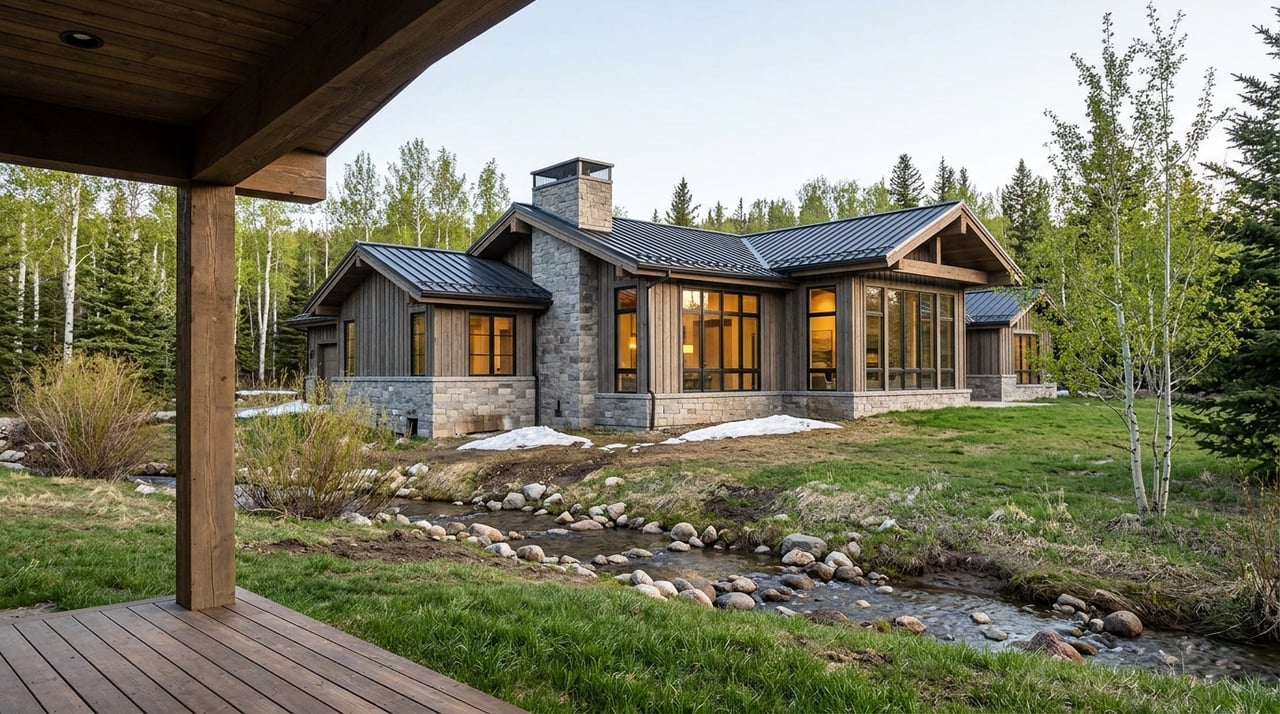
As you move farther east, the ownership experience often shifts toward space, privacy, and a stronger connection to surrounding open land. Stillwater is a good example, with property descriptions noting a location about 1.5 miles from the Aspen Core, across from North Star Preserve, with a bike path to downtown.
For some buyers, that added separation is the point. You may trade some walkability, but gain a more estate-like setting and a different lifestyle rhythm.
Housing Options in East Aspen
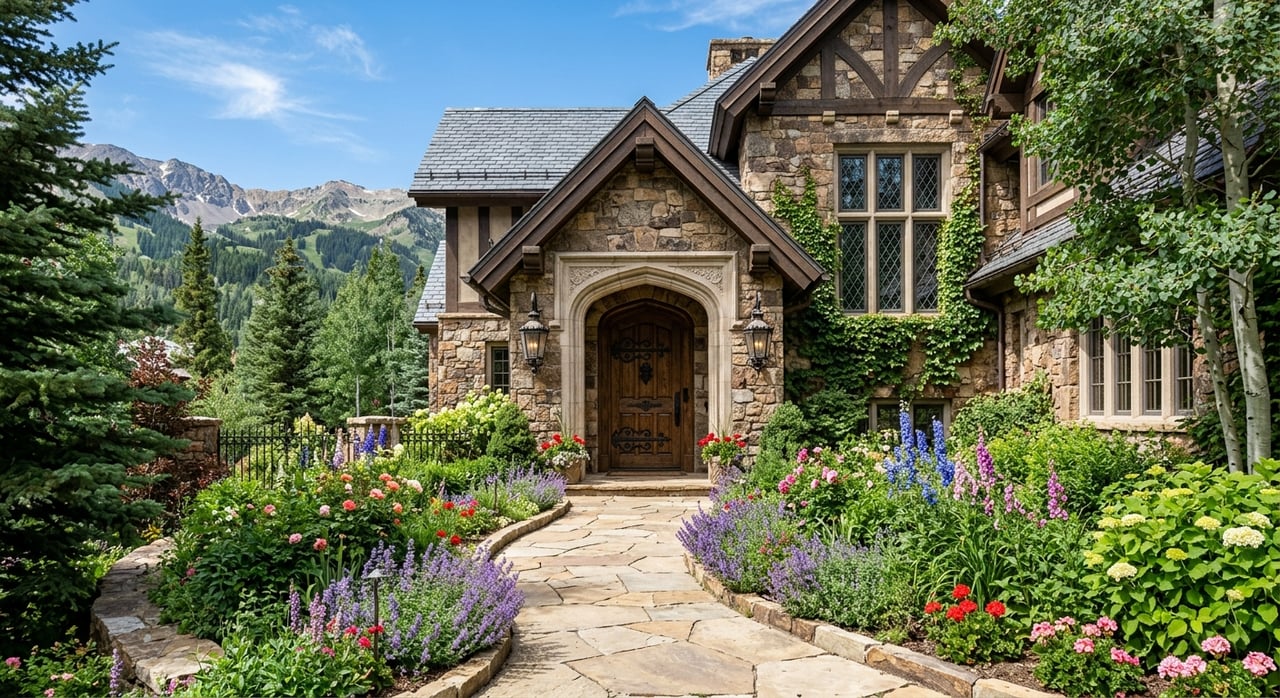
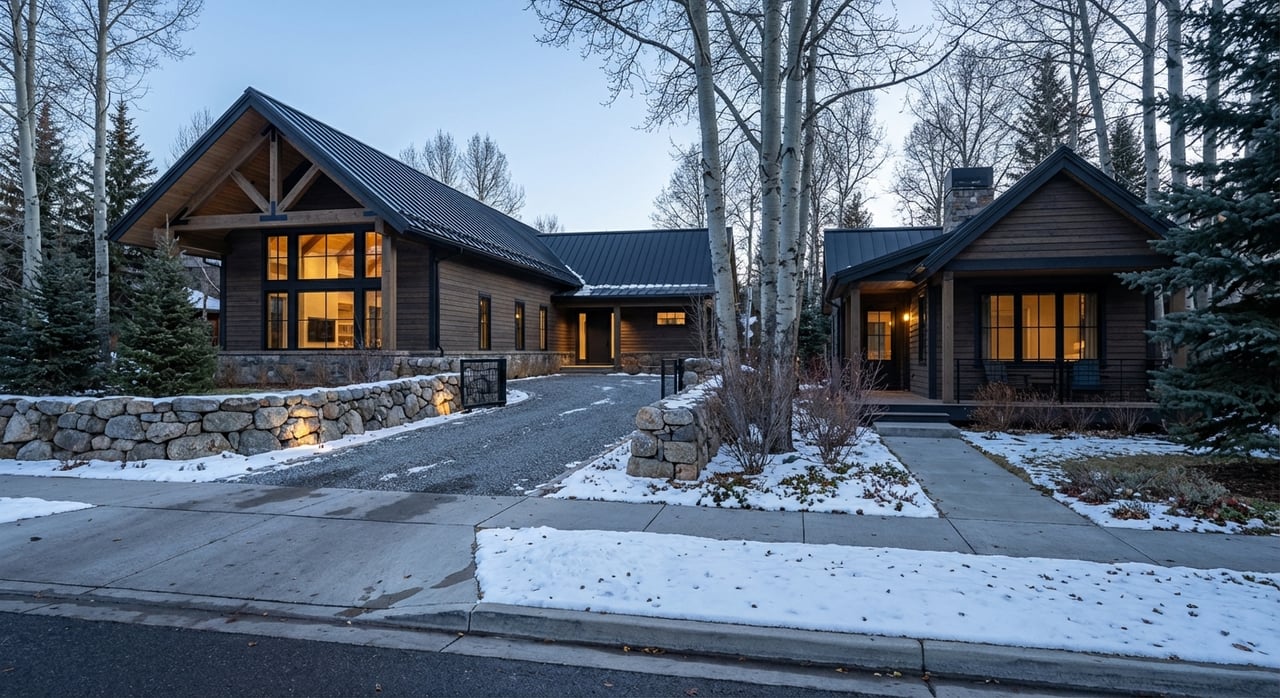
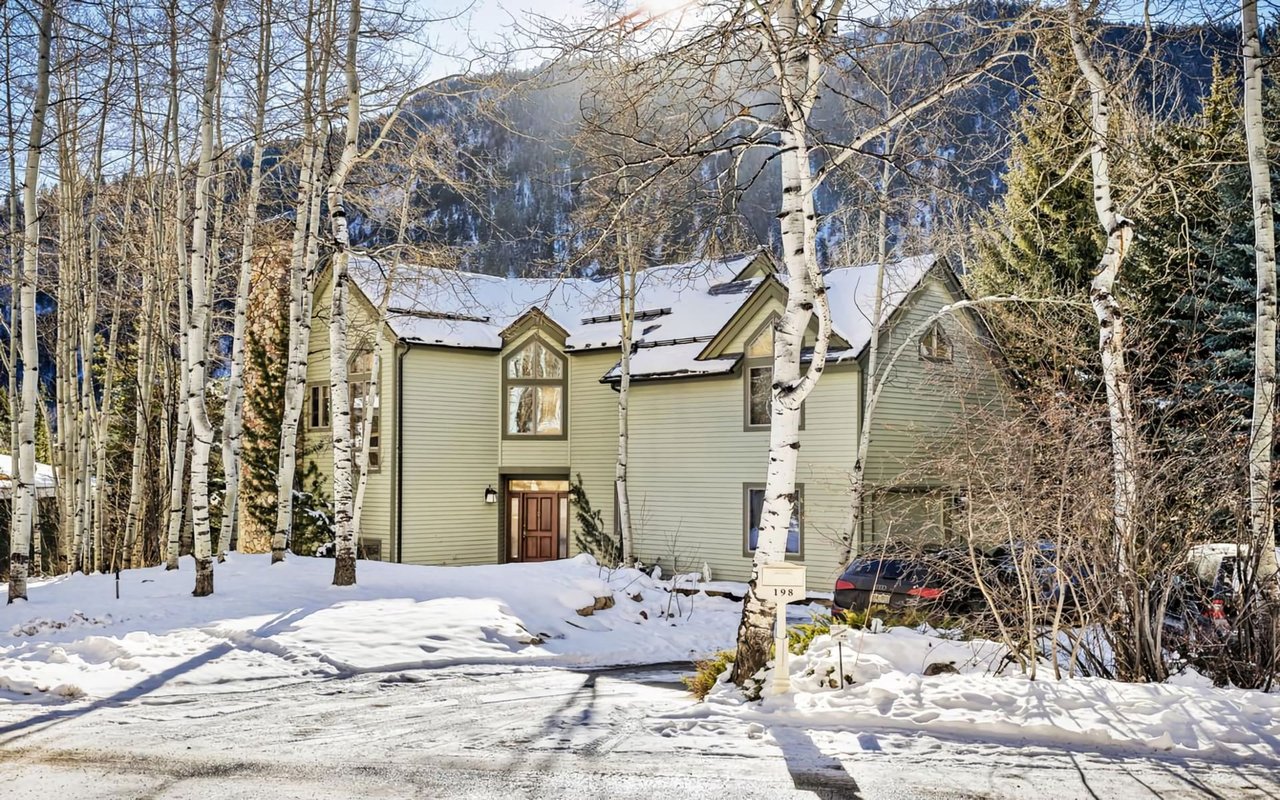
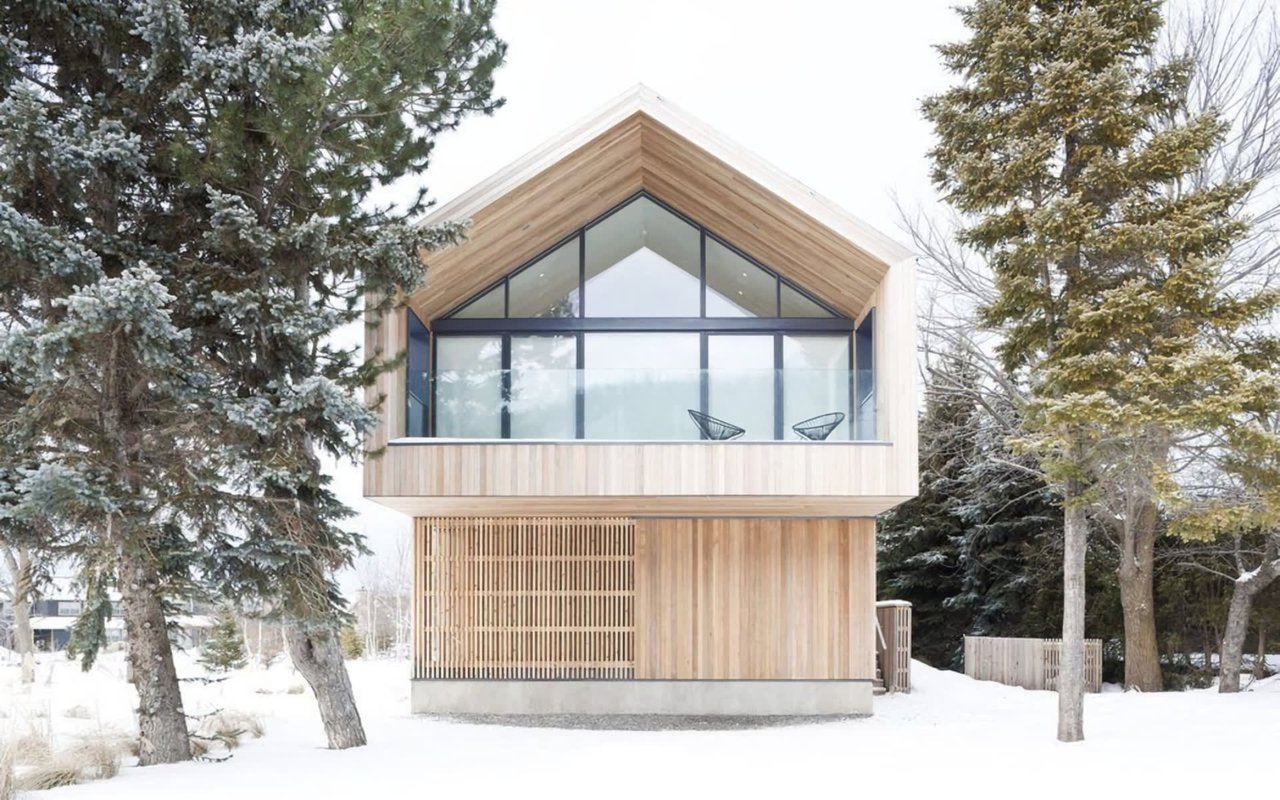
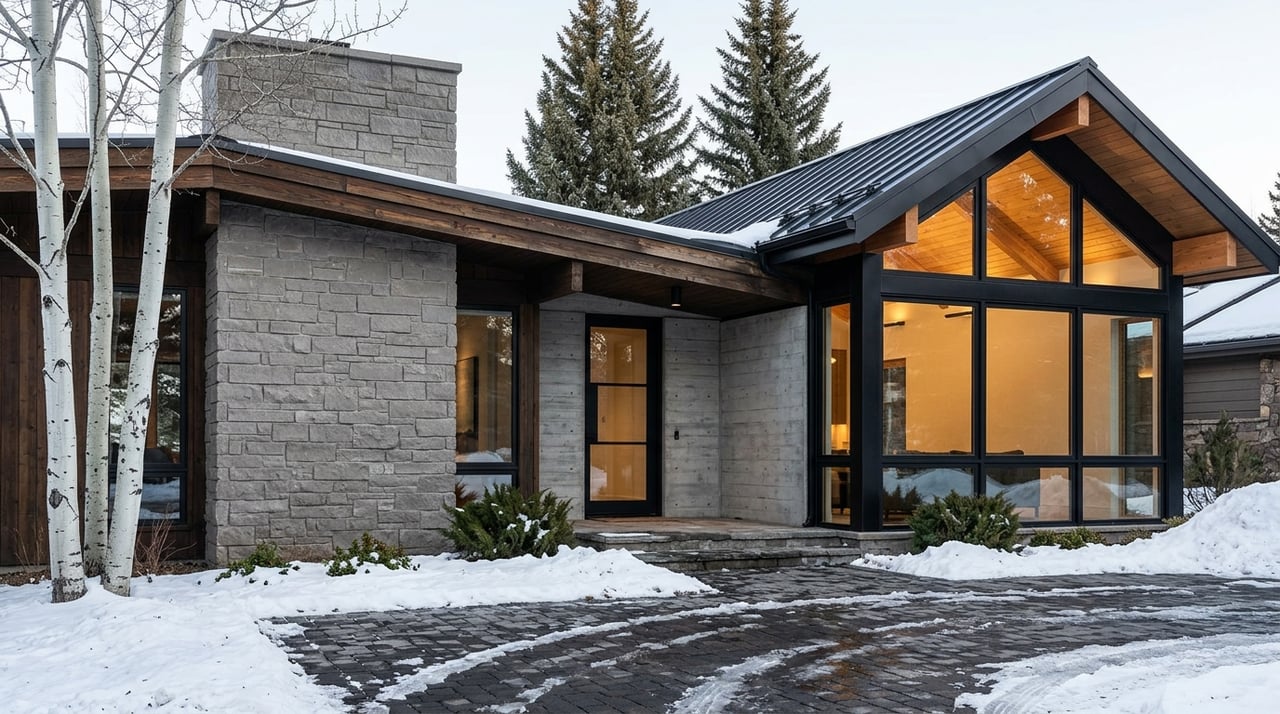
East Aspen’s housing mix is one of its biggest strengths. Older homes, post-war and mid-century structures, and newer contemporary residences can sit near one another, creating meaningful variety in style, scale, and future potential.
For you as a buyer, that usually means choosing between two broad paths: a home with older bones and renovation potential, or a newer build with fewer immediate capital projects. The right fit depends on how much flexibility, time, and long-term planning you want to bring into the purchase.
Older Homes and Remodel Potential
If you are drawn to character, lot position, or a specific micro-location, older homes may open the door to East Aspen in a strategic way. They can offer style variety and the chance to tailor a property over time.
That said, remodel potential is not just about design vision. The City of Aspen Planning and Zoning process notes that staff review everything from new single-family homes to smaller additions, and historic-preservation review applies to designated historic properties and districts.
Newer Builds and Lower Immediate Needs
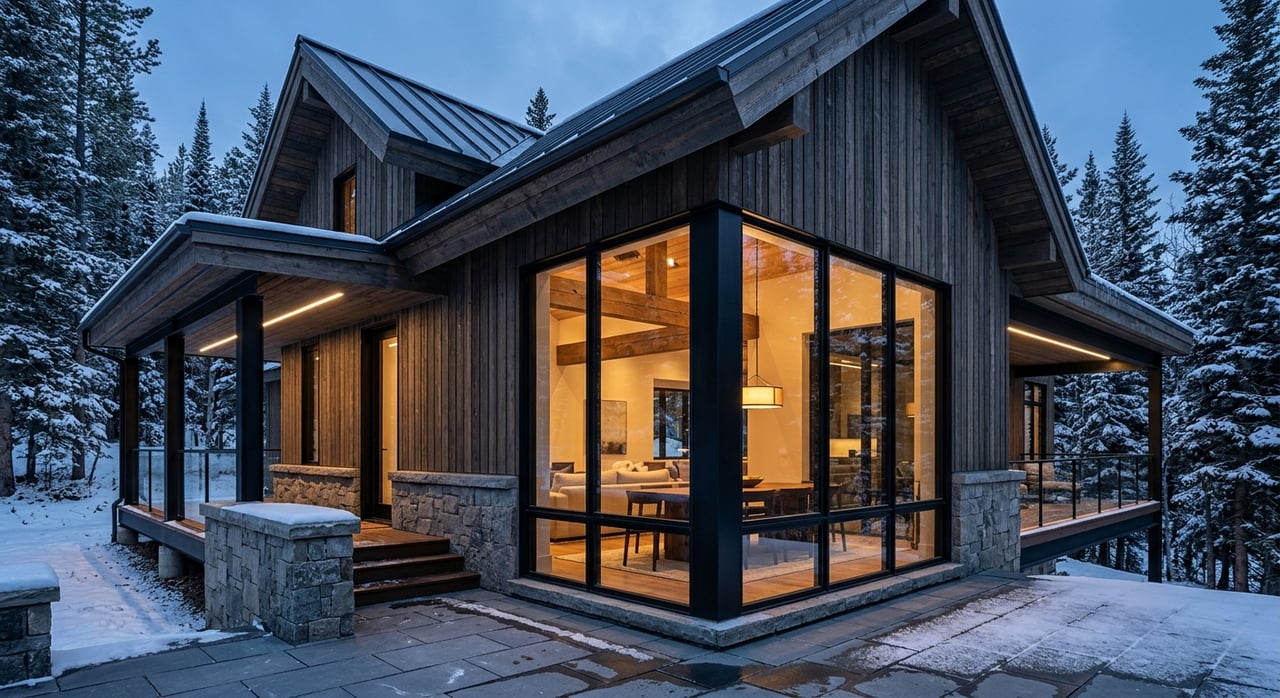
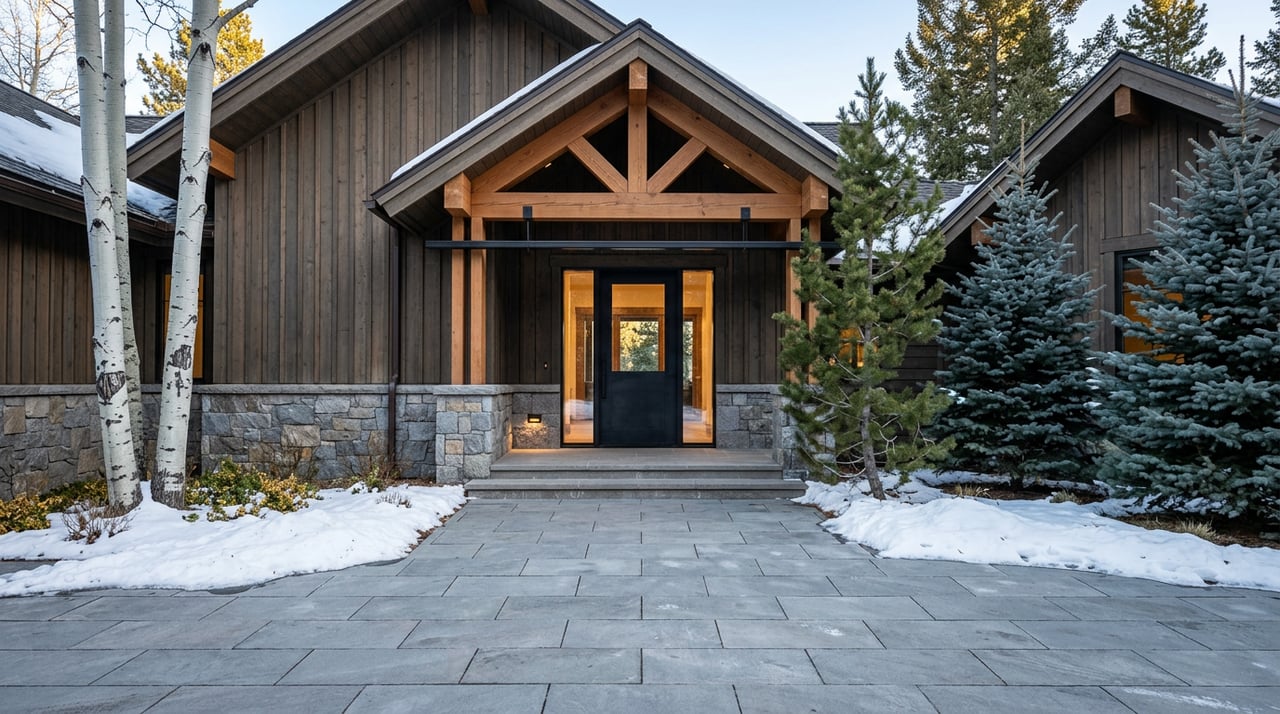
For buyers who want a more turnkey ownership experience, newer homes can reduce the uncertainty around renovations, construction timelines, and approval pathways. That can be especially valuable if you plan to use the property right away or prefer fewer near-term projects.
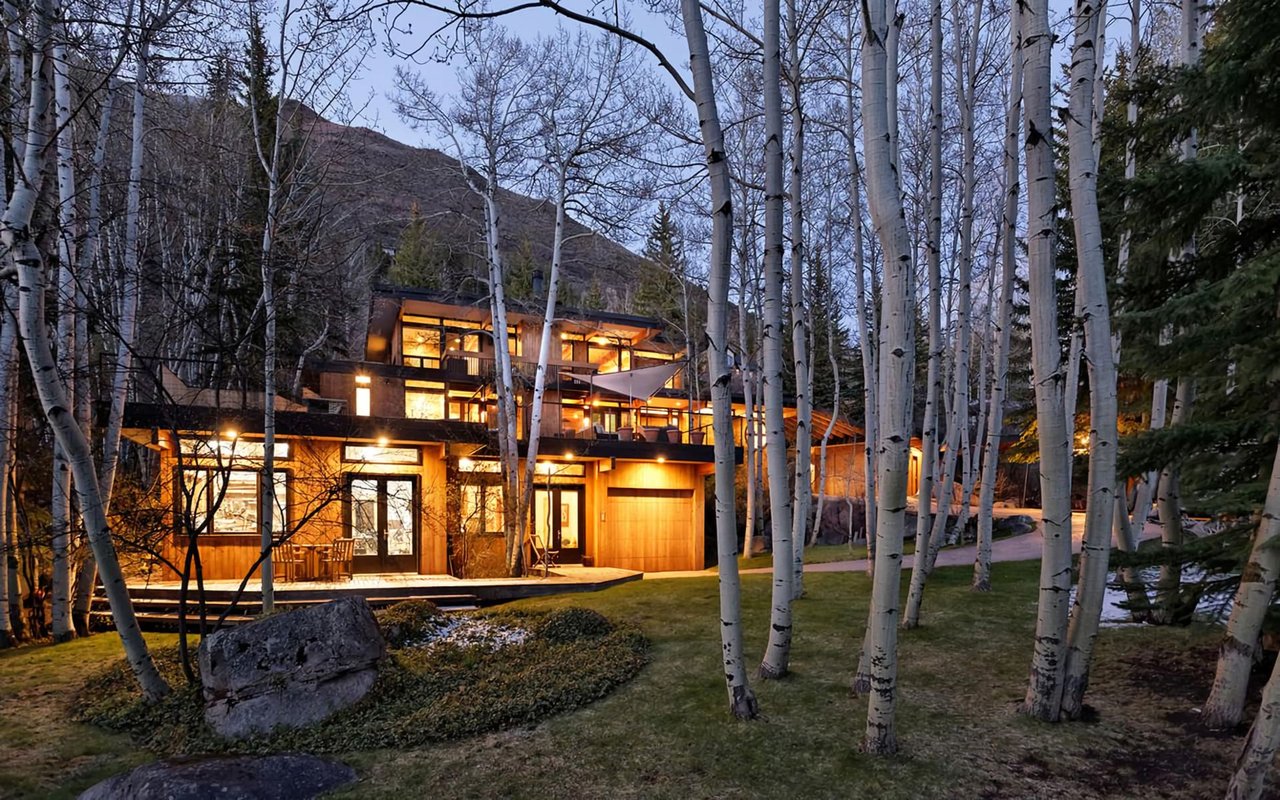
The ownership profile can be dramatically different from one home to the next. A current Stillwater property page, for example, describes a 2019 single-family home on 3.3 acres with mature trees, a pond, and river-adjacent privacy, which is very different from a smaller east-side condo or a mid-century remodel opportunity.
Trails and Open Space Add Real Value
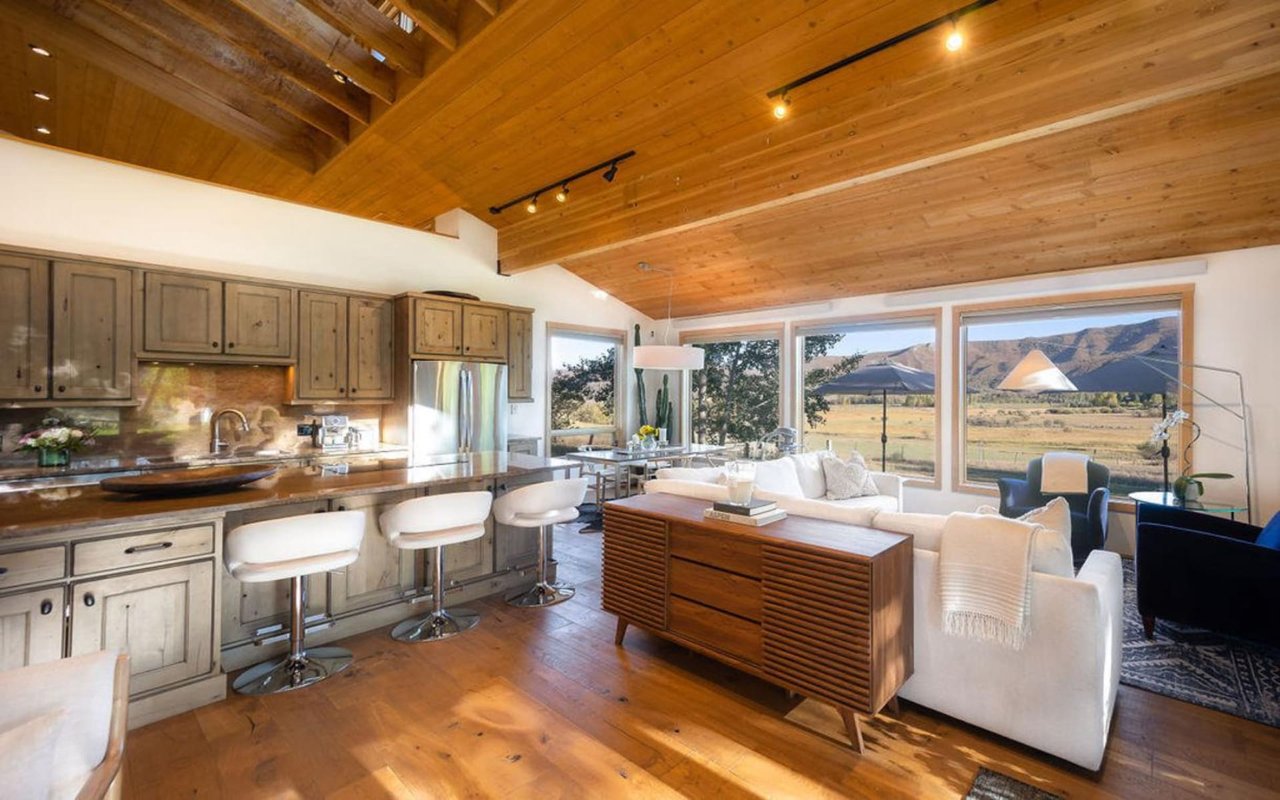
For many buyers, East Aspen’s biggest advantage is how closely daily life can connect to the outdoors. This is not just about views from a window. It is about direct access to open space, trails, and seasonal recreation that can shape how you use the property year-round.
The Smuggler Mountain Open Space is directly accessible from Aspen and is known for its prominent town views. The North Star Nature Preserve borders the East of Aspen Trail and includes a designated beach, a loop trail, a winter Nordic loop, paddleboard access, and an observation deck.
What to Know About Trail Access
Not every parcel enjoys the same level of access, even within the same broad area. If trail access is high on your list, it is worth looking carefully at exactly where a property sits relative to the East of Aspen Trail and which side of the river it occupies.
According to Pitkin County trail information, the East of Aspen Trail is open year-round, though there is no winter maintenance. North Star also has designated access corridors, and the preserve’s west side is closed to public use.
Winter Use Requires Nuance
If you are buying with winter recreation in mind, East Aspen can still work well, but details matter. A trail being open year-round does not mean every segment will feel equally easy or convenient during snow season.
That is why property-level analysis matters here. A home near a year-round route may function very differently from one that appears close on a map but has more limited practical access in winter conditions.
Getting Around East Aspen
East Aspen is not best described as a fully walkable core district. It is better understood as close to town, but more residential and nature-oriented.
For many buyers, that is exactly the appeal. You are not in the center of everything, but you are still connected through roads, bike paths, and transit.
Shuttle and Bike Connectivity
Aspen’s mobility network can reduce the need to drive for every errand or outing. The City of Aspen free shuttle system includes the Cross Town route serving Ute Avenue neighborhoods, the Galena Street route tied to downtown and Aspen Mountain, and the Hunter Creek route near Smuggler Mountain.
The city also highlights the Rio Grande Trail and the broader bike and walk network as part of daily mobility. For some East Aspen buyers, that expands the practical value of a home beyond simple driving distance.
Independence Pass and Seasonal Patterns
Independence Pass is another factor worth understanding before you buy. According to CDOT, the pass typically remains open until the first week of November and reopens the Thursday before Memorial Day weekend, weather permitting.
For most East Aspen owners, this is less about commuting and more about seasonal access and neighborhood feel. When the pass is closed, east-of-town routing changes, and that can subtly affect traffic patterns and how the area feels across the year.
What Drives Value in East Aspen
East Aspen value is rarely about just one feature. In practice, buyers tend to pay close attention to lot size, privacy, views, sun exposure, and distance to downtown.
That means two homes with similar square footage can offer very different value propositions. One may win on convenience and access, while another stands out for seclusion, natural setting, or long-term estate appeal.
Sun, Trees, and Sightlines
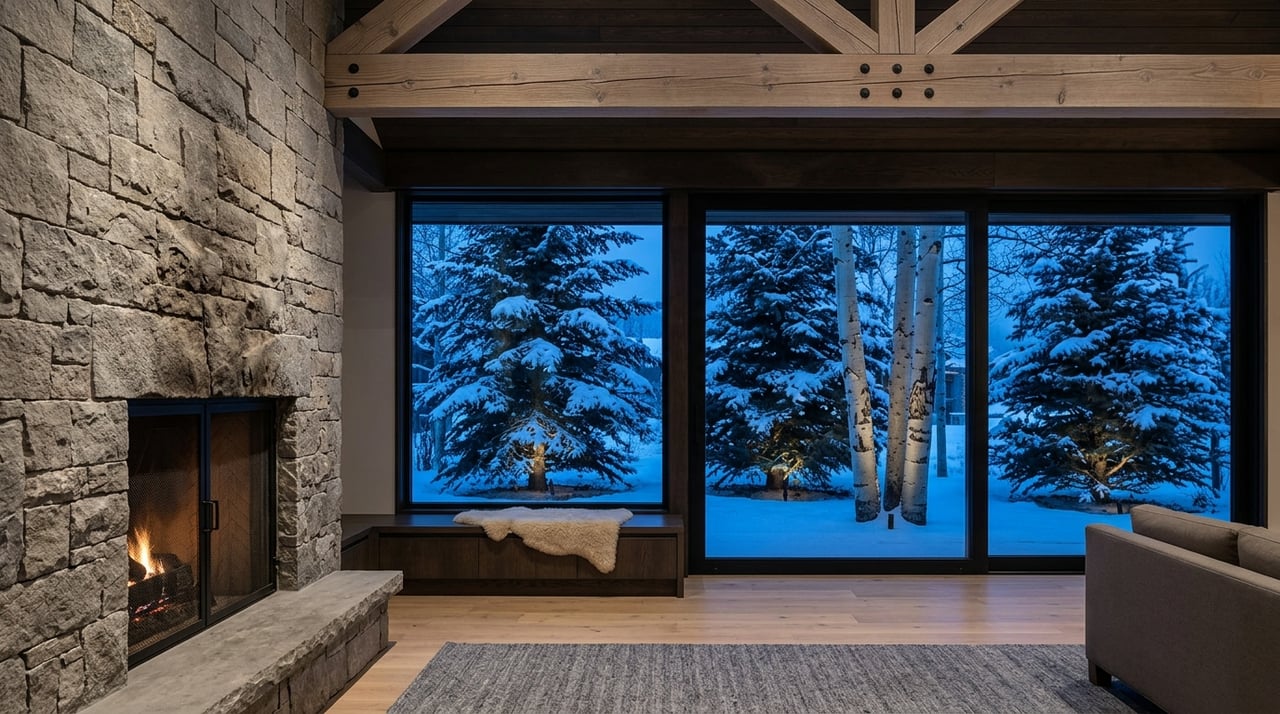
One often-overlooked variable is how much a parcel’s tree cover affects winter light and view corridors. Even within the same section of East Aspen, the day-to-day experience can vary depending on orientation, vegetation, and how the site sits on the land.
This is one reason broad neighborhood labels only go so far. In East Aspen, value is often highly parcel-specific.
Lifestyle and Resale Flexibility
East Aspen can be especially appealing if you want both lifestyle value and future flexibility. Some homes function as short-bike-to-town properties, while others are better suited as private retreats that still remain within a quick drive or shuttle ride of downtown.
That range can help support long-term buyer interest. When a location serves more than one type of lifestyle goal, it can strengthen its staying power over time.
How to Buy Smart in East Aspen
If you are seriously considering East Aspen, the most important step is to compare properties through a lifestyle lens, not just a price-per-square-foot lens. In this corridor, the ownership experience can change significantly from one micro-location to the next.
A thoughtful search should usually include:
- How close the home is to downtown access points
- Whether trail access is truly direct and usable year-round
- The balance between privacy and convenience
- Sun exposure during winter months
- Lot size and surrounding tree cover
- Whether the home is likely to require renovation work
- What planning or review pathways may affect future changes
Those details can make the difference between a property that simply looks appealing online and one that aligns with how you actually want to live in Aspen.
If you want a more tailored look at East Aspen opportunities, I can help you compare micro-neighborhoods, assess property-level tradeoffs, and build a strategy around both lifestyle and long-term value. To start a private consultation, connect with Dayna + Mandy - Mandy Welgos.
FAQs
Is East Aspen walkable for daily living?
- Some parts of East Aspen are better for walking or biking to town, but the area as a whole is better described as close to town rather than a fully walkable core district.
Are East Aspen trails usable in winter?
- Yes, with some nuance. Pitkin County lists the East of Aspen Trail as open year-round, but there is no winter maintenance, and parts of the surrounding preserve have restricted access.
Does Independence Pass affect East Aspen homeowners?
- Yes, mostly in a seasonal way. The pass is not a year-round through-route, so closures can change east-of-town access and seasonal traffic patterns.
Are East Aspen homes mostly newer construction?
- No. East Aspen includes a mix of older homes, post-war and mid-century properties, remodeled residences, condos, and newer contemporary builds.
What matters most when comparing East Aspen properties?
- Buyers usually focus on privacy, lot size, views, sun exposure, proximity to downtown, trail access, and whether a home’s age may affect future renovation plans.