What makes one Aspen address command a meaningfully higher price than another, even when the homes themselves look similar on paper? In many cases, the answer is walkability. If you are buying, selling, or simply tracking Aspen property values, it helps to understand why the Central Core continues to stand out and how its compact, amenity-rich setting supports premium pricing. Let’s dive in.
Why Aspen’s Central Core Stands Out
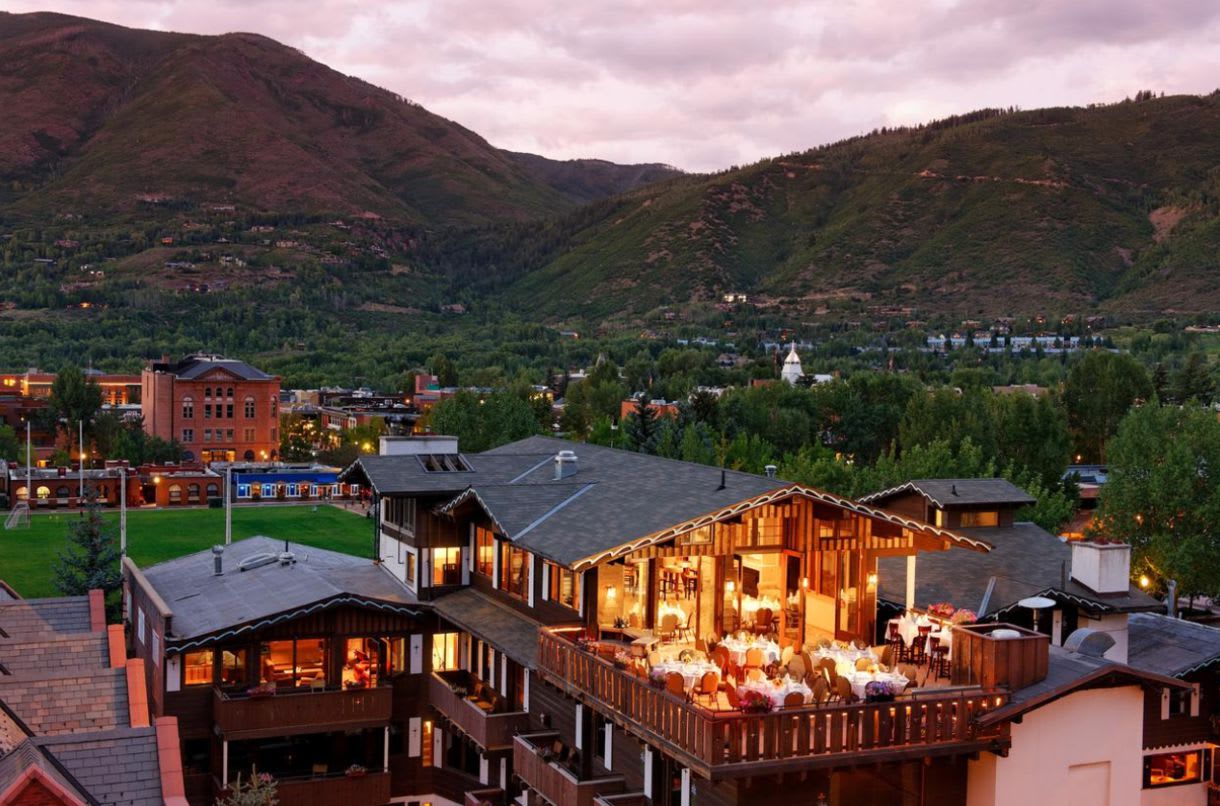
Aspen’s Central Core is unusually compact for a world-class resort town. According to the Aspen Chamber, the downtown core spans about six blocks, and you can often walk east to west in roughly 15 minutes. That small footprint puts dining, shopping, ski access, arts, and public gathering spaces close together in a way few mountain markets can match.
This convenience is not just about being “near downtown.” The Central Core brings together a concentrated mix of daily and seasonal amenities, including the Silver Queen Gondola area, pedestrian retail corridors, bike access, and bus service through RFTA. For many buyers, that combination creates a more seamless lifestyle and a more valuable location.
Walkability Is More Than a Lifestyle Perk
Buyers increasingly care about how easily they can move through a community without relying on a car. In the National Association of Realtors 2023 Community & Transportation Preferences Survey, 56% of respondents said they preferred a small-yard community where it is easy to walk to places, compared with 44% who preferred a larger-yard setting where driving is more necessary.
That preference matters in Aspen because the Central Core turns walkability into something tangible. Instead of treating convenience as a vague selling point, this micro-market offers a real, everyday pattern of living where you can walk to restaurants, cultural venues, shops, and many seasonal activities from one compact area.
NAR also found that 35% of respondents ranked walkability to shops and restaurants among their top two home or community qualities. In a place like Aspen, where land is limited and the historic core is tightly built, that demand can translate into stronger pricing support over time.
How the Public Realm Adds Value
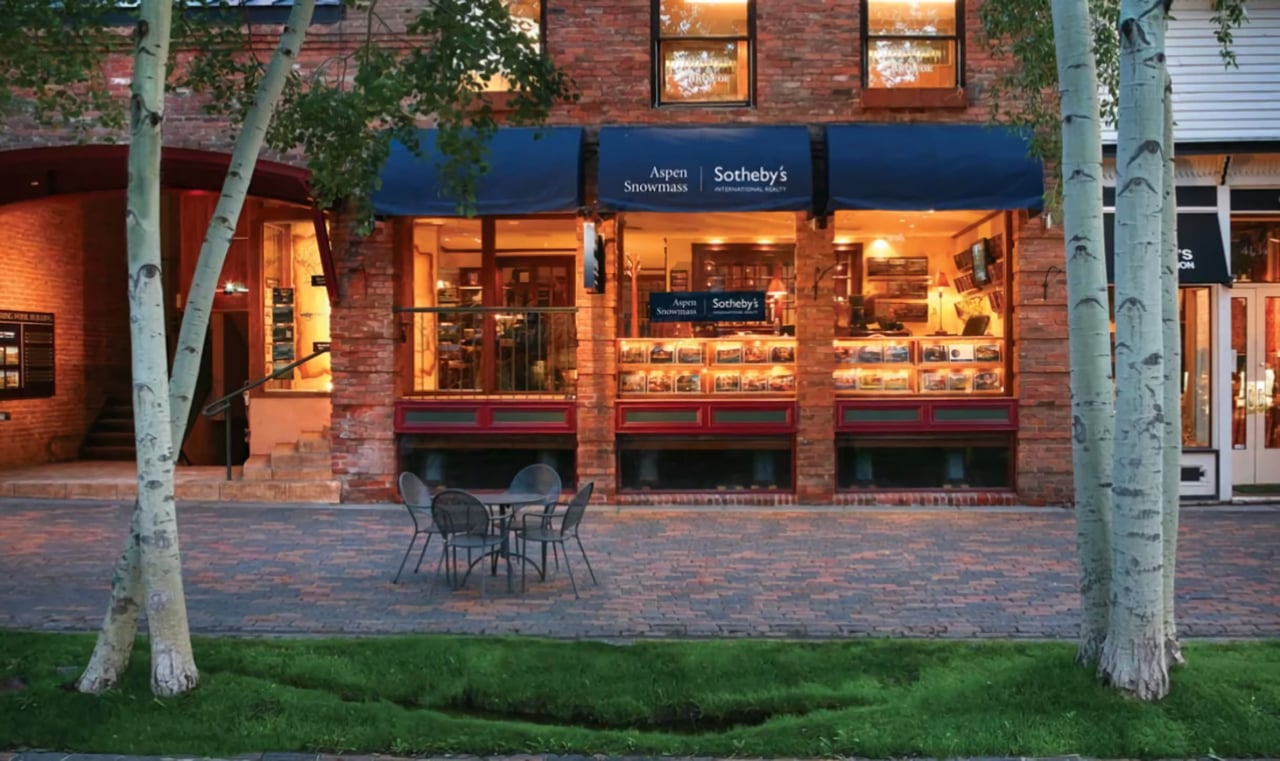
One reason the Central Core feels distinct is the strength of its public spaces. The Aspen Pedestrian Mall has been part of that identity since 1976, when it became Colorado’s first car-to-pedestrian transformation. Today, it remains one of the few car-free mall districts in the country.
That design choice changes how the area functions. A pedestrian-centered district tends to feel more accessible, more connected, and easier to enjoy on foot. In Aspen, that contributes to an experience buyers are often willing to pay for because it is difficult to replicate elsewhere.
The downtown core also brings together art, live music, parks, and civic life in a very small radius. Aspen Chamber highlights that the area is not just a retail and dining destination. It is also a concentrated cultural center, which strengthens the case for long-term desirability.
Culture and Ski Access in One Place
In Aspen, walkability is not limited to errands or nightlife. It also connects to the town’s broader identity. The Aspen Art Museum is downtown and serves as a cultural hub for Aspen and the Roaring Fork Valley, while Belly Up Aspen offers year-round live music in an intimate venue.
The Aspen Music Festival and School also adds to the appeal of the area. Many visitors can walk from downtown to the Michael Klein Music Tent in about 15 to 20 minutes, and the festival recommends walking, biking, or taking the bus for events. That kind of access supports a lifestyle where culture and recreation sit close together.
For buyers, this creates a rare bundle of benefits. You are not choosing between ski convenience and town convenience. In the Central Core, many properties offer proximity to both.
How Walkability Shows Up in Pricing
The value story becomes clearer when you look at price per square foot trends. Recent market data consistently show that Aspen Core properties sit in one of the highest pricing tiers in the market, especially for attached product.
The H1 2025 Estin report found that Aspen Core condos averaged $4,469 per square foot, with a median of $3,965 per square foot. The same report highlighted individual Central Core condo sales around $5,064 and $5,681 per square foot, showing how strongly buyers can price location convenience in this part of town.
Redfin’s May 2026 Downtown Aspen neighborhood data reported a median sale price of $3.07 million and a median sale price per square foot of $3.75K over the prior three months. While exact numbers shift with inventory, timing, and property mix, the broader pattern is clear: buyers consistently reward central, walkable Aspen locations.
Why the Premium Persists
Pricing in Aspen is never about square footage alone. Local market commentary in the research emphasizes that location, ski access, views, and proximity to town can drive value far beyond size. Scarcity also matters.
That is especially true in the Central Core. The premium exists because the area offers a limited supply of homes within a compact district that blends walk-to-lifts convenience, a pedestrian shopping environment, cultural access, and a car-light routine. When buyers compete for a scarce lifestyle package, values often rise accordingly.
This is one reason walkability can have an outsized effect on condos and townhomes. In attached product, buyers often place heavy weight on convenience and location efficiency, which can make the Central Core premium feel more direct.
What Sellers Should Understand
If you own property in or near Aspen’s Central Core, walkability may be one of your home’s most important value drivers. Buyers are often comparing not just floor plans and finishes, but also how easily they can reach lifts, dining, retail, arts venues, and public spaces on foot.
That means your pricing and marketing strategy should reflect the micro-location story. A home one or two blocks closer to the gondola, the pedestrian mall, or the heart of downtown activity may appeal differently than a similar property farther out. In Aspen, those distinctions can matter.
For luxury sellers, this is where precise market positioning becomes essential. The right narrative should show how your property fits into the Central Core lifestyle and why that location has enduring value in the broader Aspen market.
What Buyers Should Keep in Mind
If you are buying in Aspen, it helps to think of walkability as both a lifestyle feature and a market factor. A central location may come at a premium, but that premium often reflects limited supply and sustained buyer demand rather than simple hype.
It is also important to remember that the Central Core is a micro-market, not a blanket category. Block-by-block location, building type, views, parking, condition, and ski convenience can all change value materially. Two homes with the same square footage may perform very differently depending on exactly where they sit.
That is why careful neighborhood analysis matters in Aspen. Looking only at broad averages can miss the nuances that shape real pricing decisions in the Central Core.
Central Core Value Is a Micro-Market Story
Is the Central Core always the most expensive part of Aspen? It is usually among the highest on a per-square-foot basis, but exact rankings can shift depending on property type and condition.
That is an important distinction for both buyers and sellers. The market consistently supports the idea that walkable core locations carry a premium, but the size of that premium still depends on the specific property. In other words, walkability elevates value, but it does not erase the importance of product quality and exact placement.
For anyone evaluating Aspen real estate, the bigger takeaway is simple. In the Central Core, walkability is not just a nice amenity. It is a structural market advantage shaped by limited land, a compact historic downtown, and strong buyer preference for places that make daily life easier and more enjoyable.
If you are thinking about buying or selling in Aspen, understanding how micro-location influences value can make a meaningful difference in your strategy. For discreet, highly personalized guidance on Aspen’s most nuanced neighborhoods and luxury property opportunities, connect with Dayna + Mandy.
FAQs
How does walkability affect Aspen home values in the Central Core?
- Walkability can support higher values because the Central Core combines ski access, dining, shopping, arts, and transit within a compact area that buyers consistently value.
Is Aspen’s Central Core always the most expensive neighborhood?
- It is often among the highest-priced areas on a per-square-foot basis, but exact rankings can change depending on the property type, condition, views, and specific location.
Why do Aspen Core condos often carry a walkability premium?
- Condos and townhomes in the core are often priced heavily around convenience, especially when they offer easy access to downtown amenities and the ski base area.
What makes Aspen’s downtown core different from other in-town areas?
- The Central Core stands out because it concentrates pedestrian shopping, cultural venues, public spaces, transit access, and proximity to skiing within about six walkable blocks.
Does culture influence Aspen Central Core property values?
- Yes. Downtown access to venues such as the Aspen Art Museum, Belly Up Aspen, and the Aspen Music Festival area adds to the appeal for many buyers alongside ski convenience.