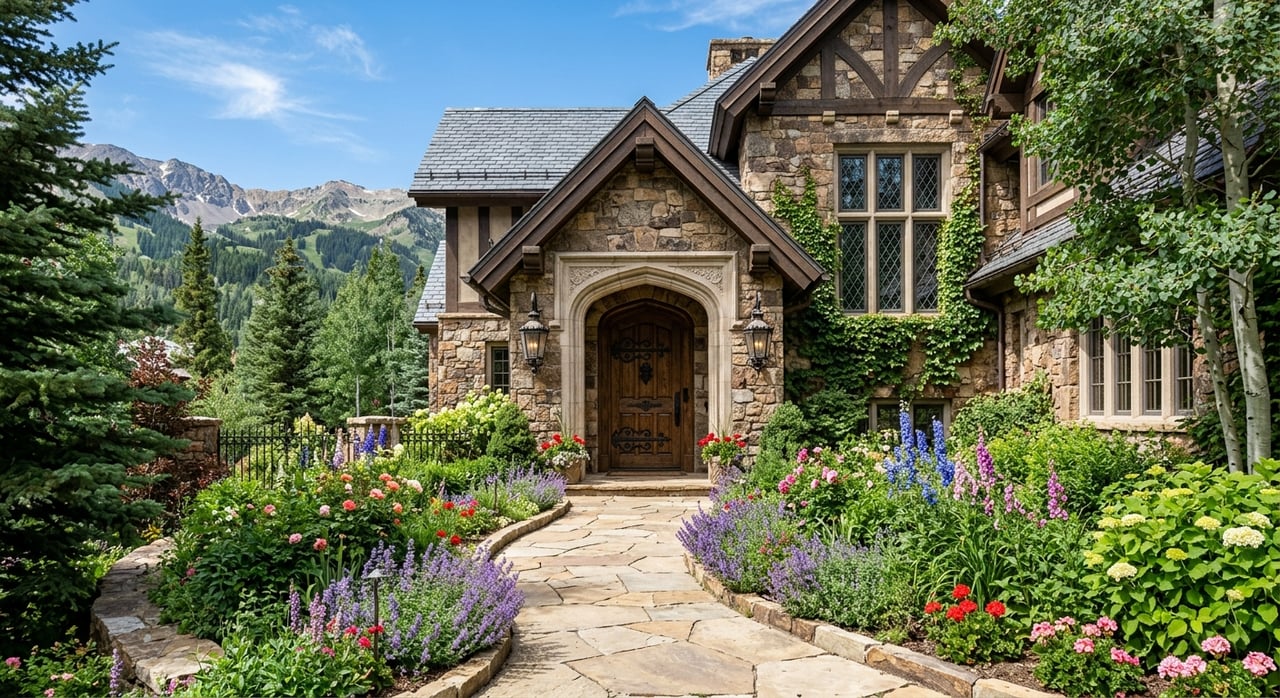
If you are drawn to Aspen for its beauty but want more than a postcard view, the West End stands apart. This is where historic homes, tree-lined streets, and major cultural institutions come together in a way that feels both refined and deeply rooted. If you are considering a home in Aspen or simply want to understand why this neighborhood holds such lasting appeal, this guide will walk you through what makes the West End so special. Let’s dive in.
Why Aspen’s West End Feels Different
Aspen’s West End is a historic residential enclave known for its quiet streets, mature trees, and strong architectural identity. The area is anchored by Aspen Meadows, the Aspen Institute, and the Wheeler/Stallard Museum campus, which gives the neighborhood an unusual mix of residential calm and cultural depth.
What makes the West End memorable is not just one landmark or one block. It is the way the neighborhood reads as a complete setting, with sidewalks, lawns, boulevards, and preserved homes creating a cohesive sense of place. In Aspen, that kind of continuity is rare and valuable.
West End History Still Shapes It Today
The West End’s built environment traces back to Aspen’s late 19th-century boom years. City design standards note that the 1889 horse-drawn streetcar line helped development extend into the West End, and many of Aspen’s largest Victorian-era homes were built between 1888 and 1893.
That history is not just background information. Aspen has treated historic preservation as a community priority since the early 1970s, and the city’s preservation program continues to shape how the neighborhood evolves. For buyers, that means the West End has retained a distinct scale and character that feels intentional rather than accidental.
Historic Streetscape Creates Lasting Appeal
One of the most striking qualities of the West End is its relationship to the street. Aspen’s design guidance emphasizes preserving neighborhood scale, visible open space, and a strong connection between homes and the public realm.
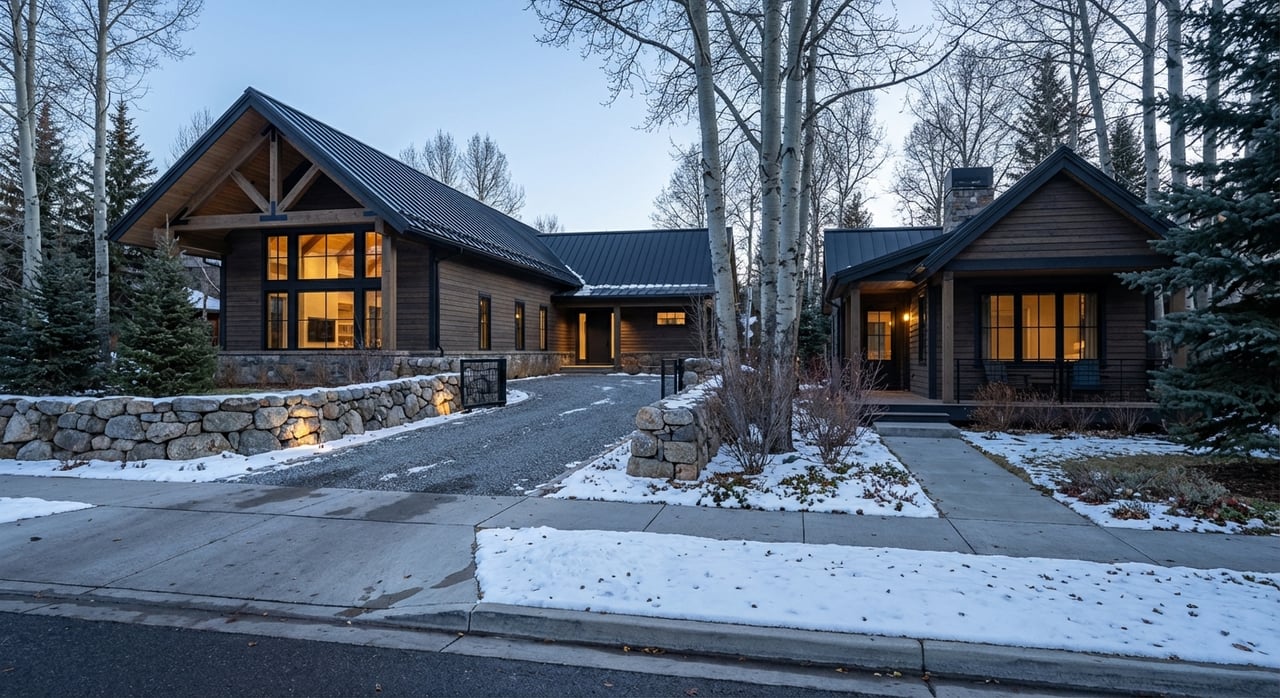
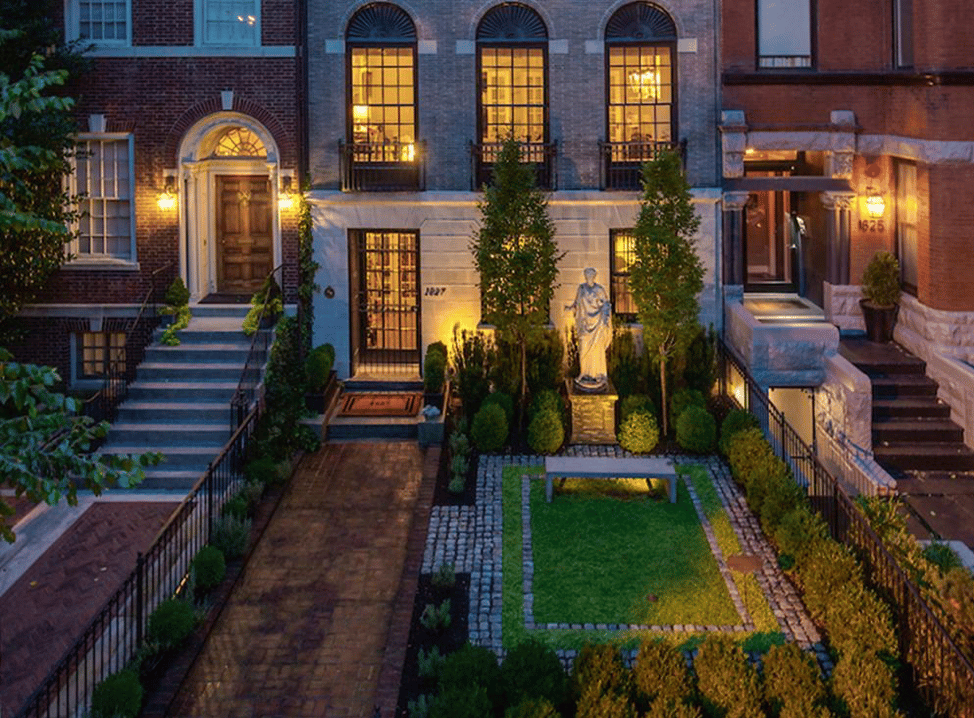
In practical terms, that often means front yards that feel open rather than closed off. City preservation guidance describes traditional Aspen Victorian yards as mowed grass with cottonwoods and low, transparent picket fences, and many properties historically had no fence at all. The result is a neighborhood that feels landscaped, porch-oriented, and visually connected.
Open Yards and Irrigation Ditches
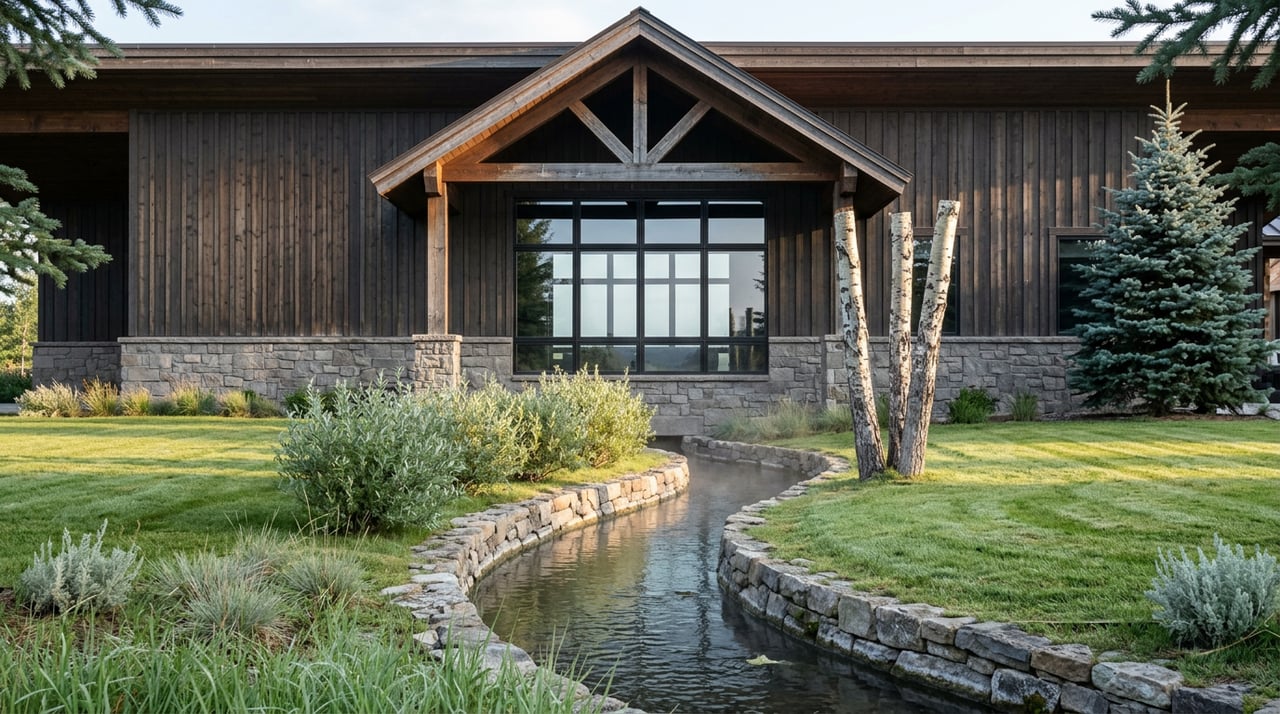
The west side of town also includes historic irrigation ditches along many streets. These details may seem small at first, but together they help define the West End’s rhythm and texture.
Instead of reading as dense, wall-to-wall development, the neighborhood feels spacious and layered. Open yards, tree canopies, and the historic ditch network all contribute to a sense of place that is difficult to replicate in newer neighborhoods.
Home Styles You’ll Notice Right Away
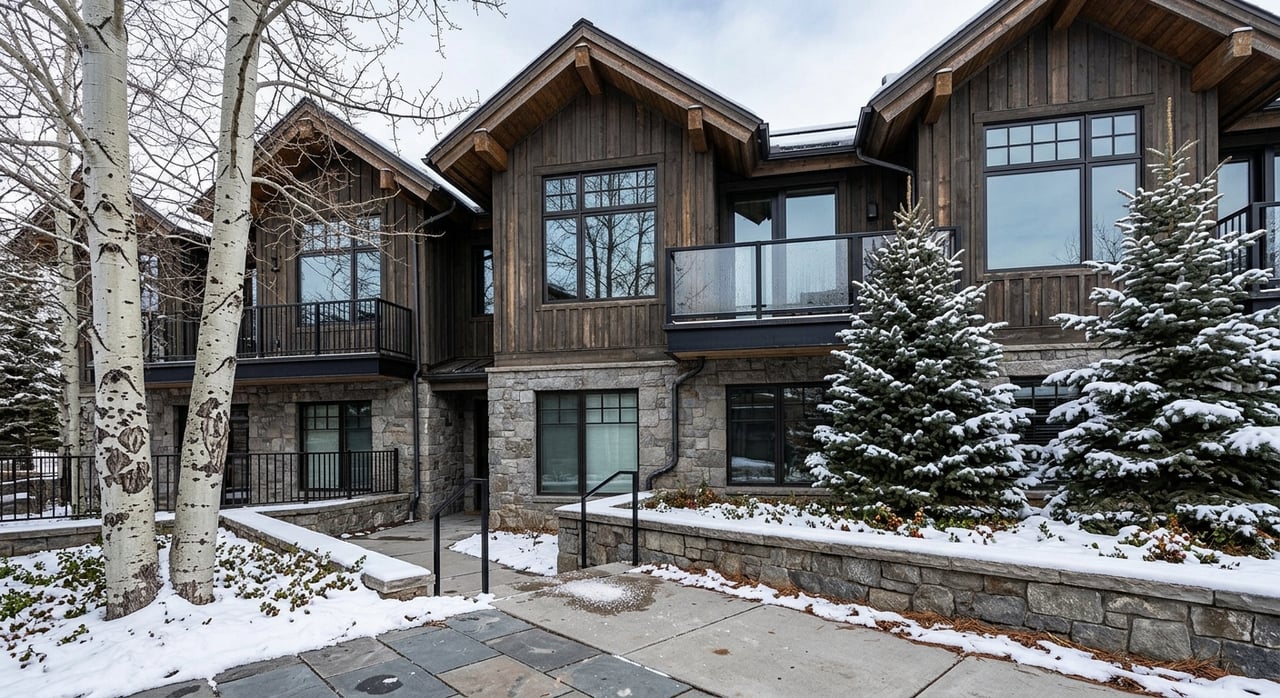
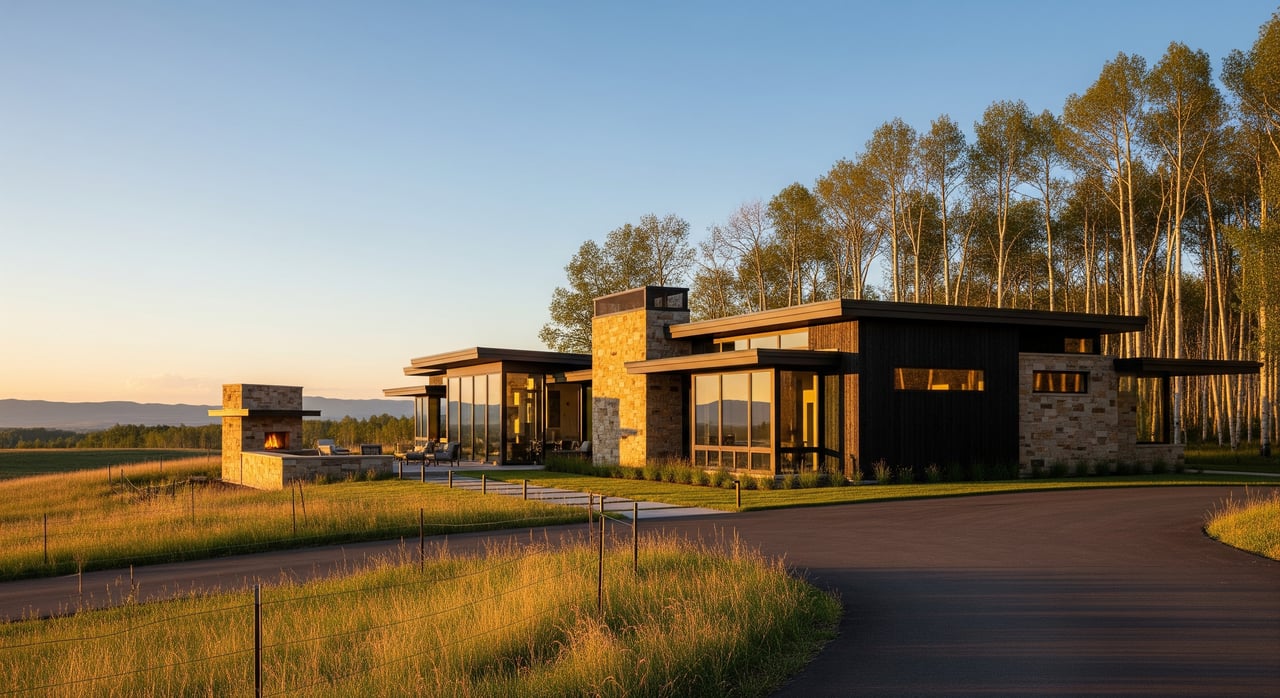
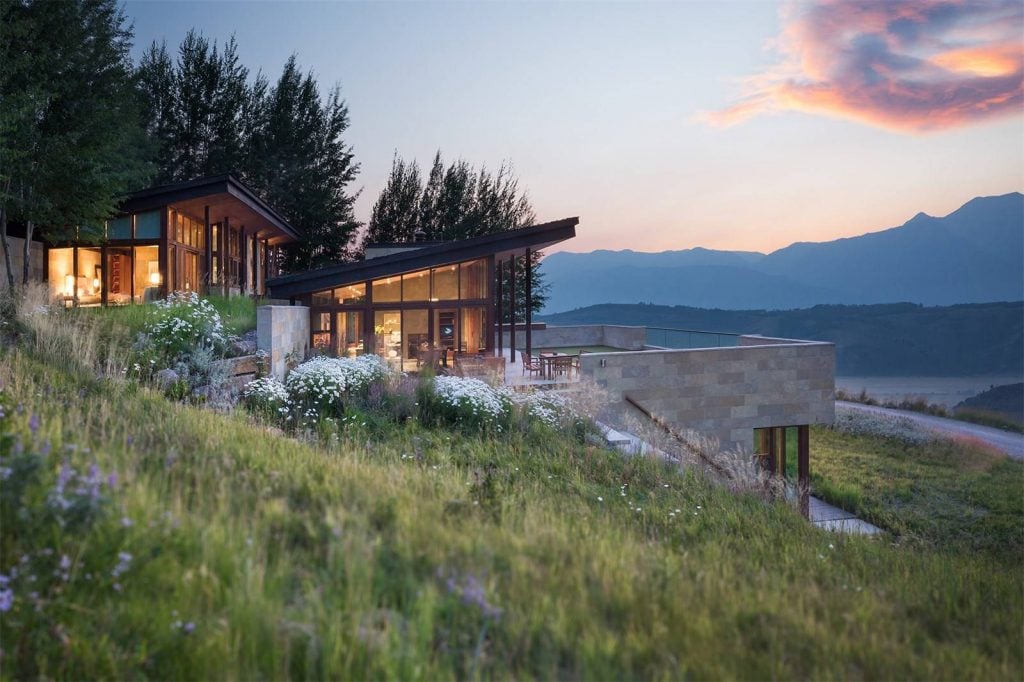
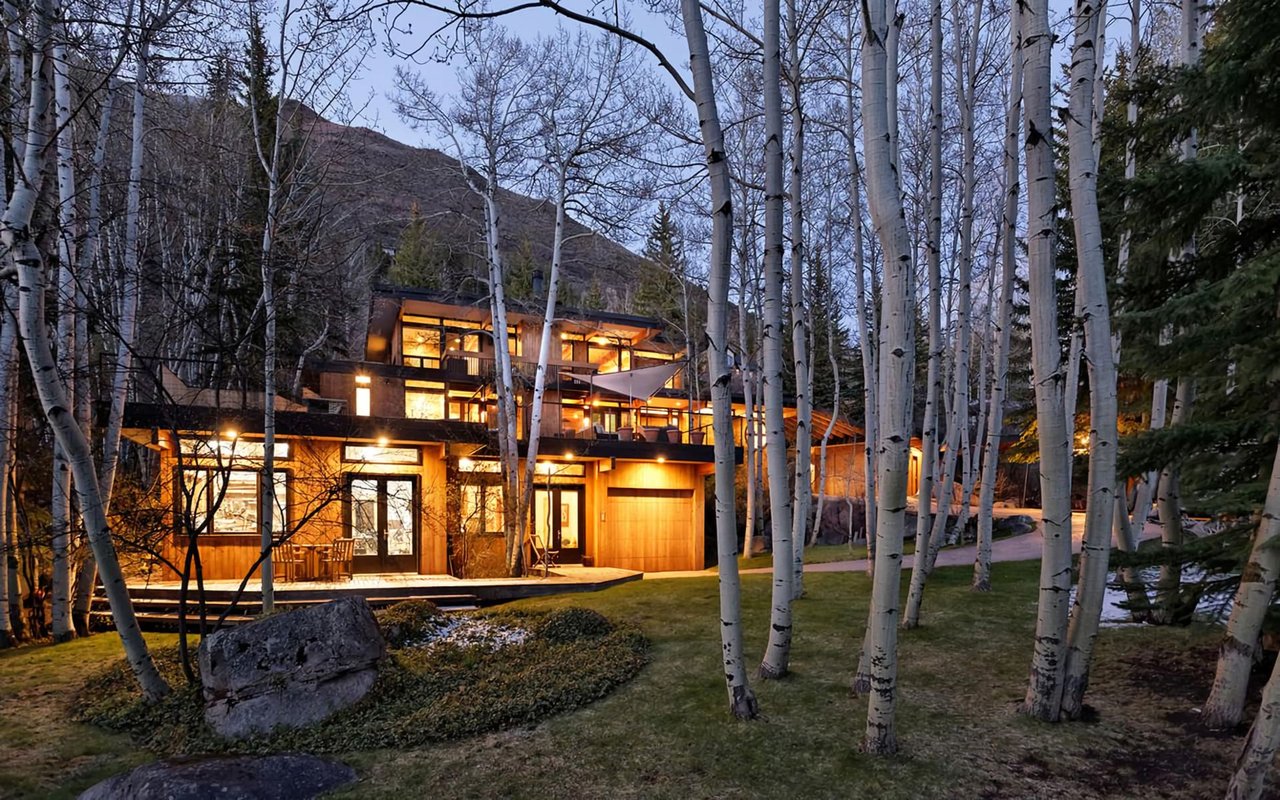
The West End is especially known for Victorian and midcentury modern architecture. The contrast between those styles gives the neighborhood visual richness while still feeling cohesive within Aspen’s broader design history.
Victorian homes often draw the most immediate attention because of their period detail and historic significance. At the same time, the area’s midcentury modern properties add another design dimension that connects the neighborhood to Aspen’s later cultural and architectural evolution.
The Wheeler/Stallard Museum as a Landmark
A defining example of West End architecture is the Wheeler/Stallard Museum. This Queen Anne-style Victorian was built in 1887 and 1888 and is listed on the National Register of Historic Places.
Its grounds are also notable because they make up the only complete city block in the neighborhood. For anyone walking the West End, it offers a clear reference point for the scale, craftsmanship, and historic presence that continue to shape the area.
Culture Is Part of Daily Life Here
The West End is not simply historic. It is also one of Aspen’s most culturally anchored neighborhoods.
The Aspen Institute’s Aspen campus is located here and was designed by Herbert Bayer around modernist ideas of simplicity, functionality, and harmony with nature. That gives the neighborhood a cultural identity that extends beyond residential architecture alone.
Nearby, the Aspen Music Festival and School uses the Aspen Meadows property for its main performance venues, including the 2,050-seat Michael Klein Music Tent and Harris Concert Hall. During the summer, concerts are held nearly daily, and many attendees picnic on the lawn outside the tent.
A Neighborhood That Still Lives Like One
Even with those well-known institutions, the West End remains a residential neighborhood first. The Wheeler/Stallard Museum grounds note that noise restrictions apply in the surrounding residential area, which reinforces the fact that this is a lived-in district, not an entertainment zone.
That balance matters. You can enjoy extraordinary proximity to arts and ideas while still living in a neighborhood defined by homes, gardens, sidewalks, and a quieter day-to-day pace.
Walking the West End Is Part of the Experience
The West End is one of the few Aspen neighborhoods where walking is not just practical, but central to how you experience the area. The Aspen Historical Society’s neighborhood tour moves through trails, sidewalks, lawns, and street-side views across both the Meadows campus and residential streets.
That layered walking experience changes how the neighborhood feels. You are not moving past isolated homes or disconnected blocks. You are experiencing architecture, landscape, and cultural landmarks as part of one continuous setting.
Getting Around Without a Car
By Aspen standards, mobility here is relatively easy. The city notes that walking and biking are great ways to get around town, free shuttles operate in Aspen, and the Downtowner provides door-to-door service around town.
For homeowners, that ease adds real lifestyle value. It supports the kind of in-town living many buyers want in Aspen, where cultural access and everyday convenience can coexist.
Why Buyers Are Drawn to the West End
For many buyers, the West End represents a rare overlap of history, culture, and usability. You are not choosing between neighborhood character and daily convenience. In many ways, this is one of the few places in Aspen where those qualities reinforce each other.
The neighborhood’s preservation framework helps protect its historic fabric. Its streetscape still reflects a gardened residential scale, with trees, visible open space, and historic ditches shaping the environment. Add in the concentration of cultural venues, and the West End offers a strong sense of place that feels both prestigious and grounded.
What That Means for Long-Term Value
In a market like Aspen, location value is often tied to more than views or square footage. Buyers also look for neighborhoods with identity, continuity, and limited supply.
The West End stands out because its appeal is not trend-driven. Historic homes, preservation-minded planning, cultural institutions, and walkable access all support a neighborhood identity that has remained compelling over time.
What to Notice When You Visit
If you are touring the West End, pay attention to more than individual homes. Watch how buildings sit on their lots, how front yards open toward the street, and how the landscaping contributes to the neighborhood’s calm, established feel.
Notice the mix of architecture and how the streets connect to institutions like Aspen Meadows, the Aspen Institute, and the Wheeler/Stallard Museum. Also take in the pace of the area. The West End is compelling because it offers cultural energy without losing its residential composure.
West End Real Estate Through a Local Lens
In a neighborhood as nuanced as Aspen’s West End, local knowledge matters. Historic context, preservation priorities, block-by-block character, and cultural adjacency can all shape how a property is understood and valued.
That is especially true in Aspen’s luxury market, where buyers often want more than a residence. They want a property that fits a lifestyle, a legacy plan, and a specific neighborhood experience. Understanding the West End requires looking at both the home and the setting around it.
If you are exploring Aspen’s West End as a buyer or considering how to position a property in this market, Dayna + Mandy offer the kind of hyperlocal insight and high-touch representation that help you move with confidence.
FAQs
What is Aspen’s West End known for?
- Aspen’s West End is known for its historic homes, tree-lined boulevards, open residential streetscape, and cultural anchors such as Aspen Meadows, the Aspen Institute, and the Wheeler/Stallard Museum.
What architectural styles define Aspen’s West End?
- The neighborhood is especially recognized for Victorian and midcentury modern homes, with the Wheeler/Stallard Museum serving as one of its best-known Victorian landmarks.
Why do buyers consider homes in Aspen’s West End?
- Buyers are often drawn to the West End for its preserved historic character, walkable cultural access, residential scale, and strong sense of place within Aspen.
Is Aspen’s West End easy to explore without a car?
- Yes. The city notes that walking and biking are great ways to get around Aspen, free shuttles operate, and the Downtowner offers door-to-door service around town.
How does historic preservation affect Aspen’s West End?
- Aspen’s preservation program helps maintain the neighborhood’s scale, open streetscape, and historic resources, which supports the West End’s long-term character and appeal.