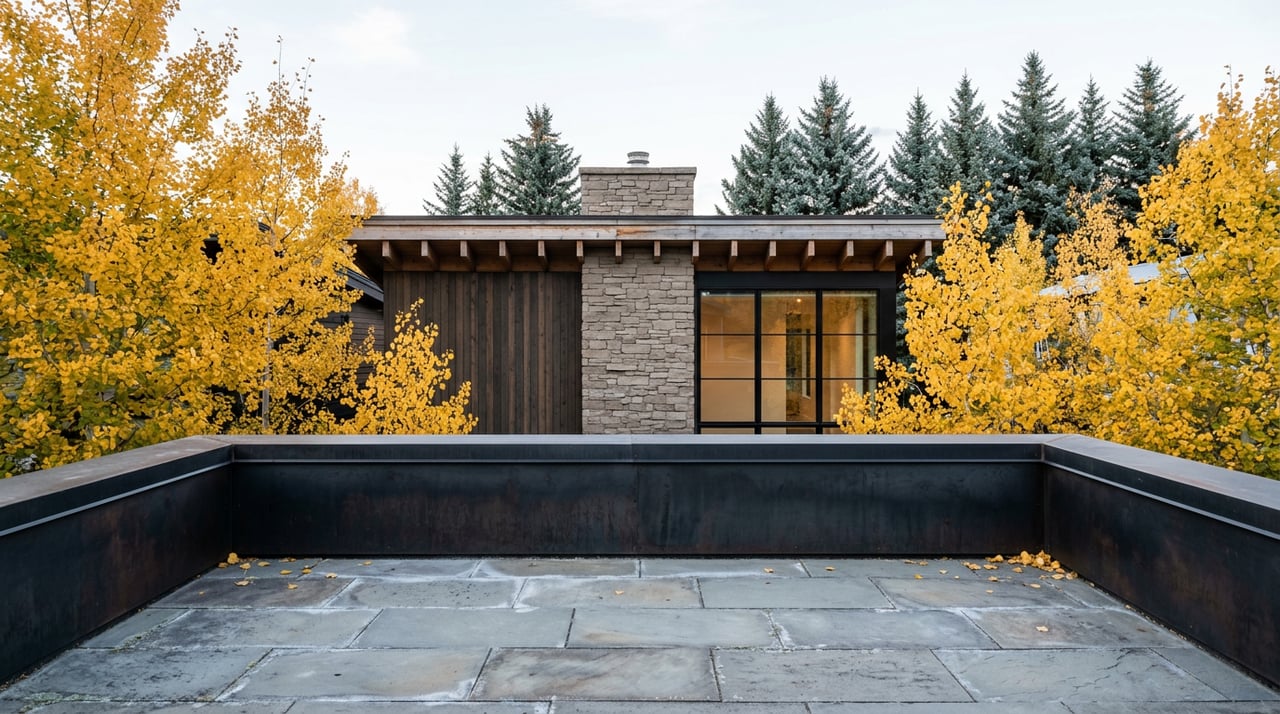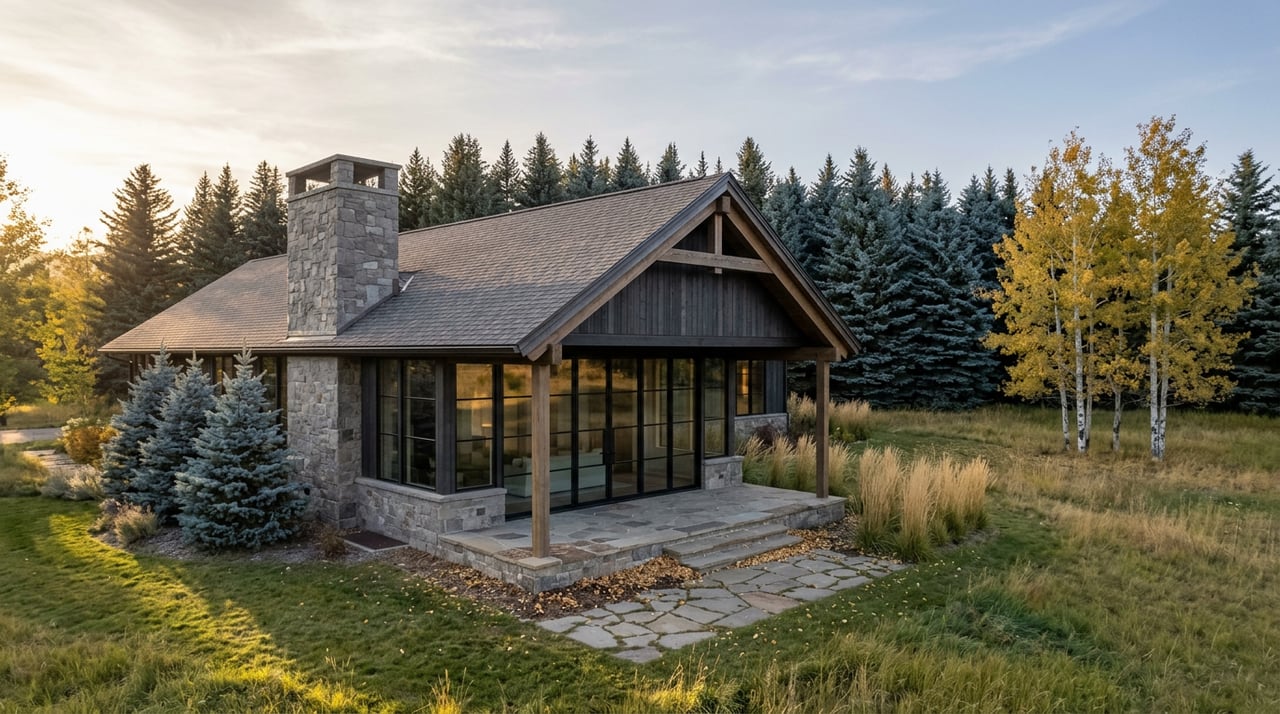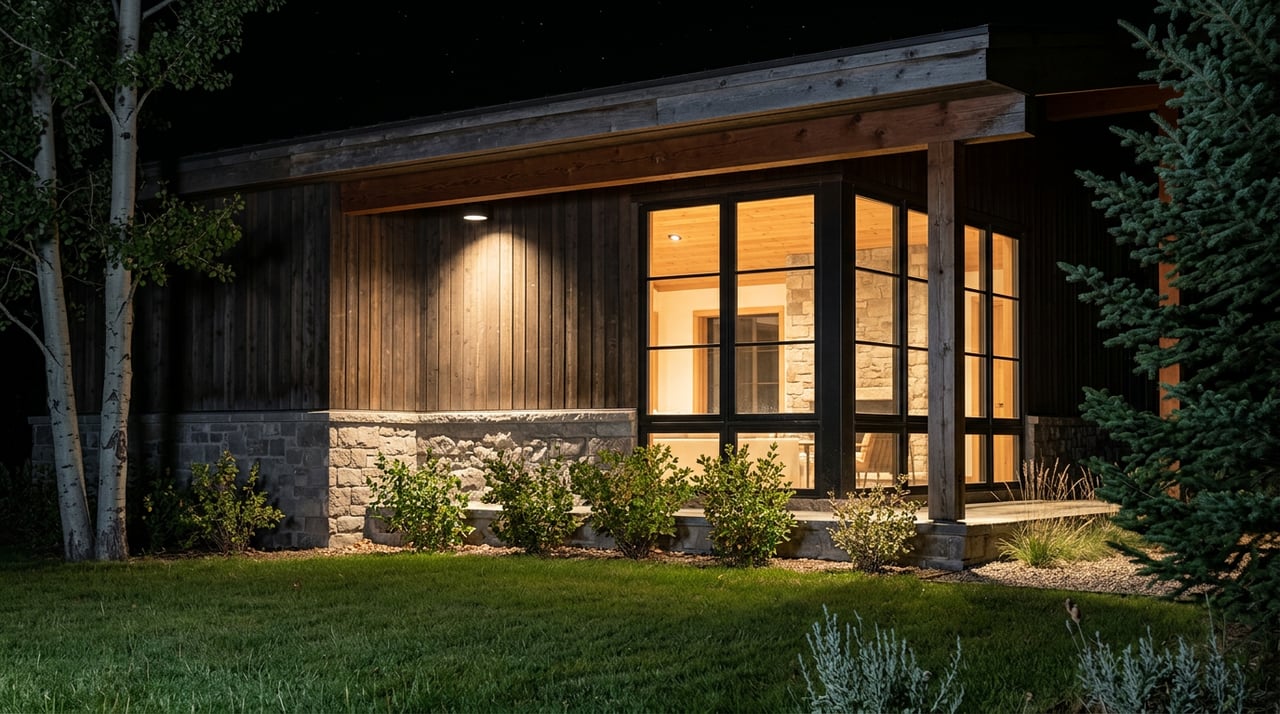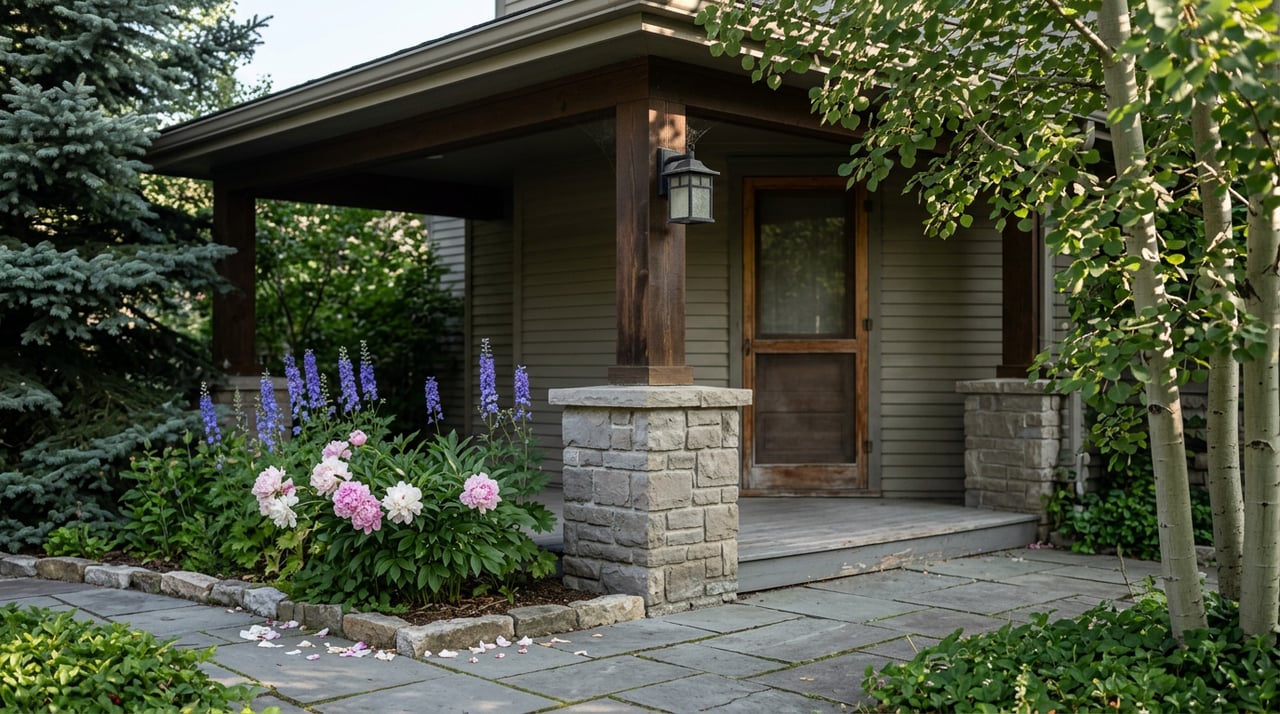
Most buyers who fall for a West End Victorian assume the hard part is the house. They picture themselves debating window trim with a preservation officer, maybe losing an argument about a shade of paint. That's real, but it isn't what actually slows down a purchase in this neighborhood right now.
Two things are moving at once this year, and neither shows up on a walk-through. The rulebook that governs what you're allowed to build is mid-rewrite. And the right to add square footage beyond your lot's baseline just got meaningfully cheaper than it was three years ago. Buy a West End Victorian in 2026 and you're pricing a renovation against two variables in motion, not one fixed set of rules.
What Triggers Review, and What Doesn't
If a property is individually designated or sits inside one of the West End's historic districts, a surprising range of work needs sign-off before a contractor touches anything. Per the City of Aspen's own preservation guidance, review is required for painting masonry, replacing windows, altering structural framing, replacing HVAC equipment, and any penetration through historic material. Some interior work needs approval too, not just what's visible from the street.
None of that is unusual for a historic overlay. What catches buyers off guard is what happens after they submit.
The Calendar Nobody Prices In
Aspen's Historic Preservation Commission is a seven-member volunteer board with two alternates, each appointed by City Council to four-year terms, and every member has to have lived in the city for at least a year before appointment. It's a small, deliberate group reviewing a large volume of applications, and the city says plainly that its agendas are typically full for months in advance. If your renovation needs HPC review, that's not a footnote. It's a line item in your closing timeline.
I've watched buyers assume they can close, hire an architect, and break ground within a season. In the West End, a project that needs board-level review can sit on a waitlist before it's ever discussed, let alone approved.
The Currency: What a Transferable Development Right Buys You Right Now
Most Victorian lots in the West End are small, often just a few thousand square feet, and the baseline floor area allowed on them rarely matches what a buyer wants to build. The mechanism that closes that gap is the Transferable Development Right, a certificate that lets an owner add floor area by purchasing rights that originated on another parcel, typically undeveloped backcountry land the county wants kept that way. Pitkin County's own program page describes it simply: a TDR moves a development right from a "sending site" to a "receiver site," and each standard certificate is good for 2,500 square feet of additional floor area, redeemable when you pull your building permit.
What makes this relevant to timing is the price. During the post-pandemic buying frenzy, TDR prices climbed from roughly $360,000 to close to $2 million, with one certificate selling for a record $1.8 million, according to reporting at the time on the county's TDR market. That scarcity pricing reflected a specific moment: a shortage of certificates colliding with a wave of buyers wanting bigger houses.
| Era | Typical TDR price per certificate |
|---|---|
| 2021-2022 peak | Climbed from about $360,000 to nearly $2 million |
| 2026 (current) | Roughly $650,000 to $800,000 |
That's not a small correction. A right that would have cost you seven figures three years ago is trading well under a million dollars today. If your renovation plan depends on adding floor area to a West End Victorian, that's the best entry point this market has offered in years, and it's worth pricing into your offer strategy now rather than assuming it holds.
Two Moving Parts at the Same Time
Here's the part that a generic historic-district guide won't tell you: the rulebook governing what you can actually do with that floor area is being rewritten while the certificates to buy it just got cheap.
On April 14, 2026, Aspen City Council backed a request from the Historic Preservation Commission to update the city's Historic Preservation Design Guidelines, the document that has governed everything from door hardware to roofline massing since 1986, with substantive updates in 2000 and 2016 and only a minor sentence-level change in 2024. The current version runs twelve chapters and 116 individual guidelines. The push to revisit it now is about updating decades-old standards to accommodate energy code requirements, wildfire resiliency, and affordable housing, priorities that didn't exist when the last real update happened a decade ago.
Community Development Director Ben Anderson put the stakes plainly at that meeting, describing the tension between preserving Victorian miner's cottages and finding room for affordable housing and fire resiliency as "big tradeoff conversations that I think the community has to have." As of this writing, the Historic Preservation Commission is still finalizing a draft, which then goes through public review before City Council formally adopts anything. Nothing is locked in yet.
That timing matters for anyone buying now with a renovation in mind. The guidelines your architect designs against at signing may not be the guidelines your project gets reviewed under by the time it reaches HPC's calendar.
The Houses That Show You the Stakes
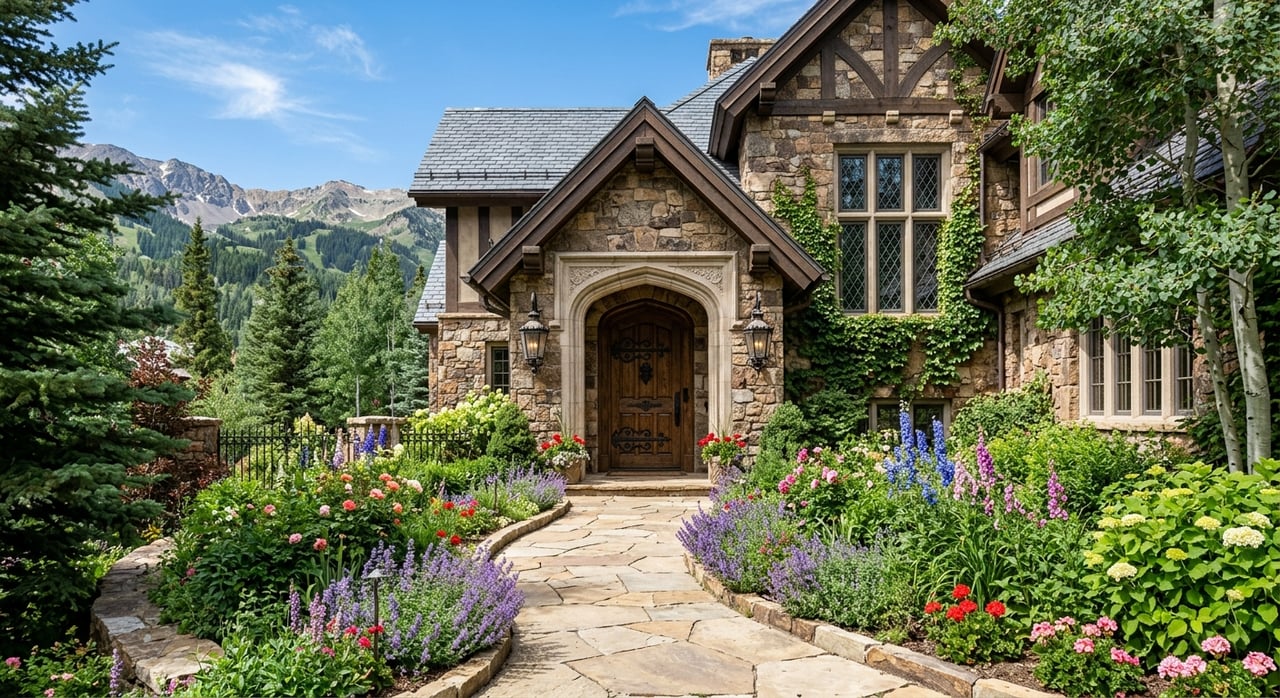
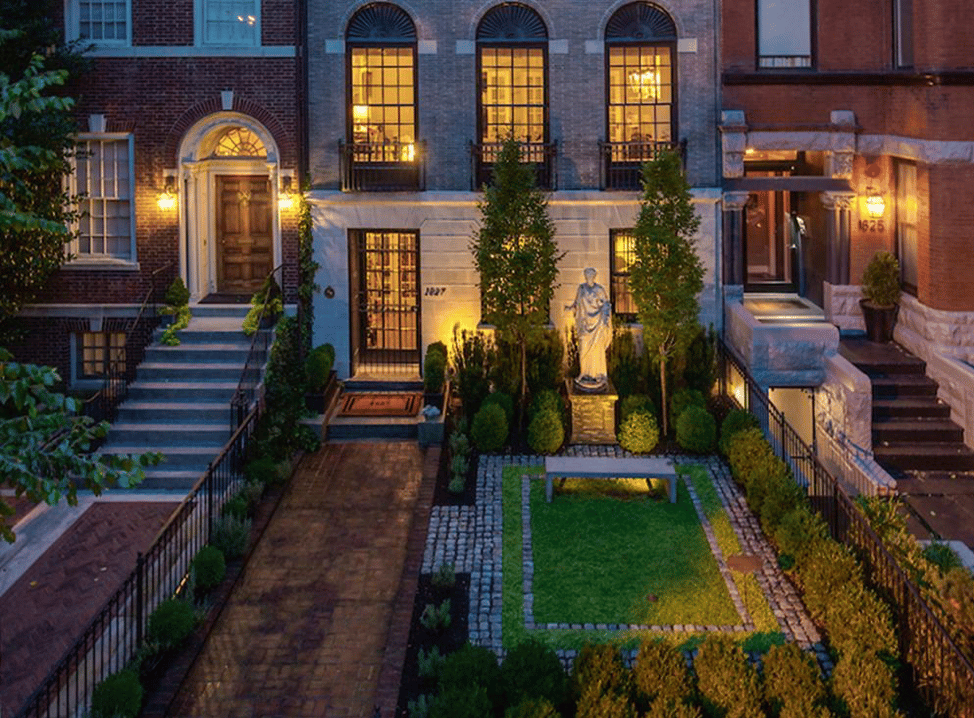
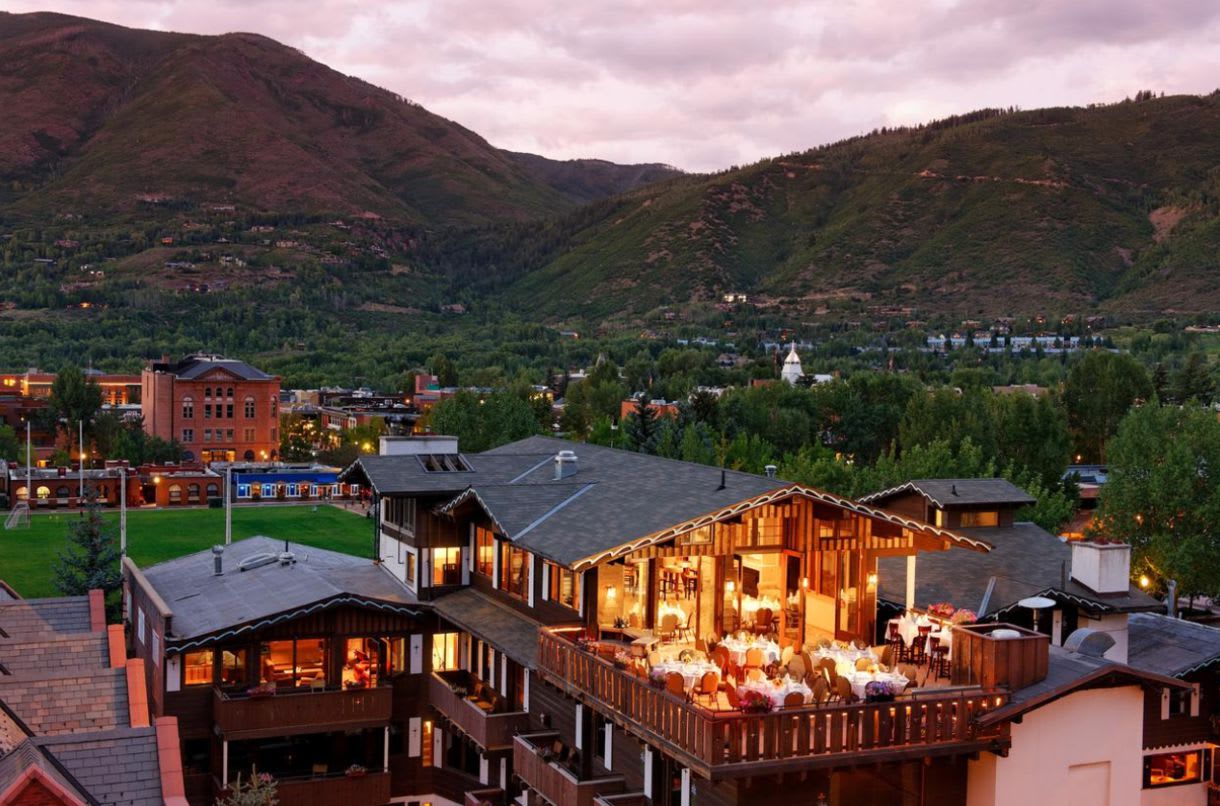
This isn't theoretical. The West End's inventory of designated properties includes the Wheeler/Stallard Museum, a Queen Anne Victorian built in 1888, along with individually designated homes on West Francis Street including the Bowles-Cooley House and the Davis Waite House. These are the properties the guidelines exist to protect, and they're also the reason the review process is careful rather than quick.
The neighborhood's history includes cautionary examples too. Some of the oversized Victorians renovated before today's regulations existed are locally known as "bustle houses," a nod to how disproportionate the additions look next to their original form. And the long-running "Blue Vic" project, whose remodel won a Historic Preservation Commission award, also marked the end of an affordable rental unit on that lot, a reminder that even award-winning outcomes involve real tradeoffs for a property's history. Architect Sarah Broughton of Rowland + Broughton, whose firm has worked on Victorians across town, has spoken about the challenge of altering these homes in a way that respects their scale rather than overwhelms it.
What This Means If You're Buying This Year
If you're evaluating a West End Victorian with renovation plans, three things are worth doing before you write an offer.
Confirm designation status before you fall in love with the house. Not every West End home is individually designated or inside a historic district boundary, and the difference changes your entire renovation timeline. The city's Historic Preservation staff will do a site visit or a phone call before you're under contract.
Build HPC review time into your closing and construction schedule, not around it. A months-long agenda backlog is normal here, not a sign something went wrong with your application.
Treat today's TDR pricing as a window, not a guarantee. Certificates trading in the $650,000 to $800,000 range this year are a different proposition than the near-$2 million peak of 2022, and the guideline rewrite currently in progress could shift what those added square feet are actually allowed to look like once your project reaches review.
A Few Questions Worth Asking Early
How do I find out if a specific West End house is designated? Check the property against the city's Planning and Zoning Map, which flags Historic Sites and Historic Districts, or contact Historic Preservation staff directly before you're under contract.
Does designation mean I can never add square footage? No. Many designated properties add space through additions and TDR-funded floor area, but the design has to relate to the original structure's proportions and materials, and it goes through HPC review rather than a standard building permit.
Could the rules change after I buy but before my project is reviewed? Possibly. The current guideline rewrite is still in draft form as of this writing, with public review and City Council adoption still ahead. A purchase made today could see its renovation reviewed under a revised set of standards.
The West End rewards patience and rewards knowing exactly which calendar and which certificate you're working against. If you're weighing a Victorian here, whether for the history or for what you could build alongside it, I'd rather walk you through the actual mechanics before you're three months into a project than after. Dayna + Mandy starts every West End conversation with a private consultation, and that's exactly where this one should start too.