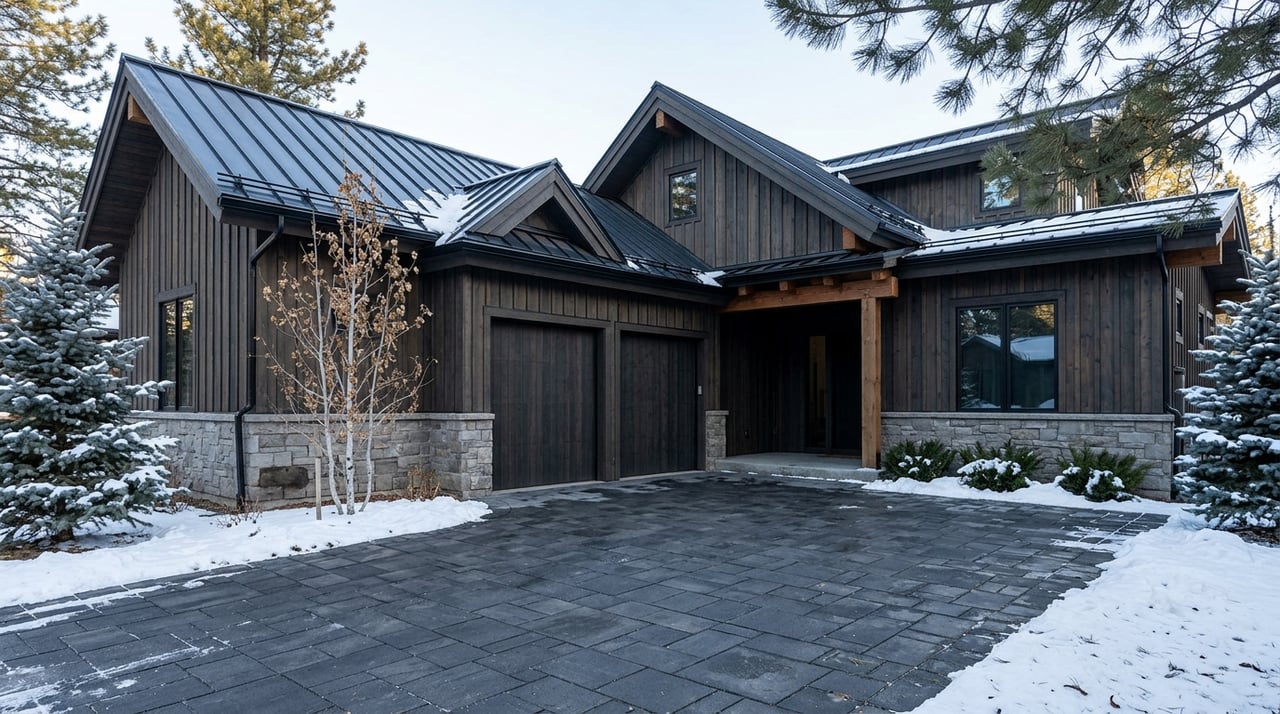
If you want Aspen access without giving up space, scenery, or easy recreation, West Aspen deserves a close look. This part of town offers a different rhythm than the Central Core, with golf, ski access, river corridors, and trail connections shaping daily life. If you are weighing where to buy, this guide will help you understand how West Aspen lives on the ground and why location within the corridor matters. Let’s dive in.
What West Aspen Really Means
West Aspen is best understood as the West of Castle Creek Corridor, not one compact neighborhood. The City of Aspen describes it as the gateway to Aspen, stretching from the Highway 82 roundabout to the end of the Urban Growth Boundary.
Within that larger corridor, you will find distinct nodes that include the City Golf Course, the airport and ABC area, Maroon Creek Golf, Burlingame, and the base of Buttermilk. That broader geography is part of what makes West Aspen appealing. You get a more residential feel, but you are still closely tied to downtown, the mountains, and major recreation routes.
The city also emphasizes preserving views of ski areas and open space in this corridor, along with stronger bike and pedestrian connections to town. In practical terms, that supports a lifestyle built around moving easily between home, recreation, and Aspen’s core.
Why West Aspen Stands Out
West Aspen appeals to buyers who want Aspen convenience without being in the most walkable downtown blocks. It tends to feel more spread out and pocketed, with open space separating different residential areas rather than one continuous urban pattern.
That distinction matters when you are searching for the right property. In West Aspen, street-by-street location can change your experience in a meaningful way, from ski proximity to golf access to how quickly you can bike or shuttle into town.
For many buyers, that balance is the draw. You can be close to Aspen’s restaurants, shopping, and events while also living in an area shaped by trails, views, and recreation.
Golf Access Is Part of Daily Life
One of West Aspen’s defining features is its connection to golf. Aspen Golf Club sits directly in the west-side corridor at 39551 Highway 82, and the city identifies golf as one of the land uses that helps define this part of Aspen.
If golf is part of how you want to spend summer and shoulder seasons, this location can be especially compelling. Depending on the pocket you choose, you may be near the course itself or simply benefit from the open landscape and recreational character it brings to the area.
The city’s shuttle system also notes that the Burlingame/HWY 82 route offers convenient access to both the Aspen Golf Course and Buttermilk Mountain. That kind of overlap is part of the appeal in West Aspen. Recreation here is not isolated by season.
Skiing Is Close and Practical
For winter buyers, West Aspen offers strong access to two especially relevant mountains: Buttermilk and Aspen Highlands. Aspen Snowmass spans four mountains and more than 5,700 acres on one lift ticket, but from West Aspen, these two are the most immediate touchpoints.
Buttermilk is known for groomers, learning terrain, and terrain parks. Aspen Highlands is known for advanced terrain and strong local appeal, including the Highland Bowl. If your household has a mix of skiing styles, West Aspen can place you within easy reach of very different mountain experiences.
Transit supports that access. The Castle/Maroon route serves Maroon Creek Road, Castle Creek Road, Aspen Highlands Village, and the Aspen Recreation Center, while the Burlingame/HWY 82 route serves the golf course and Buttermilk.
Trails and Bike Connections Add Flexibility
West Aspen is not just about driving to recreation. It also fits well with a car-light Aspen lifestyle, especially in warmer months.
The City of Aspen highlights an almost seamless trail system that connects to Snowmass Village and down valley to Woody Creek and Basalt. The city also promotes WE-cycle service from May through October, with the first 30 minutes free.
The Rio Grande Trail adds another layer of connectivity. It is a 42-mile continuous trail between Aspen and Glenwood Springs that runs along the Roaring Fork River, and the city notes that locals use nearby routes such as the Marolt Bike Path to commute into Aspen.
The newer Maroon Creek Multi-Use Trail, which opened in 2024, adds a safe and scenic bike-and-pedestrian route through the Maroon Creek corridor. For buyers who value everyday movement as much as recreation, that is a meaningful quality-of-life advantage.
River Access Strengthens the Lifestyle
The Roaring Fork River is another part of what gives West Aspen its outdoor pull. Aspen Chamber notes that the river supports rafting, paddle boarding, and fly fishing, with Gold Medal waters just outside town.
You may not think of river access first when you picture Aspen real estate, but it adds depth to year-round living. In West Aspen, the combination of mountain access, golf, trails, and river recreation creates a lifestyle that feels active in every season.
The city also frames the Roaring Fork corridor as central to Aspen’s identity and recreation value. That reinforces why West Aspen resonates with buyers looking for more than a single-season destination.
Housing Types Vary by Pocket
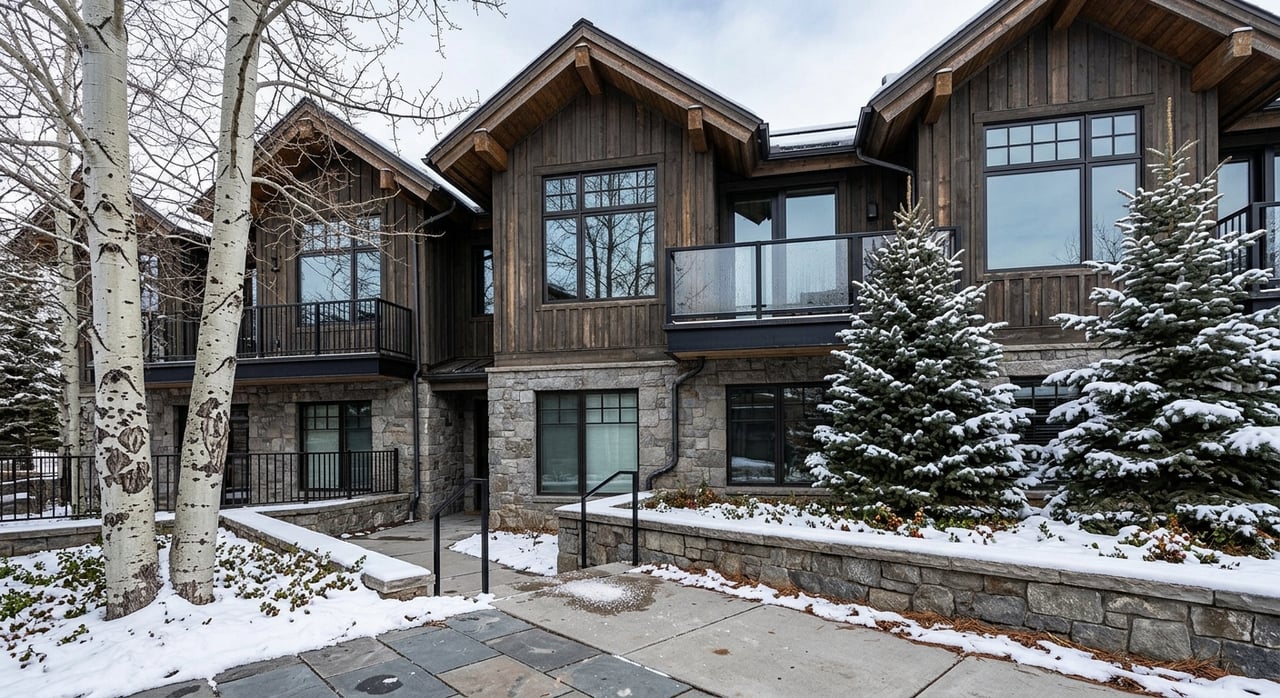
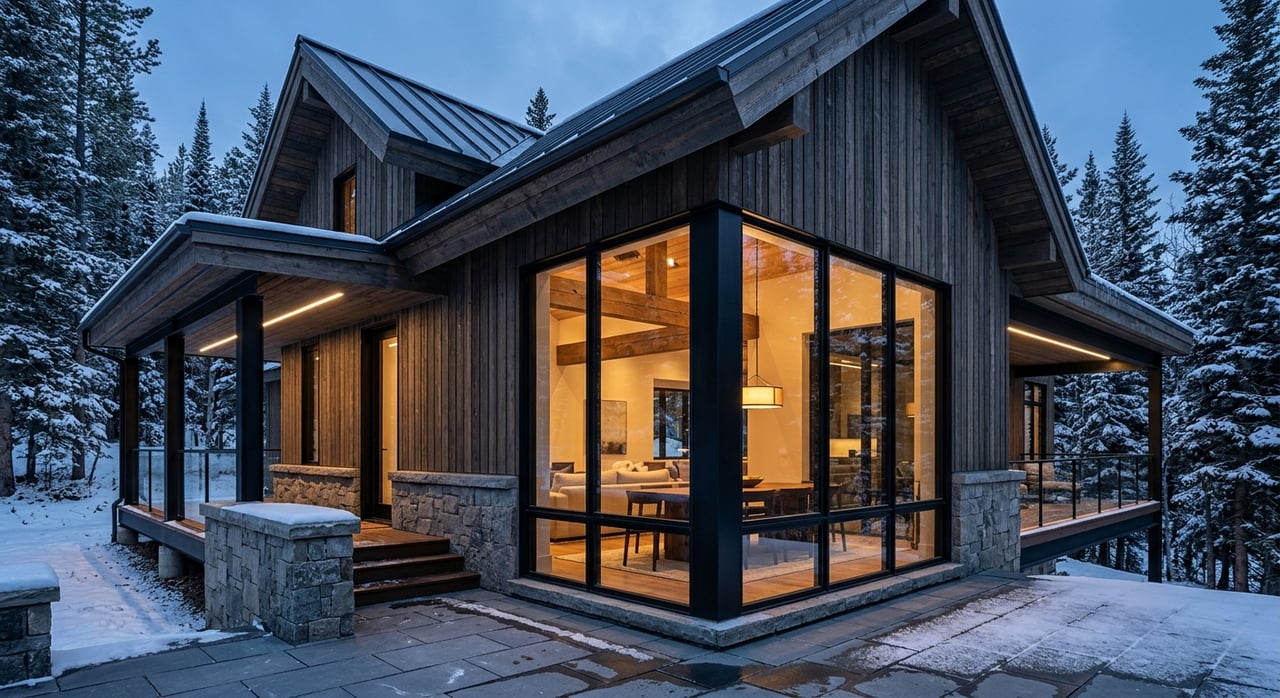
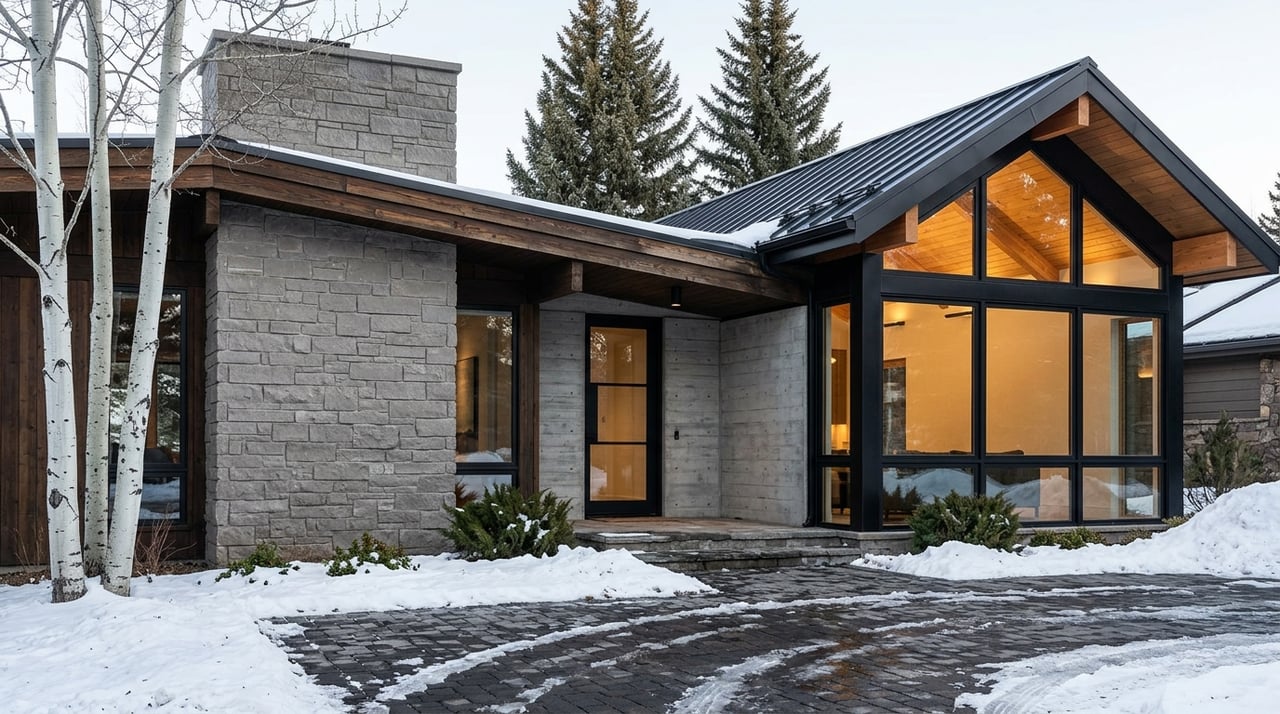
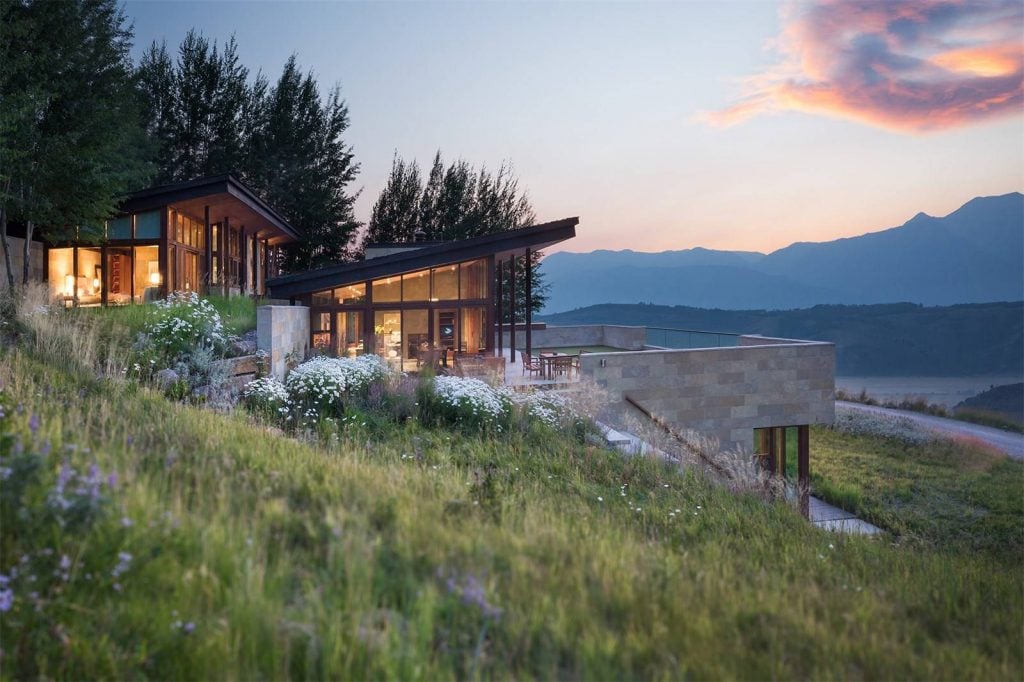
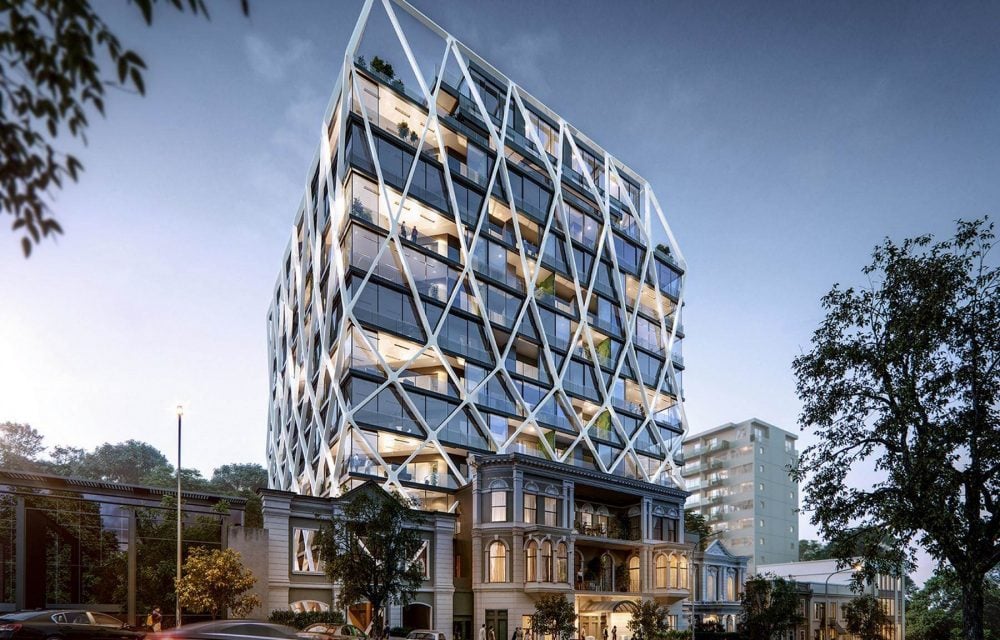
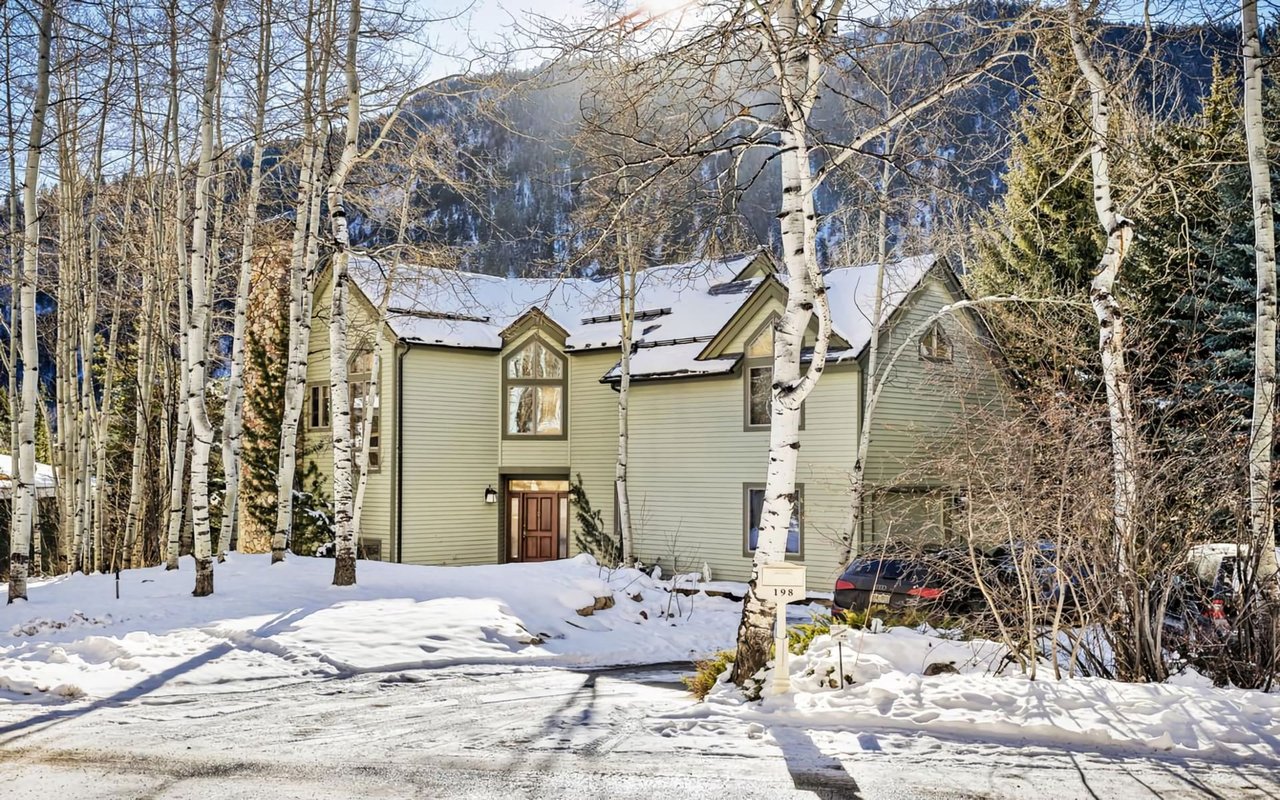
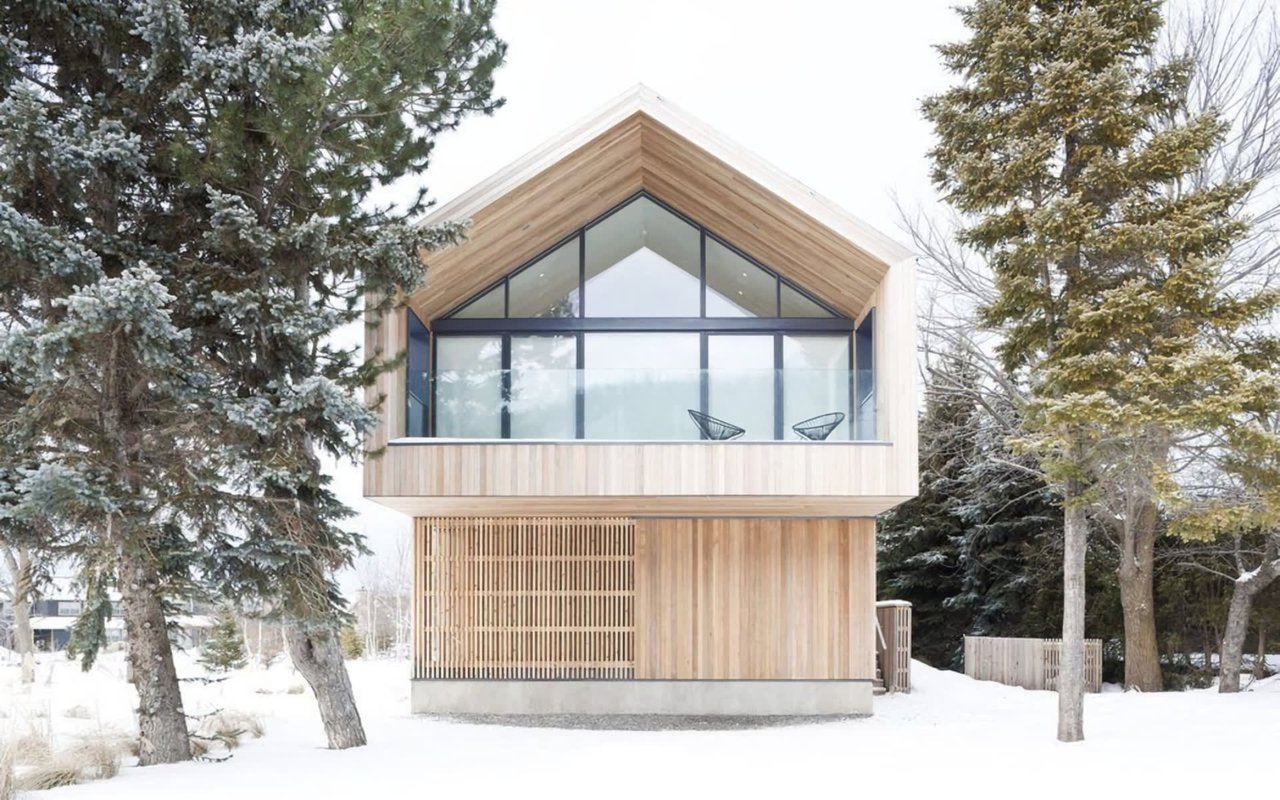
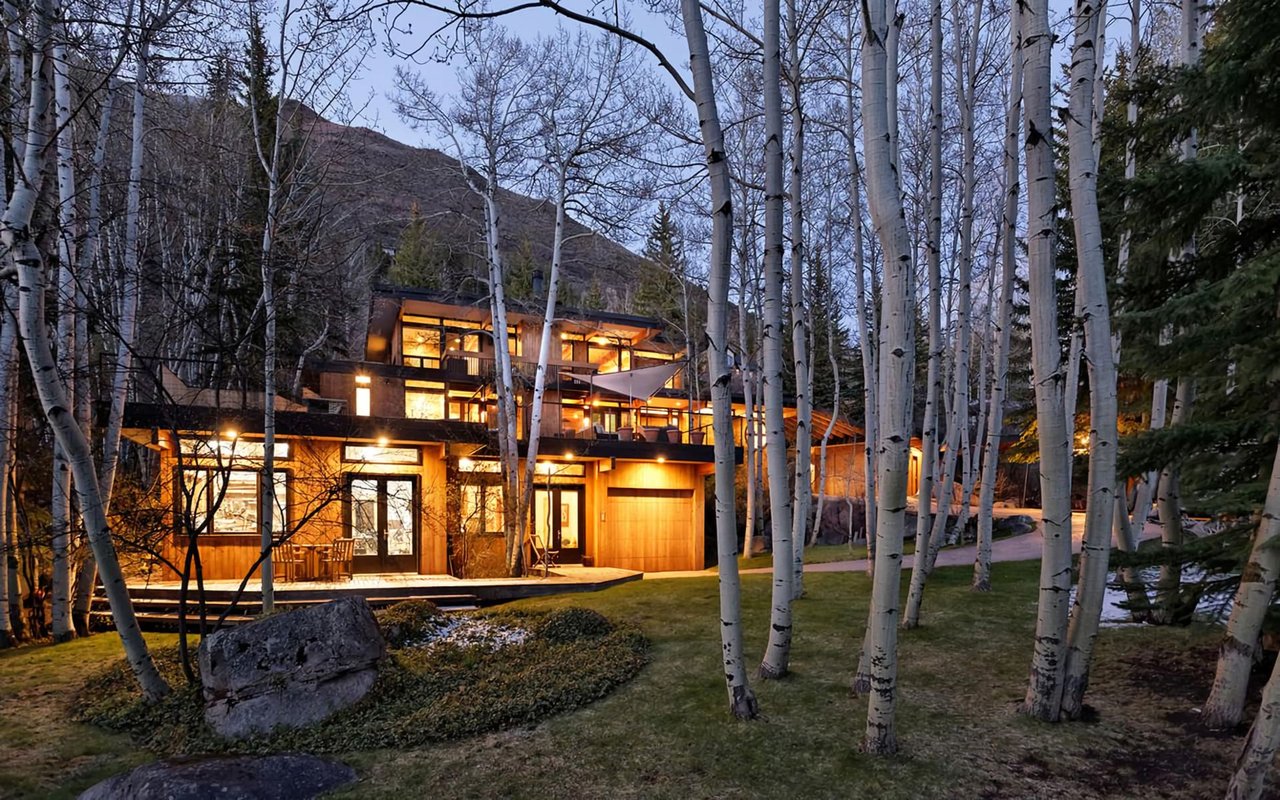
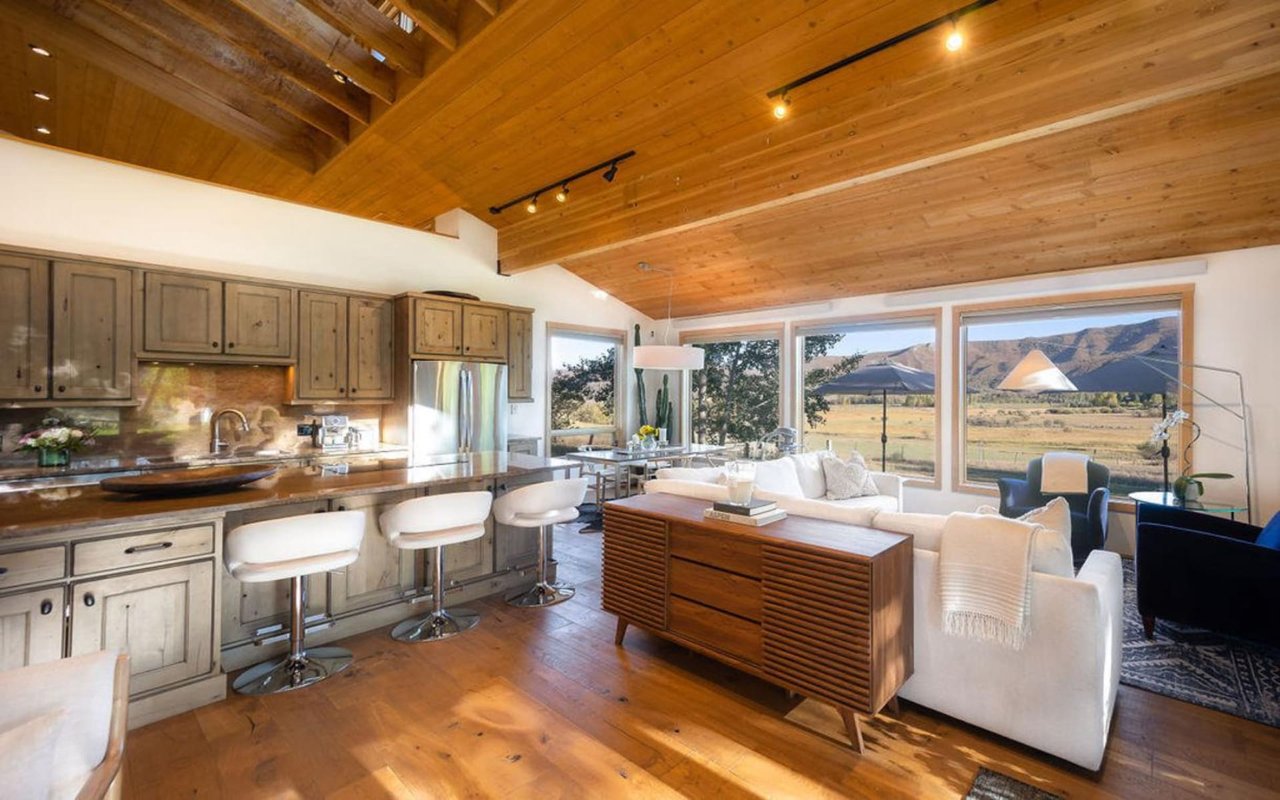
West Aspen is not defined by one home style or one property type. Local market guides describe a mix of single-family homes, estates, condos, townhomes, and duplex-style properties in select pockets.
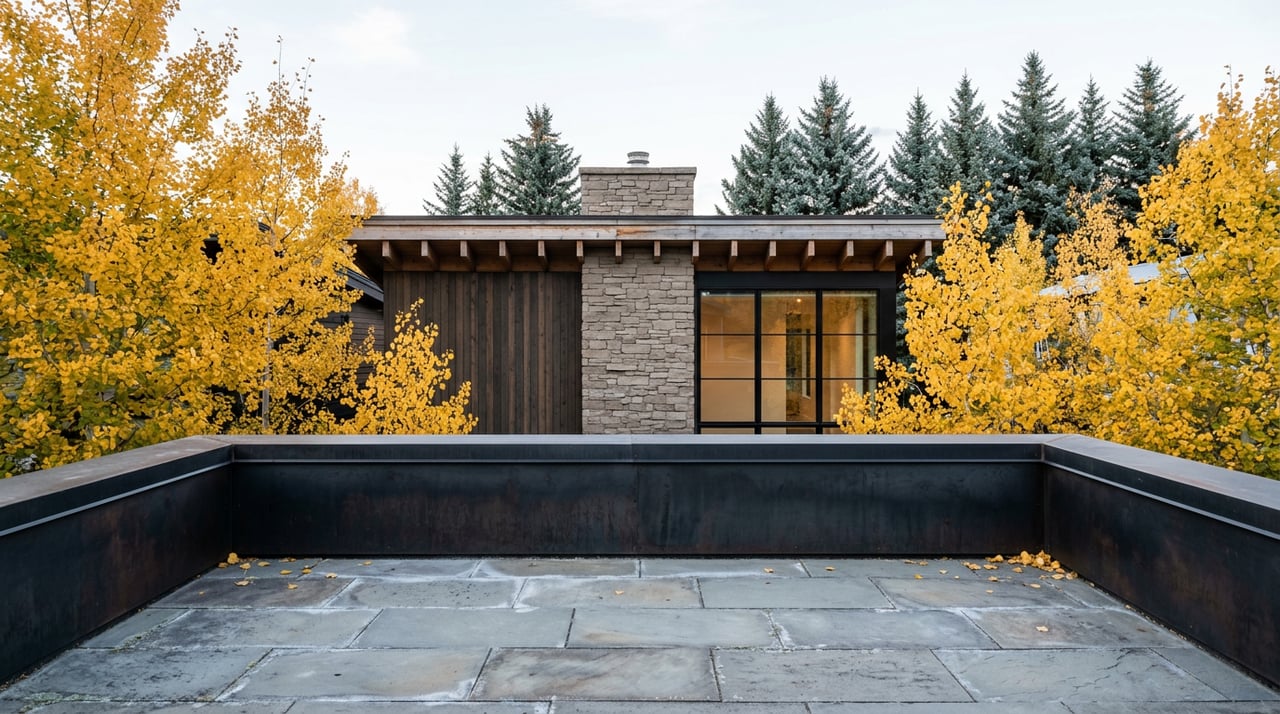
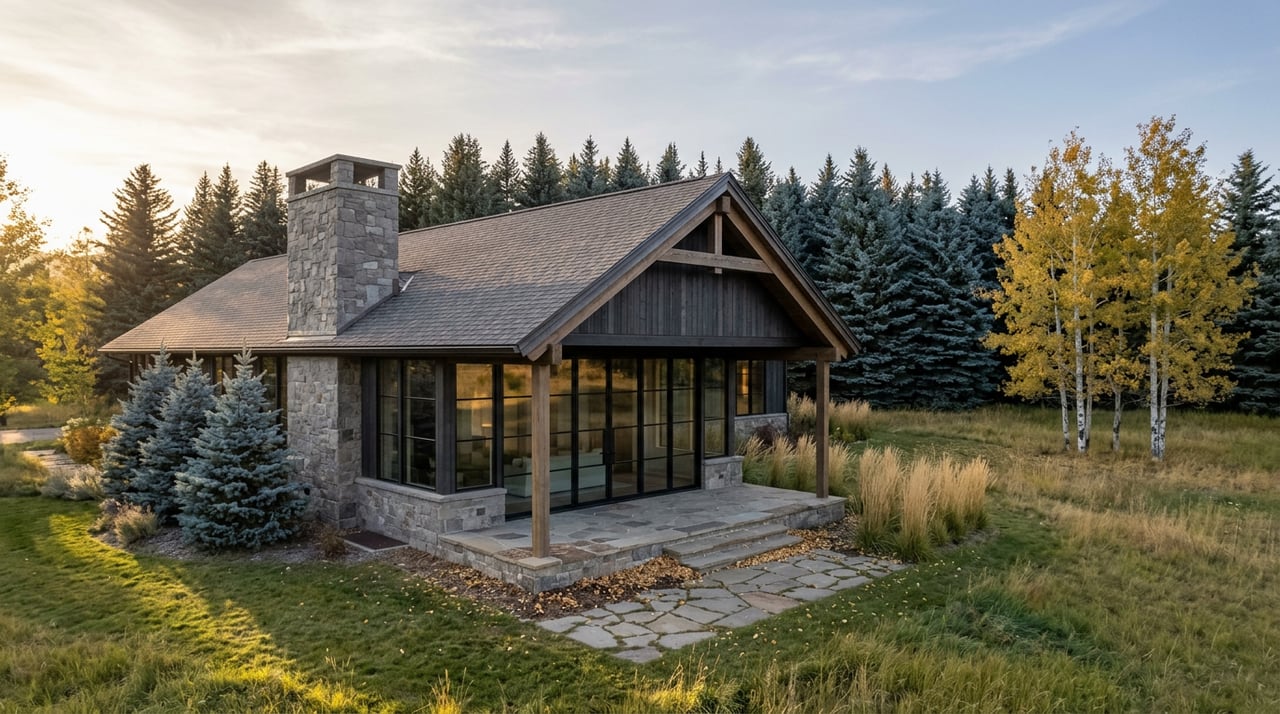
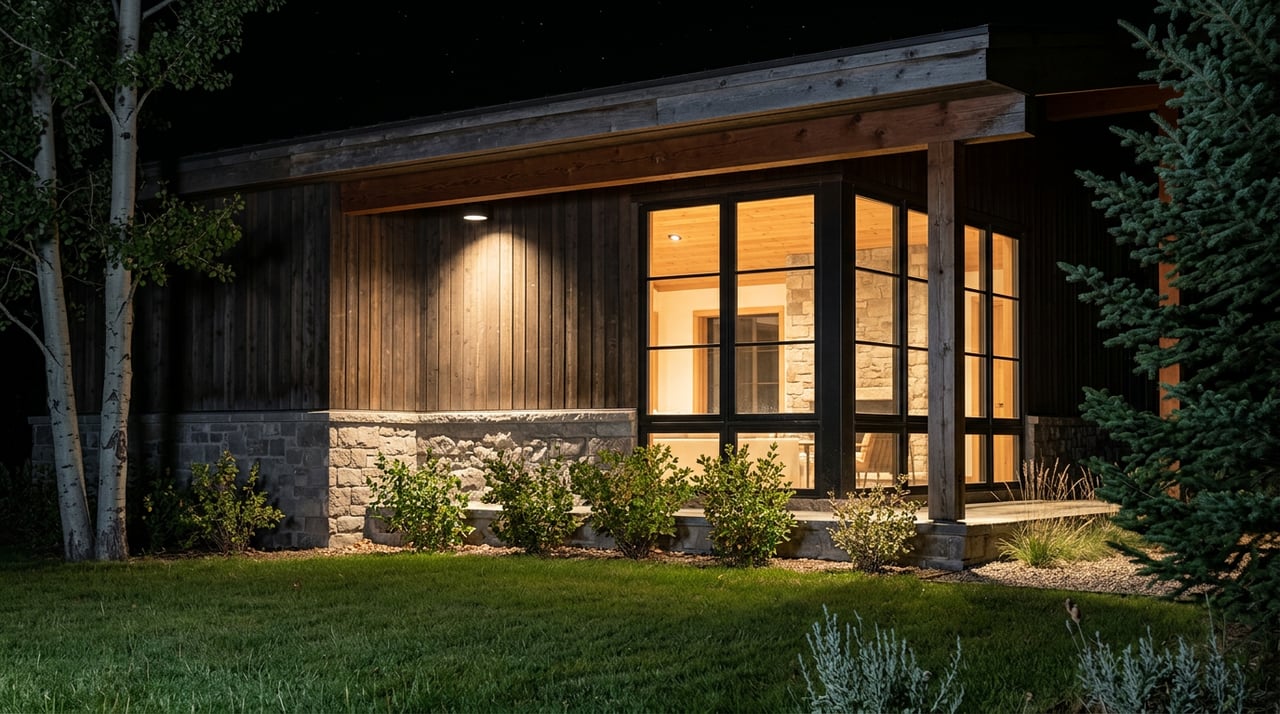
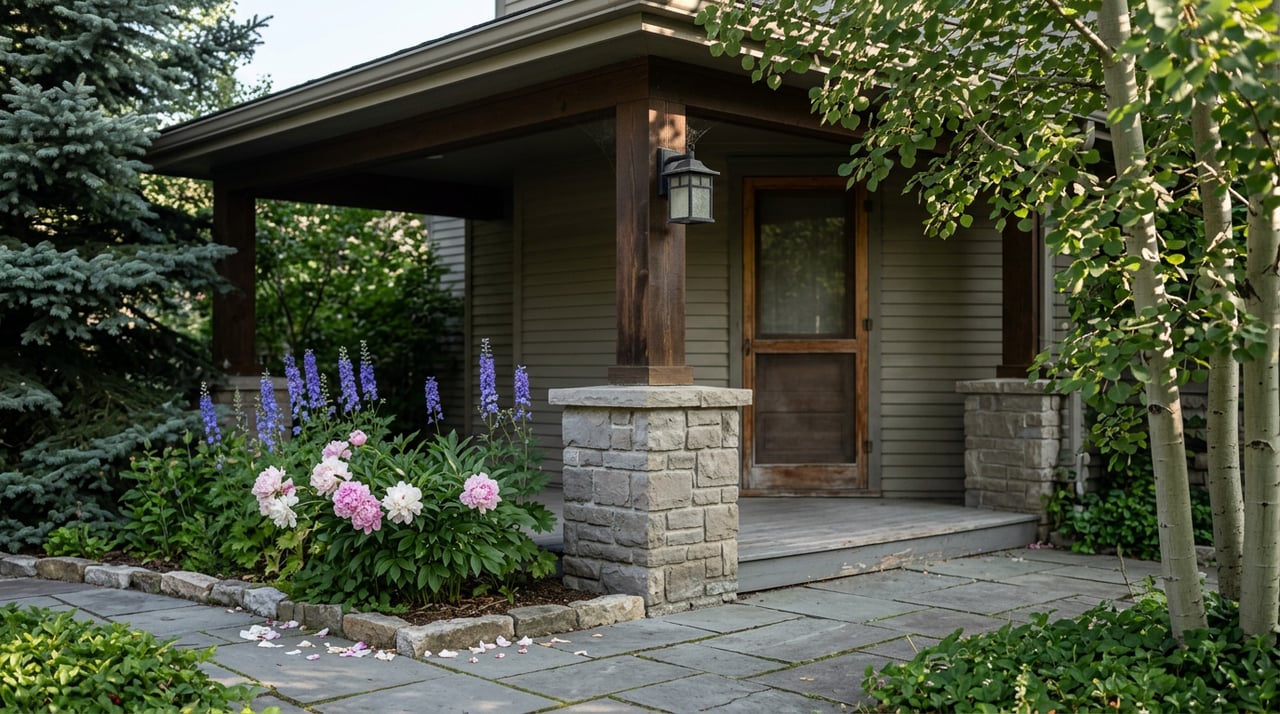
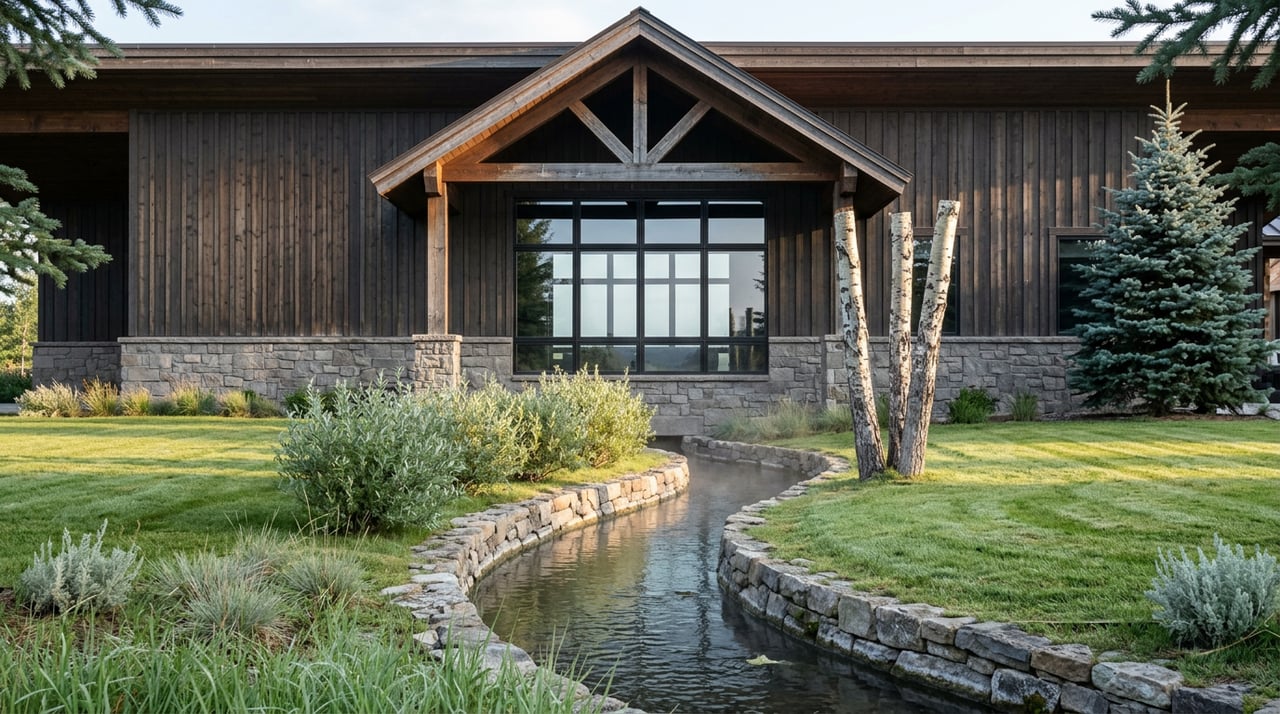
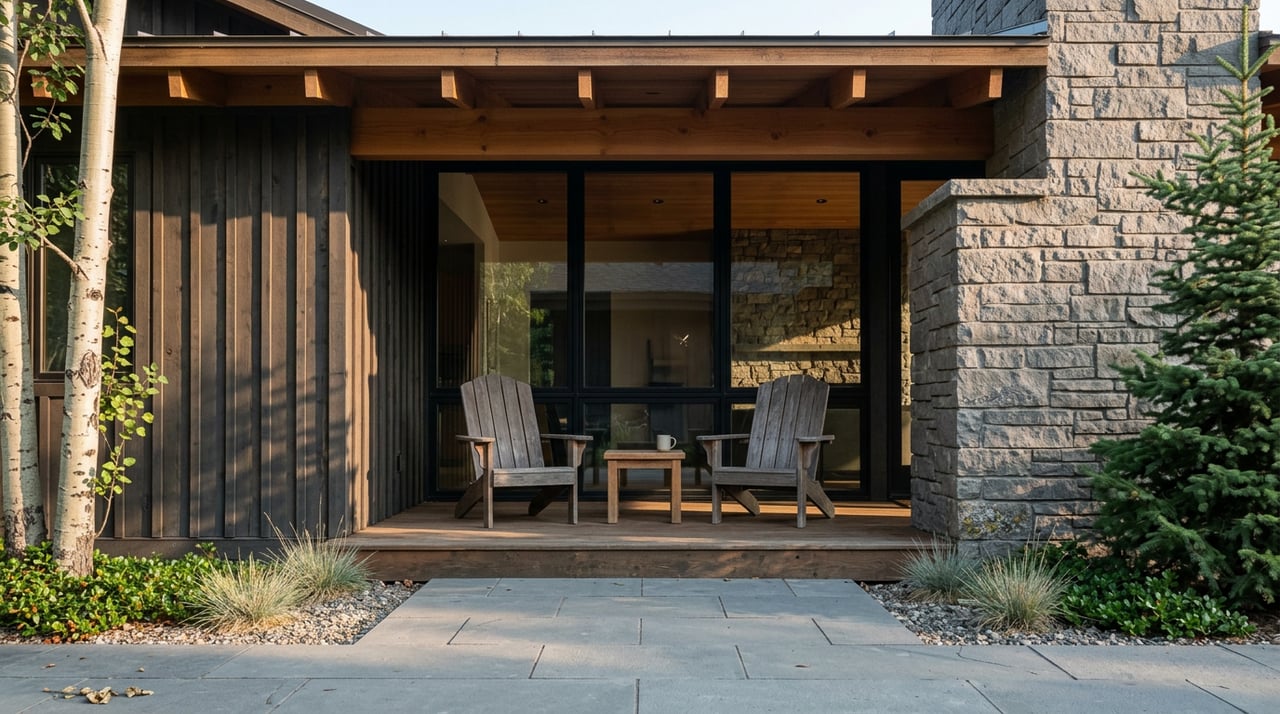
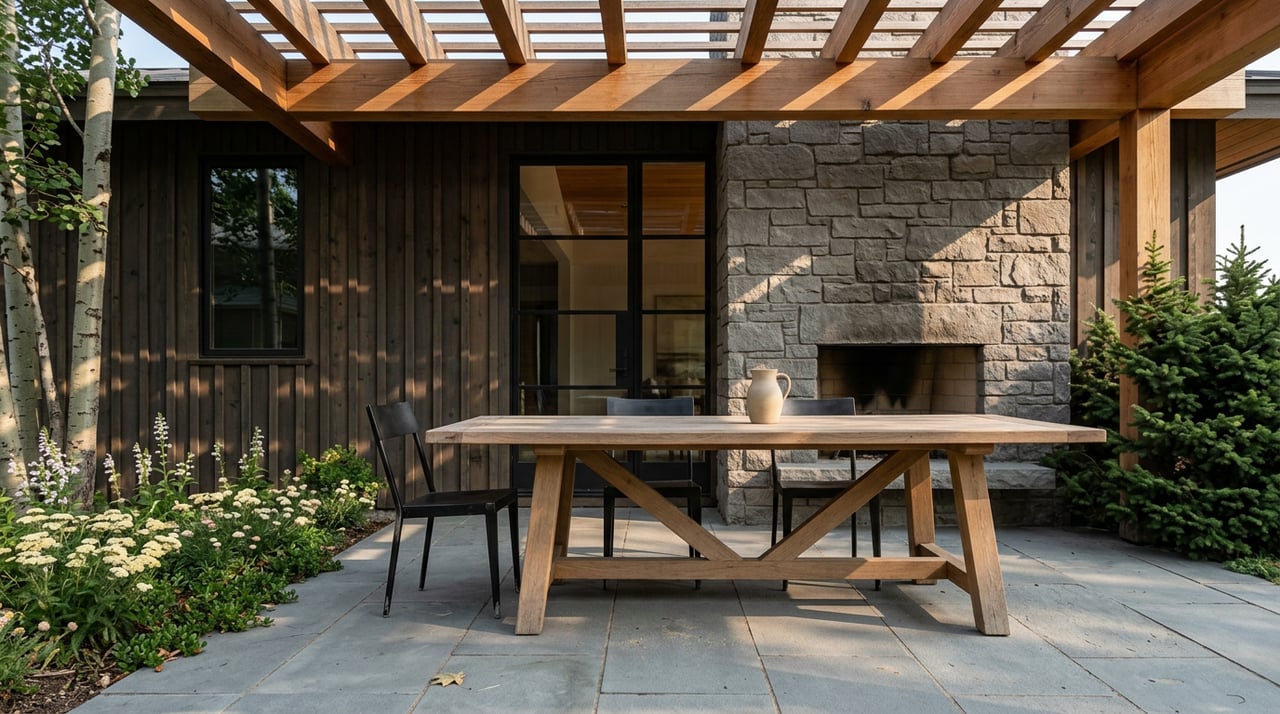
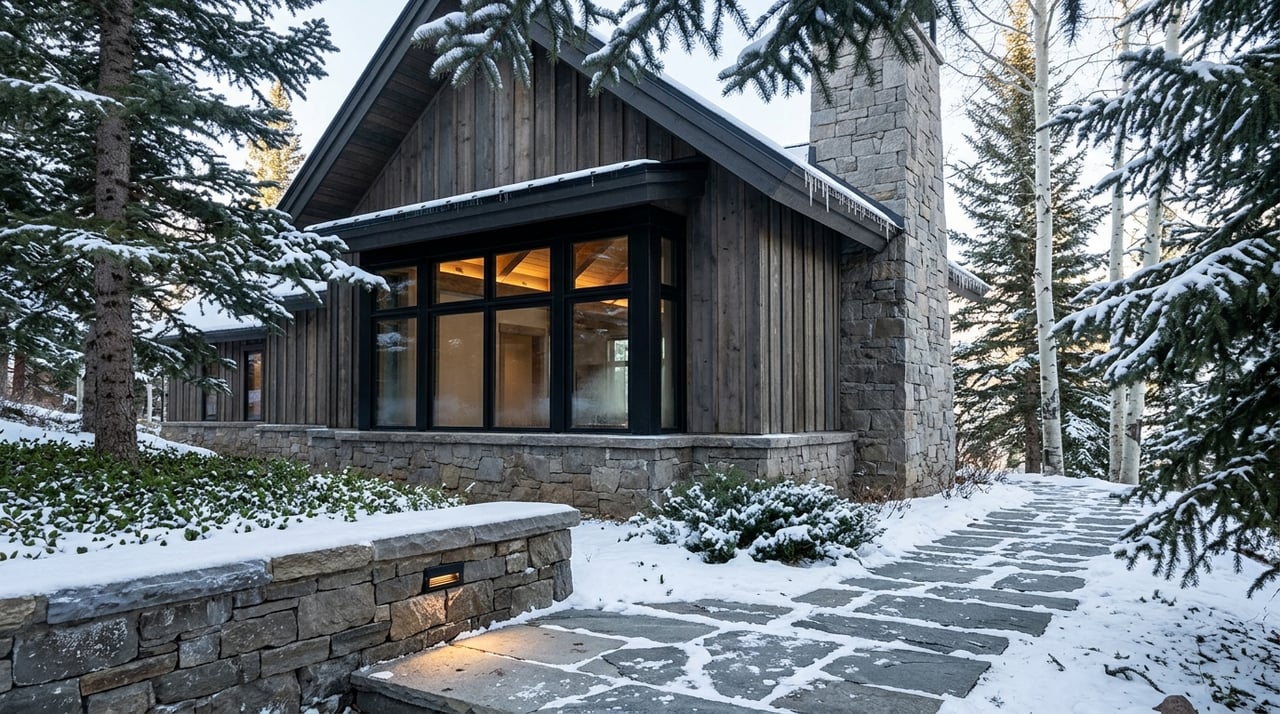
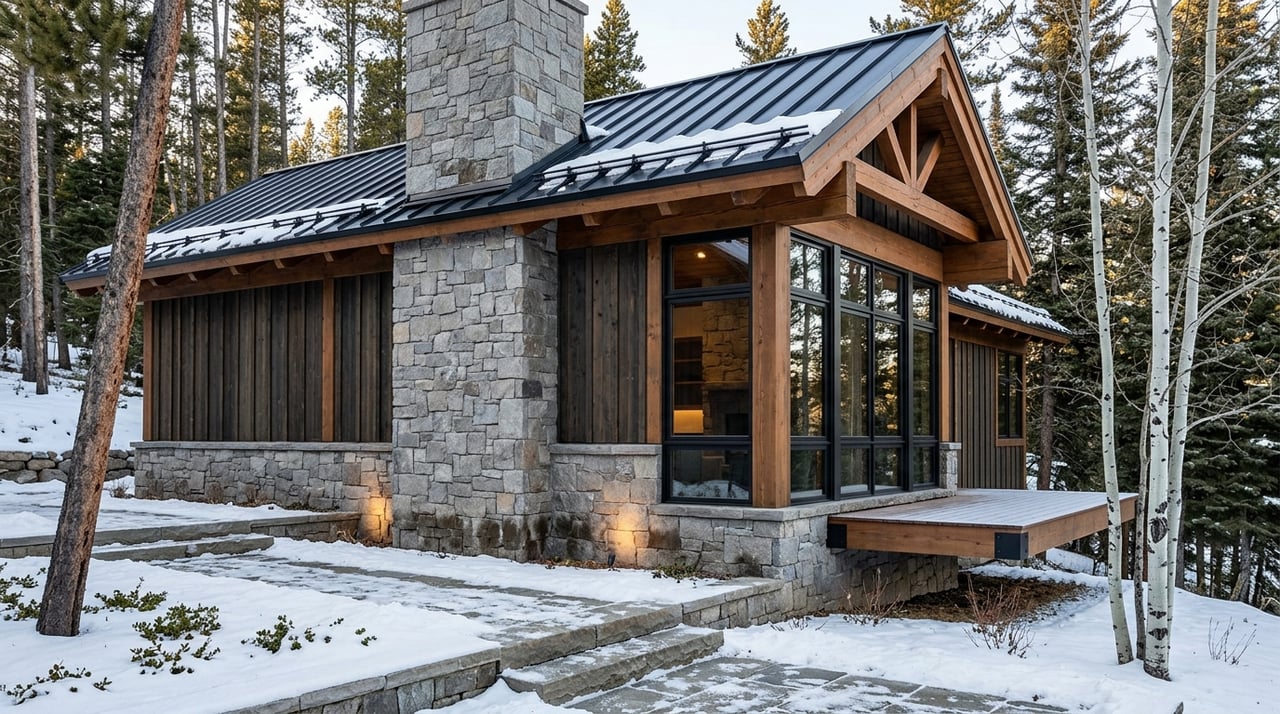
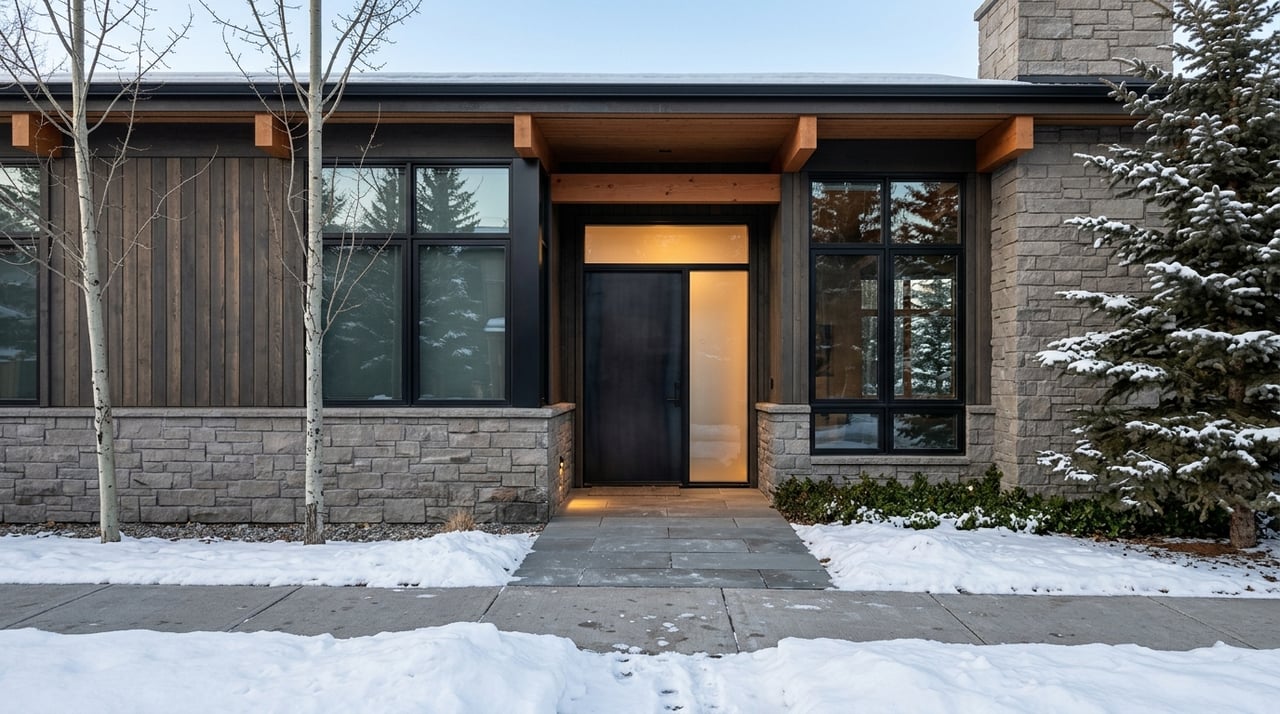
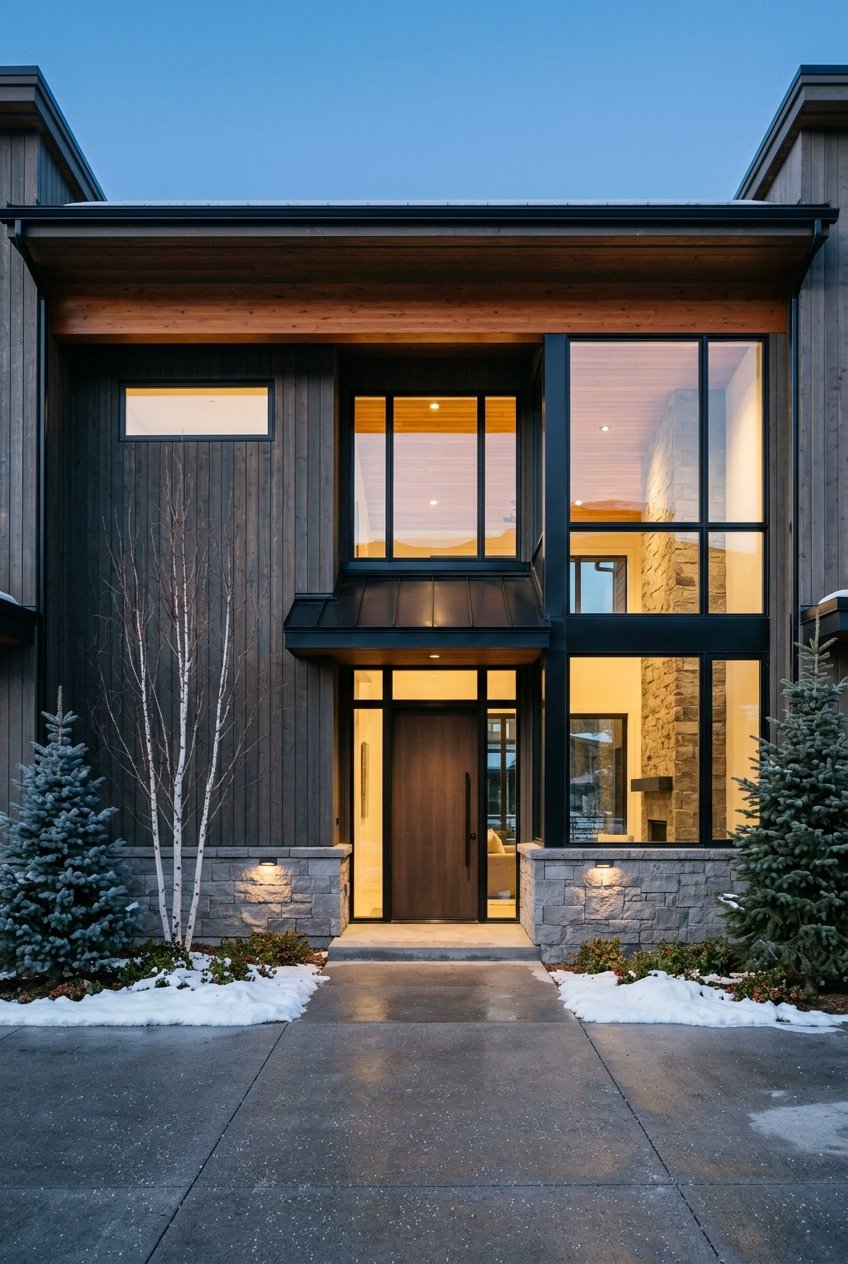
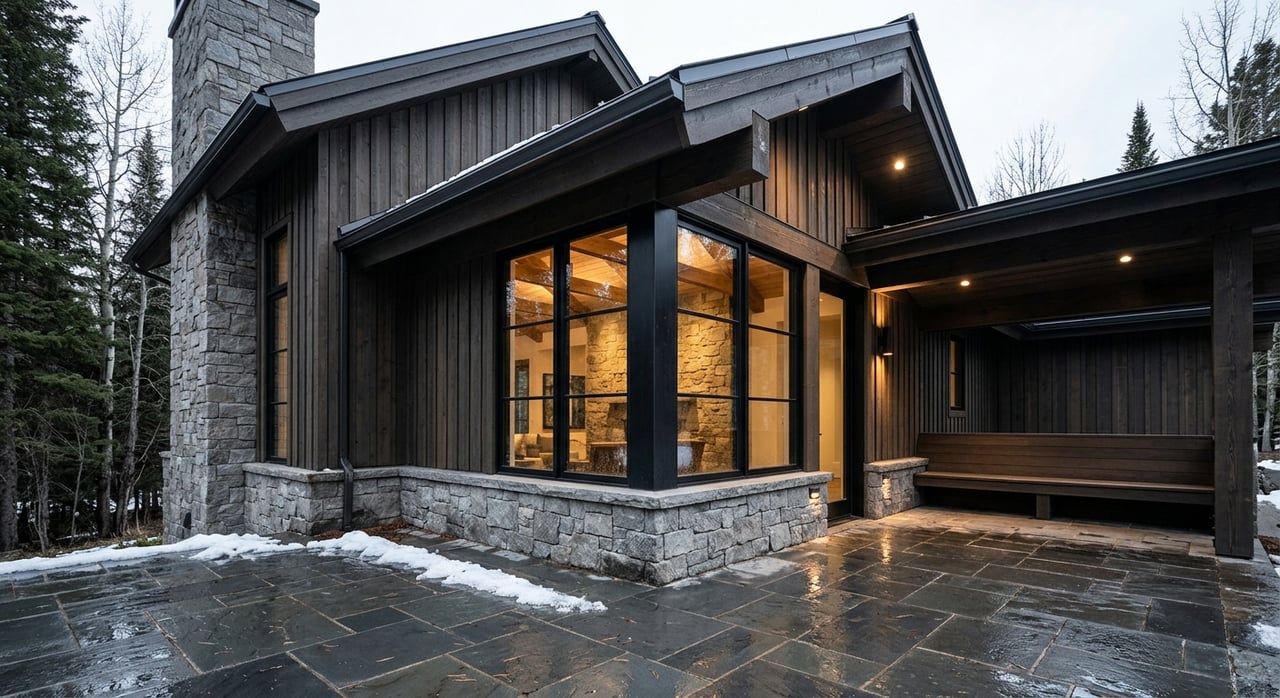
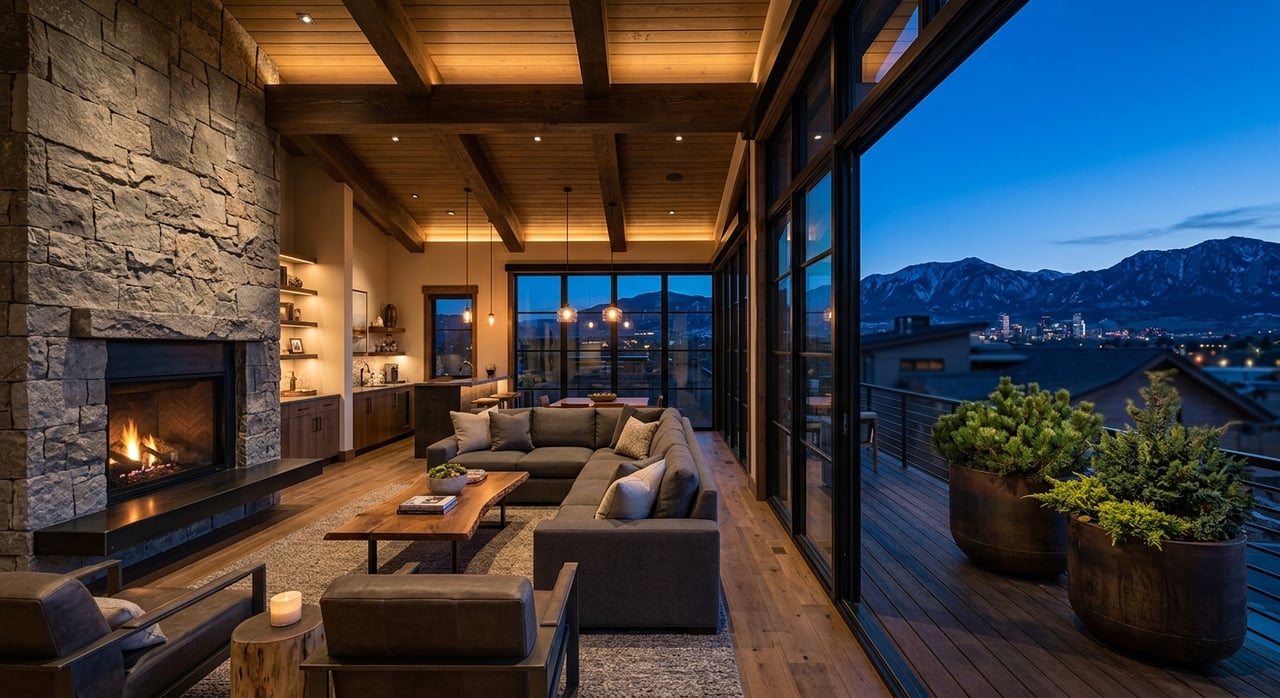
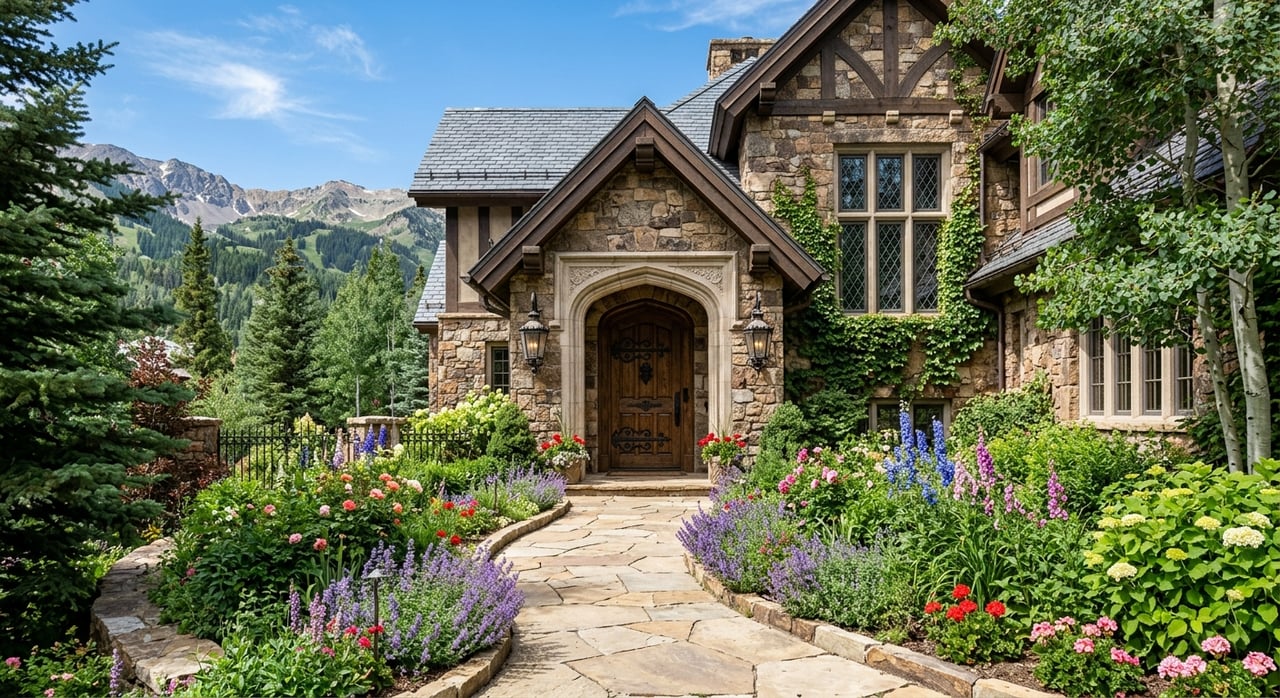
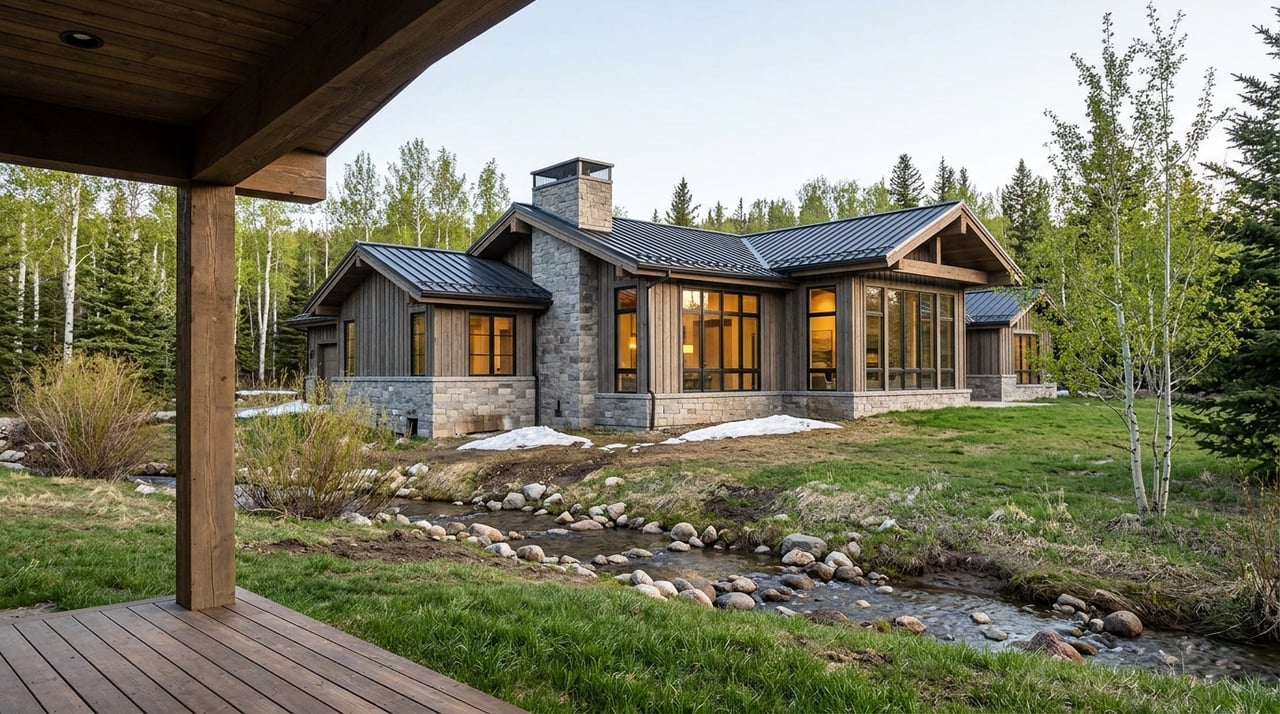
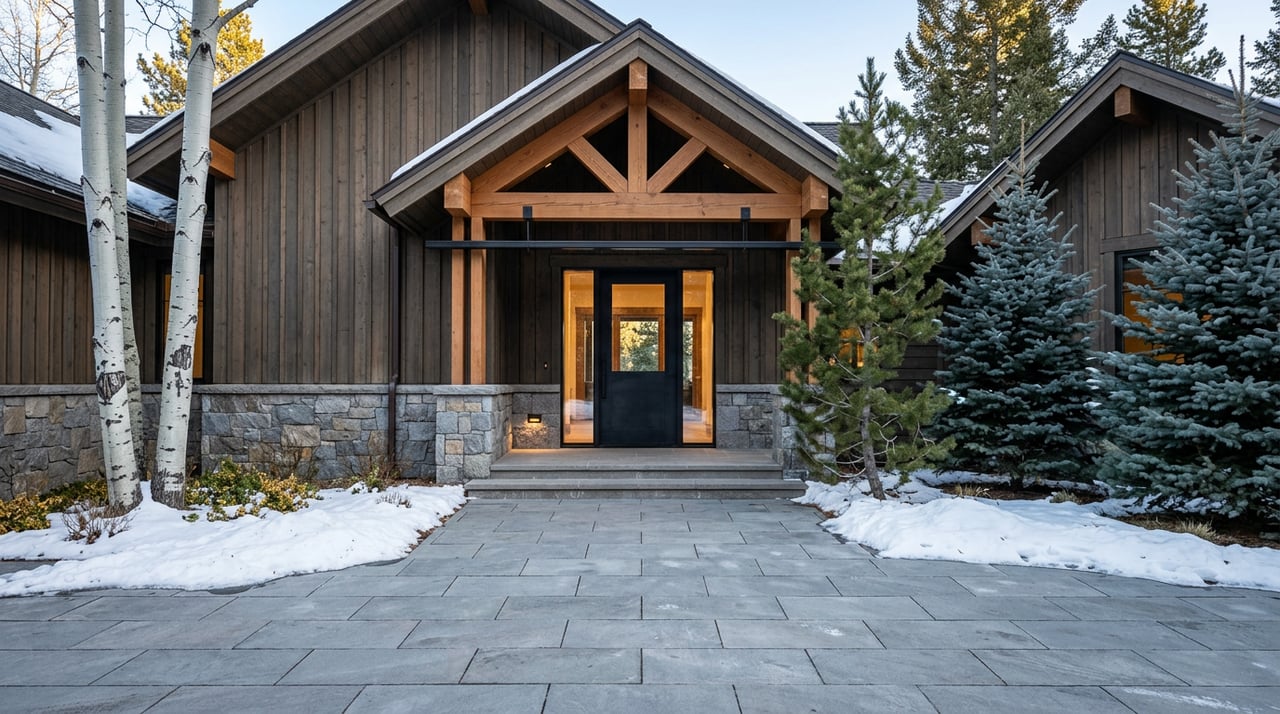
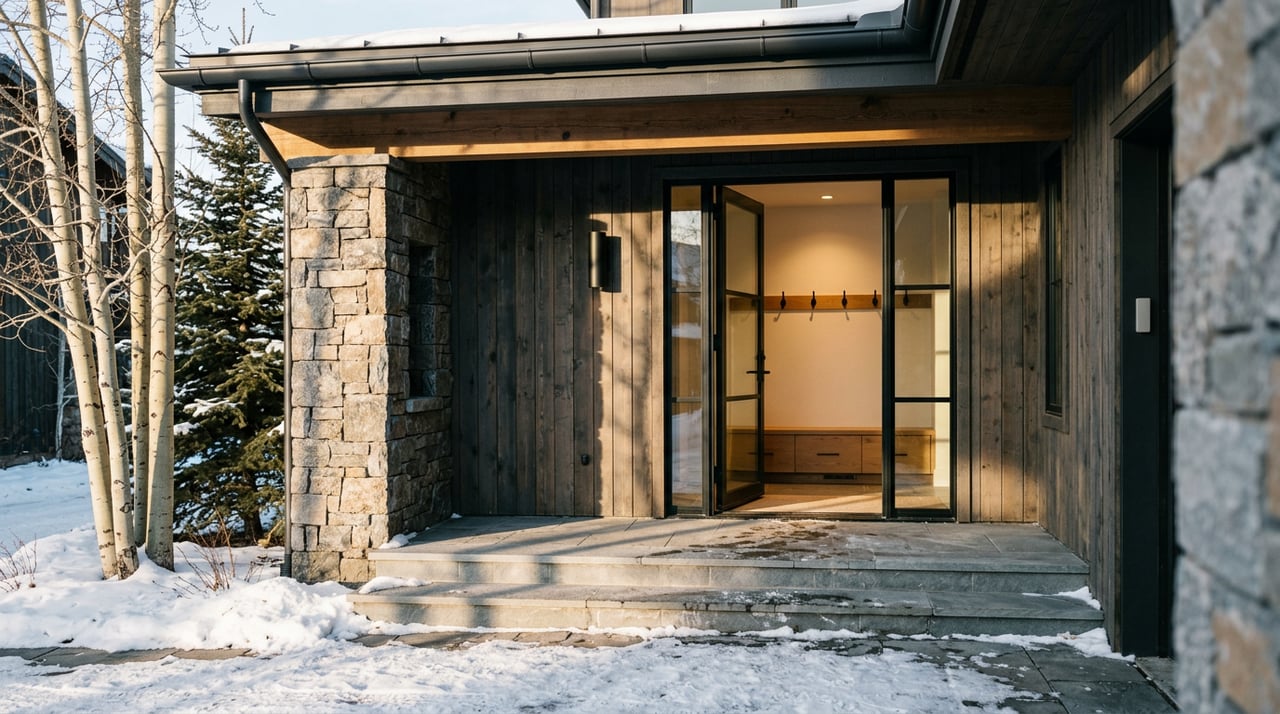
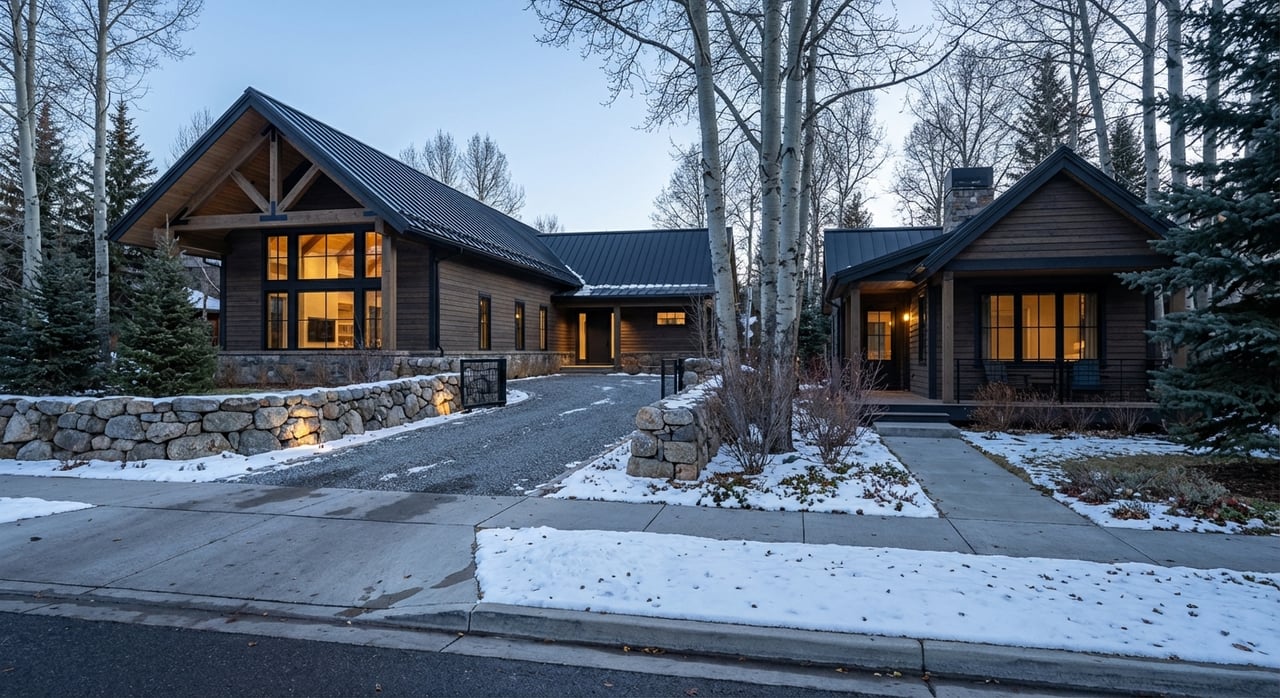
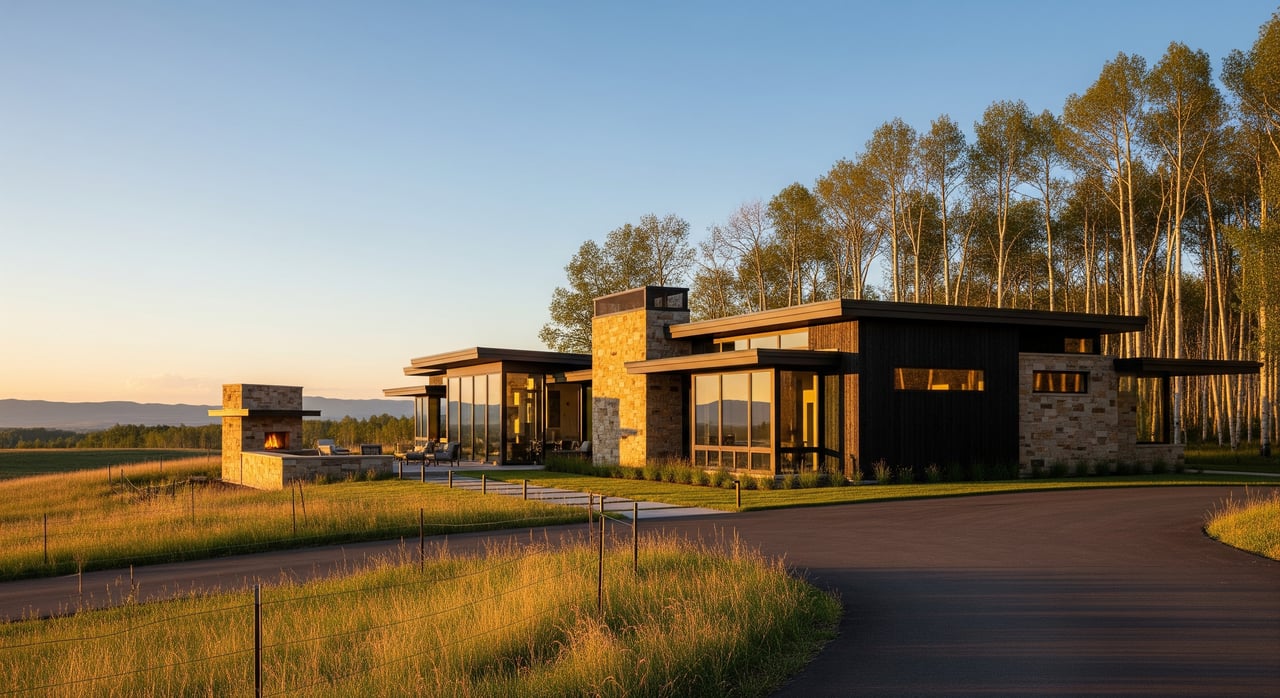
Architecturally, the range can be broad as well, from mountain-log and cottage styles to contemporary custom builds. That variety means your search should start with lifestyle priorities first, then narrow into the right micro-area.
This is where local guidance becomes especially important. In West Aspen, two homes may both carry the same broad neighborhood label while offering very different experiences in terms of access, privacy, and surroundings.
How Micro-Locations Change the Experience
Several west-side pockets are commonly grouped under the West Aspen umbrella, including Cemetery Lane, Meadowood, Five Trees, Castle Creek, and Buttermilk or Tiehack areas. Each one can offer a different relationship to recreation and daily routines.
Local guides note that Cemetery Lane and Red Butte may offer golf-course frontage or river access. Meadowood is often associated with flatter terrain and larger lots, while Five Trees is known for custom homes with direct Aspen Highlands access.
Castle Creek tends to feel more secluded, with legacy-property character. That variety is one reason West Aspen works well for a wide range of buyers, from those seeking a lock-and-leave luxury base to those prioritizing a more private residential setting.
West Aspen vs Downtown Aspen
If you are comparing West Aspen with the Central Core or West End, the main difference is not prestige. It is lifestyle pattern.
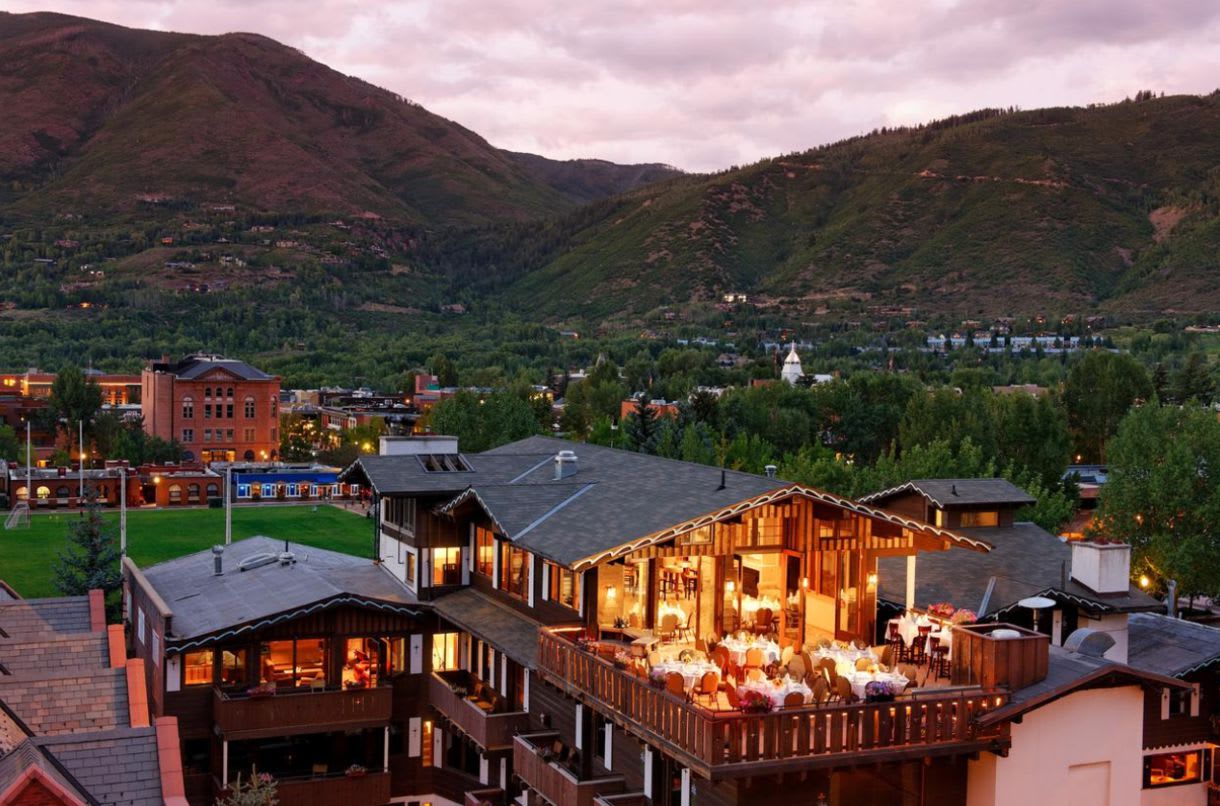
Downtown living often prioritizes walkability to restaurants, retail, and events. West Aspen typically offers a more residential environment, with easier proximity to golf, select ski bases, open space, and trail systems.
That does not mean West Aspen feels disconnected. Transit routes, bike links, and road access help keep you tied to town. For many buyers, the tradeoff is worthwhile because they gain more room, a stronger connection to recreation, and a daily setting that feels calmer.
Is West Aspen Better for Full-Time or Second-Home Living?
West Aspen can work well for both, but the reasons may differ. Full-time residents often appreciate the practical side of the corridor, including access to recreation, transit, trails, and nearby community infrastructure.
Second-home buyers may be drawn to the ability to move easily between ski days, summer golf, and river or trail outings without relying on a downtown address. The area can feel especially appealing if you want Aspen access with a little more breathing room.
The key is choosing the right pocket for how you actually live. In West Aspen, convenience is real, but it shows up differently depending on whether you care most about ski access, golf frontage, trail connectivity, or privacy.
What to Consider Before You Buy
If West Aspen is on your shortlist, focus on the details that shape day-to-day use. The broad label matters less than the exact location.
Here are a few smart questions to ask as you compare properties:
- How close is the home to Buttermilk or Aspen Highlands?
- Is shuttle access nearby for your typical winter routine?
- Do you want direct proximity to golf, trails, or river corridors?
- How important is quick bike access into Aspen?
- Are you looking for a secluded setting or a more connected residential pocket?
- Does the property type fit your lifestyle, whether that means an estate, condo, townhome, or single-family home?
In a market as nuanced as Aspen, those questions can quickly narrow the field. They also help you avoid treating West Aspen like one uniform district when it is really a collection of distinct experiences.
West Aspen is compelling because it brings together several of Aspen’s defining lifestyle elements in one corridor. You can live near golf, stay close to ski access, tap into trails and river recreation, and still reach downtown with relative ease.
For buyers who value both convenience and breathing room, that combination is hard to ignore. If you want help comparing West Aspen micro-locations or identifying the right fit for your goals, Dayna + Mandy can guide you with local insight and a highly personalized approach.
FAQs
What is West Aspen in Aspen, Colorado?
- West Aspen generally refers to the West of Castle Creek Corridor, a gateway area that stretches from the Highway 82 roundabout to the end of the Urban Growth Boundary and includes several distinct residential and recreation nodes.
Which ski areas are closest to West Aspen homes?
- For West Aspen, the most relevant nearby ski areas are Buttermilk and Aspen Highlands, both supported by local shuttle access depending on the pocket.
Does West Aspen have good golf access?
- Yes. Aspen Golf Club is located in the west-side corridor, and the Burlingame/HWY 82 shuttle route provides convenient access to both the golf course and Buttermilk.
Is West Aspen easy to bike from?
- West Aspen benefits from Aspen’s connected trail system, including links toward Snowmass Village and down valley, plus routes such as the Marolt Bike Path and the Maroon Creek Multi-Use Trail.
What kinds of homes are common in West Aspen?
- West Aspen includes a mix of single-family homes, estates, condos, townhomes, and some duplex-style properties, with architecture ranging from traditional mountain styles to contemporary custom homes.
How does West Aspen compare with downtown Aspen?
- West Aspen is generally more residential and less centered on walkability than downtown Aspen, but it offers strong access to recreation, open space, transit, and several distinct micro-locations.