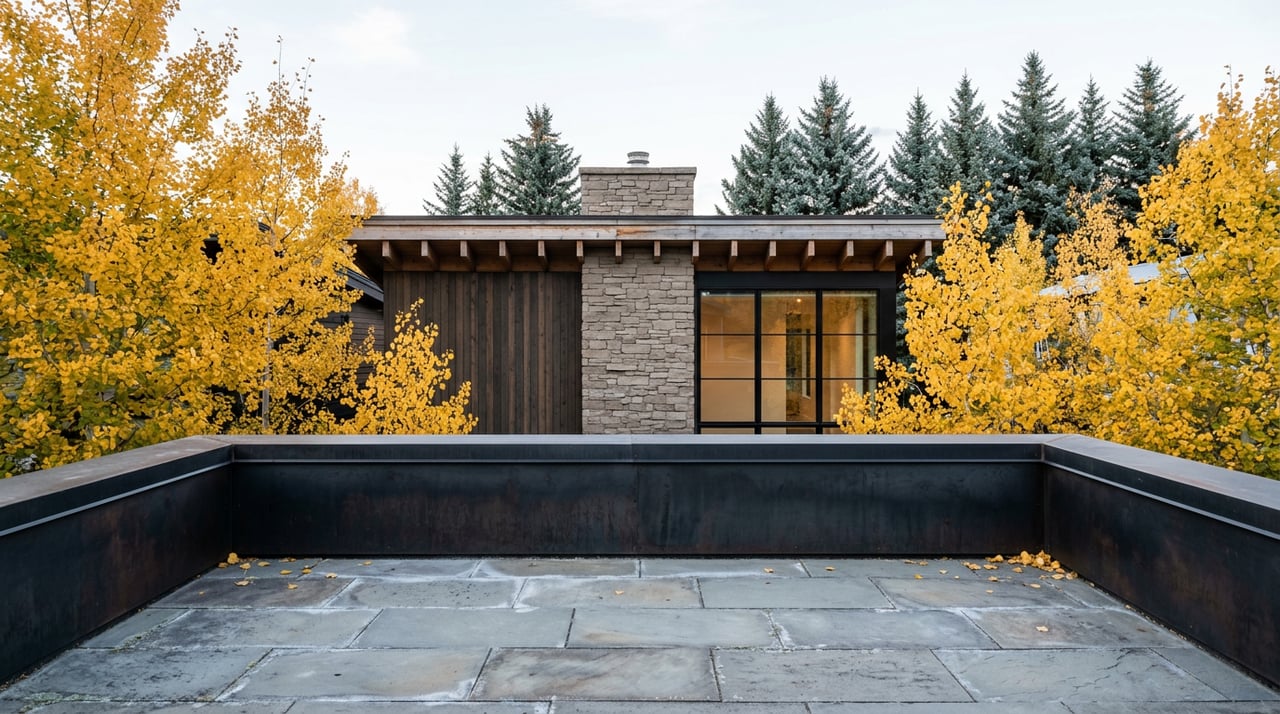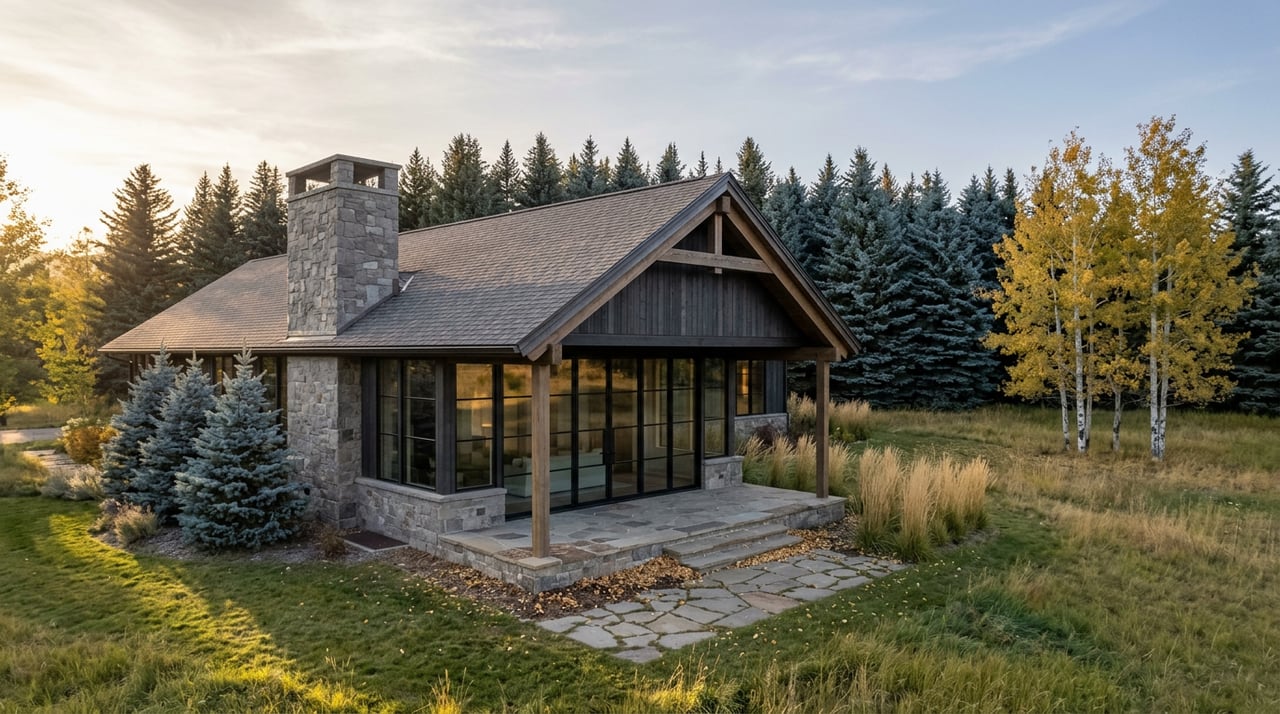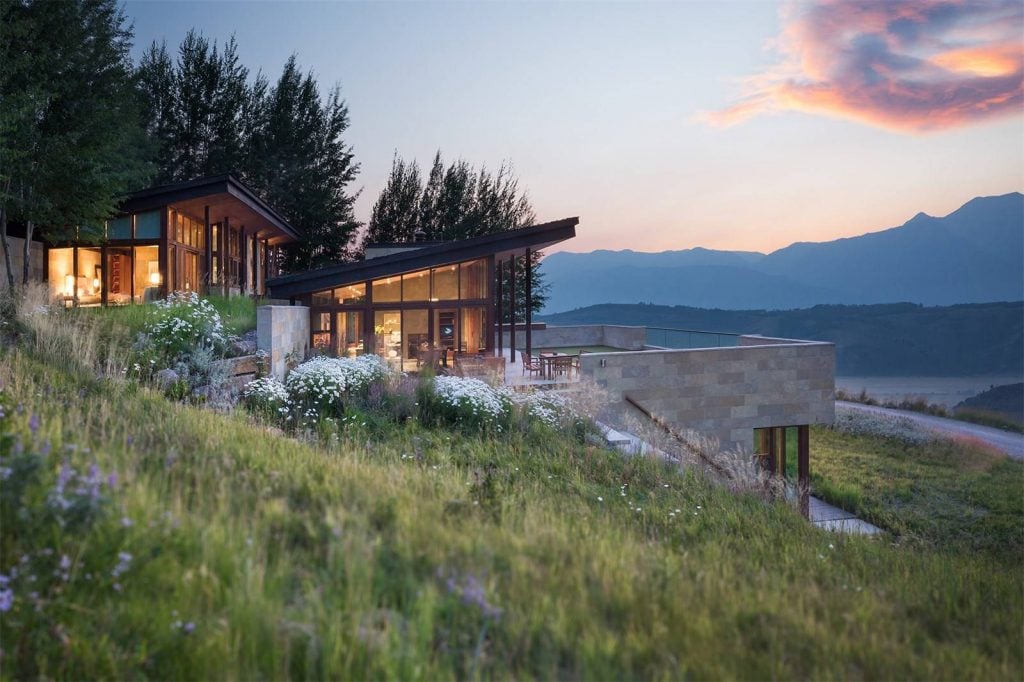
A buyer under contract on a McLain Flats ranch recently asked me when the county would come out to inspect the well. It was a fair question. In town, a home sale triggers inspections, certifications, and paper trails for nearly everything mechanical. Out on McLain Flats Road, it does not work that way. Pitkin County does not inspect, certify, or test private wells at all. The county's own guidance says the responsibility for a safe water supply rests solely with the property owner, and Colorado has no regulatory standard governing the water quality of private wells in the first place.
That surprise is usually the first sign, for a buyer moving from an in-town condo or single-family lot to acreage, that this corner of the valley runs on a different set of assumptions. And once you start asking what else is attached to a McLain Flats property besides the house sitting on it, you run straight into the real story: water rights, not square footage, are quietly doing more to set prices here than most comparison shopping accounts for.
A Ditch Older Than Most of Aspen's Buildings
The water in question comes from the Salvation Ditch, a roughly 25-mile irrigation system organized by ranchers in 1902 and completed in 1903. It draws from the Roaring Fork River east of Aspen, traces the base of Red Mountain, crosses McLain Flats, and continues to Woody Creek and Aspen Valley Ranch. It was built by the valley's original homesteading families to keep hayfields alive after the silver bust, and it still irrigates land tied to those same parcels today.
What makes it valuable isn't its age. It's its priority date. Colorado water law runs on a first-in-time, first-in-right system, and a 1902 priority date puts the Salvation Ditch near the front of the line on the Roaring Fork. The Colorado Water Trust has documented a right that allows the ditch to divert as much as 58 cubic feet per second. During the 2012 drought, there were days when more water flowed down the Salvation Ditch than down the Roaring Fork itself through Aspen, a direct consequence of how senior that right is relative to everything downstream of it.
Owning shares in the Salvation Ditch is not a lifestyle amenity like a barn or a view corridor. It is a separate, transferable, dollar-denominated asset that happens to sit on the same deed as the house.
What the Water Has Actually Sold For
Because ditch shares are tied to specific parcels rather than traded on an open market, sales of water alone are rare enough to be memorable when they happen. In 2017, 200 shares of Salvation Ditch water, about 1.67 percent of the ditch's total flow and roughly 175 acre-feet per year, were listed for sale at $1.2 million. That works out to about $6,860 per acre-foot. For comparison, the City of Aspen was charging about $2,000 per acre-foot in lieu of fees in its own service area at the time, and Ruedi Reservoir was pricing water at around $1,116 per acre-foot. A local water attorney quoted in that reporting put general Roaring Fork water rights in the $1,500 to $3,500 per acre-foot range, with scarce tributary rights occasionally reaching $10,000.
The gap between what a municipality charges for water and what a senior Salvation Ditch share commands is the premium buyers are paying for certainty. A share on this ditch is, in practice, close to a guarantee of irrigation water even in a dry year, because its priority date sits ahead of nearly everything that might otherwise take that water first.
That same reporting mentioned a broker marketing 238 acres on McLain Flats carrying 1,662 Salvation Ditch shares for $23 million, a figure that treats the water allotment as a headline feature of the listing, not a footnote.
Why Two Ranches Can Price a Million Dollars Apart Per Square Foot
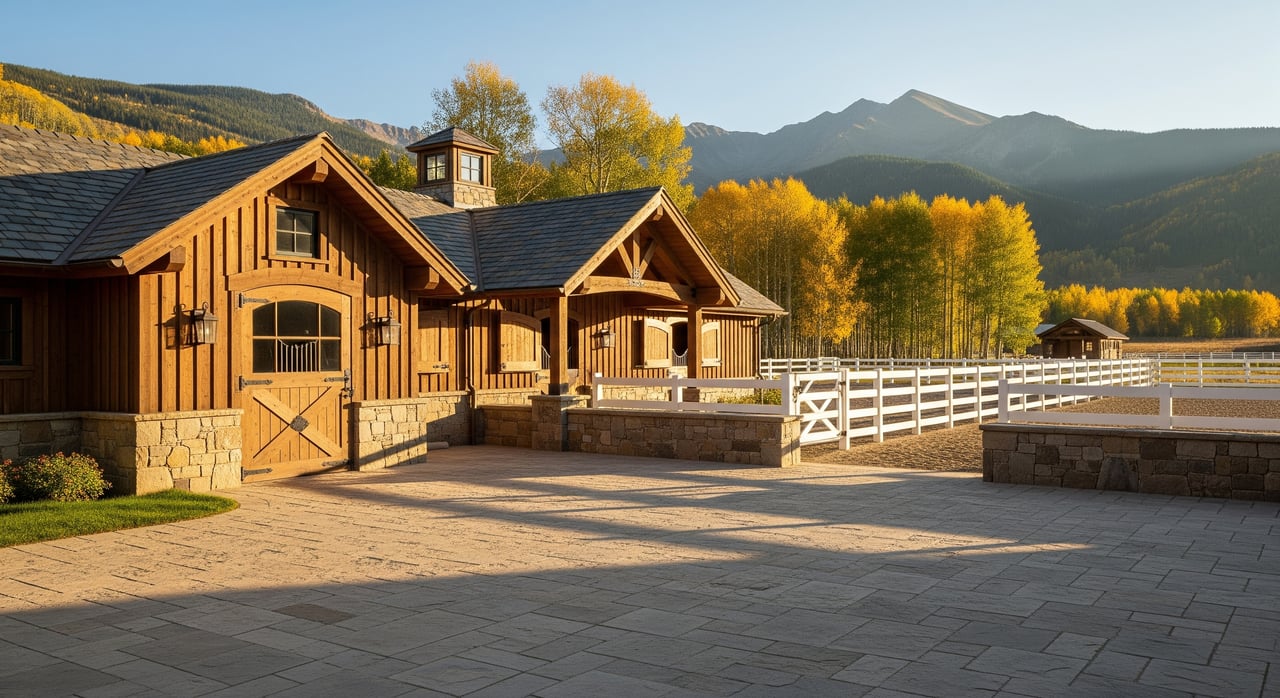
Here is where the mechanism shows up in real sales data. In January 2026, Merry Go Ranch at 1650 McLain Flats Road sold for $42 million, or $1,572 per square foot, on 21.3 acres. Its listing led with senior water rights carrying 126 shares from the Salvation Ditch, alongside an indoor athletic facility, an eight-stall barn, and a deed-restricted caretaker unit. For comparison, a 15-acre McLain Flats estate on Sunnyside sold in March 2024 for $33.5 million, or $2,253 per square foot.
| Merry Go Ranch (1650 McLain Flats Rd) | Sunnyside Estate | |
|---|---|---|
| Sale date | January 2026 | March 2024 |
| Acreage | 21.3 acres | 15 acres |
| Sale price | $42,000,000 | $33,500,000 |
| Price per sq ft | $1,572 | $2,253 |
| Water rights marketed | 126 Salvation Ditch shares | Not specified in sale data |
A per-square-foot number alone would suggest the Sunnyside property was the more expensive buy. It wasn't, in total dollars, and the comparison flattens out entirely once you factor in that one listing bundled a private athletic complex, a barn, and an employee dwelling unit into its price, while the other did not carry the same amenity load. The point isn't that one sale proves the water premium by itself. It's that price-per-square-foot, the single number most buyers lean on to compare ranch properties, cannot distinguish between dollars paid for finished square footage, dollars paid for outbuildings and improvements, and dollars paid for a water allotment that lives on a spreadsheet at the Salvation Ditch Company rather than in the county assessor's building record. Comparing two McLain Flats estates on square footage alone is like comparing two stock portfolios by counting the number of shares without asking what each share is worth.
Where This Shows Up on the Ground
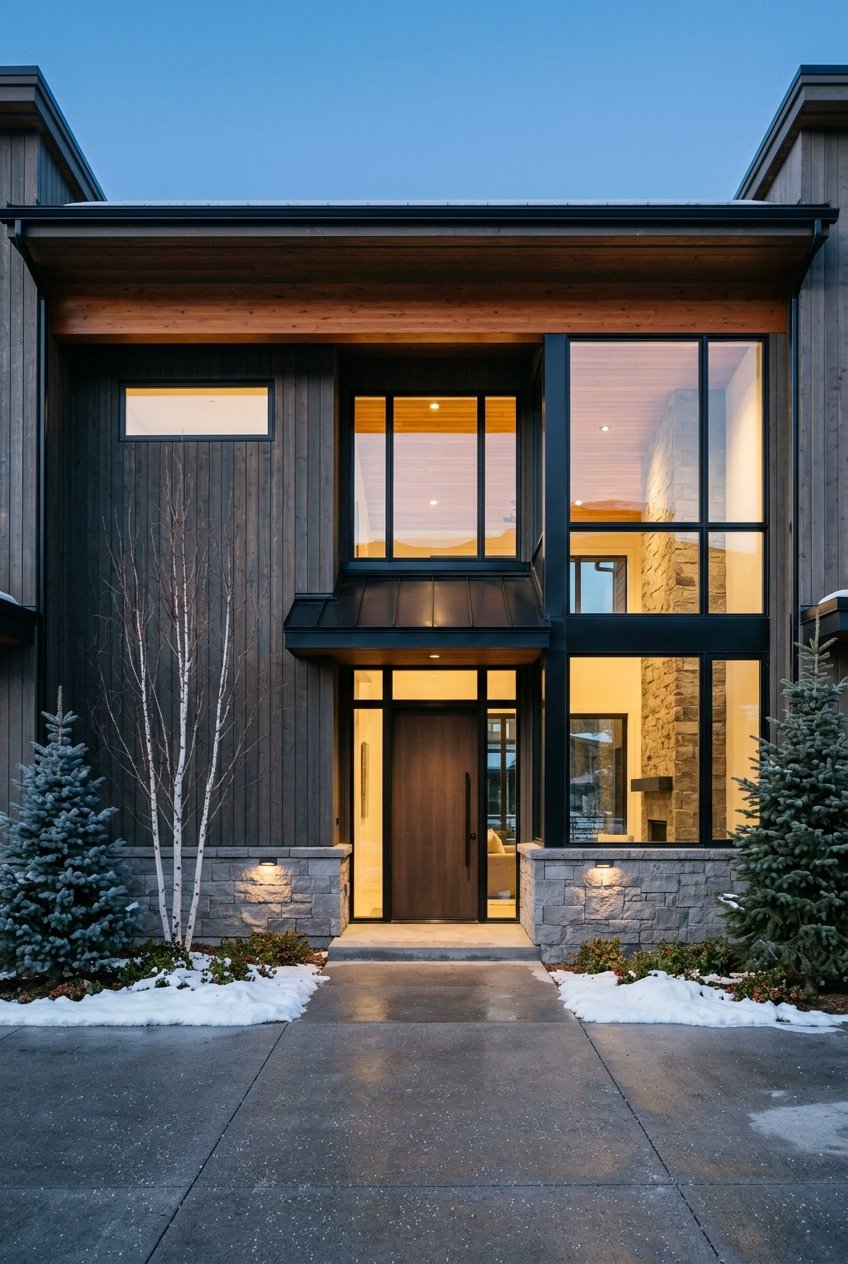
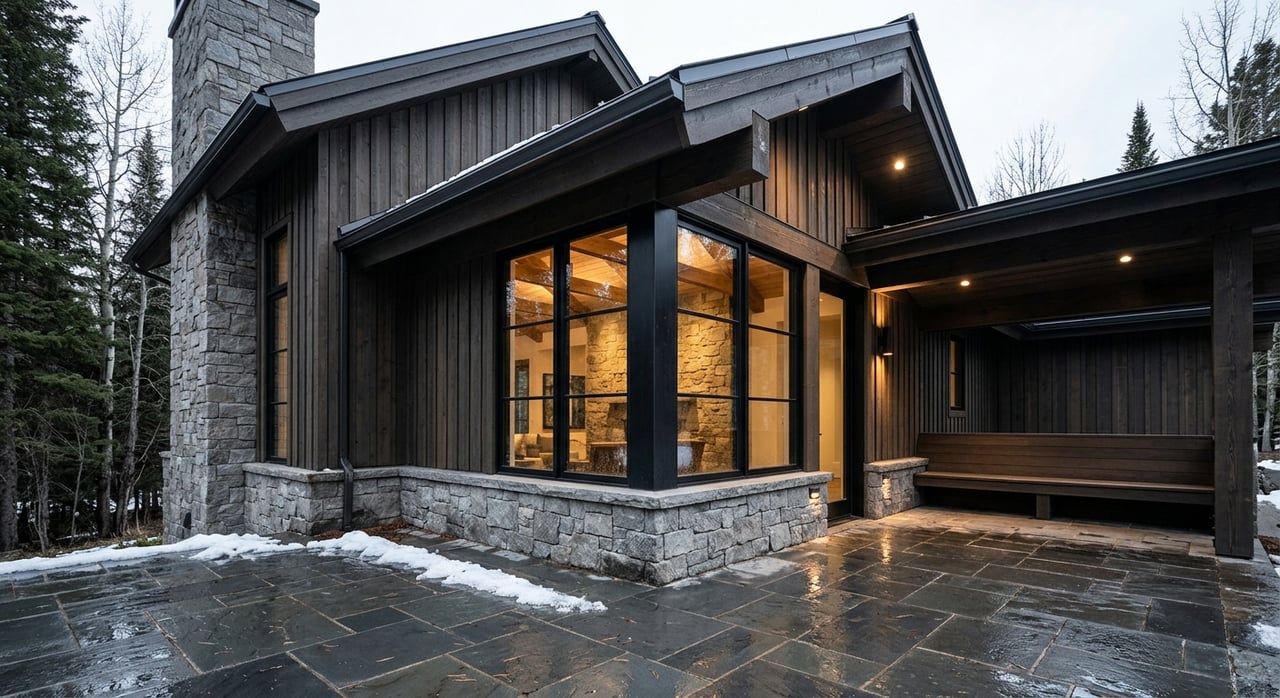
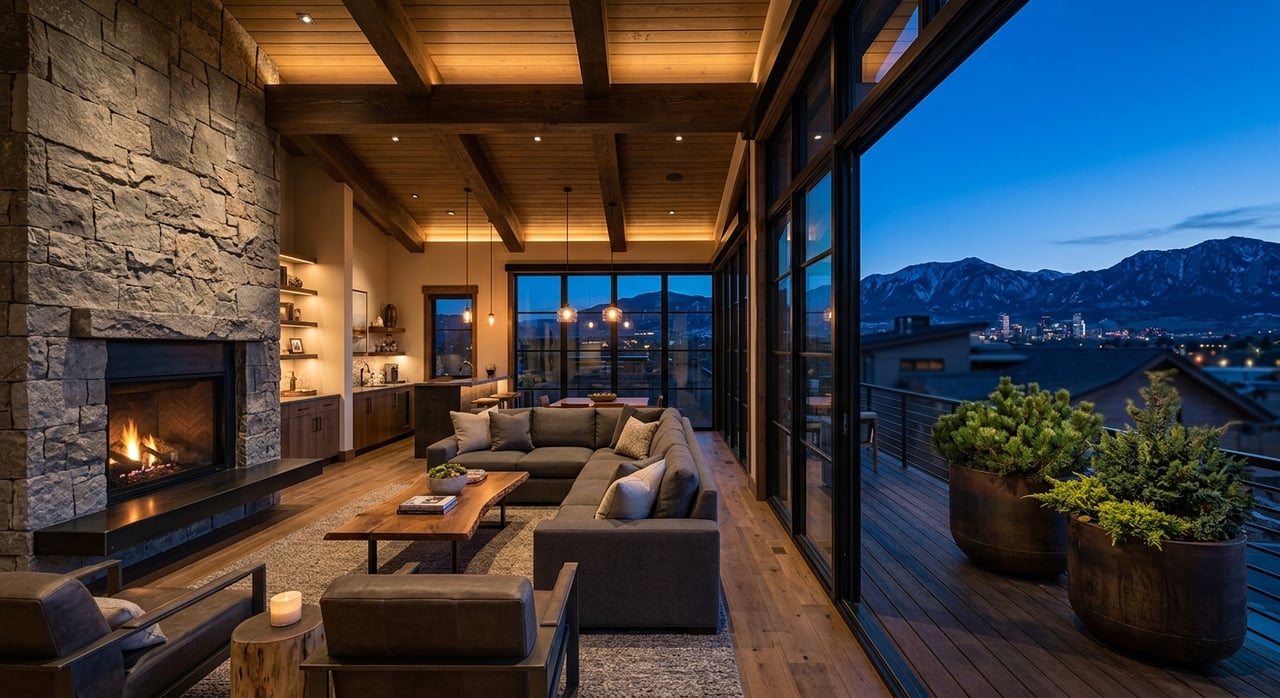
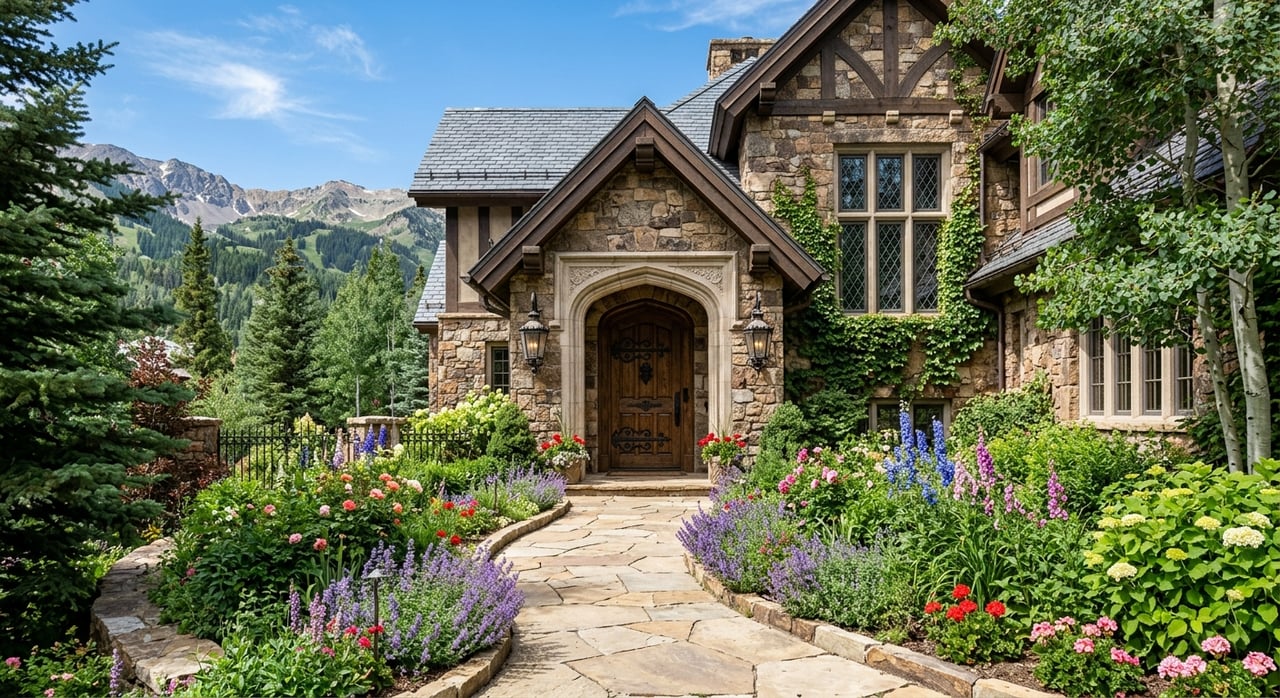
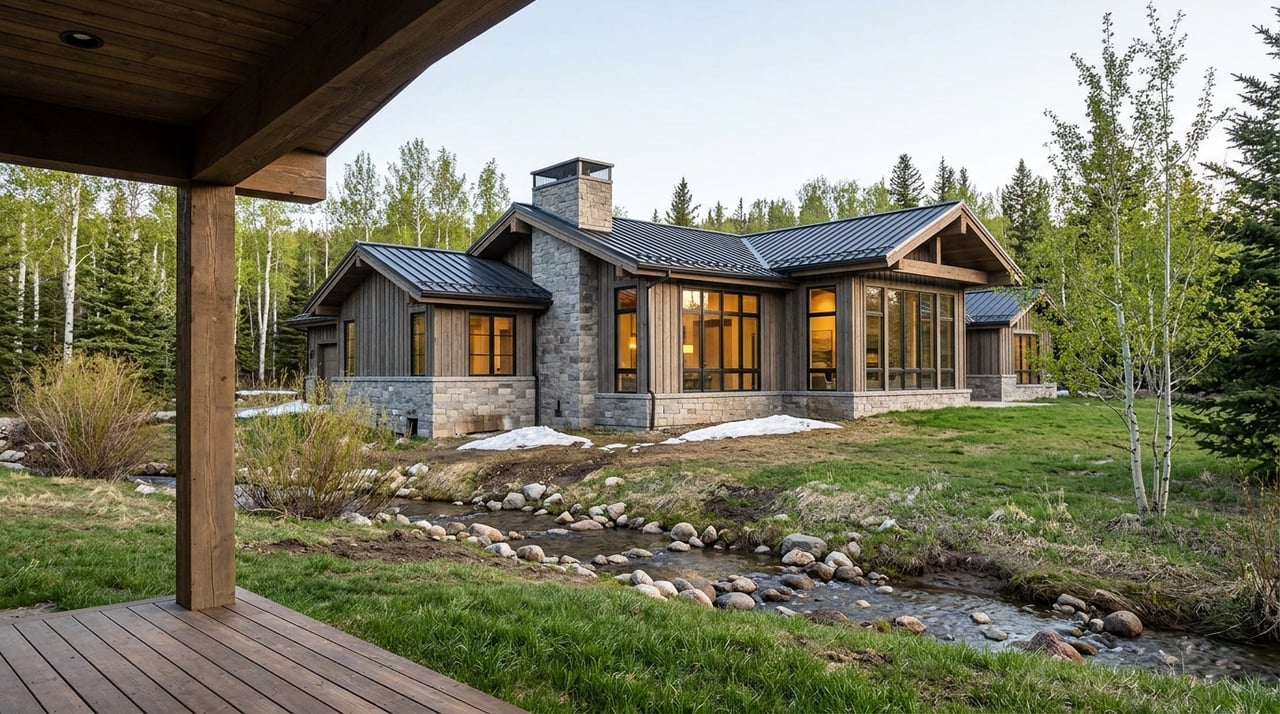
McLain Flats built its reputation on ranch subdivisions that still carry their original character: White Star Ranch, Star Mesa, and White Horse Springs among them, where wide pastures and horse fencing sit under expansive Elk Mountain views. Current inventory in these subdivisions spans acreage from roughly five to nearly eighteen acres, and not every parcel carries the same water history. Some properties were subdivided off larger ranch holdings after the original ditch shares had already been allocated elsewhere. Others retain a full irrigation allotment tracing back to the ditch's founding shareholders.
This is exactly why a buyer comparing two properties in the same subdivision, at similar acreage and similar finish quality, needs to ask a specific question that a listing sheet won't always answer up front: how many Salvation Ditch shares, if any, transfer with this parcel, and what is the water actually irrigating. The ditch company's board has historically kept shares attached to the land they irrigate rather than allowing them to be severed and sold separately, so in nearly every case the water comes with the dirt. But the quantity attached to any given parcel is not uniform across the neighborhood, and it is not something you can infer from acreage or square footage.
What Diligence Actually Looks Like Out Here
Because Pitkin County does not inspect or certify private wells, and because Colorado has no water quality standard for them, the due diligence period on a McLain Flats purchase needs to do work that would otherwise happen automatically closer to town. That means:
- Confirming the well's permitted uses and flow rate through the Colorado Division of Water Resources' well permit records, not assuming a well permit for one purpose covers another
- Commissioning independent water quality and yield testing during the inspection period, since neither the county nor the state performs this on your behalf
- Verifying, in writing, exactly how many Salvation Ditch shares or other water rights transfer with title, and confirming that transfer through the ditch company's own records rather than relying solely on marketing language
- Understanding the ditch's seasonal diversion window, typically June through October, since water rights tied to irrigation season don't behave like a year-round municipal tap
None of this is disclosed automatically. It has to be asked for, in the same way a buyer would ask for HOA documents on a condo or a survey on an in-town lot. The difference is that most buyers know to ask for those things by instinct. Fewer know to ask a McLain Flats seller for a ditch share transfer confirmation, because nothing about a listing photo or a square footage total tells you it exists.
A Few Questions Worth Asking Before You Write an Offer
Do all McLain Flats properties carry Salvation Ditch water rights? No. Water rights attach to specific parcels based on their history within the original ranch subdivisions, and later subdivided lots do not automatically inherit the full allotment tied to the original ranch.
Can I buy Salvation Ditch shares separately from a McLain Flats property? Generally no. The ditch company's board has historically kept shares tied to the land they irrigate, with only rare, isolated exceptions where shares were marketed apart from the property.
Who is responsible for testing well water quality before closing? The buyer. Pitkin County does not test, inspect, or certify private wells, and Colorado has no regulatory water quality standard for them, so testing has to be arranged independently during due diligence.
McLain Flats rewards buyers who read past the listing sheet, and it punishes the ones who compare ranches the way they'd compare condos. If you're weighing acreage, water rights, and improvement costs against each other and want someone who can walk the numbers with you property by property, I'd welcome the conversation. Reach out to Dayna + Mandy to start a private consultation.